
Trees
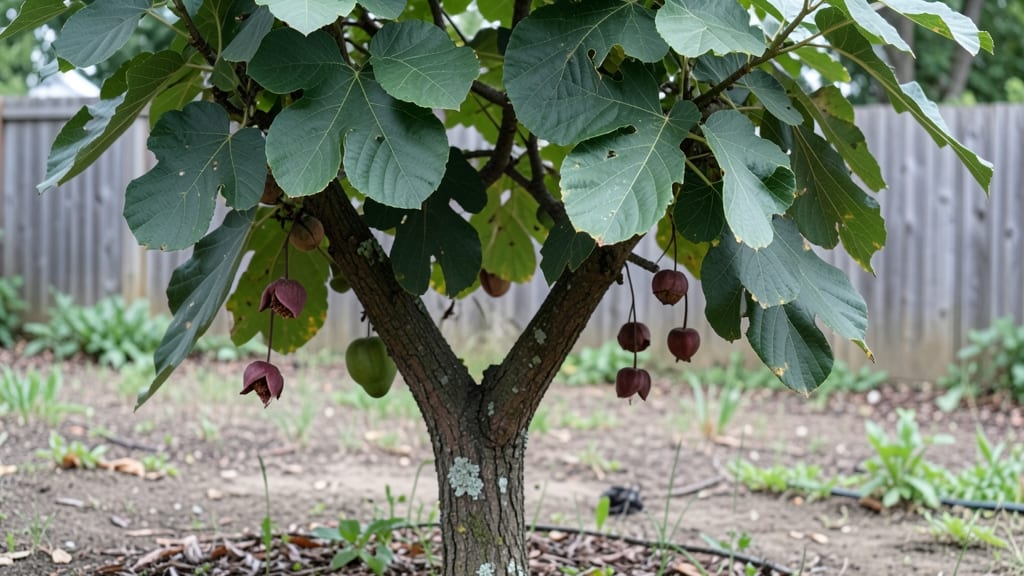
Growing paw paw trees in the Pacific Northwest means finally having a frost-resistant fruit tree that thrives where many others fail. 🌿 I planted mine last spring, and after just one season, I’m already dreaming of those custard-like fruits—if I can keep the deer from snacking first.
The key is matching their natural habitat: moist, well-drained soil and partial shade to protect from scorching summer sun.
These trees are low-maintenance once established, but the first year demands attention. You’ll need 6-8 hours of sunlight daily, consistent watering to keep roots moist, and a spot with 15-20 feet of space between trees for proper air circulation.
The real secret? Planting in early spring lets roots establish before summer heat hits—something I learned the hard way after my first attempt in fall.
By year three, you’ll see 10-15 foot tall trees with glossy leaves and the first hints of fruit. The payoff comes in late summer when paw paws ripen—creamy, tropical-tasting fruit you’ll want to share (or hide from wildlife).
Pruning in late winter keeps the shape manageable, and mulching protects roots during those chilly PNW winters.
Deer and rabbits are the biggest early hurdles, but a simple wire cage around young trees solves that. Once they’re established, paw paws handle frost like champions—perfect for our unpredictable climate. Ready to grow your own? Let’s get those roots in the ground.
📚 In This Guide
- What you need
- Instructions
- Tips and common mistakes
- Wrapping up and next steps
What you need
- ● Paw Paw Tree Saplings: 2–5 healthy, disease-free saplings (choose Asimina triloba or cold-hardy cultivars like Sunflower or Pennsylvania Golden)
- ● Rootstock or grafted varieties (for faster fruit production)
- ● Soil Amendments: Compost or well-rotted manure (5–10 gallons per planting hole)
- ● Balanced fertilizer (10-10-10 or organic options like fish emulsion)
- ● Sulfur or peat moss (if soil is alkaline; paw paws prefer pH 5.5–6.5)
- ● Planting Supplies: Shovel or trowel (for digging)
- ● Garden hose with spray nozzle (for watering)
- ● Mulch (straw, wood chips, or pine needles; 2–3 inches)
- ● Protection: Frost cloth or row covers (for young trees in early spring)
- ● Tree guards or wire cages (to deter deer/rodents)
- ● Soil test kit (to check pH and nutrient levels)
- ● Drip irrigation system (for consistent moisture)
- ● Pruning shears (for shaping and maintenance)
- ● Bee-friendly plants (like lavender or clover) to boost pollination
- ● Paw paw tree pollination bags (if hand-pollinating)
Step-by-step instructions for growing paw paw trees
Here's how I've learned to grow these tropical-tasting trees in our cool Pacific Northwest climate.
🌱 Step 1: Select the Right Location and Prepare the Soil
Paw paws thrive in rich, well-draining soil with a pH between 5.5 and 6.5. I always test my soil first because these trees hate soggy roots. Amend heavy clay with 2-3 inches of compost and mix in a handful of wood ash to raise the pH slightly if needed.
Choose a spot with partial shade—morning sun and afternoon shade work best in our region. Paw paws tolerate light frost but need protection from harsh winter winds. I plant mine near a south-facing fence where they get gentle morning sunlight without afternoon heat stress.
🪴 Step 2: Plant Bare-Root Saplings at the Right Time
Plant 2-3 year-old bare-root saplings in early spring (March-April) when soil temperatures reach 50°F. This gives roots time to establish before summer heat arrives. Dig a hole twice as wide as the root ball but only as deep—paw paws hate being buried too deep.
Place the sapling in the hole and spread the roots gently outward. Fill with soil, firming lightly as you go, then water deeply to settle everything. I always add a 3-inch layer of wood chips around the base to retain moisture and regulate soil temperature—critical for our damp winters.
☀️ Step 3: Provide Consistent Moisture and Protection
Water deeply once a week during the first growing season, keeping the soil evenly moist but never soggy. Paw paws need 1-1.5 inches of water weekly—more in summer heat. I check moisture by pushing my finger 2 inches into the soil; if it feels dry, it's time to water.
In our Pacific Northwest climate, young trees need winter protection. I wrap the trunk with burlap in late fall and mound 6 inches of mulch around the base. This prevents frost cracking and helps roots stay warm through our mild but damp winters.
✂️ Step 4: Prune for Shape and Airflow in Late Winter
Prune dormant trees in late February before new growth starts. Remove any dead, crossing, or weak branches first. Then shape the tree by cutting back overly vigorous growth by one-third to encourage a strong framework. Paw paws develop horizontal branches naturally—let these grow long for better fruit production.
I never prune more than 25% of the tree in one season. Over-pruning stresses paw paws, and they're slow to recover. After pruning, apply a balanced fertilizer (10-10-10) around the drip line to support new growth.
🍃 Step 5: Monitor for Pests and Harvest When Ready
Paw paws are relatively pest-free, but watch for Japanese beetles and spotted lanternflies—both love the leaves. I handpick beetles in summer and use neem oil spray if infestations appear. The trees also attract hummingbirds, which help with pollination.
Fruit ripens in late summer to early fall (August-September). Paw paws are ready when they turn yellow-green and feel slightly soft when gently squeezed. Harvest by twisting the fruit from the stem—don't cut to avoid damaging the tree.
Tips & tricks for growing frost-resistant paw paw trees
A few key strategies will help your paw paw trees thrive in our Pacific Northwest climate.
Soil Preparation Secret: I can't stress enough how important that 2-3 inches of compost is—it's not just about nutrients, but also about improving soil structure. If your soil is dense or clay-heavy, mix in some sand or perlite to help with drainage. The wood ash is crucial too; it helps raise that pH just enough to prevent root stress. I've seen trees struggle when planted in soil that's too acidic—always test first!
Planting Timing Tip: That 50°F soil temperature is your golden window for planting. I've learned this the hard way—planting too early when soil is still cold can stunt root growth. Use a soil thermometer if you're unsure; it's a small investment that pays off in healthier trees. Also, make sure to plant on a cloudy day to reduce transplant shock from direct sunlight.
Winter Protection Hack: For that 6 inches of mulch around the base, I use a mix of wood chips and straw. This combo insulates roots while allowing water to penetrate. In our damp winters, this prevents both frost damage and root rot. And don't forget to remove any mulch from the trunk itself—pile it in a donut shape around the base only.
Pruning Insight: When shaping your tree by cutting back overly vigorous growth by one-third, focus on removing branches that grow inward. Paw paws naturally develop those beautiful horizontal branches, but you want to maintain an open center for airflow. I always prune on a dry day when branches are less likely to spread disease.
Pro Tips for Growing Paw Paw Trees
- A few key strategies will help your paw paw trees thrive in our Pacific Northwest climate.
- Soil Preparation Secret: I can't stress enough how important that 2-3 inches of compost is—it's not just about nutrients, but also about improving soil structure.
- Planting Timing Tip: That 50°F soil temperature is your golden window for planting.
Frequently asked questions
Got questions about growing paw paw trees in the Pacific Northwest? You’re not alone! Here are some of the most common queries—plus straightforward answers to help you succeed.
How cold can paw paw trees tolerate in the PNW?
Paw paw trees (Asimina triloba) thrive in USDA zones 5-9, making them perfect for the PNW’s mild winters. While they can handle brief dips to -15°F (-26°C), young trees may need winter protection (like mulch or burlap wraps) if temps drop below 10°F (-12°C) for extended periods.
When is the best time to plant paw paw trees in Washington or Oregon?
Plant paw paw trees in early spring (March–April) or fall (September–October) for optimal root establishment. Avoid planting in late fall—frost can stress young roots. If buying bare-root trees, plant ASAP after purchase to minimize transplant shock.
Do paw paw trees need cross-pollination?
Yes! Paw paws are not self-pollinating—you’ll need at least two trees (different varieties) for fruit production. Bees and flies do the work, but planting trees within 50 feet of each other ensures better yields. Pro tip: Try ‘Sunflower’ and ‘Pennsylvania Golden’ for a PNW-friendly pair.
Why aren’t my paw paw trees fruiting?
Common reasons include:
- Lack of pollinators: Plant flowers nearby (like dill or marigolds) to attract bees.
- Young age: Trees take 3–5 years to bear fruit.
- Poor soil: Paw paws love moist, well-draining soil with a pH of 5.5–7.0.
- Frost damage: Late spring frosts can kill blossoms—choose early-blooming varieties.
If issues persist, test your soil and adjust care accordingly.
Are there paw paw alternatives for small yards?
If space is limited, consider:
- Dwarf paw paw varieties: Some grafted trees (like ‘Pennsylvania Golden’) stay under 10–12 feet tall.
- Container growing: Young trees can thrive in large pots (15+ gallons) for 1–2 years before transplanting.
- Other native fruits: Try serviceberry or hazelnut for similar shade and edible rewards.
Bonus: Paw paw leaves make great mulch for other plants!
Wrapping up and next steps
Growing paw paw trees in the Pacific Northwest is a rewarding adventure—packed with frost-resistant resilience and the promise of sweet, tropical-tasting fruit! 🌿 With the right soil, spacing, and care, you’ll soon enjoy a thriving tree that’s as beautiful as it is bountiful.
Whether you’re a seasoned gardener or just starting, every seed planted today could turn into tomorrow’s harvest.
Ready to take the next step? Start by selecting your saplings (or seeds!) and mark your calendar for late winter or early spring—your future paw paw tree is waiting! 🌱