
Size
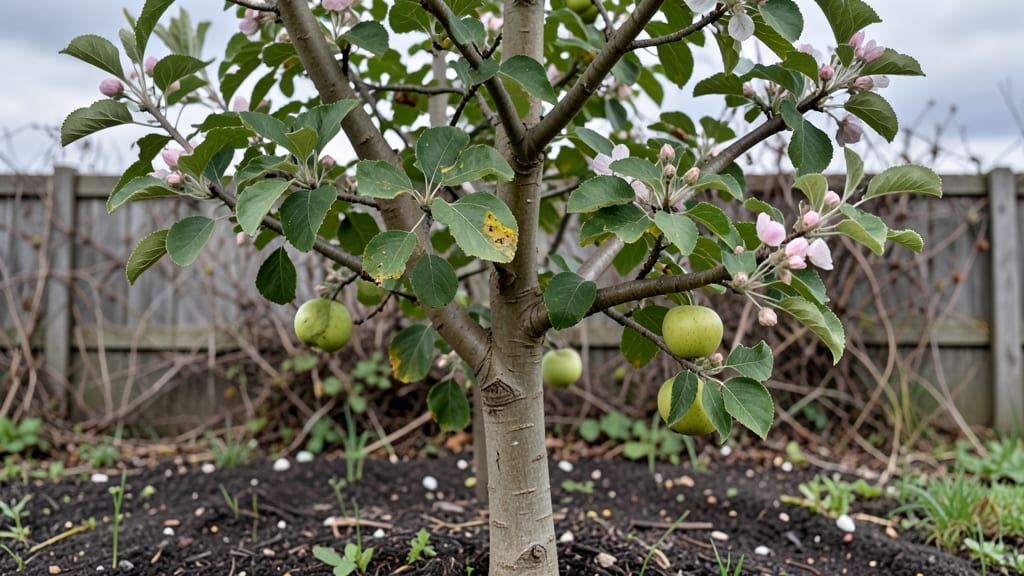
Growing a garden apple tree from a dwarf variety means fresh fruit in just three years—no waiting decades for a full-sized tree. I remember planting my first 'Anna' apple tree in a 5-gallon pot and watching it produce tiny but sweet apples by its third spring.
The secret isn’t just the variety; it’s the right spot, soil, and a little patience with pruning.
Dwarf trees thrive in containers or small yards, needing only 6-8 hours of sun daily and well-draining soil mixed with compost. Choose a self-pollinating variety like 'Liberty' or 'GoldRush' to skip the hassle of planting two trees.
My biggest mistake? Skipping the winter mulch—now I protect the roots with 4-6 inches of straw, and the tree survives our cold snaps like a champ.
By year three, you’ll harvest dozens of apples, though they’ll be small—think crabapple-sized but bursting with flavor. The real magic happens in fall when the branches bend under the weight, and neighbors ask where you got your "miracle tree."
Prune in late winter to shape the tree, and thin fruit in summer to avoid overloading branches.
Works in USDA zones 4-8, whether planted in the ground or a 15-gallon container. The key is consistency—water deeply once a week (more in summer) and fertilize lightly in spring.
No fancy tools needed, just elbow grease and a sharp pair of pruners. Ready to grow your own orchard in a backyard or balcony?
📚 In This Guide
- What you need
- Instructions
- Tips and common mistakes
- Wrapping up and next steps
What you need
- ● Dwarf apple tree: Choose a cold-hardy, dwarf variety (e.g., Honeycrisp, Fuji, or Gala)—grafted for consistency. 1–2 trees (planting two ensures cross-pollination for fruit!).
- ● High-quality potting soil or well-draining garden soil: Amend with compost (5–10 gallons) for nutrients. Avoid soggy soil—apple trees hate "wet feet"!
- ● 5-gallon container or planting hole: Container: Use a 18–24" diameter pot with drainage holes (e.g., fabric grow bags or ceramic pots).
- ● In-ground: Dig a hole twice as wide and as deep as the root ball.
- ● Slow-release fertilizer: 10–10–10 NPK (1 lb per tree) or organic options like fish emulsion or composted manure.
- ● Mulch: 3–4 inches of wood chips or straw to retain moisture and suppress weeds.
- ● Garden trowel or shovel (for digging)
- ● Pruning shears (sterilized with rubbing alcohol)
- ● Watering can or hose with gentle nozzle (drip irrigation is a game-changer!)
- ● Stake & tree tie kit (if planting in windy areas)
- ● pH test kit (ideal soil pH: 6.0–6.5)
- ● Apple tree spray (organic neem oil or copper fungicide for pests/diseases)
- ● Tree guard or wire mesh (to protect from deer/squirrels)
- ● Soil moisture meter (keep roots consistently moist but not waterlogged)
- ● Pollinator-friendly plants (e.g., lavender or bee balm) to boost fruit set!
Step-by-Step instructions for growing a dwarf apple tree
Here's how to grow a productive apple tree in small spaces that bears fruit in just three years.
Choose the Right Dwarf Variety and Location
Select a dwarf apple tree variety suited for your climate zone—some of the best for small gardens include 'Liberty,' 'Golden Delicious,' or 'Honeycrisp.' These varieties are bred to stay compact while still producing full-sized fruit. Plant your tree in a location that gets at least 6-8 hours of direct sunlight daily, with protection from strong winds that can damage branches.
Dig a hole twice as wide as the root ball but no deeper—this encourages roots to spread horizontally rather than settling too low. Amend the native soil with 3-4 inches of compost mixed into the bottom of the hole to improve drainage and fertility. The top of the root ball should sit slightly above ground level once planted, which helps prevent water from pooling around the trunk.
Plant Your Tree Properly for Strong Growth
Remove the tree from its container and gently loosen any circling roots with your fingers—this prevents them from growing in a tight circle, which can strangle the tree as it matures. Place the tree in the hole so the graft union (the bump near the base of the trunk) sits 2-3 inches above the soil line. This ensures the tree grows true to its dwarf variety rather than reverting to a larger rootstock.
Backfill the hole with the amended soil, tamping it down lightly as you go to eliminate air pockets. Water deeply right after planting to settle the soil and encourage roots to spread outward. Mulch around the base with 2-3 inches of organic mulch, keeping it a few inches away from the trunk to prevent rot. This helps retain moisture and regulates soil temperature.
☀️ Step 3: Provide Consistent Care During the First Year
Water your tree once a week during the first growing season, providing 1-2 gallons per watering to ensure roots establish deeply. Check soil moisture by sticking your finger 2 inches down—if it feels dry, it's time to water. Avoid overhead watering, which can spread disease; instead, water at the base of the tree.
Fertilize lightly in early spring with a balanced, slow-release fertilizer (10-10-10 ratio) to support new growth. Apply it 6 inches away from the trunk and water it in immediately. Prune only to remove any dead, broken, or crossing branches—this keeps the tree's energy focused on root and trunk development rather than unnecessary foliage.
✂️ Step 4: Prune and Train for Fruit Production
Start pruning in late winter or early spring of the second year to shape the tree and encourage fruiting. Remove any suckers (shoots growing from the base) and water sprouts (vertical growth from the trunk) to maintain the tree's dwarf structure. Open the center of the tree by cutting back branches that grow inward, allowing sunlight and air to reach the core.
Thin out crowded branches to leave 6-8 main scaffold branches) spaced evenly around the trunk. These branches will form the framework for future fruit production. Prune just outside the branch collar (the swollen area where the branch meets the trunk) to promote faster healing. After pruning, apply a thin layer of wound dressing to larger cuts to prevent disease entry.
🌱 Step 5: Maintain for Bountiful Harvests
Continue watering deeply every 10-14 days during the first two years, increasing to 2-3 gallons per week once the tree begins bearing fruit. Monitor for pests like aphids or mites—spray with a horticultural oil if you notice sticky residue on leaves or webbing. Fertilize annually in early spring with ½ cup of balanced fertilizer, working it into the soil around the drip line (the outer edge of the tree's canopy).
Thin fruit when it's 1-2 inches in diameter to improve size and quality—leave 4-6 inches between apples on each branch. This prevents overcrowding, which leads to smaller, misshapen fruit. Harvest apples when they easily separate from the tree with a gentle twist, usually in late summer or fall depending on the variety. Store them in a cool, dark place to extend their shelf life.
Tips & tricks for growing a thriving dwarf apple tree
These practical insights will help you avoid common mistakes and maximize your dwarf apple tree's potential for bountiful harvests.
Variety Selection Matters: When choosing your dwarf apple tree, consider pollination needs. Some varieties like 'Liberty' are self-pollinating, while others like 'Golden Delicious' need a second tree nearby for cross-pollination. I always check the label or contact the nursery to confirm pollination requirements before purchasing. This simple step can mean the difference between a fruitful tree and one that flowers but never bears apples.
Root Development Secret: In Step 1, when you're digging that hole twice as wide as the root ball, take an extra minute to create vertical "root channels" with your shovel. These channels encourage roots to grow downward while still spreading horizontally. I've seen trees with root systems that spread twice as far when planted this way, leading to more stable growth and better fruit production.
Watering Wisdom: The once-weekly watering in Step 3 is crucial, but timing matters just as much. Water in the early morning so the foliage has all day to dry, reducing the risk of fungal diseases. I've noticed a significant difference in tree health when watering consistently at the same time each week. Also, use a rain gauge or tuna can to measure exactly 1-2 gallons per watering—eyeballing it often leads to under- or over-watering.
Pruning Precision: When you're pruning in Step 4 to create those 6-8 main scaffold branches, make your cuts at a 45-degree angle just outside the branch collar. This technique promotes faster healing and prevents water from pooling in the cut. I always use sharp, clean pruners and disinfect them with rubbing alcohol between cuts to prevent spreading disease between branches.
Pro Tips for Grow A Garden Apple Tree
- These practical insights will help you avoid common mistakes and maximize your dwarf apple tree's potential for bountiful harvests.
- Variety Selection Matters: When choosing your dwarf apple tree, consider pollination needs.
- Root Development Secret: In Step 1, when you're digging that hole twice as wide as the root ball, take an extra minute to create vertical "root channels" with your shovel.
Frequently asked questions
about growing your own apple tree—especially dwarf varieties—can make the process smoother. Here are answers to the most common queries to help you get started with confidence!How do I know if my yard is suitable for a dwarf apple tree?
A dwarf apple tree thrives in full sun (6+ hours daily) and well-draining soil with a pH of 6.0–7.0. Avoid low-lying areas where water pools, and ensure the spot has airflow to prevent disease. If your yard lacks sun, consider a container or a smaller variety like 'Columnar' apples.
Why does it take 3 years for a dwarf apple tree to bear fruit?
Dwarf trees mature faster than standard varieties, but they still need time to establish roots and develop the energy to produce fruit. Pruning correctly in the first two years encourages stronger growth. Patience pays off—some varieties like 'Golden Delicious' or 'Honeycrisp' can bear fruit sooner with proper care!
Can I grow an apple tree from a seed, or should I buy a grafted one?
While seed-grown trees can produce apples, they’re unpredictable—fruit may differ from the parent tree, and it could take 10+ years to bear. For reliable results, choose a grafted dwarf tree from a nursery. These are bred for disease resistance, consistent flavor, and faster fruiting.
What pests or diseases should I watch for in a dwarf apple tree?
Common issues include:
- Aphids: Tiny insects that cluster on leaves—spray with soapy water or neem oil.
- Apple scab: Fungal spots on leaves/fruit—prune infected branches and use fungicide in spring.
- Borers: Larvae tunneling into bark—apply insecticide early in the season.
How do I pollinate my apple tree if I only have one?
Many apple varieties are self-pollinating, but some (like 'Granny Smith') need a second tree for cross-pollination. If unsure, plant a second dwarf tree of a compatible variety (check labels). Alternatively, hand-pollinate with a small brush in spring when flowers bloom!
Wrapping up and next steps
Growing your own apple tree is a rewarding journey that combines patience, care, and a little bit of magic! 🌱 With the right dwarf variety, you’ll enjoy fresh, homegrown fruit in just three years—perfect for small spaces or eager gardeners.
Whether you’re a beginner or a seasoned green thumb, the key is consistency: nurture your tree with love, watch it thrive, and soon, you’ll be harvesting apples straight from your backyard.
Ready to take the next step? Start small—pick your favorite variety, gather your tools, and plant with confidence. Before you know it, you’ll be sharing (or savoring!) your very own sweet, sun-ripened apples. Happy growing! 🍏✨