
Pruning
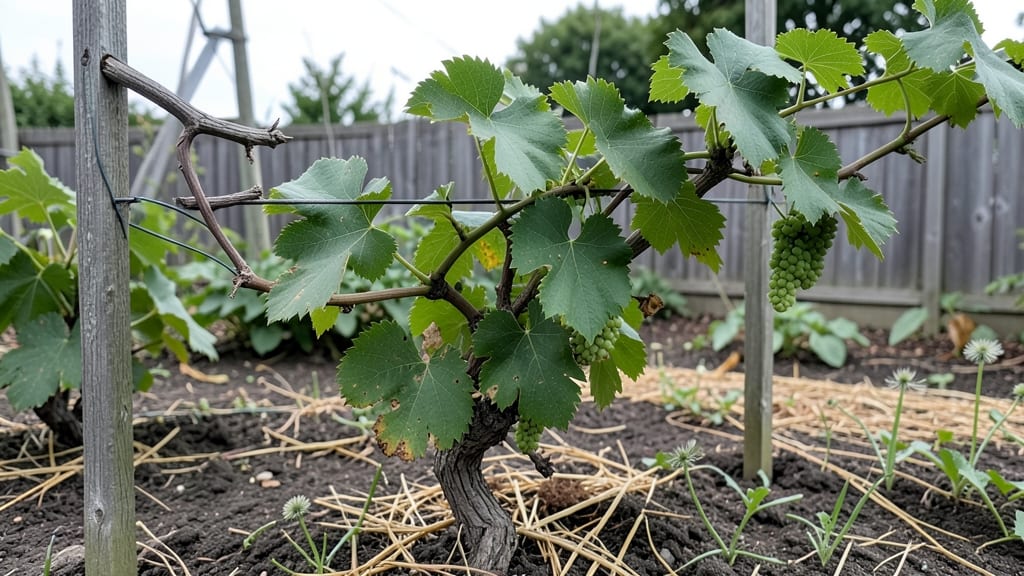
Growing a grape vine tree in the Pacific Northwest means you’ll have lush canopies and sweet fruit year after year—but only if you prune like a pro.
I learned the hard way that skipping winter cuts leads to tangled vines and tiny berries, but mastering the right technique transforms your yard into a productive, picturesque focal point.
The secret isn’t complicated: focus on three key cuts—removing dead wood, thinning crowded canes, and shaping for airflow. My favorite PNW varieties, like ‘Chardonnay’ and ‘Concord,’ thrive with this method, producing clusters so heavy they bend the trellis by August.
You’ll need sharp pruners, a sturdy trellis, and a clear day to work—no rushing!
By spring, you’ll see new shoots bursting with energy, and those summer clusters will swell into plump, flavorful grapes. The best part? Proper pruning extends vine life for decades, turning your grape tree into a self-sustaining fruit machine that outshines store-bought berries every time.
Whether you’re dealing with wet winters or hot summers, these techniques adapt—just adjust timing slightly for your microclimate. Let’s get those vines growing strong!
📚 In This Guide
- What you need
- Instructions
- Tips and common mistakes
- Wrapping up and next steps
What you need
- ● Pruning shears: Bypass pruners (sharp, 6–8" blades) for clean cuts on small branches.
- ● Loppers: 18–24" long-handled loppers for thicker branches (½"–1.5" diameter).
- ○ Pruning saw: Bow or folding saw for branches thicker than 1.5" (optional but handy for mature vines).
- ● Disinfectant: 70% isopropyl alcohol or 10% bleach solution (1 part bleach to 9 parts water) to sterilize tools between cuts.
- ● Garden gloves: Heavy-duty, cut-resistant gloves (e.g., Felco or Fiskars brands) to protect hands from thorns and sap.
- ● Twine or zip ties: ¼"–½" wide, for securing temporary supports or training young vines.
- ○ Marking twine or tape: Colored twine or flagging tape to tag branches for removal (optional but helpful for planning).
- ● Organic mulch: 2–3 inches of wood chips, straw, or shredded bark to retain moisture and suppress weeds.
- ● Fertilizer: Balanced 10-10-10 or grapevine-specific fertilizer (e.g., Espoma Grape-Tone) for post-pruning nourishment.
- ● Hose with nozzle: For cleaning tools and rinsing off sap after pruning.
- ● Weather: Prune on a dry, calm day (avoid wind or rain) to prevent disease spread.
- ● Timing: Late winter/early spring (before buds swell) for dormant pruning; summer pruning requires extra caution.
- ● Safety gear: Safety glasses (to shield from flying debris) and long sleeves/pants (for thorn protection).
- ● Vine age: Young vines (1–3 years) need lighter pruning; mature vines may require structural support.
Instructions for pruning grape vines in the Pacific Northwest
Here’s how to maintain vigorous growth and abundant harvests in our rainy, mild climate.
Identify and Remove Winter-Damaged Wood
Start in late winter, just as buds begin to swell but before new growth appears. Inspect each cane—healthy wood is firm, brown, and slightly flexible. Look for blackened, mushy, or hollow canes; these died from winter freeze or fungal rot. Cut these out completely at the base, using clean, sharp pruners. In the PNW’s damp winters, fungal infections like botrytis often hide in dead wood, so removal prevents summer outbreaks.
Pay special attention to the vine’s center. If you see crowded, crossing canes or those rubbing against each other, mark them for removal. These wounds invite disease and weaken the vine’s energy flow. I always prune on a dry day—wet wood splinters and leaves ragged cuts that heal poorly.
Prune for Light Penetration and Airflow
Grapevines need sunlight on all fruiting canes to produce quality fruit. Step back and visualize the vine as a 30-degree cone with the trunk at the apex. Remove any canes growing inward or upward—these block light and airflow. Aim to leave canes spaced 8-12 inches apart along the trellis or cordon wires, fanning outward like fingers on a hand.
For established vines, retain 4-6 mature canes (those thicker than a pencil) and 2-4 one-year-old replacement canes. Thin out the rest, cutting back to the trunk or a strong outward-facing bud. In the PNW’s dense foliage, this step is critical—poor airflow leads to powdery mildew, which thrives in our humid summers.
Shape for Pacific Northwest Growing Conditions
Adjust pruning based on your vine’s training system. For high-cordon vines (common in PNW home gardens), keep the permanent arms 3-4 feet above ground and prune fruiting canes to 12-18 buds per cane. In our mild winters, canes often survive with more buds than in colder climates—don’t over-prune.
For fan-trained vines, space fruiting canes evenly along the horizontal arms. Cut back last year’s fruiting canes to 2-4 buds to encourage new growth. I always leave a 1-inch stub above the cut—this prevents water from pooling on the wound and reduces disease risk.
Post-Pruning Care for Pacific Northwest Vines
After pruning, apply a copper fungicide spray (like Bordeaux mixture) to protect fresh cuts. The PNW’s wet springs create the perfect conditions for fungal infections, so prevention is key. Water deeply at the base—avoid overhead sprinkling, which spreads disease spores. Mulch with 3-4 inches of wood chips to retain moisture and suppress weeds, but keep mulch 6 inches away from the trunk to prevent rot.
Fertilize lightly in early spring with a balanced 10-10-10 formula, focusing on the vine’s root zone. In the PNW, we often skip heavy nitrogen—too much leafy growth at the expense of fruit is a common mistake. Instead, aim for 1/2 pound of nitrogen per 100 square feet of vineyard area.
Summer Pruning for Fruit Quality and Disease Control
During the growing season, remove suckers (vigorous shoots growing from the trunk or between canes) and water sprouts (vertical growth from the cordon). These compete with fruit production for energy. Thin clusters to 1/2 to 3/4 inch apart when they’re pea-sized—this improves air circulation and fruit size.
In the PNW’s damp summers, watch for powdery mildew on leaves. Prune out infected leaves immediately and apply a neem oil or sulfur spray as a preventative. I also remove any shaded leaves growing inward—they’re more prone to disease and don’t contribute to photosynthesis.
Tips & tricks for pruning grape vines in the Pacific Northwest
These expert strategies will help you maintain healthy, productive grape vines that thrive in our unique climate.
Timing is Everything: The late winter timing in Step 1 is crucial because it allows the vine to heal before new growth begins. If you prune too early, the cuts may not heal properly before sap starts flowing. I've learned that waiting until buds just begin to swell ensures the vine is ready for pruning without stressing it too soon. In the PNW's mild winters, this window can be brief, so don't delay once you see those first signs of spring.
Visual Pruning Cues: When shaping your vine in Step 3, think of it as creating an open, airy structure. For high-cordon vines, imagine a 30-degree cone shape—this ensures sunlight reaches all fruiting canes. I always step back and visualize the vine as a hand with fingers spreading outward. This open structure is particularly important in our dense, humid summers when airflow prevents fungal diseases like powdery mildew from taking hold.
Disease Prevention: The 1-inch stub recommendation in Step 3 isn't just about appearance—it's a critical disease prevention measure. Water pooling on flat cuts creates perfect conditions for fungal infections. I've seen botrytis spread rapidly in vines where this simple step was skipped. Also, remember that copper fungicide application in Step 4 is your first line of defense against the fungal spores that thrive in our wet springs.
Summer Maintenance: Don't let summer pruning in Step 5 become an afterthought. Regular removal of suckers and water sprouts prevents them from sapping energy from your fruit production. I schedule a quick inspection every two weeks during summer to catch these growths early. The pea-sized cluster thinning is also key—it might seem counterintuitive to remove some fruit, but it actually results in larger, higher-quality grapes that ripen more evenly.
Pro Tips for Grape Vine Tree
- These expert strategies will help you maintain healthy, productive grape vines that thrive in our unique climate.
- Timing is Everything: The late winter timing in Step 1 is crucial because it allows the vine to heal before new growth begins.
- Visual Pruning Cues: When shaping your vine in Step 3, think of it as creating an open, airy structure.
Frequently asked questions
Got questions about keeping your grape vine tree thriving in the Pacific Northwest? Here are some of the most common concerns—plus straightforward answers to help you prune like a pro!
When is the best time to prune grape vines in the PNW?
The ideal time is late winter or early spring (February–March), just before buds swell but before new growth starts. This timing promotes strong spring growth and prevents winter dieback. Avoid pruning in fall—it can leave wounds vulnerable to disease in wet PNW winters.
Can I prune grape vines in winter if it’s too cold?
Yes, but only if temperatures are above freezing (32°F/0°C). Pruning in icy conditions can stress the plant and invite pests. If you must prune in winter, do it on a mild day (40°F+ / 4°C+) and sterilize tools with rubbing alcohol to prevent fungal spread.
How do I know if I’m pruning too much or too little?
A general rule: Retain 10–15 buds per vine for balanced growth. If you leave too few (<5 buds), the vine may struggle to fruit. Too many (>20 buds) can lead to overcrowding and poor air circulation. Look for healthy, outward-facing buds—these will produce the best fruit.
What should I do if my grape vine isn’t producing fruit?
Common culprits include over-pruning, poor sunlight, or nutrient deficiencies. Start by ensuring 6+ hours of direct sun daily. Test soil pH (ideal: 6.0–6.5) and amend with compost. If vines are too young (<3 years), be patient—they need time to establish.
How do I protect grape vines from PNW’s rainy season?
Fungal diseases (like powdery mildew) thrive in damp conditions. Space vines 6–8 feet apart for airflow, and prune to remove dense foliage. Apply a copper fungicide in early spring, and mulch with straw (not wood chips) to keep roots dry. Avoid overhead watering!
Pro Tip:
Mark pruning cuts with white paint (diluted latex) to track annual growth. This helps you identify last year’s wood (which should be removed) versus current season’s growth (keep it!). A simple trick for consistent results!
Wrapping up and next steps
Mastering the art of pruning your grape vine tree in the Pacific Northwest isn’t just about maintaining a beautiful landscape—it’s about unlocking year-round growth and bountiful harvests! 🌿 With the right tools, timing, and techniques, you’ll ensure your vine thrives for seasons to come.
Whether you’re a seasoned gardener or just starting, every trim brings you closer to a healthier, more productive plant.
Ready to take your grape vine tree to the next level? Start small—pick one pruning session this season and observe the changes. Over time, you’ll build confidence, and before you know it, your vine will be a lush, thriving centerpiece of your garden. Happy pruning! ✂️🍇