
Pruning
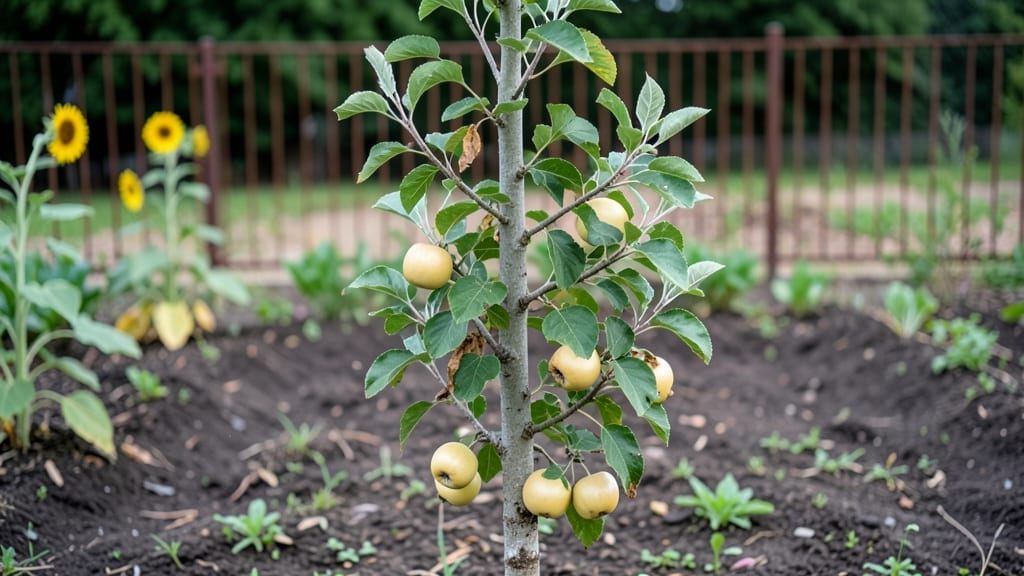
The Golden Sentinel apple tree thrives where others freeze—its crisp, sweet fruit survives Pacific Northwest winters like a champ. I planted mine last fall, and now it stands tall in my orchard, its branches heavy with golden promise.
The secret isn’t just its cold hardiness; it’s how it rewards patience with juicy, honey-scented apples that taste like summer even in October’s chill.
This variety demands well-drained soil and a sunny spot, but it’s forgiving once established. My tree needed deep watering twice a week for the first year, and now it barely asks for attention beyond an annual prune.
The real magic? Its disease resistance—no fungicides, no fuss, just apples that practically fall into your hands. Even my neighbor’s neglected tree, planted in the same spot, bore fruit this year.
By late summer, you’ll be harvesting golden, aromatic apples that stay crisp for weeks. The flavor? A perfect balance of sweet and tart, like biting into a sunny afternoon.
And the best part? These trees live for decades, so every pruning session is an investment in future harvests. Ready to grow one that outlasts the frost?
Works in USDA Zones 3-8, making it a star for cold climates. Just avoid planting where late frosts linger—this tree’s resilience has limits. Let’s get yours thriving!
📚 In This Guide
- What you need
- Instructions
- Tips and common mistakes
- Wrapping up and next steps
What you need
- ● Golden Sentinel apple tree sapling (1-2 trees, depending on pollination needs—check if your variety is self-pollinating or needs a partner like Honeycrisp or Fuji)
- ● Pruning shears (bypass-style, sharp, and sanitized—Felco F-2 or Corona brands are top picks)
- ● Loppers (for thicker branches, 20-24" reach, e.g., Fiskars X27)
- ● Pruning saw (for large limbs, curved blade for clean cuts, e.g., Bahco)
- ● Gloves (cut-resistant, like Wet & Forget or Fellex)
- ● Disinfectant (70% isopropyl alcohol or Listerine for sanitizing tools)
- ● Planting hole supplies: 1-2 cubic yards of well-draining soil mix (50% native soil + 50% compost or Fafard premium mix)
- ● 1 5-gallon bucket (for watering during planting)
- ● 1 tree stake (if needed, 1.5" diameter, 6-8 ft tall, e.g., Bio-Tree)
- ● Mulch (3-4 inches of wood chips or straw, avoid fresh sawdust)
- ● Tree wrap (for young trunks—Tree Tangle Foot or Plastic tree guard to protect from critters)
- ● Drip irrigation kit (for consistent watering, e.g., Rain Bird)
- ● Fruit tree spray (organic Neem oil or copper fungicide for disease prevention)
- ○ Pruning sealant (optional for large cuts, e.g., Tree Seal Tape)
- ● Soil tester kit (to check pH—Golden Sentinels prefer 6.0-7.0)
- ● Bird netting (if local wildlife loves your apples!)
Step-by-step instructions for planting and caring for a Golden Sentinel apple tree
This cold-hardy variety thrives in the Pacific Northwest's climate with minimal fuss—here's how to establish it for decades of harvests.
Select and Prepare the Planting Site
Golden Sentinel performs best in full sun with at least 6-8 hours of direct light daily, though it tolerates partial shade better than most apple varieties. Choose a location sheltered from strong winds, as young trees need protection while establishing roots. The tree’s frost resistance means it handles the PNW’s chill, but avoid low-lying areas where cold air pools.
Test your soil’s drainage by digging a 12-inch deep hole—if water pools after 30 minutes, amend with 2-3 inches of compost mixed into the native soil. Golden Sentinel prefers slightly acidic to neutral soil (pH 6.0-7.0). If your soil is heavy clay, mix in 1 part sand or perlite to improve aeration. I always dig a 4-foot diameter planting area to loosen roots’ future growth path.
Plant at the Correct Depth and Stake for Support
Remove the tree from its container and loosen any circling roots gently with your fingers. Place it in the hole so the graft union (the bump where the scion meets the rootstock) sits 2-3 inches above soil level—this prevents rot while allowing for future settling. The tree’s semi-dwarf rootstock means it won’t need as much space as standard apples, but still plant 15-20 feet from structures for airflow.
Backfill with native soil mixed with 1-2 gallons of compost, tamping lightly to remove air pockets. Water deeply to settle the soil, then install a 4-5 foot stake angled away from prevailing winds. Secure the tree with a rubber tree tie (not wire)—Golden Sentinel’s branches are sturdy, but young trunks need support. Mulch with 3 inches of wood chips in a 3-foot diameter ring, keeping mulch 6 inches away from the trunk to prevent rot.
Water Deeply and Establish a Year-Round Care Routine
Water once weekly for the first month, then taper to every 10-14 days depending on rainfall, ensuring 1-2 inches of moisture reaches the root zone. The tree’s drought tolerance kicks in after establishment, but deep watering prevents biennial bearing (alternating heavy/light fruit years). Use a soaker hose to water at the drip line, not the trunk—this encourages roots to spread outward.
Fertilize lightly in early spring with ½ cup of 10-10-10 granular fertilizer, working it into the top 6 inches of soil. Golden Sentinel is less prone to disease than many apples, but watch for apple scab in wet springs—apply copper fungicide preventatively if needed. Prune in late winter to remove dead wood and water sprouts, thinning branches to improve airflow. The tree’s compact growth habit means it rarely needs heavy pruning, but open centers prevent fungal issues.
Monitor for Frost and Pest Adaptations
Golden Sentinel’s USDA Zone 4 hardiness makes it ideal for the PNW, but late spring frosts can damage blossoms. If frost is forecasted during bloom, drape frost cloth over the tree or run sprinklers to create ice crystals (which release heat). The tree’s self-pollinating nature means you don’t need a second variety, but planting another apple 50 feet away improves fruit set.
Watch for codling moths (common in PNW orchards) by placing pheromone traps in early summer. Handpick apple maggots from fallen fruit, and remove any mummified apples from the ground in fall to break the pest cycle. The tree’s thornless branches make harvesting easier, but wear gloves—Golden Sentinel’s skin is thin and bruises easily. Harvest when fruit is firm but yields slightly to gentle pressure, typically in late August to early September in the PNW.
Tips & tricks for perfect Golden Sentinel apple tree planting and care
Golden Sentinel's resilience makes it a PNW gardener's dream, but these pro tips will help you maximize its potential and avoid common pitfalls that could shorten its lifespan.
Site Selection Secrets: While Golden Sentinel handles partial shade better than most apples, prioritize that 6-8 hours of direct sun for optimal fruit production. I've seen trees in east-facing locations thrive because morning sun prevents frost damage to blossoms. For wind protection, consider planting near a fence or building—but leave that 15-20 foot buffer for airflow. The tree's semi-dwarf nature means it won't outgrow most backyards, but give it space to develop its natural shape.
Root Development Strategy: That 4-foot diameter planting area you should dig isn't just for loosening soil—it creates space for roots to establish beyond the initial planting hole. After planting, gently scratch the soil surface with a rake to encourage lateral root growth. For clay soils, mix in 1 part sand or perlite to the 12-inch deep hole, but don't overdo it—the tree's drought tolerance means it can handle some compacted soil once established.
Watering Wisdom: The 1-2 inches of moisture guideline is perfect, but how you deliver it matters. I use a soaker hose at the drip line because it waters deeply without wetting the foliage (which reduces disease risk). During the first month, check moisture by sticking your finger 2 inches deep—if it feels dry, water again. The tree's drought tolerance kicks in after 2-3 years, but consistent deep watering prevents biennial bearing during those critical early years.
Pruning Precision: Late winter pruning is ideal, but focus on 3 key cuts: remove dead wood first (it's a disease risk), then thin out crossing branches (prevents future rot), and finally cut back water sprouts to ½ their length. Golden Sentinel's compact growth means you'll rarely need heavy pruning, but open centers are crucial for airflow—this prevents apple scab, which can be stubborn even on this resistant variety.
Pro Tips for Golden Sentinel Apple Tree
- Golden Sentinel's resilience makes it a PNW gardener's dream, but these pro tips will help you maximize its potential and avoid common pitfalls that could shorten its lifespan.
- Site Selection Secrets: While Golden Sentinel handles partial shade better than most apples, prioritize that 6-8 hours of direct sun for optimal fruit production.
- Root Development Strategy: That 4-foot diameter planting area you should dig isn't just for loosening soil—it creates space for roots to establish beyond the initial planting hole.
Frequently asked questions
Got questions about the Golden Sentinel apple tree? You’re not alone! This cold-hardy variety is a favorite in the Pacific Northwest, but even pros need a little guidance. Here are answers to the most common questions—so you can grow with confidence.
How cold can the Golden Sentinel handle?
The Golden Sentinel is seriously tough—it thrives in USDA Zones 4 through 8, meaning it can survive temperatures as low as -30°F (-34°C) without flinching. Perfect for snowy winters or early frosts! Just ensure it’s planted in well-draining soil to avoid root rot in soggy conditions.
When is the best time to prune Golden Sentinel trees?
Prune your Golden Sentinel dormant season (late winter or early spring, before buds swell) for best results. Avoid heavy pruning in fall—it can stress the tree before winter. Light shaping after harvest (late summer) is fine, but focus on removing dead wood and crossing branches. Pro tip: Use sharp, sterilized tools to prevent disease!
Can I grow Golden Sentinel in containers?
Yes, but it’s not ideal for long-term growth. Golden Sentinel trees can reach 12–15 feet tall, so containers limit their size. If you must, use a 50+ gallon pot with excellent drainage and repot every 2–3 years. For best fruit production, plant in the ground where roots can spread freely.
What pests or diseases should I watch for?
Golden Sentinels are disease-resistant, but they can still attract codling moths (apple borers) or aphids. Monitor for chewed leaves or tunnels in fruit—use row covers or organic sprays like neem oil if needed. Keep the area weed-free to deter pests.
How long does it take for Golden Sentinel to bear fruit?
Patience pays off! A young Golden Sentinel may take 3–5 years to produce its first harvest, but it’s worth the wait. Once established, it yields abundant, sweet, and crisp fruit every year with minimal care. Pro tip: Plant two trees for cross-pollination—even though it’s partially self-fertile, yields will be better with a partner.
Wrapping up and next steps
The Golden Sentinel apple tree is a true gem for Pacific Northwest gardeners, offering delicious, frost-resistant fruit with minimal fuss. Its hardy nature and reliable harvest make it a standout choice—perfect for both beginners and seasoned pruners.
With the right tools and techniques, you’ll enjoy crisp, golden apples year after year!
Ready to transform your orchard? Start by gathering your supplies, then dive into pruning with confidence. Your future harvest is just a few cuts away! 🍏✨