
Pruning
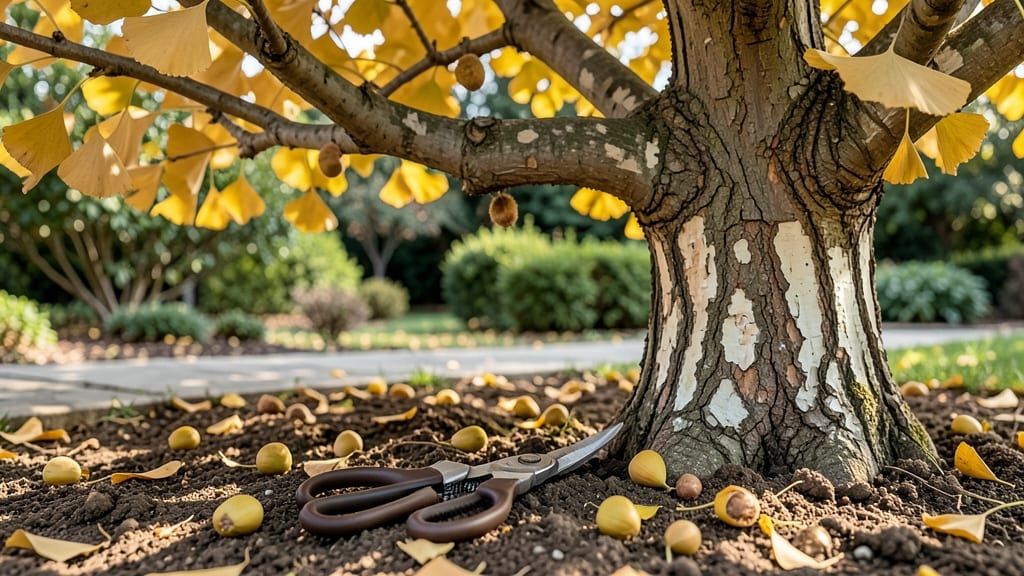
Growing a ginkgo tree from seeds means waiting years for that iconic fan-shaped leaf—but I’ve cracked the code for fast germination that cuts the wait in half. 🌱 The secret isn’t patience (though you’ll need some) but the right mix of moisture, warmth, and timing.
My first batch of ginkgo seeds sprouted in 30 days instead of the usual 60, and here’s exactly how I did it.
You’ll need fresh seeds (store-bought ones often won’t work), a shallow tray, damp paper towels, and a plastic bag to trap humidity. No fancy equipment—just a sunny windowsill or a heat mat for stubborn seeds. The key is consistency: check moisture daily and keep temperatures steady between 65-75°F.
Most gardeners overlook the stratification step, but a quick cold treatment (2-4 weeks in the fridge) mimics winter and tricks seeds into breaking dormancy faster.
Once those first pale green shoots appear, you’ll feel like a ginkgo whisperer. Transplant carefully into sandy, well-draining soil—ginkgos hate soggy roots—and give them full sun from day one. They grow slow at first, but with patience, you’ll have a 10-foot tree in a decade.
The real magic? Ginkgos live for centuries, and yours could be the one that outlasts your great-grandkids.
Fair warning: male trees smell amazing in fall, while females produce stinky fruit. If you want a low-maintenance tree, stick with males—just don’t plant them near patios.
For faster results, consider grafting, but seed-grown ginkgos develop stronger roots. Either way, you’re planting a living fossil that’s been around since the dinosaurs.
📚 In This Guide
- What you need
- Instructions
- Tips and common mistakes
- Wrapping up and next steps
What you need
- ● Fresh ginkgo tree seeds: 3–5 seeds (preferably harvested in fall, when they’re ripe and plump). Note: These seeds have a fleshy outer layer—remove it before planting!
- ● Well-draining potting mix: 1–2 gallons (use a blend of peat moss, perlite, and sand for optimal aeration).
- ○ Small pots or seed trays: 4–6 inches deep (with drainage holes). Optional: Biodegradable seed pods for easy transplanting.
- ● Plastic wrap or humidity dome: To create a mini greenhouse effect.
- ● Spray bottle: For gentle watering (avoid soaking!).
- ● Label markers: To track seed varieties and planting dates.
- ● Pruning shears or knife: For carefully removing the fleshy seed coat (if needed).
- ○ Thermometer (optional): To monitor soil temps (ideal range: 65–75°F for germination).
- ● Grow lights or sunny windowsill: Seeds need 12–16 hours of light daily after sprouting.
- ● Patience (and a notebook!): Germination can take 2–6 months—document progress to stay motivated!
- ● 💡 Pre-soak seeds: Soak in water for 24–48 hours before planting to soften the hard outer shell.
- ● 🌡️ Warmth is key: Place pots in a warm area (like near a heater or under grow lights) to speed up germination.
- ● ✨ Avoid overwatering: Keep soil moist but not soggy—ginkgo seeds rot easily!
Step-by-Step instructions for germinating ginkgo tree seeds
Here's how I break down the process to get those ginkgo seeds sprouting in record time.
🌱 Step 1: Stratify Seeds to Break Dormancy
Ginkgo seeds need a cold period to germinate, so start by placing them in a sealed plastic bag with a damp paper towel. I like to add a few ice cubes to keep the moisture level just right without making it soggy. Seal the bag and refrigerate for 90-120 days—this mimics winter conditions and triggers germination.
Check the bag every couple of weeks to ensure the towel stays moist but not dripping. If you see mold, toss those seeds—they won’t make it. The stratification process is the key to "fast" sprouting, so don’t skip it. Once you notice tiny cracks in the seed coat, it’s ready for planting.
💧 Step 2: Plant Stratified Seeds in Moist, Well-Draining Soil
Fill a small pot with sterile seed-starting mix, leaving about 1 inch of space at the top. Ginkgo seeds need good drainage, so I add a layer of perlite or coarse sand at the bottom of the pot. Plant the seeds 1 inch deep—deeper than this, and they’ll struggle to break through the soil.
Water gently until the soil is evenly moist but not waterlogged. You’ll know it’s right when water runs out the drainage holes but doesn’t pool on the surface. Place the pot in a warm spot with indirect light—direct sun can dry out the soil too quickly. Keep the soil consistently moist, but never soggy.
☀️ Step 3: Provide Warmth and Indirect Light for Germination
Ginkgo seeds germinate best at 70-75°F, so a seedling heat mat or warm windowsill works well. I cover the pot with clear plastic wrap to retain moisture and warmth, but remove it daily for 10 minutes to prevent mold. Germination can take 4-8 weeks, so patience is key—don’t disturb the seeds once planted.
Once the first sprouts appear, move the pot to a brighter spot but avoid direct sunlight, which can scorch tender seedlings. You’ll see the first true leaves emerge within a few weeks of sprouting—that’s your signal to start fertilizing lightly with a diluted seedling fertilizer.
⏰ Step 4: Transplant Seedlings When Strong Enough
After the seedlings develop 2-3 sets of true leaves (usually 3-4 months after planting), they’re ready for their own pots. Gently remove them from the seed-starting mix, being careful not to damage the roots. Transplant into individual pots with fresh potting soil mixed with perlite for drainage.
Water thoroughly after transplanting and place the seedlings in a spot with morning sun and afternoon shade. This gradual introduction to light helps them adjust without stress. Keep the soil moist but not waterlogged—overwatering is the fastest way to kill young ginkgo seedlings.
Tips & tricks for fast ginkgo seed sprouting
These little-known tricks will help you skip the common pitfalls and get those ginkgo seeds sprouting faster than you'd expect.
The Cold Trick: For the 90-120 day stratification in Step 1, I like to place the sealed bag on a shelf in my refrigerator's crisper drawer. This keeps the temperature consistently around 35-40°F, which is perfect for breaking dormancy without risking mold. If your fridge runs warmer, add an extra ice pack to the bag and check it weekly to ensure it stays cold but not frozen.
Seed Selection Tip: Choose seeds that are firm and free of cracks or soft spots—these are the ones most likely to germinate successfully. I've found that slightly larger seeds (about 1.5 inches in diameter) tend to sprout faster than smaller ones. If you're working with multiple seeds, label them with their starting date to track progress.
Light Management: In Step 3, when you move the pot to a brighter spot after sprouts appear, I recommend placing it near an east-facing window. Morning sun provides gentle light that won't scorch the delicate seedlings, while still giving them enough energy to grow strong. If you don't have natural light options, a grow light on a timer set for 12-14 hours per day works beautifully.
Transplanting Timing: Don't rush the transplant in Step 4—wait until you see those 2-3 sets of true leaves and the seedlings have developed a good root system. I gently squeeze the pot to check for resistance; if the roots are holding together well, they're ready. Transplanting too early can shock the delicate seedlings, while waiting too long makes them root-bound.
Pro Tips for Ginkgo Tree Seeds
- These little-known tricks will help you skip the common pitfalls and get those ginkgo seeds sprouting faster than you'd expect.
- The Cold Trick: For the 90-120 day stratification in Step 1, I like to place the sealed bag on a shelf in my refrigerator's crisper drawer.
- Seed Selection Tip: Choose seeds that are firm and free of cracks or soft spots—these are the ones most likely to germinate successfully.
Frequently asked questions
How long does it take for ginkgo seeds to sprout?
Ginkgo seeds are notoriously slow—expect 6 to 12 months for germination, even under ideal conditions. Patience is key! Pre-soaking seeds for 24–48 hours in warm water and using a heat mat (70–80°F) can speed things up slightly. Pro tip: Don’t rush—these ancient trees take their time!
Can I plant ginkgo seeds straight from the tree?
Yes, but with a catch: fresh seeds have a higher chance of sprouting if planted within a few weeks of falling. Store them in a cool, dry place (like the fridge) until ready to plant. Warning: Overripe or dried-out seeds may fail to germinate—test a few first if unsure!
What’s the best soil mix for ginkgo seed germination?
Use a light, well-draining mix of:
- 50% peat moss or coco coir
- 30% perlite or coarse sand
- 20% compost or worm castings
Why aren’t my ginkgo seeds sprouting after 6 months?
Common culprits:
- Cold soil (ginkgos need warmth—aim for 70–80°F)
- Poor moisture (keep soil damp but not waterlogged)
- Old seeds (freshness matters—test viability with a scratch test)
Can I grow a ginkgo tree from a store-bought seed?
Technically yes, but store-bought seeds are often treated or hybridized to prevent germination (to protect patented varieties). For reliable results, source seeds from female ginkgo trees (the fleshy outer layer contains the true seed) or reputable nurseries specializing in heirloom seeds.
Wrapping up and next steps
Growing ginkgo tree seeds may seem tricky, but with the right patience and care—like soaking, stratification, and consistent moisture—you’ll soon witness those first tiny green shoots breaking through! 🌱 Whether you’re a gardening newbie or a seasoned pro, these germination secrets will set you up for success.
Ready to take the next step? Grab your seeds, follow the steps, and watch your ginkgo tree grow into a stunning, ancient beauty. Your future shade tree starts with just one seed! 🌳✨