
Trees
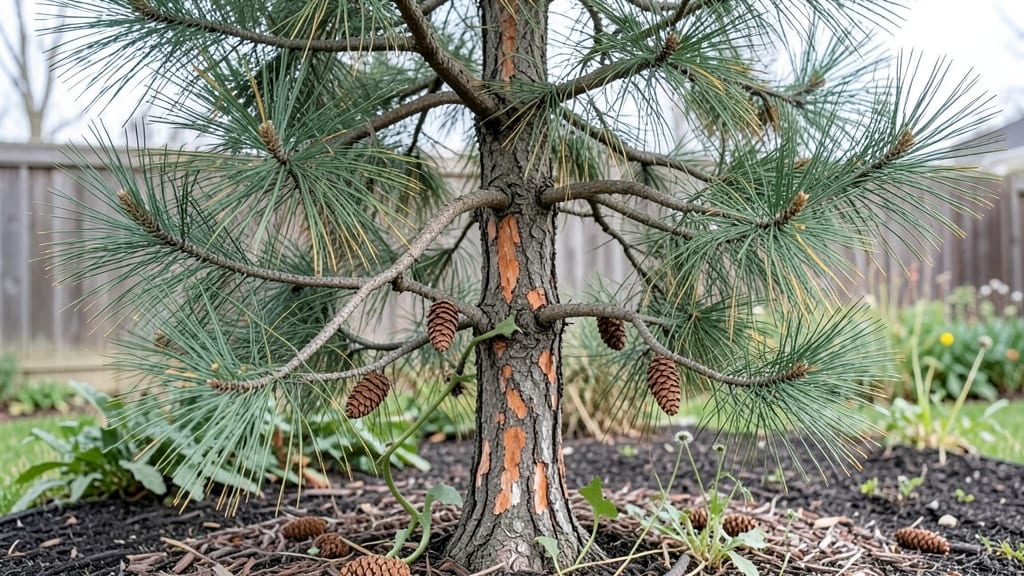
Transform your Pacific Northwest garden pine trees into a lush, four-season retreat that welcomes wildlife while standing strong against frost—here’s how I finally cracked the code. 🌲 I’ve learned the hard way that not all pines thrive in our damp winters—until I found the... right species for our climate.
The key is choosing varieties like the Western White Pine or Noble Fir, which handle our wet, chilly seasons like pros.
You’ll need well-draining soil (mix in sand if yours is heavy clay), a spot with at least 6 hours of sun, and plenty of space—these trees aren’t shrinking violets.
The first year is critical: water deeply once a week unless we’re in a drought, and mulch heavily to protect roots from freezing. Once established, they’re basically low-maintenance giants.
Within a decade, you’ll have a towering evergreen that blocks wind, shelters birds, and smells like a Christmas morning. The needles stay vibrant even after snowfall, and the roots prevent erosion better than any ground cover. Prune only to shape young trees—mature pines handle themselves beautifully.
Works for urban lots, rural properties, or even large containers (for dwarf varieties). The only real mistake? Waiting too long to plant. Start small, and you’ll have a living legacy before you know it.
📚 In This Guide
- What you need
- Instructions
- Tips and common mistakes
- Wrapping up and next steps
What you need
- ● Pacific Northwest-native pine trees: Choose frost-resistant varieties like Pinus contorta (Lodgepole Pine), Pinus monticola (Western White Pine), or Pinus ponderosa (Ponderosa Pine). Quantity: 1–5+ trees, depending on your design.
- ● High-quality potting soil or native soil mix: Quantity: 2–3 cubic yards (for 3+ trees). Opt for a blend with good drainage (e.g., 60% topsoil, 30% compost, 10% perlite/sand).
- ● Organic mulch (pine bark or wood chips): Quantity: 2–4 bags (3 cubic feet each) to retain moisture and suppress weeds.
- ● Slow-release fertilizer (10-10-10 or 12-12-12): Quantity: 1–2 bags (20–40 lbs) to support early growth.
- ○ Tree stakes (optional but recommended for young trees): Quantity: 2–4 stakes per tree (1.5–2 inches in diameter, 6 feet tall).
- ● Shovel or spade: For digging planting holes (12–18 inches wide and deep).
- ● Garden gloves: Heavy-duty to protect your hands.
- ● Wheelbarrow or bucket: For mixing soil and transporting materials.
- ● Pruning shears: To trim dead branches or shape young trees.
- ● Watering can or hose with a gentle spray nozzle: For post-planting hydration.
- ● Measuring tape: To ensure proper spacing (6–10 feet between trees for mature growth).
- ● Tree guards: Protect young trunks from rodents or deer.
- ● Epsom salt (magnesium sulfate): Boosts green foliage (1 tbsp per tree annually).
- ● Drip irrigation system: Automates watering for consistent moisture.
- ● Native companion plants: Pair with rhododendrons or ferns for a PNW-friendly understory.
Instructions for planting frost-resistant pine trees in the Pacific Northwest
Here’s my go-to method for establishing healthy, resilient pine trees that thrive in the PNW’s mild but damp winters.
🌱 Step 1: Choose the Right Species and Site
For the Pacific Northwest, I recommend Pinus contorta (lodgepole pine) or Pinus monticola (western white pine) due to their natural cold tolerance and adaptability to the region’s wet climate. Avoid planting in low-lying areas where cold air pools—pines hate soggy roots. Instead, pick a spot with well-draining soil and partial shade to full sun (at least 6 hours of direct light daily).
Dig a hole twice as wide as the root ball but no deeper—this prevents root suffocation. Loosen the sides of the hole with a shovel to encourage root spread. I always test drainage by filling the hole with water; if it doesn’t drain within 15-20 minutes, amend the soil with sand or compost to improve aeration.
🪴 Step 2: Prepare the Tree and Plant
Remove the pine tree from its container and gently tease the roots apart if they’re circling—this prevents girdling as the tree matures. Place the root ball in the hole so the top sits 1-2 inches above ground level (pines hate having their base buried). Backfill with the native soil, tamping lightly every 6 inches to eliminate air pockets.
Create a watering basin by mounding soil around the edges—this directs moisture straight to the roots. Water deeply until the soil 12 inches down feels uniformly damp. Mulch with 3-4 inches of wood chips, keeping it 6 inches away from the trunk to prevent rot. This mimics the forest floor’s natural moisture retention.
☀️ Step 3: Water and Fertilize for First-Year Establishment
Water once weekly during the first growing season, delivering 10-15 gallons per tree to saturate the root zone. Check moisture by sticking your finger 2 inches deep—if it’s dry, water again. Overwatering is the biggest killer of young pines; they prefer consistently moist but not soggy soil. In the PNW’s rainy winters, reduce watering to every 2-3 weeks unless the ground is bone-dry.
Wait 3 months before fertilizing—young pines need time to establish roots. Then, apply a slow-release, acid-loving fertilizer (like one formulated for evergreens) in early spring. Follow the label’s rate, but halve it for the first application. Pines are sensitive to excess nitrogen, which makes them prone to fungal diseases.
✂️ Step 4: Prune and Protect for Long-Term Health
Prune only to remove dead, broken, or crossing branches in late winter or early spring. Use clean, sharp pruners to make cuts just outside the branch collar. Never remove more than 20% of the foliage in one season—pines rely on their needles for photosynthesis. I also inspect for pine needle scale or aphids (common in PNW pines) and treat with neem oil if needed.
In the first 2-3 years, protect young pines from deer and rabbits with a tree guard (a wire mesh wrapped around the trunk). These pests love tender new growth. Stake only if the tree leans more than 30 degrees—otherwise, let it find its own balance. The PNW’s mild winters mean frost isn’t usually a concern, but a light burlap wrap can shield the trunk from sun scald if you’re in a windy area.
Tips & tricks for planting frost-resistant pine trees
These essential tips will help you establish thriving pine trees that withstand the Pacific Northwest's unique climate challenges.
Species Selection: Lodgepole pine (Pinus contorta) handles cold snaps better than many pines, while western white pine (Pinus monticola) offers better drought resistance. If your site gets afternoon sun, lodgepole is ideal—its needles are more tolerant of drying winds. For shadier spots, western white pine thrives with less light. I've found that even within species, nursery-grown trees from higher elevations (like those from the Cascade foothills) adapt better to PNW winters.
Soil Preparation: The 15-20 minute drainage test in Step 1 is critical—pines will die if their roots sit in water. If your soil drains too slowly, mix in equal parts sand and compost to create a well-aerated root zone. I've had success with a 50/50 blend of native soil and coarse sand for particularly heavy clay areas. For container-grown trees, gently break up any compacted soil around the root ball before planting to encourage outward root growth.
Watering Strategy: The once-weekly watering schedule works best when you deliver the full 10-15 gallons at once rather than multiple smaller waterings. This encourages deep root growth rather than shallow, weak roots. In the PNW's rainy climate, I recommend installing a simple drip irrigation system near the base—set it to deliver 5 gallons every 2-3 weeks during winter to supplement natural rainfall without overwatering.
Long-Term Protection: For deer-prone areas, I've had great success with commercial tree guards made from galvanized wire mesh (about 3 feet tall). These not only deter deer but also protect against rabbits and voles. If you're planting multiple trees, consider installing a temporary 4-foot tall fence around the perimeter for the first year—it's more effective than individual guards for larger plantings.
Pro Tips for Garden Pine Trees
- These essential tips will help you establish thriving pine trees that withstand the Pacific Northwest's unique climate challenges.
- Species Selection: Lodgepole pine (Pinus contorta) handles cold snaps better than many pines, while western white pine (Pinus monticola) offers better drought resistance.
- Soil Preparation: The 15-20 minute drainage test in Step 1 is critical—pines will die if their roots sit in water.
Frequently asked questions
Got questions about growing frost-resistant pine trees in your Pacific Northwest garden? You’re not alone! Here are some of the most common queries—and their answers—to help you plant with confidence.
Which pine trees handle PNW winters best?
The Pinus contorta (lodgepole pine) and Pinus monticola (western white pine) are top picks for the PNW, surviving down to -20°F with ease. For coastal areas, Pinus radiata (Monterey pine) thrives in milder climates. Always check your USDA Hardiness Zone (typically 6–8 for the PNW) before selecting.
When is the best time to plant pine trees in the PNW?
Fall (September–October) is ideal—cooler temps reduce stress, and roots establish before winter. Spring (March–April) works too, but avoid planting in summer heat or freezing winter. Bare-root saplings plant best in dormancy; container-grown trees can go year-round (except winter).
How much space do pine trees need?
Pines vary! Dwarf varieties (like Pinus mugo) need 3–5 feet of space, while mature lodgepole pines spread 20–30 feet. Check the tree’s mature height/width (often listed on tags) and maintain 3–5 feet of clearance from structures, power lines, or other plants to avoid root competition.
What pests should I watch for in PNW pine trees?
The biggest threats are pine beetles (especially in drought years), Diprion sawflies (larvae skeletonize needles), and armillaria root rot. Monitor for brown needles, sawdust-like frass, or fungal growth at the base. Treat with neem oil (early stages) or consult a local arborist for severe infestations.
Can I grow pine trees in containers or small yards?
Yes! Dwarf pines (Pinus sylvestris ‘Beuvronensis’, Pinus thunbergii) thrive in 15–25 gallon pots with well-draining soil. Use a terracotta pot (breathable) and repot every 2–3 years. For tiny yards, opt for multi-stemmed varieties or prune young trees to encourage bushier growth. Just ensure they get 6+ hours of sunlight daily.
Wrapping up and next steps
Adding a garden pine tree to your Pacific Northwest landscape is a fantastic way to enjoy year-round greenery while embracing nature’s resilience. These frost-resistant evergreens not only thrive in cool climates but also bring beauty, shade, and wildlife benefits to your outdoor space.
Whether you’re a seasoned gardener or just starting, now’s the perfect time to plant with confidence—your future garden will thank you!
Next steps:
- 🌱 Pick your pine: Choose a variety that fits your space and style (e.g., Pinus contorta for rugged charm or Pinus strobus for elegant height).
- 📅 Plan your planting: Mark early spring or fall on your calendar for ideal conditions.
- 🛠️ Gather supplies: Check off soil amendments, mulch, and tools from your earlier reading!