
Tools
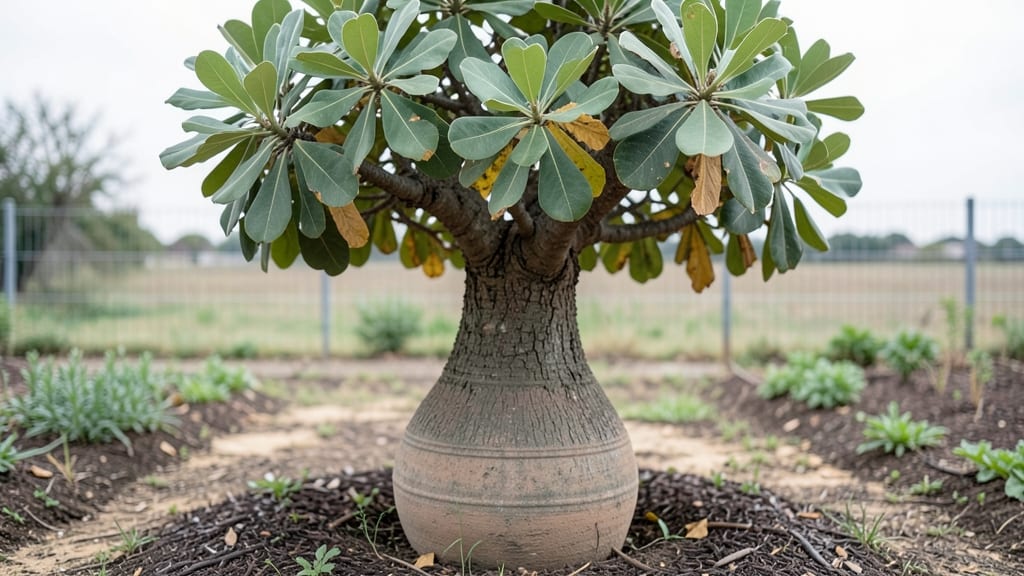
Transforming empty corners into lush vertical gardens starts with a garden bottle tree—a creative way to grow plants where space is tight. I built mine from repurposed glass bottles and driftwood, turning a forgotten patio nook into a thriving green wall that catches sunlight from all angles.
The best part? You don’t need fancy tools or a green thumb—just a little imagination and the right plant choices.
This project works with almost any materials: wine bottles, mason jars, or even plastic containers with holes drilled in the bottom. Pair your bottles with trailing plants like pothos, string of pearls, or sweet potato vines for instant impact.
For a modern look, stick to clear glass and sleek metals; for whimsy, add painted bottles or hanging wind chimes between tiers. The possibilities are endless, and the results? A garden that grows up instead of out.
You’ll end up with a living art piece that saves space, adds texture, and even improves air quality. The vertical design maximizes sunlight exposure, so plants stay healthier than they would in crowded ground beds.
Plus, it’s a conversation starter—neighbors will ask how you did it, and you’ll get to share the secret of turning trash into treasure. Ready to turn your wall into a garden?
Whether you’re working with a balcony, a small yard, or just a sunny windowsill, bottle trees adapt to any space. Start small with a single shelf or go bold with a multi-level installation.
The key is playing with heights, colors, and plant varieties to create visual interest. Once you see how easy it is, you’ll wonder why you didn’t try this sooner.
📚 In This Guide
- What you need
- Instructions
- Tips and common mistakes
- Wrapping up and next steps
What you need
- ● Plastic bottles: 10–20 (1–2-liter size, clean and free of labels)
- ● Drill or sharp knife: For cutting bottle bottoms (safety goggles recommended!)
- ● Strong rope or twine: 10–15 feet (for hanging or securing bottles)
- ● Potting soil: 5–10 gallons (lightweight, well-draining mix)
- ● Small plants: Succulents, herbs, or trailing plants (1–2 per bottle)
- ● Watering can or spray bottle: For gentle hydration
- ● Measuring tape: For precise bottle spacing
- ● Decorative paint or markers: To personalize bottles
- ● Hooks or a wooden frame: For a sturdy hanging structure
- ● Fertilizer (slow-release): To boost plant growth
- ● Mulch or pebbles: For moisture retention
Step-by-Step instructions for building a garden bottle tree
Transform empty bottles into a creative vertical garden that maximizes your small space.
Gather and Prepare Your Bottles
Start by collecting 4 clean plastic bottles (1-liter size works best) with their caps. Remove any labels and give each bottle a thorough rinse with warm water and a drop of mild soap to eliminate any residue. I like to use bottles with wide mouths—they're easier to fill with soil and plant.
Cut each bottle about 3 inches from the base using a sharp utility knife or box cutter. This creates a flat bottom for stability. Place the bottles on a towel and cut the sides in a diagonal pattern from the base up to the neck, creating a series of pockets. The cuts should be about 1 inch apart—this gives your plants room to grow without crowding.
Create the Bottle Tree Structure
Thread a strong twine or jute rope through the neck of the top bottle and tie it securely. This will be the main stem of your bottle tree. Attach the second bottle about 4 inches below the first, then the third 4 inches below that, and finally the fourth at the base. Space them evenly so the tree looks balanced and sturdy.
For extra stability, I recommend securing the bottles to a wooden dowel or sturdy branch that’s 12-18 inches long. This acts as the trunk, giving your tree height and preventing it from toppling. You can also lean the dowel against a fence, wall, or place it in a pot for added support.
Fill and Plant Your Bottles
Fill each bottle pocket with a lightweight potting mix blended with perlite or vermiculite (about 20% by volume) to improve drainage. Avoid garden soil—it’s too heavy and compacts easily. Moisten the mix until it’s damp but not soggy, then gently press it into the pockets to settle.
Plant succulents, herbs, or shallow-rooted flowers like basil, thyme, or petunias. Succulents thrive in this setup because they need minimal water and adapt well to tight spaces. Push the soil around the roots lightly to secure the plant, then water gently until the mix is evenly moist. Avoid overwatering—the bottles drain poorly, so let the soil dry slightly between waterings.
Position and Care for Your Bottle Tree
Place your bottle tree in a location with bright, indirect light—succulents and herbs need 4-6 hours of sunlight daily, but avoid harsh afternoon sun, which can scorch the leaves. If your space is shady, opt for shade-tolerant plants like ferns or impatiens.
Water once a week or when the top inch of soil feels dry. The bottles retain moisture well, so you won’t need to water as often as you would with traditional pots. Fertilize lightly every 4-6 weeks with a balanced liquid fertilizer diluted to half strength. Watch for wilting or yellowing leaves—these are signs your plants need more light or less water.
Maintain and Expand Your Vertical Garden
Prune leggy growth regularly to encourage bushier plants. Pinch back the tips of herbs like basil or thyme to promote fuller growth. If you notice pests like aphids, wipe them off with a damp cloth or spray with neem oil (a natural, plant-safe solution).
To expand your bottle tree, add more bottles or create a second tree with different plants. You can also repurpose bottles of varying sizes for a layered, whimsical look. The best part? This project is endlessly customizable—swap out plants seasonally or experiment with colors and textures for a unique garden feature.
Tips & tricks for perfect garden bottle trees
Here's what nobody tells you about creating a thriving vertical garden with recycled bottles.
Bottle Selection Matters: While the instructions suggest 1-liter bottles, I've found that 1.5-liter bottles work even better for larger plants like basil or petunias. The extra space gives roots more room to establish before they become root-bound. Just make sure the cuts are still about 1 inch apart to maintain proper drainage.
Cutting Safety First: When cutting your bottles in Step 1, I recommend using a cutting mat or cardboard underneath to protect your work surface. The plastic can be slippery, and a sharp knife is more dangerous when it's not stabilized. Also, wear gloves if you're sensitive to plastic—it can be surprisingly rough on your hands during the cutting process.
Soil Mix Secret: The 20% perlite or vermiculite ratio is perfect, but I've learned that adding a handful of coconut coir to the mix helps retain moisture slightly better while still maintaining good drainage. This is especially helpful if you're growing herbs that like consistently moist soil without becoming waterlogged.
Plant Placement Strategy: In Step 3, place your largest plants in the bottom pockets where they'll have more space to grow. The top pockets are great for small succulents or herbs like thyme, which don't need as much room. This vertical layering creates an aesthetically pleasing gradient while ensuring each plant has appropriate growing conditions.
Pro Tips for Garden Bottle Tree
- Here's what nobody tells you about creating a thriving vertical garden with recycled bottles.
- Bottle Selection Matters: While the instructions suggest 1-liter bottles, I've found that 1.5-liter bottles work even better for larger plants like basil or petunias.
- Cutting Safety First: When cutting your bottles in Step 1, I recommend using a cutting mat or cardboard underneath to protect your work surface.
Frequently asked questions
What’s the best type of bottle to use for a garden bottle tree?
Use clean, food-grade plastic bottles (like soda or water bottles) or glass jars with wide mouths. Avoid thin or brittle materials—opt for 1-2 liter bottles for balance. Remove labels and rinse thoroughly to prevent mold. Pro tip: Drill drainage holes in the cap or bottom to avoid root rot!
How long does it take for a garden bottle tree to grow?
Growth speed depends on plant type and care. Fast-growing herbs (like basil or mint) may show results in 2-4 weeks, while leafy greens (spinach, lettuce) take 4-6 weeks. Patience is key—consistent watering and sunlight accelerate growth. Rotate bottles weekly for even sun exposure!
How often should I water a garden bottle tree?
Check moisture daily—bottles dry out faster than soil. Water when the top inch feels dry, usually every 2-3 days (adjust for climate). Overwatering causes root rot, so ensure bottles have drainage. Mist leaves lightly to boost humidity in dry conditions.
Can I grow edible plants in a garden bottle tree?
Try herbs (basil, parsley), leafy greens (arugula, kale), or even strawberries. Avoid root-heavy veggies (like carrots). Start with seeds or small seedlings—bottles work best for shallow-rooted plants. Harvest leaves early to encourage bushier growth!
What if my plants look wilted or yellow?
Yellow leaves often mean overwatering or poor drainage. Wilted plants may need more water or sunlight. Check for pests (like aphids) and adjust care. Trim damaged leaves and repot if roots are crowded. A little troubleshooting goes a long way!
Wrapping up and next steps
Transforming your small garden into a lush, organized haven is easier than ever with a garden bottle tree! This creative vertical solution maximizes space, reduces clutter, and adds a touch of charm to any outdoor area.
Whether you’re a seasoned gardener or just starting out, this project is a fun and practical way to grow more—without taking up extra room. 🌱✨
Ready to get started? Grab your supplies, follow the steps, and watch your garden thrive—one bottle at a time! Share your progress with the gardening community or tag us in your photos for inspiration. Happy planting! 🌿💚