Container Gardens
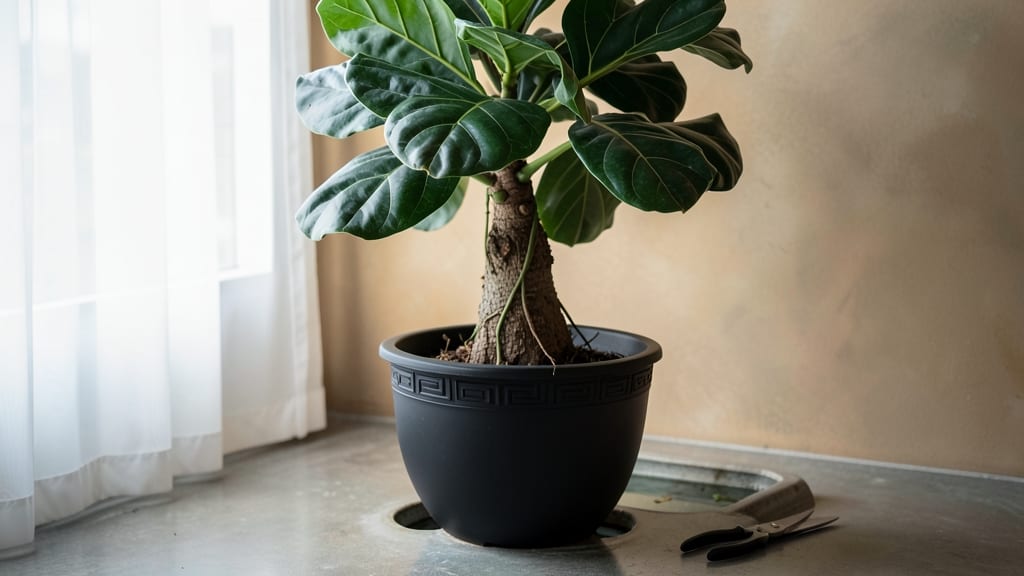
My ficus tree indoor plant thrives in my dim corner where other plants give up—proof that you don’t need bright light to grow something stunning. 🌿 The key is understanding its slow-and-steady nature: too much water kills it, too little stunts it, and drafts send it into shock.
I’ve nursed mine back from brown leaves twice by adjusting just these three things.
You’ll need a pot with drainage, well-draining soil mix (think chunky, not dense), and a spot with bright indirect light—even east-facing windows work. Water only when the top inch of soil feels dry, and use room-temperature water to avoid shocking the roots.
A occasional wipe-down of the leaves keeps dust from blocking light absorption.
Within a few months, you’ll see new growth emerge—glossy, dark green leaves that signal your ficus is happy. Prune leggy stems in early spring to encourage bushier growth, and rotate the pot occasionally so it grows evenly.
The best part? These trees live for decades with proper care, becoming living heirlooms.
Works for apartments, offices, or any space with low light. Here’s how to keep yours thriving year-round without common pitfalls like overwatering or root rot—mistakes I’ve made (and learned from) the hard way.
📚 In This Guide
- What you need
- Instructions
- Tips and common mistakes
- Wrapping up and next steps
What you need
- ● Ficus Tree Indoor Plant: Choose a Ficus elastica (Rubber Plant) or Ficus benjamina (Weeping Fig). Start with a 6–12-inch plant for easier care.
- ● Well-Draining Pot: 1–2 inches larger in diameter than the current root ball. Ensure it has drainage holes (terracotta or ceramic preferred).
- ● High-Quality Potting Mix: 1 bag (5–10 quarts) of well-draining, peat-based mix (e.g., 50% peat moss, 30% perlite, 20% sand).
- ● Watering Can: With a narrow spout for precise watering (avoid over-saturating).
- ○ Humidity Tray (Optional but Helpful): A shallow tray with pebbles and water to boost humidity in dry air.
- ● Grow Lights: LED or fluorescent full-spectrum bulbs (12–16 hours/day) if natural light is very limited.
- ● Plant Food: Balanced liquid fertilizer (e.g., 10-10-10 or 20-20-20) for slow-release nutrition.
- ● Misting Bottle: For occasional leaf misting (ficus trees love humidity!).
- ● Pruning Shears: Sharp, sterilized shears for shaping or trimming.
- ● Pot Saucer: To catch water runoff and protect surfaces.
How to keep your ficus tree thriving in low-light spaces
Here’s the simple system I’ve used to keep my ficus lush and healthy for years—even in dim corners.
🪴 Step 1: Choose the Right Spot for Your Ficus
Ficus trees tolerate low light better than most tropical plants, but they still need bright, indirect light to thrive. Place your tree near a north- or east-facing window where it gets 4-6 hours of filtered sunlight daily. Avoid harsh afternoon sun, which can scorch leaves, especially in low-light spaces where plants are already struggling.
If natural light is scarce, supplement with a grow light placed 12-18 inches away for 12-14 hours a day. You’ll notice new leaves emerging faster and with a richer green color when light is consistent. Rotate the pot a quarter turn weekly so the tree grows evenly toward the light source—this prevents lopsided growth that’s hard to correct later.
💧 Step 2: Water with Precision to Avoid Root Rot
Ficus trees hate soggy soil, so wait until the top 2-3 inches of soil feel dry before watering. Stick your finger in the soil—if it’s damp past your first knuckle, hold off for another day. When you water, soak the soil thoroughly until water runs out the drainage holes, then empty the saucer to prevent root rot. Overwatering is the #1 killer of indoor ficus trees, so err on the side of underwatering if you’re unsure.
Adjust your watering schedule based on the season. In winter, when growth slows, you might only need to water every 7-10 days. In summer, when humidity rises, increase to every 5-7 days. Yellowing leaves? That’s often a sign of overwatering—let the soil dry out completely before watering again.
☀️ Step 3: Dust Leaves and Prune for Better Airflow
Ficus trees have large leaves that collect dust quickly, blocking sunlight and reducing photosynthesis. Wipe leaves every 2-3 weeks with a damp microfiber cloth or sponge—focus on the top and undersides where dust builds up fastest. For stubborn grime, mix 1 gallon of water with 1 teaspoon of mild dish soap, spray lightly, and wipe dry. This keeps your tree looking vibrant and breathing efficiently.
Prune leggy stems or yellowing leaves to encourage bushier growth. Use clean, sharp pruning shears to cut just above a leaf node (the bump where leaves grow). You can propagate these cuttings in water if you want to grow a new ficus—just place the cutting in a jar of water and wait for roots to form in 3-4 weeks. Pruning also improves airflow, reducing the risk of fungal diseases that thrive in humid indoor spaces.
✂️ Step 4: Fertilize Lightly During Growing Season
Feed your ficus once a month from spring to fall with a balanced, water-soluble fertilizer (like 10-10-10) diluted to half-strength. Avoid fertilizing in winter when the tree is dormant—this prevents salt buildup in the soil, which can damage roots. You’ll see healthier foliage and faster growth when the tree gets consistent nutrients, but don’t overdo it—ficus trees prefer gentle feeding over heavy doses.
If you notice brown tips on leaves, it could be a sign of fertilizer burn or low humidity. Reduce fertilizing for a month and increase humidity by placing the pot on a tray of pebbles filled with water (just make sure the pot isn’t sitting in standing water). Mist the leaves occasionally in dry indoor air, but avoid soaking the foliage—this can lead to mildew.
Tips & tricks for perfect ficus tree care in low-light spaces
Here's what nobody tells you about keeping your ficus thriving in those tricky low-light spots.
Lighting Strategy: That 4-6 hours of filtered light in Step 1 is your sweet spot—think of it as your ficus's daily vitamin D. If you're using a grow light, position it so the leaves don't touch the bulb (they'll burn) and adjust height as your tree grows. I've found that moving the light closer by 2-3 inches every few months keeps up with new growth without risking scorching.
Watering Wisdom: The finger test in Step 2 is foolproof, but here's the secret: check moisture at the same time every week to build a routine. Morning works best—soil is usually driest then. I keep a small whiteboard by my ficus to track watering dates, which helps me spot patterns like sudden thirst increases that might signal pests or disease.
Pruning Payoff: When you're pruning in Step 3, don't toss those cuttings! Place them in a jar of water with just the bottom inch submerged—this creates a perfect propagation setup. I've grown three new ficus trees from cuttings this way, and they root in that 3-4 week window mentioned in the instructions. Just keep the water clean and change it every few days.
Fertilizer Finesse: That once-a-month spring-to-fall feeding in Step 4 is perfect, but here's the pro move: alternate between your balanced fertilizer and a liquid seaweed supplement every other month. The seaweed boosts natural growth hormones while the synthetic fertilizer provides steady nutrients. Just remember—dilute that seaweed to half-strength too!
Pro Tips for Ficus Tree Indoor Plant
- Here's what nobody tells you about keeping your ficus thriving in those tricky low-light spots.
- Lighting Strategy: That 4-6 hours of filtered light in Step 1 is your sweet spot—think of it as your ficus's daily vi...
- Watering Wisdom: The finger test in Step 2 is foolproof, but here's the secret: check moisture at the same time every...
Frequently asked questions
How much light does a ficus tree really need?
A ficus tree thrives in bright, indirect light but can tolerate low-light conditions (like offices or north-facing rooms). Avoid harsh direct sunlight, which can scorch leaves. If leaves yellow or drop, it’s often a sign of too little light—try rotating the plant or moving it closer to a window.
How often should I water my ficus tree?
Water your ficus when the top 1–2 inches of soil feel dry—usually every 1–2 weeks, depending on humidity and light. Overwatering is the #1 killer! Let excess water drain, and use a pot with drainage holes to prevent root rot. Pro tip: Stick your finger in the soil—if it’s damp, wait a few more days.
Why are the leaves dropping, and how do I fix it?
Leaf drop is often stress-related: low light, over/underwatering, temperature drafts, or sudden changes. Check your plant’s environment—keep it away from AC vents, radiators, or cold windows. If new leaves are small and sparse, it might need fertilizer (try a balanced liquid feed every 2–3 months).
Can I prune my ficus tree, and how?
Yes! Prune to shape, control size, or encourage bushier growth. Use clean, sharp scissors to trim just above a leaf node (the bump where leaves grow). Avoid cutting into the main stem unless rejuvenating. Wipe tools with rubbing alcohol between cuts to prevent disease. Bonus: Propagate cuttings in water for free new plants!
What pests should I watch for, and how do I treat them?
Ficus trees are prone to spider mites, mealybugs, and scale. Check undersides of leaves for webbing or sticky residue. Treat early with neem oil or insecticidal soap, and isolate the plant to prevent spreading. For severe infestations, wipe leaves with a damp cloth and repeat treatments weekly.
Is a ficus tree safe for pets?
Nope! Ficus trees (like rubber or weeping figs) are toxic to cats and dogs if ingested, causing vomiting or drooling. Keep them out of paw’s reach or opt for pet-safe alternatives like parlor palms or Boston ferns. When in doubt, consult your vet.
Wrapping up and next steps
Bringing a ficus tree into your indoor space isn’t just about adding greenery—it’s about creating a thriving, low-maintenance oasis that purifies the air and boosts your mood! 🌿 With the right care—like bright, indirect light, occasional pruning, and a balanced watering routine—your ficus will reward you with lush, vibrant growth for years to come.
Ready to level up your plant parenting? Start by picking the perfect variety for your space, then grab those supplies and get growing! Your future ficus forest awaits—let’s make it happen.