Pruning
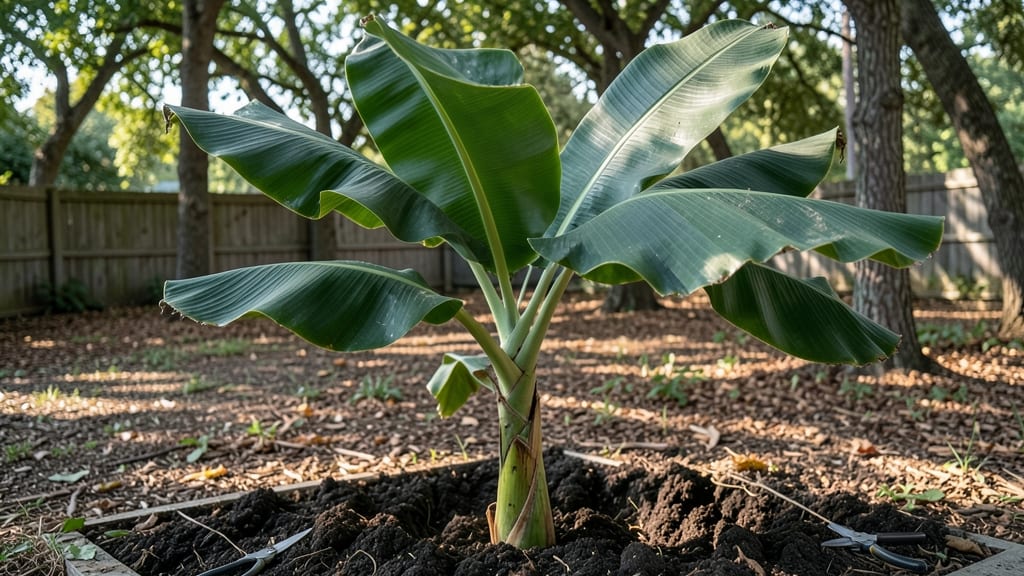
The false banana tree thrives when you prune it right—year-round blooms start with just three simple cuts. I’ve turned my once-sparse plant into a lush, flower-filled statement piece by focusing on the right spots, and you can too.
The key isn’t just trimming randomly; it’s understanding where new growth emerges and how to encourage it without stressing the plant.
This tropical beauty loves bright, indirect light and well-draining soil, but the real magic happens in the pruning. Grab your shears and look for those leggy stems or spent blooms—they’re the first to go.
A little precision now means vibrant new shoots and clusters of tiny white flowers that last all season. Even if your plant looks tired, it’s never too late to revive it.
You’ll notice a difference within weeks: fuller foliage, brighter leaves, and those delicate blooms appearing where you least expected. The false banana tree isn’t just about looks—it’s low-maintenance once you get the hang of it. Just avoid over-trimming, and you’ll have a plant that keeps giving, season after season.
Whether you’re dealing with yellowing leaves or slow growth, the fixes are simpler than you think. A little extra water in summer or a move to brighter light can work wonders.
And if you’re curious about using the leaves (they’re edible in small amounts), I’ll show you how to harvest them without harming the plant.
📚 In This Guide
- What you need
- Instructions
- Tips and common mistakes
- Wrapping up and next steps
What you need
- ● Pruning shears: Bypass pruners (sharp, sterilized) for clean cuts on smaller stems.
- ● Loppers: 1 pair (8–12" blades) for thicker branches (½"–2" diameter).
- ● Pruning saw: 1 (for branches >2" thick).
- ● Gloves: Heavy-duty, cut-resistant (e.g., Mechanix or Wolverine brand).
- ● Disinfectant: 70% isopropyl alcohol or bleach solution (1 part bleach : 9 parts water) to sterilize tools.
- ● Rubbing alcohol or hydrogen peroxide: For cleaning wounds on the tree.
- ○ Pruning sealant (optional): Tree wound dressing (e.g., Tanglefoot Tree Wound Pruning Seal) for large cuts.
- ● Extension pole: For high branches (10–15 ft, with pruning head).
- ● Ladder: Sturdy, 6–12 ft, with non-slip feet.
- ● Garden twine or tape: To mark branches for removal before cutting.
- ● Compost bin: For collecting pruned leaves/stems (nutrient-rich for your garden!).
- ● Safety glasses: To protect eyes from debris.
- ● Know your tree’s growth cycle—false banana trees bloom year-round but respond best to pruning in late winter/early spring (before new growth).
- ● Check local regulations—some areas restrict pruning near power lines or shared property.
- ● Gather inspiration! Sketch or research balanced pruning shapes (e.g., open-center vs. standard forms).
Instructions for pruning your false banana tree
Here’s how to keep your false banana tree thriving with vibrant blooms all year—no guesswork, just precise cuts.
Identify and Remove Dead or Yellowing Leaves
Start by inspecting your plant for any leaves that are brown, yellow, or crispy. These are dead or dying and need removal to redirect energy to healthy growth. False banana trees (Musa basjoo) are resilient, but dead foliage can harbor pests or disease. Use clean, sharp pruners to cut these leaves at the base, just above the next healthy leaf or stem.
If you’re unsure whether a leaf is dead or just struggling, gently tug on it. If it resists, it’s still alive. If it pulls away easily, it’s time to remove it. I like to work from the bottom up—this keeps the plant looking neat and prevents debris from accumulating near the base.
Trim Overcrowded or Weak Stems
False banana trees produce multiple stems, and over time, some may become weak, leggy, or overcrowded. Focus on stems that are thin, pale, or growing in the wrong direction. Use your pruners to cut these back at the base, about ¼ inch above the soil line. This encourages the plant to send out stronger, more upright growth.
Don’t remove more than 25% of the plant’s stems at once. This could stress the tree and reduce flowering. Instead, space out pruning sessions every few weeks if needed. You’ll notice new shoots emerging from the base within 2-4 weeks—that’s your sign the tree is responding well.
Prune for Shape and Airflow
False banana trees grow tall and can become top-heavy if not pruned properly. Step back and assess the plant’s shape—aim for a balanced, open structure that allows light and air to circulate. Remove any stems that are crossing or rubbing against others, as this can cause damage or disease.
For a more compact look, you can also trim back the longest stems by about ⅓ of their length. Cut just above a leaf node or bud to encourage branching. Avoid cutting into woody stems—focus on softer, newer growth. This pruning step is best done in early spring or late summer, when the plant is actively growing.
Encourage Blooming with Strategic Cuts
False banana trees bloom on older stems, so avoid cutting back into mature wood. Instead, focus on shaping the outer growth. If your tree hasn’t bloomed in a while, try lightly trimming the tips of some stems to stimulate new growth and flowering. Look for stems that are at least 2-3 inches in diameter—these are more likely to produce flowers.
After pruning, give your tree a light fertilizer to support new growth. I use a balanced, water-soluble fertilizer diluted to half strength. Water thoroughly after fertilizing to help the nutrients absorb into the soil. Within 6-8 weeks, you should see fresh leaves and, with luck, new flower spikes emerging.
Clean Up and Monitor for Recovery
Once you’ve finished pruning, remove all debris from the area around the plant. Dead leaves and trimmings can harbor pests or fungi, so compost them or dispose of them in the trash. Wipe down your pruners with rubbing alcohol to sterilize them before storing.
Keep an eye on your false banana tree in the days following pruning. It may drop a few leaves as it adjusts, but this is normal. Water consistently to keep the soil evenly moist but not soggy. Within a few weeks, you’ll see new growth, and your tree will look fuller and healthier than ever.
Tips & tricks for perfect false banana tree pruning
A few simple tricks will help you achieve that perfect balance between shape and growth while keeping your false banana tree thriving.
Tool Preparation: Before you start pruning, make sure your pruners are clean and sharp. Dull blades can crush stems instead of cutting cleanly, which can damage the plant and invite disease. I like to sterilize my pruners with rubbing alcohol between cuts, especially if I notice any signs of sap or potential infection on the stems. This keeps your tools ready for the next cut and prevents cross-contamination between healthy and potentially compromised parts of the plant.
Seasonal Timing: The best time to prune your false banana tree is during its active growing season—early spring or late summer. This aligns with the natural growth cycle of the plant, giving it plenty of time to recover and produce new growth before winter dormancy. In Step 2, when you’re trimming overcrowded stems, focus on the new growth that emerges within 2-4 weeks as a sign that your timing was perfect. If you prune in late fall or winter, the plant may struggle to recover before the growing season begins.
Visual Cues for Pruning: When deciding what to cut in Step 3, look for stems that are crossing or growing in odd directions. These are the ones that need removal to improve airflow and shape. Think of it like styling hair—you want everything to flow naturally and not compete for space. Also, when you’re trimming back the longest stems by about one-third, make sure you’re cutting just above a leaf node or bud. This small detail makes all the difference in encouraging new branching and keeping the plant healthy.
Encouraging Blooms: If your false banana tree hasn’t bloomed in a while, focus on the older stems that are at least 2-3 inches in diameter during Step 4. These are the ones most likely to produce flowers. Lightly trimming the tips of these stems can stimulate new growth and encourage blooming. After pruning, give your tree a light dose of fertilizer to support this new growth. Within 6-8 weeks, you should see fresh leaves and, hopefully, new flower spikes emerging—proof that your pruning efforts are paying off.
Pro Tips for False Banana Tree
- A few simple tricks will help you achieve that perfect balance between shape and growth while keeping your false banana tree thriving.
- Tool Preparation: Before you start pruning, make sure your pruners are clean and sharp.
- Seasonal Timing: The best time to prune your false banana tree is during its active growing season—early spring or late summer.
Frequently asked questions
about pruning your false banana tree (Musa basjoo)—because even the hardiest plants need a little TLC!When is the best time to prune my false banana tree?
The ideal time is late winter or early spring (just before new growth starts), but you can also trim lightly after blooming to maintain shape. Avoid heavy pruning in fall—it reduces winter hardiness. Pro tip: If you live in a mild climate, prune year-round to encourage continuous blooms!
Can I prune my false banana tree in winter?
Light pruning (removing dead or damaged fronds) is fine in winter, but avoid heavy cuts. False banana trees are semi-hardy (USDA zones 7-10)—pruning too aggressively in cold months can stress the plant. Wait until spring for major trimming to let it recover before warmer weather arrives.
How do I revive a false banana tree after over-pruning?
If you’ve trimmed too much, don’t panic! Focus on watering deeply (1-2 inches per week) and fertilizing with a balanced, slow-release fertilizer (10-10-10). New shoots will emerge from the base—just be patient! Pro tip: Mulch around the base to protect roots while it recovers.
Will pruning stop my false banana tree from flowering?
No—pruning actually encourages more blooms! Removing old or spent flower stalks redirects energy to new growth. For year-round blooms, trim lightly after each flowering cycle (every 3-6 months). Just avoid cutting back all the stalks at once—leave at least one to maintain energy balance.
Are there alternatives to pruning for controlling size?
Yes! If pruning feels too drastic, try:
- Selective removal of only the largest fronds to slow growth.
- Container growing—root-bound trees grow slower naturally.
- Shade cloth (30-50%) to reduce vigorous growth.
Wrapping up and next steps
The false banana tree thrives on your attention—just a little precision trimming can transform it into a lush, year-round beauty! 🌿 By mastering the right techniques (like selective cutting and seasonal timing), you’re not just pruning; you’re sculpting a tropical masterpiece.
Remember, patience and consistency are key—your efforts will pay off in vibrant blooms and healthier growth.
Ready to take the next step? Grab your shears, review your notes, and schedule your first trim—your false banana tree is waiting for its glow-up! 🌟 Happy pruning!