
Pruning
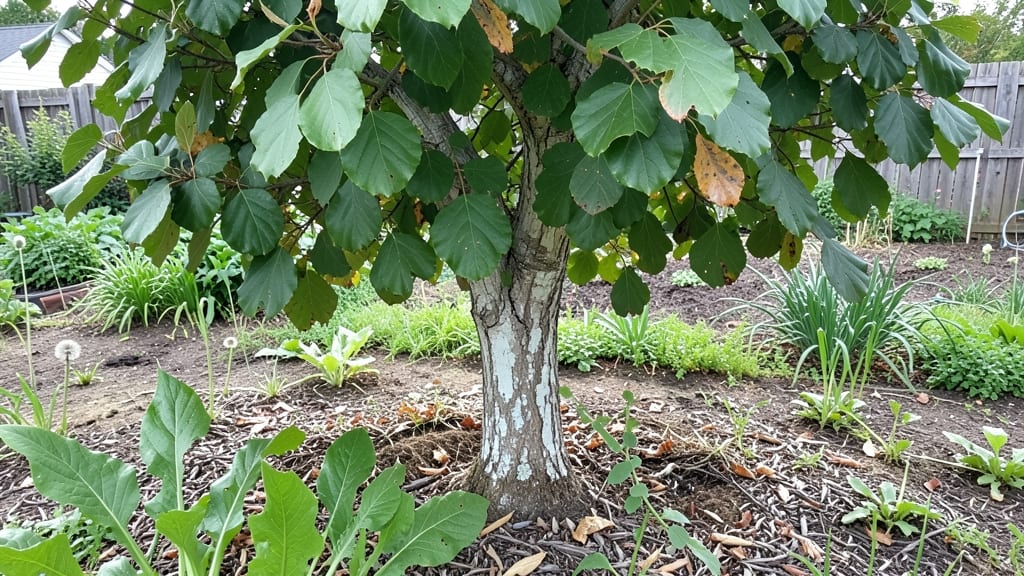
Pruning a European beech tree (Fagus sylvatica) in the Pacific Northwest isn’t just about shaping—it’s about preserving its legendary frost resistance and velvety canopy. 🌿 I’ve learned the hard way that aggressive cuts trigger stress, especially when winter’s chill lingers in the air.
The key is patience: focus on removing deadwood first, then thin out crowded branches to let light filter through without stripping the tree’s natural defense.
Your tools should include sharp bypass pruners, a sturdy saw for thicker limbs, and a ladder rated for at least 200 pounds—these trees grow heavy.
Work on dry days when the bark isn’t slippery, and time your cuts to late winter or early spring, just as buds begin to swell. The goal is to maintain that iconic rounded silhouette while keeping the interior branches alive and healthy.
What you’ll end up with is a tree that thrives through our region’s damp, cold winters, its glossy leaves turning a rich bronze in fall before dropping to reveal smooth, silvery bark.
The canopy stays dense enough to provide shade but open enough to prevent fungal issues. Plus, your neighbors will envy that frost-proof statement piece in your yard.
For larger properties or mature trees, consider hiring a certified arborist—these beauties can reach 60-80 feet tall, and their weight makes them a hazard if pruned incorrectly. But with the right approach, your European beech will reward you with decades of low-maintenance elegance and that signature PNW resilience.
📚 In This Guide
- What you need
- Instructions
- Tips and common mistakes
- Wrapping up and next steps
What you need
- ● Pruning saw: A sharp, bypass pruning saw (for branches ½–2 inches thick) or a curved pruning saw (for thicker branches). Example: Felco F-2 or Corona CS7000.
- ● Loppers: Bypass loppers (for branches 2–4 inches thick). Example: Felco F-2L or Fiskars X27.
- ● Pruning shears: Bypass shears (for small branches/twigs under ½ inch). Example: Felco F-2 or Corona CS5500.
- ● Gloves: Cut-resistant, heavy-duty gloves (e.g., Mechanix Wear M-Pact or Worms & Lee 100% Goat Leather).
- ○ Pruning sealant: Tree wound sealant (optional but helpful for large cuts; e.g., blank">Tanglefoot Tree Wound Pruning Seal).
- ● Disinfectant: 70% isopropyl alcohol or bleach solution (1 part bleach to 10 parts water) to sterilize tools between cuts.
- ● Ladder or stump: Extension ladder (for tall trees; ensure it’s rated for your height + 3 ft extra). Safety tip: Use a harness if working above 6 ft!
- ● Pole saw: For high branches without a ladder (e.g., blank">Fiskars X7).
- ● Rope or harness system: For large branches (3+ inches) to control falls.
- ● Work gloves with grip: For extra comfort during long sessions.
- ● Tree bag: To collect and dispose of pruned branches easily.
- ● Safety glasses: Protect your eyes from debris.
- ● Timing: Prune European beeches in late winter/early spring (before bud break, ideally February–March in the PNW) to avoid frost damage and promote healing.
- ● Weather: Choose a dry, calm day (no rain or wind for 24 hours post-pruning).
- ● Safety gear: Long sleeves/pants to protect from scratches and sap.
- ● Tree health check: Inspect for disease (e.g., beech leaf disease) or pests before pruning. Report symptoms to a local arborist if unsure.
How to prune a European beech tree for a strong Pacific Northwest canopy
Here’s my go-to approach for shaping and revitalizing these frost-tough trees without stressing their natural beauty.
✂️ Step 1: Time Your Pruning for Optimal Healing
Prune European beeches in late winter or early spring, just as buds begin to swell but before new growth starts. This timing lets the tree heal before summer stress hits. In the Pacific Northwest’s cooler climate, avoid pruning after mid-August—late cuts risk inviting fungal infections before winter dormancy.
Look for dormant buds along branches as your cue. These appear as small, swollen bumps along the stems. If you see fresh green shoots, you’ve waited too long. I always mark the branches with flagging tape first—this helps me visualize the final shape before making any cuts.
🌿 Step 2: Identify and Remove Dead or Diseased Wood
Start by scanning the canopy for dead branches—they’ll be dry, brittle, and snap easily when bent. Next, check for diseased wood (look for discolored bark, oozing sap, or fungal growths like powdery white patches). These branches must go—they drain the tree’s energy and can spread problems.
Use clean, sharp pruning shears to make cuts just outside the branch collar (the swollen area where the branch meets the trunk). Never leave stubs—this invites decay. For larger branches over 2 inches thick, use a pruning saw and make the cut on the underside of the branch to avoid tearing the bark.
☀️ Step 3: Thin the Canopy for Light and Airflow
European beeches benefit from selective thinning to improve light penetration and airflow. Focus on removing crossing branches (where two limbs rub together) and overcrowded growth near the center. Aim to keep the inner canopy open and airy—this prevents moisture buildup that leads to rot.
Step back often to assess the shape. You’re not stripping the tree—think of it as creating a balanced silhouette with natural layers. For mature trees, limit thinning to no more than 25% of the foliage in one season. Over-pruning stresses the tree, especially in the PNW’s wet winters.
⏰ Step 4: Shape and Maintain the Tree’s Natural Form
Beeches have a distinctive rounded shape—preserve that while removing only what’s necessary. For structural branches, cut back to a lateral bud facing outward to encourage healthy growth. Avoid "topping" (cutting the main trunk)—this creates weak, stubby regrowth and invites pests.
Pay special attention to water sprouts (fast-growing, vertical shoots) and suckers (shoots from the base). These compete with the main canopy for nutrients. Snip them off at the base with clean shears. After pruning, rake up and dispose of all debris—this prevents fungal spores from lingering near the tree.
💧 Step 5: Post-Pruning Care for Frost Resilience
Water the tree deeply after pruning to help it recover, especially if the PNW’s winter drought has stressed the roots. Mulch the base with 2-3 inches of organic mulch (like wood chips) to retain moisture and regulate soil temperature. Keep mulch 6 inches away from the trunk to avoid rot.
Monitor the tree for new growth in spring—healthy leaves should emerge vibrant green within 4-6 weeks. If you notice yellowing or wilting, it could signal over-pruning or stress. Beeches are resilient, but they reward patience. Avoid heavy pruning again for at least 1-2 years to let the tree fully recover.
Tips & tricks for pruning European beech trees
These practical tips will help you prune your European beech like a pro while keeping your Pacific Northwest tree healthy and thriving.
The Right Tools Make All the Difference: Invest in a good pair of bypass pruning shears for branches up to ½ inch thick and a pruning saw for anything larger. I’ve ruined too many cuts with dull tools—always keep your blades sharp and clean between uses. For larger branches, a pole pruner lets you reach high branches safely without climbing.
Visualize Before You Cut: Step back and study the tree’s natural shape before making any cuts. European beeches have a distinctive rounded silhouette—preserve that while removing only what’s necessary. In Step 3, when thinning the canopy, I like to imagine the tree as a vase: wide at the bottom, narrowing slightly toward the top. This helps me maintain that beautiful natural form.
Don't Overlook Post-Pruning Care: The work doesn’t end when you put down your shears. After pruning, water the tree deeply to help it recover, especially important in the PNW’s dry summers. I always add a 2-3 inch layer of organic mulch (like wood chips) around the base, keeping it 6 inches away from the trunk to prevent rot. This helps regulate soil temperature and retain moisture during our region’s dry spells.
Timing is Everything for Frost Resilience: Remember that late winter to early spring timing is critical for healing. In the Pacific Northwest, our cooler climate means we can extend the window slightly longer than in warmer regions. Just avoid pruning after mid-August—this gives the tree enough time to heal before winter dormancy sets in. I always check for those dormant buds as my cue that it’s time to prune.
Pro Tips for European Beech Tree
- These practical tips will help you prune your European beech like a pro while keeping your Pacific Northwest tree healthy and thriving.
- The Right Tools Make All the Difference: Invest in a good pair of bypass pruning shears for branches up to ½ inch thick and a pruning saw for anything larger.
- Visualize Before You Cut: Step back and study the tree’s natural shape before making any cuts.
Frequently asked questions
Got questions about pruning your European beech tree in the Pacific Northwest? You’re not alone! Whether you’re a first-time pruner or just want to refine your skills, here are some of the most common concerns—and their answers—to keep your frost-resistant canopy thriving.
When is the best time to prune a European beech tree?
The ideal window is late winter to early spring (February–March), just before new growth begins. This minimizes stress and reduces the risk of disease. Avoid pruning in fall or during wet conditions—beech trees are prone to bleeding sap and fungal infections if cut at the wrong time. Pro tip: If you must prune in summer, do it on a dry, overcast day to protect the tree’s health.
How do I protect my beech tree from frost damage?
European beeches are frost-tolerant, but young trees or newly pruned branches can still suffer. To safeguard your tree, prune only during dormant seasons, avoid heavy cuts that expose large wounds, and mulch the base with 2–4 inches of organic material. If frost is forecasted after pruning, wrap vulnerable branches with burlap (but remove it once temperatures rise). Bonus: Water deeply before winter to help roots withstand cold snaps.
What’s the best way to make clean cuts on a beech tree?
Use sharp, sterilized pruners or a saw to avoid tearing bark. For branches under 2 inches thick, make a single cut just outside the branch collar (the swollen area where the branch meets the trunk). For larger branches, follow the three-cut method to prevent bark stripping. Always disinfect tools between cuts with rubbing alcohol to prevent disease spread.
Can I prune a beech tree too much?
Yes! Over-pruning weakens the tree, making it susceptible to pests, disease, and even frost damage. Never remove more than 25% of the canopy in one season, and avoid "topping" (cutting the top flat)—this leads to unsightly regrowth and stress. Focus on selective pruning to open the canopy, remove deadwood, and improve airflow. Rule of thumb: If you’re unsure, prune less!
What should I do if my beech tree develops dieback after pruning?
Dieback (brown, dead branches) can occur if cuts are too severe or the tree is stressed. First, inspect for pests (like beech scale) or fungal signs (black spots, oozing sap). If the tree is otherwise healthy, it may recover—just avoid pruning further. For severe cases, consult a certified arborist to diagnose the issue. Prevention tip: Prune only when the tree is dormant to reduce shock.
Still stumped? Drop your question in the comments—we’re happy to help your beech tree stay strong and stunning!
Wrapping up and next steps
The European beech tree is a stunning, frost-resistant gem that thrives in the Pacific Northwest’s climate—when cared for properly. Pruning with precision ensures its health, beauty, and longevity, while respecting its natural growth patterns.
Whether you’re a seasoned gardener or just starting out, every trim is a step toward a stronger, more resilient canopy.
Ready to give your beech tree the love it deserves? Grab your tools, plan your approach, and get pruning! 🌳✨ Your future shade masterpiece starts with today’s careful cut.