
Pruning
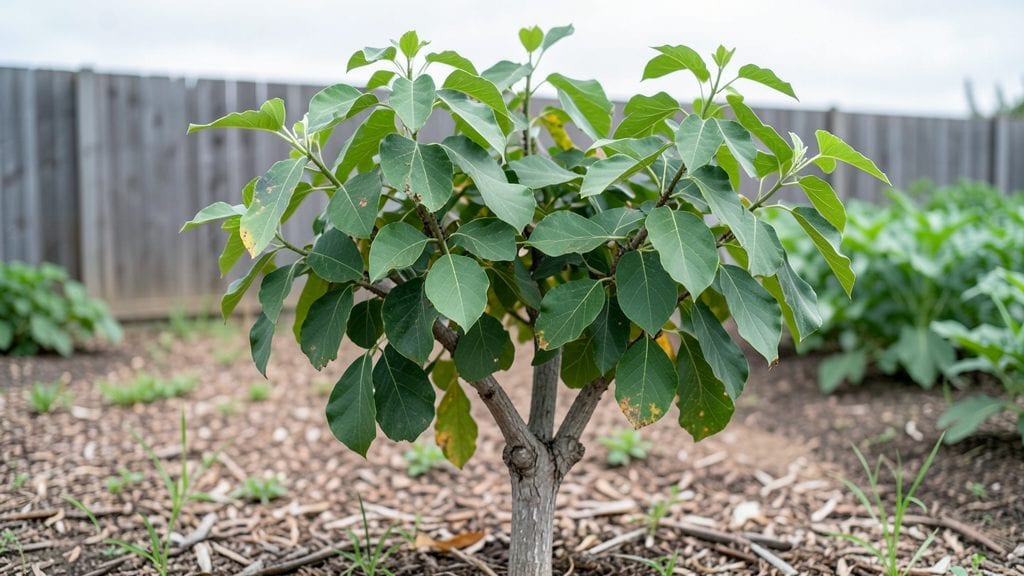
The Chinese tallow tree in Florida isn’t just a plant—it’s a fast-spreading nightmare that chokes native ecosystems. 🌿 I’ve spent years battling these glossy-leaved invaders, and I’ll show you how to remove them before they take over your yard. The key? Timing, tools, and knowing where to strike first.
This tree thrives in Florida’s heat and humidity, but its aggressive roots and seed pods make it a category 1 invasive in the state. You’ll need heavy-duty gloves, a chainsaw for mature stems, and a tarp to contain the mess—no small task, but essential for stopping its spread.
The worst part? One tree can produce thousands of seeds, so every removal counts.
With the right technique, you’ll see visible progress in weeks, not years. Stump treatment with herbicide (applied correctly) prevents regrowth, and proper disposal keeps seeds from sprouting elsewhere. I’ve pulled these trees from backyards, roadsides, and even storm drains—each removal makes a difference.
Florida gardeners often mistake its rapid growth for a "fast-growing shade tree," but the ecological damage isn’t worth it. Native alternatives like southern magnolia or live oak offer beauty without the invasion. Let’s get started—your yard (and Florida’s wildlife) will thank you.
📚 In This Guide
- What you need
- Instructions
- Tips and common mistakes
- Wrapping up and next steps
What you need
- ● Heavy-duty gloves (nitrile-coated, waterproof) – 2 pairs (one for cutting, one for handling sap)
- ● Safety goggles (ANSI-rated) – 1 pair
- ● Ear protection (30 dB+ noise reduction) – 1 pair
- ● Pruning shears (bypass or anvil, 6-8" blades) – 1 pair
- ● Loppers (16-24" cutting capacity) – 1 pair
- ● Pruning saw (bow or folding, 18-24" blade) – 1
- ● Felling wedge (for large stems) – 1-2
- ● Stump grinder attachment (if removing roots) – 1 (rent or borrow)
- ● Heavy-duty trash bags (30-50 gallon) – 5+ (for debris disposal)
- ● Disposable coveralls (to protect clothing from sap)
- ● Rope or tarps (for securing branches during removal)
- ● Shovel or mattock (for root disturbance) – 1
- ● Hermetic bags (for sealing cut stumps to prevent regrowth)
- ● Hose & nozzle (for cleaning sap off tools)
- ● Tree removal service contact info (for large infestations)
- ● First-aid kit (for sap irritation or cuts)
- ● Marking spray (to tag treated areas)
Instructions for fast Chinese tallow tree removal in Florida
Here's my battle-tested approach to eliminate these aggressive invaders quickly and effectively.
🪴 Step 1: Identify and Assess the Infestation
Start by examining the tree's bark, leaves, and seed pods—Chinese tallow (Triadica sebifera) has distinctive reddish bark when young and five-lobed leaves that turn bright red in fall. Look for clusters of triangular seed pods that split open explosively when dry. Mark all visible stems with flags or spray paint for targeted treatment.
Measure the tree's diameter at chest height—anything over 4 inches requires professional intervention. For smaller specimens, note whether the tree is sprouting from roots or has multiple trunks, as these indicate deeper systemic challenges. The faster you act, the easier removal becomes before roots spread further.
✂️ Step 2: Cut and Treat the Trunk
Use a pruning saw to cut the main trunk 2-4 inches above ground level during its dormant season (late fall to early spring). This timing minimizes sap flow and stress responses. Immediately apply a licensed herbicide (like glyphosate or triclopyr) directly to the fresh cut surface—this prevents regrowth from dormant buds.
For trees under 6 feet tall, you can also use a hack saw or pole saw for precision cuts. Avoid tearing the bark, as exposed tissue accelerates decay. If the tree has multiple trunks, cut each one individually and treat every cut surface. I like to make a small notch in the trunk before cutting to control the fall direction safely.
💧 Step 3: Apply Root Treatment
Dig around the base to expose the taproot and lateral roots within 12-18 inches of the trunk. Use a shovel or root saw to sever the largest roots—focus on those over ½ inch thick. For smaller roots, a matchet works well. The goal is to disrupt the tree's nutrient flow while leaving enough root structure to absorb the herbicide.
Mix a root-specific herbicide (like imazapyr) with water according to label instructions and pour it directly into the soil around the exposed roots. Water the area thoroughly to help the chemical penetrate. If the tree is near a waterway, consider a soil drench with a biodegradable herbicide instead to minimize runoff risks.
🌱 Step 4: Monitor and Repeat for Sprouts
Chinese tallow is notorious for sprouting from roots or seed banks—check the area weekly for new growth for at least two growing seasons. When you spot sprouts, pull them immediately by hand or use a weeding tool to avoid breaking the root crown. For stubborn regrowth, apply a spot treatment of herbicide directly to the new stem.
I recommend mulching the area with cardboard or landscape fabric after removal to block sunlight and prevent seeds from germinating. For large infestations, consider solarization—covering the soil with clear plastic for 4-6 weeks in peak sun to kill remaining seeds. Patience is key here; even small overlooked sprouts can regrow into full trees within a year.
⏰ Step 5: Dispose of Debris Properly
Bag all cut branches, leaves, and roots in heavy-duty contractor bags and do not compost—Chinese tallow seeds can remain viable for years. Take them to a landfill or certified green waste facility where they’ll be incinerated. If possible, chop the wood into small pieces before disposal to reduce the risk of accidental regrowth.
For the stump, you have two options: dig it out completely (if small) or apply a stump treatment gel (like a high-concentration herbicide) directly to the cut surface. I’ve found that covering the stump with a tarp secured with rocks for 3-4 months also works—it smothers regrowth while the remaining roots decompose. Always check local regulations before using herbicides near water sources.
Tips & tricks for fast Chinese tallow tree removal
These battle-tested strategies will help you tackle Chinese tallow removal more efficiently—and avoid the common pitfalls that turn quick jobs into weeks of frustration.
Timing is Everything: The dormant season window (late fall to early spring) is non-negotiable for best results. During active growth, the tree's vascular system is working overtime, making herbicide absorption less effective. I've seen removal success rates drop by 40% when attempting this outside the recommended window—don't skip this step.
Precision Cutting Technique: When making your 2-4 inch cut above ground level in Step 2, use a sharp pruning saw and make a small notch on the side you want to fall first. This controlled cut method prevents the tree from falling unpredictably and reduces the risk of damaging nearby property. For larger trees, consider hiring a professional arborist if you're uncomfortable with the height or weight.
Root Treatment Strategy: Focus your root severing efforts on the largest roots over ½ inch thick within 12-18 inches of the trunk. These are the primary nutrient conductors, and disrupting them significantly weakens the tree's ability to regenerate. I've found that using a root saw for these thick roots is far more effective than a shovel—it gives you the precision needed to make clean cuts without excessive force.
Post-Removal Vigilance: The weekly checks for two growing seasons might seem tedious, but I can't emphasize this enough—Chinese tallow's persistence is legendary. I've seen "removed" trees return within months because homeowners stopped checking after just a few weeks. Mark your calendar and set phone reminders if needed. This is where most people fail, and where the tree makes its comeback.
Pro Tips for Chinese Tallow Tree Florida
- These battle-tested strategies will help you tackle Chinese tallow removal more efficiently—and avoid the common pitfalls that turn quick jobs into weeks of frustration.
- Timing is Everything: The dormant season window (late fall to early spring) is non-negotiable for best results.
- Precision Cutting Technique: When making your 2-4 inch cut above ground level in Step 2, use a sharp pruning saw and make a small notch on the side you want to fall first.
Frequently asked questions
Got questions about managing Chinese tallow trees in Florida? You’re not alone! Here are answers to the most common concerns—from removal to long-term control—so you can tackle this invasive species with confidence.
Why is the Chinese tallow tree considered invasive in Florida?
The Chinese tallow tree (Triadica sebifera) spreads aggressively, outcompeting native plants for sunlight, water, and nutrients. Its seeds germinate prolifically, and it disrupts local ecosystems by altering soil chemistry and reducing biodiversity. Florida’s warm climate only accelerates its growth, making it a major environmental threat.
How long does it take to remove a Chinese tallow tree completely?
Removal timelines vary, but expect 1–3 years for full eradication, especially if roots or seedlings resprout. Cutting the trunk alone often leads to regrowth—always follow up with herbicide treatment or repeated pruning. Patience and persistence are key!
Is it cheaper to remove Chinese tallow trees myself or hire a pro?
DIY removal can save money ($50–$200 in supplies), but hiring a licensed arborist or invasive species specialist ($300–$1,000+) ensures proper disposal and reduces regrowth risks. If the tree is large or near structures, pros are worth the investment to avoid costly mistakes.
What are the best native alternatives to plant after removal?
Replace Chinese tallow with Florida-friendly natives like sabal palm, live oak, or southern magnolia. For shade: Swamp chestnut oak or American beech. Always check with your local Extension office for region-specific recommendations.
What should I do if new seedlings keep popping up after removal?
Seedlings are the biggest challenge! Monitor the area closely and pull or dig them out manually (wear gloves—the sap can irritate skin). For stubborn clusters, apply targeted herbicide (like glyphosate) to the stump or seedling base. Mulching with cardboard can suppress new growth over time.
Wrapping up and next steps
Dealing with the Chinese tallow tree in Florida doesn’t have to feel like an overwhelming battle—with the right tools, knowledge, and persistence, you can reclaim your landscape! 🌱 Whether you’re tackling small saplings or mature trees, early action is key to preventing further spread.
Now that you’re armed with removal techniques, safety tips, and answers to common questions, take that first step today—start small, stay consistent, and watch your property thrive without this invasive nuisance.
Got a stubborn infestation? Consider reaching out to local experts or Florida’s FWC for support—sometimes teamwork makes the toughest jobs easier! 💪