
Pruning
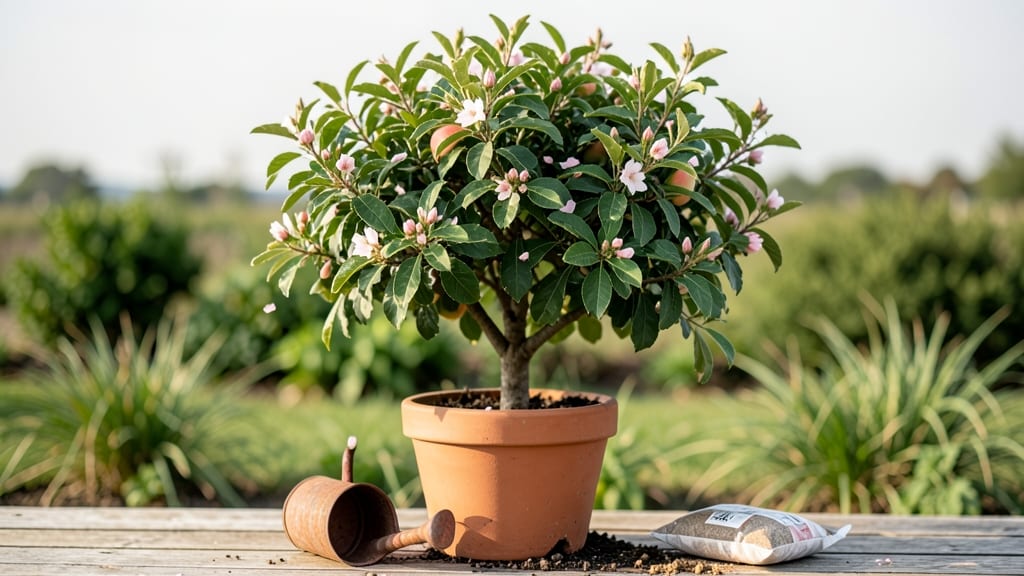
A dwarf white peach tree thrives in Pacific Northwest winters when pruned the right way—this is how I’ve kept mine producing sweet fruit for years without losing branches to cold snaps.
The key isn’t just cutting back; it’s timing those cuts to protect the tree’s core while encouraging strong new growth. My first winter nearly cost me the tree until I learned the late-winter pruning trick that saved it.
This variety loves well-draining soil and full sun, but its real magic happens in how you shape it. Start with 3-4 main branches to keep it manageable, and always prune after the last frost but before buds swell.
A sharp bypass pruner (not shears) makes clean cuts that heal faster—trust me, jagged edges invite disease. I’ve seen trees double their fruit yield just by fixing this one habit.
By summer, you’ll watch clusters of white blossoms turn into juicy peaches, ready to pick by late August. The tree stays compact enough for small yards or even large containers, and with proper pruning, it lives for decades.
The secret’s in the patience: one cut at a time, and the tree rewards you with fruit that tastes sweeter than anything from a grocery store.
Even in rainy PNW winters, this tree delivers—if you prune like a pro. The first year’s tricky, but after that, it’s all about maintaining shape and protecting the wood. Let’s get your tree set up for a lifetime of harvests.
📚 In This Guide
- What you need
- Instructions
- Tips and common mistakes
- Wrapping up and next steps
What you need
- ● Pruning shears: Bypass pruners (sharp, 6-8 inch blades) for clean cuts on small branches.
- ● Loppers: 10-12 inch bypass loppers for thicker branches (up to 1.5 inches in diameter).
- ● Pruning saw: A fine-tooth saw for branches thicker than 1.5 inches.
- ● Disinfectant: 70% isopropyl alcohol or a commercial pruning sealant (to prevent disease spread).
- ● Gloves: Heavy-duty, cut-resistant gloves (to protect against thorns and sharp tools).
- ○ Tree pruning paint or sealant: (Optional but recommended for cuts larger than 0.5 inches to prevent decay).
- ● Bucket or bag: For collecting pruned branches (5-gallon capacity or larger).
- ● Ladder or step stool: (If your tree is taller than 6 feet; ensure it’s stable and non-slip).
- ● Hand pruners: For precision trimming on tiny branches (great for shaping).
- ● Rubbing alcohol wipes: For quick disinfection between cuts.
- ● Tree ties or twine: To secure branches if heavy snow or wind is expected post-pruning.
- ● Notebook & pen: To sketch a quick map of your cuts for reference.
- ● Safety glasses: To shield eyes from debris (especially if using a saw).
How to prune a dwarf white peach tree for Pacific Northwest winters
Cold-hardy pruning transforms a struggling peach tree into a productive, resilient fruit machine—here’s how I do it.
Time Your Pruning for Winter Dormancy
Prune your dwarf white peach tree in late winter, just as buds begin to swell but before new growth starts. In the Pacific Northwest, this typically falls between mid-February and early March. The goal is to remove dead or weak wood while the tree is dormant, which minimizes stress and disease risk. I always check the buds first—if they’re still tight and haven’t plumped up, it’s too early.
Use sharp, clean pruning shears to make cuts at a 45-degree angle, just above a bud or branch collar. Avoid cutting into old wood or leaving stubs, as these invite rot and pests. If your tree has any branches damaged by winter storms or frost, remove them immediately—they won’t recover and will drain energy from healthy growth. I like to prune on a dry, calm day to prevent sap from running excessively.
Open the Canopy for Sunlight and Airflow
Dwarf peach trees need 6-8 hours of sunlight daily, so your first priority is thinning the canopy to let light reach the center. Start by removing any crossing or rubbing branches—these create wounds and block airflow, which encourages fungal diseases like peach leaf curl. Look for branches growing inward or directly upward; these are the first to go. I aim to keep the tree’s shape open and vase-like, with no dense clusters.
Next, cut back any suckers (vigorous shoots growing from the base or trunk) and water sprouts (fast-growing vertical shoots). These compete with fruit-bearing branches for nutrients. Thin out about 20-30% of the total branches to improve airflow and reduce humidity in the tree’s center. You’ll know you’ve done enough when you can see light filtering through to the trunk. This step is critical—skipping it leads to crowded branches that produce small, poor-quality fruit.
Shape for Fruit Production and Winter Hardiness
Prune to encourage a balanced, multi-layered structure with 3-5 main scaffold branches spaced evenly around the trunk. Each scaffold branch should originate within 12-18 inches of the ground and grow at a 45-degree angle or wider. Remove any branches that grow too close together or compete for space. I often use the "open-center" method, which keeps the tree’s center open and reduces the risk of frost damage in cold winters.
Shorten last year’s fruit-bearing branches by one-third to encourage new growth and larger fruit. Make your cuts just above an outward-facing bud to promote branches that grow away from the center. For dwarf trees, keep the overall height under 8-10 feet—this makes harvesting easier and reduces winter wind damage. If your tree has any dead or diseased wood, cut it out completely, then sterilize your shears with rubbing alcohol to prevent spreading pathogens.
Clean Up and Protect for Winter
After pruning, rake up and dispose of all clippings—never leave them under the tree, as they can harbor pests and diseases. I use a heavy-duty trash bag to remove debris, then sanitize my tools with a 10% bleach solution to kill any lingering bacteria or fungi. For extra protection in the Pacific Northwest’s wet winters, apply a dormant oil spray to smother overwintering pests like scale or mites. This is also a great time to mulch the base with 2-3 inches of wood chips, keeping it 6 inches away from the trunk to prevent rot.
Finally, wrap the trunk of young or newly planted dwarf peach trees with tree guard or burlap to protect against sunscald and rodent damage. In particularly cold winters, add a lightweight frost blanket over the tree if temperatures dip below 15°F. Water deeply before the ground freezes to ensure the tree has enough moisture for spring growth. I always mark the tree’s location with a stake or flag so I don’t accidentally damage roots when shoveling snow.
Monitor and Adjust Through the Season
After pruning, keep an eye out for new suckers or water sprouts—remove them as soon as they appear to redirect energy to fruit production. In early spring, apply a balanced fertilizer (like 10-10-10) to encourage strong growth, but avoid heavy nitrogen, which promotes leafy growth at the expense of fruit. Thin fruit clusters to 6-8 inches apart once they’re golf-ball sized—this ensures larger, higher-quality peaches and reduces the risk of branch breakage.
Throughout the growing season, prune out any dead, diseased, or crossing branches as needed. In late summer, perform a light summer pruning to improve airflow and remove any shoots growing straight up (these rarely bear fruit). By following this schedule, your dwarf white peach tree will reward you with abundant, cold-hardy fruit year after year. The key is consistency—prune at the right time, shape intentionally, and protect it from winter stresses.
Tips & tricks for perfect dwarf white peach tree pruning
Getting the pruning right transforms a struggling dwarf peach tree into a productive powerhouse—here’s how to avoid common pitfalls and maximize results.
Timing is Everything: The mid-February to early March window is critical because it aligns with the tree's natural dormancy cycle. If you prune too early, buds won't have swollen enough to identify healthy growth, and if you wait too long, you'll encourage new growth that can't survive winter. I've learned this the hard way—once I pruned in late March and watched new shoots freeze back to the ground. Check buds daily during this window: they should be plumping up but not yet breaking open.
Tool Prep Prevents Problems: Sterilizing your pruning shears with rubbing alcohol between cuts is non-negotiable. I carry a small spray bottle of diluted bleach solution (1 part bleach to 9 parts water) in my tool bag to quickly sanitize tools whenever I move to a different branch or section of the tree. This simple step prevents spreading fungal diseases like peach leaf curl, which can devastate your tree's productivity. Don't skip this—it's the difference between a healthy tree and one that struggles season after season.
Visual Cues for Perfect Cuts: When making those 45-degree angle cuts, aim to leave a small bump of wood (about 1/8 inch) just above the bud. This bump helps the cut heal properly and prevents water from pooling. I use my fingernail to test the angle—if it catches smoothly, the cut is right. For scaffold branches, look for buds that point outward and slightly upward; these will grow away from the center, creating that open vase shape we want. This visual guide ensures your cuts promote the best growth structure.
Seasonal Follow-Up Strategy: The light summer pruning mentioned in Step 5 is often overlooked, but it's crucial for maintaining airflow. I schedule this for late July when the tree has finished flowering. At this point, you can safely remove any vertical water sprouts without worrying about affecting next year's fruit set. Think of it as your second chance to keep that open canopy—just 10-15 minutes with your pruners can make a huge difference in fruit quality and disease prevention.
Pro Tips for Dwarf White Peach Tree
- Getting the pruning right transforms a struggling dwarf peach tree into a productive powerhouse—here’s how to avoid common pitfalls and maximize results.
- Timing is Everything: The mid-February to early March window is critical because it aligns with the tree's natural dormancy cycle.
- Tool Prep Prevents Problems: Sterilizing your pruning shears with rubbing alcohol between cuts is non-negotiable.
Frequently asked questions
Got questions about growing and pruning your dwarf white peach tree in the Pacific Northwest? Here are some of the most common concerns—plus expert answers to help you nurture a thriving orchard in your backyard!
How cold-hardy are dwarf white peach trees, and can they survive PNW winters?
Dwarf white peach varieties like ‘Redhaven’ or ‘Elberta’ (dwarf grafted) typically tolerate temperatures down to 10–15°F with proper care. In the PNW, mulch heavily with straw or wood chips (4–6 inches) and wrap the trunk with burlap or tree guard to protect against frost cracks. Young trees may need extra winter protection, like a tree blanket.
When is the best time to prune a dwarf white peach tree in the Pacific Northwest?
Prune your dwarf peach tree in late winter or early spring (February–March) while it’s still dormant but before buds swell. This timing avoids disease spread and encourages strong growth. For light shaping, you can also prune in summer after harvest to improve airflow—but avoid heavy cuts then.
How much should I prune a dwarf white peach tree, and what’s the ideal shape?
Aim for an open-center or modified central leader shape to maximize sunlight and airflow. Remove 20–30% of last year’s growth annually, focusing on:
- Dead, diseased, or crossing branches
- Suckers at the base
- Overly dense growth blocking light
Why aren’t my dwarf white peach tree’s fruits ripening properly in the PNW?
Poor ripening often stems from chill hours (most peaches need 400–800 hours below 45°F) or over-fertilization with nitrogen. Ensure your tree gets:
- Full sun (6+ hours daily)
- A balanced fertilizer (10-10-10 or organic options)
- Consistent watering (1–2 inches/week)
Are there cold-hardy alternatives to dwarf white peach trees for the PNW?
If peaches prove tricky, consider these PNW-friendly dwarf fruit trees:
Variety
Cold Hardiness
Notes
‘Honeycrisp’ (dwarf apple)
−25°F
Thrives in wet climates, disease-resistant
‘Brookside’ (dwarf cherry)
−15°F
Sweet, self-pollinating, great for containers
‘Sour Cherry’ (dwarf)
−30°F
Tolerates heavy pruning, bird-resistant
For peach lovers, ‘Contender’ or ‘Reliance’ dwarf peaches are also colder-tolerant options!
Wrapping up and next steps
Growing a dwarf white peach tree in the Pacific Northwest is totally doable—even with chilly winters! With the right pruning techniques, like cold-hardy cuts and selective thinning, you’ll reward yourself with sweet, juicy fruit year after year.
Remember, patience and consistency are key—your tree will thank you with a bountiful harvest in just a few seasons.
Ready to take the next step? Grab your pruners and schedule your first trim this dormant season! Whether you’re a beginner or a seasoned gardener, your dwarf peach tree is waiting for your expert touch. 🌱✂️