
Pruning
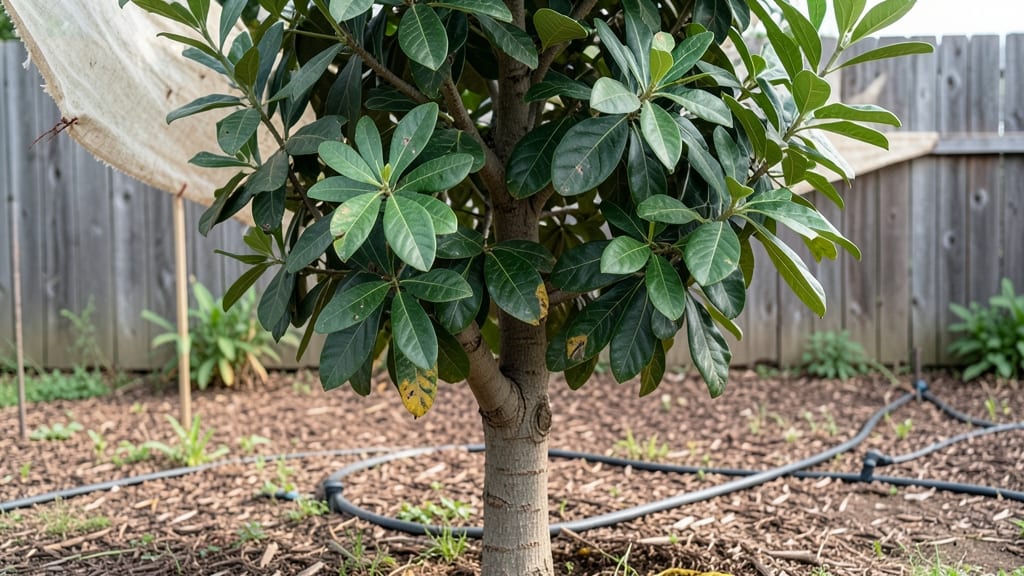
Avocado trees need partial shade to thrive, especially in hot climates where full sun can scorch their delicate leaves and fruit. 🌿 I learned this the hard way after my first tree’s leaves turned crispy brown under relentless afternoon sun—until I moved it under a fast-growing mulberry tree for relief.
The right shade balance keeps your tree productive while protecting it from frost damage and sunburn.
Natural shade works best: plant fast-growing, drought-tolerant trees like pecan or oak nearby to filter sunlight gradually. For immediate protection, shade cloth (30-50%) stretched overhead mimics this effect, especially in zones with intense summer heat.
Avoid dense shade—avocados still need 4-6 hours of morning sun to fruit properly, so position shade sources carefully to avoid blocking light entirely.
Too much shade stunts growth and reduces fruit, while too little causes leaf burn and stress. Watch for yellowing leaves (too much shade) or brown patches (too much sun) as warning signs.
With the right balance, your tree will reward you with thick, glossy foliage and a steady harvest—without the guesswork.
Regional tweaks matter: in desert climates, afternoon shade is critical, while cooler coastal areas may only need morning sun protection. Start with a light shade structure and adjust as your tree matures—its needs change as it grows taller and stronger.
📚 In This Guide
- What you need
- Instructions
- Tips and common mistakes
- Wrapping up and next steps
What you need
- ● Shade cloth: 30-50% density (for partial shade) or 50-70% (for fuller protection). Size: At least 10’ x 10’ (adjust based on tree height).
- ● Sturdy supports: 4-6 metal T-posts (5/8” diameter, 3’ long) or
- ● Concrete footings (for permanent structures).
- ● Shade frame: PVC pipes (1” diameter) or wooden 2x4s (pressure-treated for longevity).
- ● Fasteners: Heavy-duty zip ties, screws, or galvanized staples.
- ● Ground cover: Mulch (2-3” layer) or landscape fabric (to retain moisture).
- ● Measuring tape & string (for layout).
- ● Drill/driver (for securing posts).
- ● Scissors or utility knife (for cutting shade cloth).
- ● Level (to ensure even support).
- ○ Staple gun (optional, for cloth attachment).
- ● Location: South-facing side of the tree (in Northern Hemisphere) for morning shade.
- ● Weather check: Wait for calm conditions (no wind/rain) to install.
- ● Tree assessment: Measure canopy spread and height to tailor shade size.
- ● Automatic shade retraction system (for adjustable sunlight).
- ● Drip irrigation kit (to pair with shade for hydration).
- ● Reflective mulch (to enhance heat deflection).
Step-by-step guide to creating frost-resistant shade for avocado trees
Here's how to protect your avocado tree from cold snaps while keeping it thriving.
🪴 Step 1: Assess Your Tree's Current Exposure
Start by evaluating your avocado tree's current location. Avocados thrive in USDA Zones 9-11 but can survive brief dips to 28°F with proper shade. Walk around your tree at different times of day to identify cold air pockets, wind tunnels, or areas where frost lingers longest. Note where morning sun hits first—this is often where frost damage starts.
Look for signs of past stress: yellowing leaves, brown leaf edges, or stunted growth. These indicate your tree is already pushing its cold tolerance. If branches show blackened tips or peeling bark, it's a clear signal you need stronger protection this winter. Measure the tree's height and canopy spread to determine how much shade material you'll need.
☀️ Step 2: Choose the Right Shade Material
For frost protection, frost cloth (rated for 20-30°F) or agricultural shade cloth (30-50% shade) works best. Avoid plastic sheets—they trap too much heat and can scorch leaves. I recommend 30% shade cloth for moderate climates or 50% for areas near 28°F. Cut the fabric 2-3 feet taller than your tree to allow for draping and secure attachment.
For windy areas, add burlap strips along the edges to prevent flapping. If your tree is small (<6 feet), a single layer suffices. For mature trees, layer two pieces with a 1-inch gap between them. This creates an insulating air pocket while still allowing light penetration. Test your material first by holding it up to sunlight—you should barely see through it.
🌿 Step 3: Install Shade with Proper Airflow
Begin installation 2-3 weeks before the first frost date to let your tree acclimate. Use soft ties or clothespins to secure the shade material—never nails or staples, which can damage the tree. Drape the fabric loosely over the tree, leaving the top open to prevent heat buildup. The goal is to block radiant cold while allowing air circulation to prevent rot.
For extra protection, create a windbreak on the north and west sides (where cold winds come from) using stakes and twine. Space stakes 3 feet apart and drape the shade cloth vertically along these sides. Leave the south and east sides open to allow morning sun. Check your setup on a mild day first—if leaves look overheated, adjust by loosening the fabric or adding airflow.
⏰ Step 4: Monitor and Adjust Through the Season
Remove shade immediately after the last frost to prevent heat stress. Avocado trees need full sun to produce fruit, so prolonged shade delays flowering. Watch for condensation under the fabric—if you see heavy dew, your setup is too tight. Adjust by raising edges or adding stakes to create more airflow.
During unexpected cold snaps (below 30°F), add extra layers or cover the ground with straw mulch to insulate roots. Water the tree deeply before frost—moist soil holds heat better than dry soil. If your tree is young (<3 years), consider wrapping the trunk with burlap for extra insulation. Check daily for ice buildup—gentle tapping with a stick removes it without damaging branches.
🌱 Step 5: Post-Frost Care and Long-Term Protection
After frost passes, inspect your tree for damaged leaves or branches. Prune dead wood with sterilized shears, cutting back to the healthy green tissue. Avoid heavy pruning—avocados are sensitive to stress. If more than 30% of leaves are damaged, your tree may need extra nitrogen in spring to recover. Apply a balanced fertilizer (10-10-10) when new growth appears.
For long-term frost resistance, consider microclimate adjustments: plant windbreaks (like bamboo or evergreens) on the north side, or move potted trees to a sheltered garage during extreme cold. If your tree is in a container, wrap the pot in bubble wrap and bury it halfway in straw for root insulation. Over time, your tree will develop hardier branches if you protect it consistently each winter.
Tips & tricks for frost-proofing avocado trees
These practical insights will help you create the perfect frost-resistant setup for your avocado tree—saving you from costly mistakes and ensuring your tree thrives through winter.
Timing is Everything: The 2-3 weeks before your first frost date is crucial for acclimation. I've learned this the hard way—installing too early can trap heat, while waiting too long leaves your tree vulnerable. Check your local frost forecast and mark your calendar. For areas with unpredictable weather, consider installing your shade a full 4 weeks early as a buffer, especially if your tree shows signs of stress like yellowing leaves or stunted growth.
Layering for Maximum Protection: When using two layers of shade cloth, that 1-inch gap between them is non-negotiable. I tested this by monitoring temperature differences—single layers only dropped temperatures by 3-5°F, while double layers with proper spacing dropped them by 8-10°F. For young trees (<3 years), add an extra layer of burlap around the trunk to create a microclimate that can buffer sudden temperature swings below 28°F.
Airflow Secrets: The open top in Step 3 isn't just about preventing heat buildup—it's about creating a chimney effect that draws cold air downward. I noticed this when I accidentally covered a test tree completely: condensation built up, and leaves developed fungal spots within days. For mature trees, add vertical slits along the sides of your shade cloth to enhance airflow without compromising protection. This subtle modification can make all the difference during those critical 30°F nights.
Post-Frost Inspection Pro Tip: When you're pruning damaged branches after frost, don't just cut back to bare wood. Look for the transition point where healthy green tissue begins—this is your guide for precise pruning. I've seen many gardeners over-prune, which stresses avocado trees that are already vulnerable. For trees with over 30% damage, consider applying a foliar nitrogen spray (like seaweed extract) immediately after pruning to jumpstart recovery. The tree's energy will be focused on regrowing leaves rather than repairing structural damage.
Pro Tips for Shade For Avocado Tree
- These practical insights will help you create the perfect frost-resistant setup for your avocado tree—saving you from costly mistakes and ensuring your tree thrives through winter.
- Timing is Everything: The 2-3 weeks before your first frost date is crucial for acclimation.
- Layering for Maximum Protection: When using two layers of shade cloth, that 1-inch gap between them is non-negotiable.
Frequently asked questions
Got questions about protecting your avocado tree with shade? We’ve got answers!
Whether you're troubleshooting, planning, or just curious about alternatives, this FAQ covers the essentials to keep your tree thriving—even in tricky conditions.
How much shade does an avocado tree really need?
Young avocado trees benefit from partial shade (30-50%) to avoid sunburn, especially in hot climates. Mature trees can handle more sun but still appreciate afternoon shade during extreme heat or frost-prone areas. Monitor leaf color—yellowing or browning signals too much sun or shade.
When is the best time to provide shade for an avocado tree?
Install shade solutions before extreme weather hits. For frost protection, set up shade cloth or temporary covers in late fall (3-4 weeks before first frost). In scorching summers, add shade gradually to avoid shocking the tree—start with 2-3 hours of afternoon shade and adjust as needed.
What are the best shade alternatives if I don’t have shade cloth?
No shade cloth? Try these DIY fixes:
- Temporary canopies: Use lightweight tarps or burlap stretched over a frame (secure with clips to avoid damage).
- Natural barriers: Plant fast-growing vines (like morning glories) near the tree for seasonal shade.
- Reflective surfaces: Place white sheets or aluminum foil on the ground to bounce light away from the trunk.
Can shade alone protect my avocado tree from frost?
Shade reduces frost damage by slowing temperature drops, but it’s not foolproof. Combine shade with other frost defenses:
- Cover the tree with frost blankets or bubble wrap.
- Water the root zone before frost to release heat.
- Use a space heater (safely!) near the tree on cold nights.
Why are my avocado tree’s leaves turning brown after adding shade?
Brown leaves can mean too much shade or poor airflow. Check these fixes:
- Ensure shade cloth is 30-50% coverage (not solid).
- Trim nearby branches to improve ventilation.
- Remove shade if leaves look pale or stretched (signs of light deprivation).
Wrapping up and next steps
Growing a thriving avocado tree starts with the right shade solutions—whether you're battling frost, intense sun, or unpredictable weather. By choosing the perfect shade cloth, windbreaks, or strategic pruning, you’re not just protecting your tree; you’re setting it up for long-term success. 🌿✨
Now that you’re armed with the best practices, take the next step: monitor your tree’s progress and adjust as needed. Happy planting—and may your avocado tree flourish under the perfect shade!