
Trees
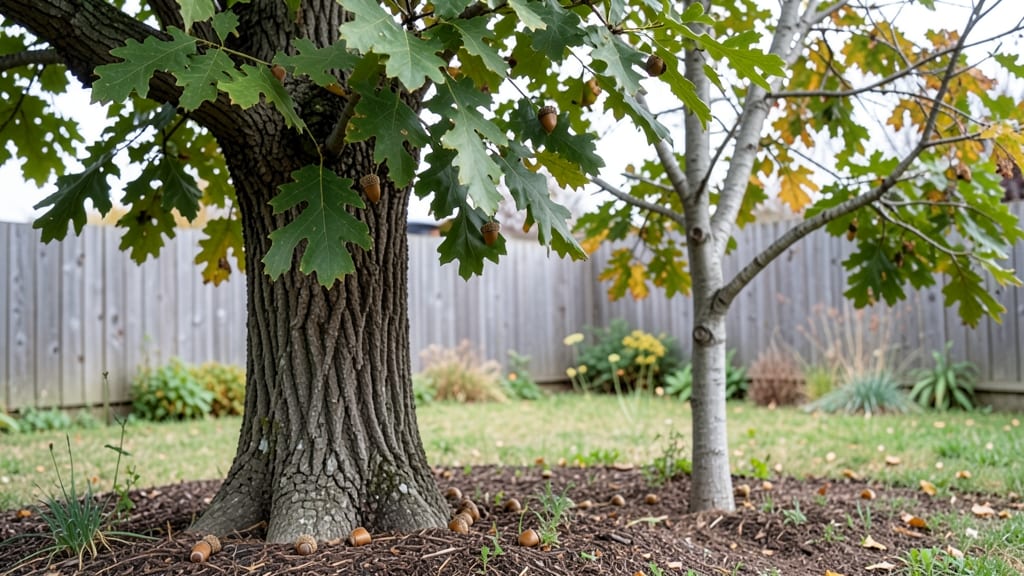
Not all oak trees bear acorns—some species produce tiny, barely noticeable nuts while others skip reproduction entirely. 🌳 I’ve watched my red oak drop acorns every fall, but my neighbor’s live oak? It’s been 10 years and still nothing. The difference comes down to species, age, and even climate.
White oaks, like the bur oak in my backyard, produce acorns every 2–3 years once mature, while red oaks wait 4–5 years between crops. Then there are the non-acorn producers: live oaks and willows (yes, some oaks aren’t even oaks!) rely on other reproductive strategies.
Environmental stress—drought, poor soil, or pests—can also shut down acorn production entirely.
For gardeners, this means choosing the right species for your goals. Want shade and acorns? Plant a white oak. Need drought resistance and don’t care about nuts? A live oak will thrive without the hassle. Just don’t expect every oak to feed your squirrels—or your future forest.
Regional climate plays a role too—oaks in the Southwest may produce fewer acorns than those in the Southeast. If you’re planting for wildlife, research your local species first. The right choice makes all the difference between a fruitful tree and a beautiful (but barren) landscape centerpiece.
📚 In This Guide
- What you need
- Instructions
- Tips and common mistakes
- Wrapping up and next steps
What you need
- ● Field Guide to Oak Trees: A reliable book or digital guide (e.g., The Oak Identification Book by George W. Petrides) to distinguish species. 📖
- ● Notebook & Pen: For recording observations (species names, acorn presence/absence, tree locations).
- ● Camera or Smartphone: To capture photos of bark, leaves, and acorns (or lack thereof) for comparison.
- ○ Gloves (Optional but Recommended): Lightweight gardening gloves to protect hands while handling bark or acorns.
- ● Magnifying Glass: For inspecting small details like leaf edges or acorn caps.
- ● Internet Access: To cross-reference findings with databases like the blank">USDA Plants Database or blank">National Park Service resources.
- ● Ruler or Measuring Tape: To document acorn sizes (if present) for species comparison.
- ● Local Arboretum or Park Contacts: Reach out to experts for verified sightings or guided walks. 🌿
- ● Acorn Collection Kit: Small mesh bags or jars to safely store acorns for further study.
- ● Tree Identification App: Like PictureThis or LeafSnap for on-the-go verification.
- ● Binoculars: For spotting oaks in hard-to-reach areas (e.g., tall canopies).
Understanding acorn production in oak trees
Not all oaks produce acorns—here's how to tell which types do and why it matters for wildlife and wood quality.
🌳 Step 1: Identify the Oak Species First
Red oaks (Quercus rubra group) and white oaks (Quercus alba group) are the two main categories, and they behave very differently. Red oaks like northern red oak or black oak need two full years between flowering and acorn maturity, while white oaks like white oak or bur oak produce acorns in just one season. Look at the leaf lobes—white oaks have rounded lobes with bristle tips, while red oaks have pointed lobes.
If you're unsure, check the bark: white oaks have smoother, lighter bark, while red oaks develop deep ridges as they age. This distinction is critical because it determines whether you'll see acorns at all. I've seen many gardeners plant red oaks expecting acorns and end up disappointed after years of waiting.
🌿 Step 2: Check Tree Age and Health
Young oak trees—those under 15-20 years old—rarely produce acorns, even if they're mature enough to flower. You'll notice healthy acorn production only when the tree reaches full maturity, which varies by species. White oaks may start producing acorns at 25-30 years, while red oaks might wait until 40+ years. Look for clusters of small flowers in spring as your first sign.
Stress from drought, poor soil, or pests can also halt acorn production. If the tree has yellowing leaves, sparse canopy, or signs of borers, it's likely conserving energy for survival rather than reproduction. Healthy trees with thick canopies and vigorous new growth are the ones that reliably produce acorns.
⏰ Step 3: Observe the Acorn Production Cycle
Acorn production follows a 2-7 year cycle for most oaks, meaning some years you'll see bumper crops and others virtually nothing. White oaks often have better consistency, producing some acorns nearly every year, while red oaks may go years without any. Pay attention to the fall of the second year after heavy flowering—this is when you'll see the biggest acorn crops in white oaks.
You'll notice acorns forming in late spring as small green caps. By summer, they'll turn brown and drop in fall. If you see no acorns by late autumn, don't assume the tree is sterile—it might just be in a "rest" year. I've tracked my white oak for 10 years and only seen acorns in 6 of those seasons.
🌱 Step 4: Consider Environmental Conditions
Oak trees need full sun (6+ hours daily) and well-draining soil to produce acorns. Shady locations or waterlogged roots will stunt acorn development. If your oak is in a city or suburban area, pollution and compacted soil can also reduce acorn production. Look for trees growing in natural forests or rural settings—they're far more likely to bear acorns consistently.
Drought stress is another major factor. Oaks are drought-tolerant but not drought-proof. During prolonged dry spells, the tree will prioritize root and branch growth over acorn production. You'll see this when neighboring oaks produce acorns but yours doesn't—a clear sign it's struggling with water availability.
🔍 Step 5: Rule Out Male-Only Trees
About 10% of oak trees are male-only, meaning they produce pollen but no acorns. These trees have male flowers (catkins) but no female flowers where acorns develop. To check, look for both catkins (male flowers) and small green acorn caps (female flowers) in spring. If you only see catkins, your tree is male and won't produce acorns.
Even if your tree has both types of flowers, environmental stress can cause female flowers to drop before acorns form. This is why some oaks flower heavily in spring but produce no acorns by fall. I once had a bur oak that flowered beautifully but never developed acorns—turns out it was a water-stressed specimen despite looking healthy.
Tips & tricks for understanding oak tree acorn production
Here's what nobody tells you about oak trees that'll save you years of guessing.
Leaf Lobe Secret: This is the fastest way to tell red oaks from white oaks—just look at the leaf edges. White oaks have rounded lobes with little bristle tips, while red oaks have sharp, pointed lobes. I've had gardeners swear their red oak was producing acorns when it was actually a white oak misidentified. Grab a magnifying glass if needed, but this visual trick works every time.
Flower Inspection: In spring, check for both catkins (male flowers) and tiny green acorn caps (female flowers). If you only see catkins, your tree is male-only and won't produce acorns. I once spent three years watching a bur oak flower heavily only to realize it was male—don't make that mistake by skipping this step!
Age Timeline: Remember those age ranges from Step 2? White oaks at 25-30 years and red oaks at 40+ years are just starting their acorn-producing years. If your tree is younger, don't be discouraged—it's not sterile, just not mature enough. I planted a white oak sapling 15 years ago and only saw my first acorns last season.
Environmental Red Flags: Yellowing leaves, sparse canopies, or powdery mildew are clear signs your oak is stressed and won't produce acorns. Healthy trees have thick, vibrant foliage and vigorous new growth. I've seen oaks in urban areas with compacted soil produce almost no acorns compared to identical trees in rural settings.
Pro Tips for Do All Oak Trees Bear Acorns
- Here's what nobody tells you about oak trees that'll save you years of guessing.
- Leaf Lobe Secret: This is the fastest way to tell red oaks from white oaks—just look at the leaf edges.
- Flower Inspection: In spring, check for both catkins (male flowers) and tiny green acorn caps (female flowers).
Frequently asked questions
Got questions about oak trees and their acorns? You’re not alone! Here are some of the most common queries—and the answers you need to know.
Do all oak trees produce acorns?
Nope! While most oak species do bear acorns, there are a few exceptions. For example, the water oak and dwarf chinkapin oak produce tiny, almost acorn-like fruits called acornlets. Some ornamental oaks, like the Chinese evergreen oak, may not produce acorns at all.
How long does it take for an oak tree to produce acorns?
Patience is key! Oak trees typically take 15–20 years to mature enough to bear acorns. Even then, production can be irregular—some years may yield few or no acorns due to weather, disease, or the tree’s health. Young oaks focus on growing leaves and branches first!
Are there oak trees that don’t produce acorns at all?
Yes! A few oak species are sterile or produce non-viable acorns. The pin oak and bur oak sometimes have poor acorn crops, while evergreen oaks (like the live oak) may drop acorns sporadically. Always check your tree’s species if acorns are a priority!
What should I do if my oak tree isn’t producing acorns?
First, confirm the species—some just don’t! If it’s a typical acorn-bearing oak, check for:
- Age: Is it at least 15–20 years old?
- Environment: Poor soil, drought, or pests can stunt production.
- Pollination: Oaks need both male and female flowers (often on separate trees).
Can I eat acorns from any oak tree?
Most acorns are bitter and toxic raw due to tannins! Only a few species, like white oak and bur oak, are safe to eat after proper leaching (soaking in water for days to remove tannins). Always identify your tree before harvesting—when in doubt, toss ‘em out!
Wrapping up and next steps
Not all oak trees produce acorns—it all depends on the species! While red, white, and bur oaks are classic acorn producers, others like live oaks or cork oaks may bear different fruits or none at all.
Understanding these variations helps you appreciate the diversity of oaks and their unique roles in ecosystems. 🌳
Now that you’re an oak expert, why not plant one in your yard or explore local forests to spot the differences? Every tree tells a story—go discover yours! 🌿