
Pruning
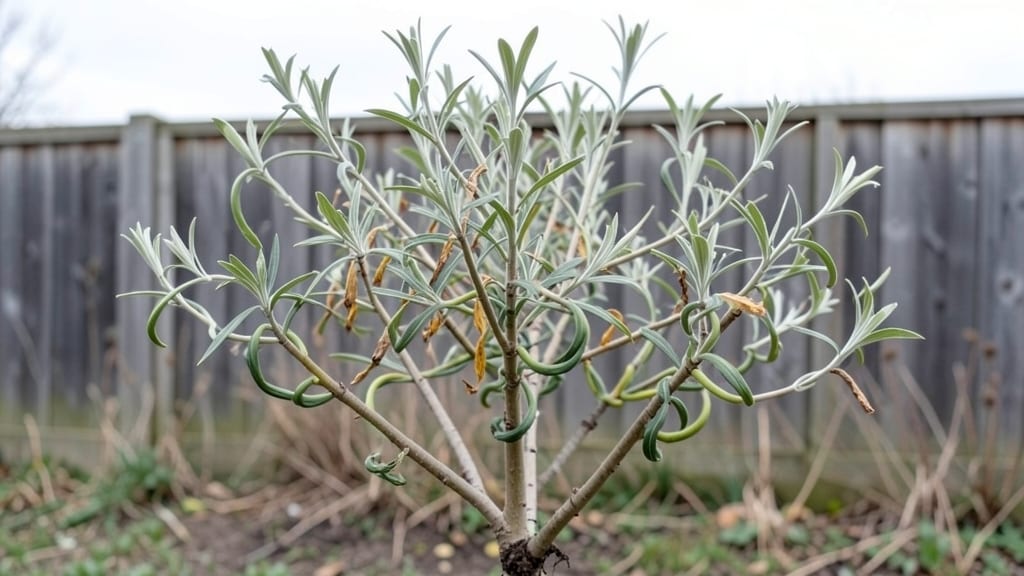
These stunning corkscrew willow tree pictures prove why the twisted branches turn any Pacific Northwest landscape into a living sculpture—frame your pond with their silvery-green artistry. 🌿 The way their spiraling limbs catch the light—especially in winter—makes them impossible to ignore.
This tree thrives in moist soil and full sun, making it perfect for rain gardens or near water features. Its dramatic shape works in both spacious yards and small urban spaces, as long as you give it room to grow—up to 20 feet tall with a 15-foot spread.
The best part? It’s low-maintenance once established, with minimal pruning needed to shape its signature curls.
Imagine your garden in autumn when the branches turn golden, or in winter when they stand stark against snow. Pair it with hostas for contrast or add lighting to highlight its architectural form at night. The corkscrew willow doesn’t just grow—it performs year-round.
Whether you’re designing a focal point or adding texture to a mixed border, this tree delivers drama with minimal effort. Let’s explore how to make it the star of your outdoor space!
📚 In This Guide
- What you need
- Instructions
- Tips and common mistakes
- Wrapping up and next steps
What you need
- ● Corkscrew Willow Tree: 1 healthy Salix matsudana 'Tortuosa' sapling (3–5 ft tall, container-grown or bare-root).
- ○ Optional: Pre-pruned specimen for instant visual impact.
- ● Planting Supplies: 1 5-gallon hole (wider than the root ball).
- ● 6–8 cubic feet of well-draining soil mix (compost + native soil, 50/50 ratio).
- ● 1 slow-release fertilizer (10-10-10 NPK, 1 lb per tree).
- ● 1 mulch layer (3–4 inches of wood chips or pine straw).
- ● Pruning Tools: 1 pair bypass pruners (for clean cuts on branches <½" thick).
- ● 1 loppers (for branches ½"–2" thick).
- ● 1 pruning saw (for thicker branches, if needed).
- ● 1 disinfectant (70% isopropyl alcohol or bleach solution).
- ● Safety Gear: 1 pair gloves (cut-resistant for pruning).
- ● 1 safety glasses (to protect from debris).
- ● 1 tree stake (if planting in windy areas).
- ● 1 tree tie (for securing stakes).
- ● 1 watering wand (for gentle post-planting hydration).
- ● 1 tree paint (to seal cuts on larger branches).
- ● 1 camera or smartphone (to capture those gorgeous corkscrew twists! 📸).
How to select and plant a corkscrew willow in the Pacific Northwest
This striking tree thrives with minimal fuss—just follow these steps for a showstopper landscape feature.
🪴 Step 1: Choose the Right Location for Your Tree
The corkscrew willow (Salix matsudana 'Tortuosa') needs space to showcase its dramatic spiraling branches. Plant it at least 15 feet from structures and 20 feet from other trees to prevent root competition and allow its mature 25-35 foot spread. In the Pacific Northwest’s mild climate, it tolerates USDA zones 5-8, but it prefers full sun to partial shade—morning sun with afternoon shade works best in hotter inland areas like Portland.
Check your soil’s drainage before planting. Corkscrew willows hate soggy roots, so avoid low spots where water pools. If your yard has heavy clay, amend the planting hole with 2-3 inches of compost mixed into the native soil. You’ll know you’ve picked the right spot when the area gets at least 6 hours of sunlight daily and has well-draining soil.
🌱 Step 2: Prepare the Planting Hole and Soil
Dig a hole twice as wide as the tree’s root ball but no deeper—planting too deep suffocates roots. For a 5-gallon container-grown tree, aim for a 3-foot-wide hole. Loosen the sides of the hole with a shovel to encourage root spread into the surrounding soil. Mix the removed soil with a 50/50 blend of native soil and compost—this improves fertility without overwhelming the tree.
Place the tree in the hole so the top of the root ball sits level with the surrounding soil. Fill the hole halfway, then water deeply to settle the soil and remove air pockets. Corkscrew willows establish best when planted in early spring or fall, giving roots time to settle before summer heat or winter frost. If planting in summer, do it on a cool, cloudy day to reduce transplant shock.
☀️ Step 3: Water and Mulch for Establishment
After planting, water the tree deeply once a week for the first two months, providing 10-15 gallons of water per session. You’ll know you’re watering correctly when the soil feels moist 6 inches below the surface. Overwatering is worse than underwatering—let the top 2 inches of soil dry out between waterings to prevent root rot.
Spread 3 inches of mulch (wood chips or bark) over the soil surface, keeping it 6 inches away from the trunk to prevent moisture buildup that causes rot. Mulch helps retain soil moisture and regulates temperature, which is especially helpful in the PNW’s rainy winters and dry summers. Replenish mulch annually to maintain its protective layer.
✂️ Step 4: Prune and Maintain for Long-Term Health
Corkscrew willows rarely need pruning, but you can lightly shape the tree in late winter before new growth begins. Remove any dead, crossing, or rubbing branches with clean, sharp pruners to improve airflow and maintain its iconic spiral form. Avoid heavy pruning—this tree’s beauty lies in its natural, twisting branches. If a branch breaks in a storm, prune it back to a healthy lateral branch or the trunk.
Fertilize young trees in early spring with a balanced 10-10-10 fertilizer, applying ½ cup per inch of trunk diameter. Mature trees rarely need fertilizer unless growth slows, which is uncommon in the PNW’s fertile soils. Watch for signs of stress like yellowing leaves or stunted growth—these often signal overwatering, underwatering, or nutrient deficiency.
🌿 Step 5: Enjoy and Protect Its Unique Form
The corkscrew willow’s spiral branches are its signature feature, so avoid heavy pruning that could alter its shape. In the Pacific Northwest, this tree thrives with minimal care—just water consistently the first year and mulch annually. Its silver-gray bark and golden-yellow foliage make it a standout in gardens, especially near ponds or streams where its weeping habit adds movement.
If you’re planting near a water feature, ensure the tree isn’t too close to the edge—its roots can spread aggressively. In urban areas, its drought tolerance once established makes it a low-maintenance choice. With proper placement, your corkscrew willow will become a lifelong focal point in your landscape.
Tips & tricks for perfect corkscrew willow planting in the Pacific Northwest
These simple but game-changing tips will help your corkscrew willow thrive and showcase its stunning spiral branches.
Location is Everything: In Step 1, when choosing your spot, pay extra attention to that 6 hours of sunlight requirement. If you're in a shadier area, position the tree where it gets morning sun and afternoon shade—this prevents leaf scorch while still encouraging healthy growth. I've seen willows planted in full shade struggle to develop their signature twisting branches, so don't compromise on light exposure.
Soil Prep Secret: For Step 2, if your soil tests heavy clay, don't just add compost—work it in thoroughly. The instructions mention 2-3 inches of compost, but I recommend mixing it into the bottom 6 inches of the hole for better root establishment. This creates a nutrient-rich zone right where new roots will grow most actively.
Watering Wisdom: The two months of weekly watering in Step 3 is crucial, but timing matters just as much. Water in the early morning to let foliage dry before evening—this prevents fungal issues common in the PNW's damp climate. And remember, 10-15 gallons per session means using a hose with a flow restrictor or watering can with a spout for precision.
Mulching Mastery: When applying that 3 inches of mulch in Step 3, use wood chips or bark specifically labeled "tree-safe". Avoid dyed mulch or cedar chips, which can inhibit root growth. The mulch ring should extend to the drip line of the tree's branches—this protects roots from temperature swings and retains moisture better than a smaller ring.
Pro Tips for Corkscrew Willow Tree Pictures
- These simple but game-changing tips will help your corkscrew willow thrive and showcase its stunning spiral branches.
- Location is Everything: In Step 1, when choosing your spot, pay extra attention to that 6 hours of sunlight requirement.
- Soil Prep Secret: For Step 2, if your soil tests heavy clay, don't just add compost—work it in thoroughly.
Frequently asked questions
Got questions about the corkscrew willow’s unique charm and care? Here are some of the most common inquiries from gardeners and landscape enthusiasts in the Pacific Northwest:
How fast does a corkscrew willow grow, and when will it reach its full twisted shape?
The corkscrew willow (Salix matsudana 'Tortuosa') grows 3–5 feet per year in ideal conditions, reaching maturity (15–25 feet tall) in about 5–10 years. Its signature twisted branches typically develop fully by age 3–5, though pruning can accelerate or refine the effect. In the PNW’s mild climate, growth slows slightly in winter but remains robust year-round.
Can I prune a corkscrew willow to control its size or shape?
Yes! Prune in late winter or early spring (before new growth) to shape the tree or reduce size. Avoid heavy cuts—focus on removing crossing branches or overgrowth to maintain its airy, sculptural form. Never prune more than 25% of the canopy at once, as this can stress the tree. For dramatic twists, lightly trim straighter branches to encourage spiral growth.
Is the corkscrew willow drought-tolerant, or does it need frequent watering?
While established corkscrew willows are moderately drought-tolerant, young trees (under 3 years) thrive with regular watering (1–2 inches per week). In the PNW’s rainy climate, supplemental watering may not be needed, but mulch heavily to retain moisture. Avoid waterlogged soil—ensure drainage is good to prevent root rot.
Are corkscrew willows messy? Do they drop a lot of debris or seeds?
Not as messy as other willows! They shed minimal leaves and produce fewer seeds than weeping willows, but expect some twig drop in late winter. To reduce clutter, prune lightly in early spring and mulch around the base. Their unique branches also catch snow, creating stunning winter displays—just shake them out if needed!
What’s a good alternative if I want a twisted tree but the corkscrew willow won’t thrive in my yard?
If your site has poor drainage, high winds, or compacted soil, consider these PNW-friendly alternatives:
- Contorted Filbert (Corylus avellana 'Contorta')
- Hornbeam (Carpinus betulus 'Fastigiata') – for vertical twists
- Smokebush (Cotinus coggygria 'Royal Purple') – wavy branches, drought-tolerant
Wrapping up and next steps
The corkscrew willow isn’t just a stunning addition to your Pacific Northwest landscape—it’s a living work of art that thrives with the right care. 🌿 From its dramatic, twisting branches to its adaptable nature, this tree offers both beauty and practicality, especially when pruned to perfection.
Whether you’re a seasoned gardener or a curious beginner, the key takeaway is simple: embrace its unique charm while keeping maintenance manageable.
Ready to transform your outdoor space? Start small—pick one section of your yard or garden to plant or prune your corkscrew willow today! With patience and the right techniques, you’ll soon be the envy of the neighborhood with this twisting masterpiece as your centerpiece.