Pruning
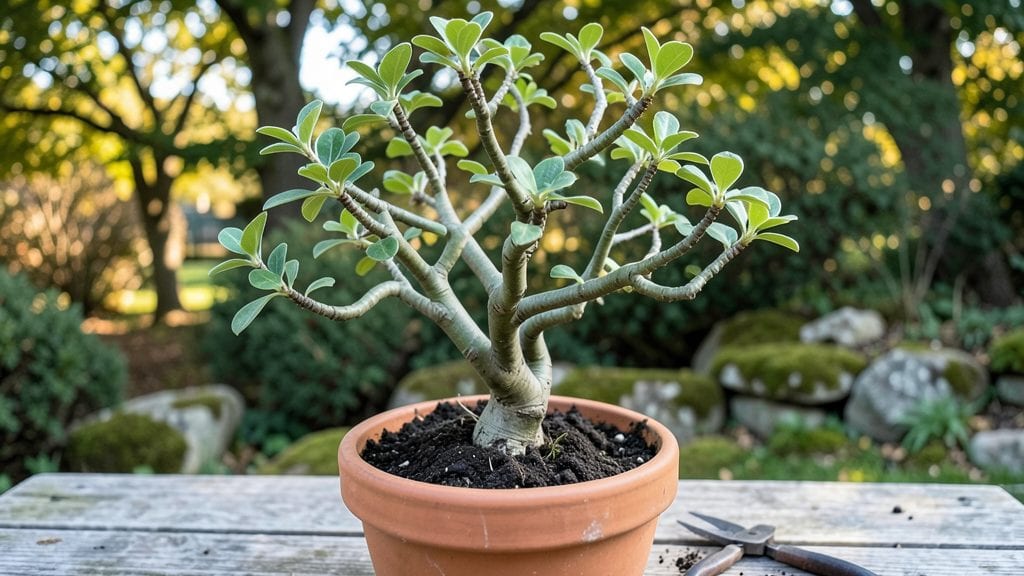
That contorted hazelnut tree with its gravity-defying branches is the kind of plant that makes neighbors stop and stare. 🌿 I’ve grown Corylus avellana contorta for years, and its twisted, sculptural form never fails to impress—even in winter when most plants are dormant.
The secret lies in its resilience: this tree thrives in cold climates, handles poor soil better than most, and keeps its striking shape with minimal fuss.
You’ll need a spot with partial shade to full sun, well-draining soil, and patience—this isn’t a fast grower, but the wait is worth it.
The branches twist and spiral naturally, creating a living work of art that’s perfect for small gardens, containers, or as a focal point in a landscape. Plant it in early spring or fall, and give it space to stretch its arms (literally) without competition.
Pruning is simple: just remove dead or crossing branches in late winter. The tree’s unique form comes from its genetics, not forced bending, so resist the urge to shape it aggressively.
With time, you’ll end up with a dramatic, frost-proof centerpiece that looks as good in winter as it does in summer, covered in tiny catkins and nuts.
It’s adaptable to zones 3-8, making it a great choice for cold climates where other ornamentals struggle. Once established, it’s nearly maintenance-free—just water during droughts and admire the show. Ready to grow a tree that turns heads and outlasts the seasons?
📚 In This Guide
- What you need
- Instructions
- Tips and common mistakes
- Wrapping up and next steps
What you need
- ● Pruning shears: Bypass pruners (sharp, clean, and sterilized with rubbing alcohol to prevent disease). Recommended: Felco F-2 or similar.
- ● Loppers: For thicker branches (1.5"–2" diameter). Look for ratchet-style for ease on stubborn cuts.
- ● Pruning saw: Curved-tooth saw for branches 2"–3"+ thick (e.g., Fiskars or Bahco).
- ● Gloves: Heavy-duty, cut-resistant gloves (e.g., Mechanix or pruning-specific).
- ● Disinfectant: 70% isopropyl alcohol or copper-based spray to sterilize tools between cuts.
- ○ Sealing wax: Optional but helpful for large cuts (>1" diameter) to prevent disease (e.g., Tanglefoot Tree Wound Pruning Seal).
- ● Ladder or step stool: For reaching higher branches safely. Pro tip: Use a stable, 3-legged stool for balance!
- ○ Pruning rope or twine: Optional for temporarily supporting heavy branches during shaping.
- ● Best time to prune: Late winter or early spring (before buds swell) to avoid frost damage to fresh cuts.
- ● Weather check: Prune on a dry, calm day—no rain or wind for 24 hours before/after.
- ○ Safety gear: Optional but smart: Safety glasses, long sleeves, and closed-toe shoes.
- ● Cleanup supplies: Heavy-duty trash bags (for debris) and a wheelbarrow or bucket for hauling.
- ● ✨ Inspect first: Scan the tree for dead, diseased, or crossing branches—these take priority!
- ● 🔥 Sharp tools = happy cuts: Dull shears crush branches, inviting rot. Sharpen blades before starting.
- ● 🌡️ Temperature matters: Avoid pruning if temps are below 40°F (4°C)—sap flow slows, healing takes longer.
How to plant and care for a Corylus avellana contorta tree
This stunning, frost-resistant tree thrives with minimal fuss once you get the basics right.
🌱 Step 1: Choose the Perfect Planting Spot
Find a location with full sun to partial shade—at least 6 hours of sunlight daily—but protect it from harsh afternoon sun in hotter climates. The contorted filbert's twisted branches need space to grow naturally, so plant it 15-20 feet from structures or other trees. Dig a hole twice as wide as the root ball but only as deep—this prevents burying the trunk too deeply.
I always check the soil drainage first by digging a small test hole. If water pools after 30 minutes, amend the soil with 2-3 inches of compost or plant on a slight mound. The contorted filbert handles poor soil better than soggy roots, but it still needs decent drainage to avoid root rot.
☀️ Step 2: Plant at the Right Time and Depth
Spring or early fall are ideal planting times. Handle the bare-root tree gently—never let roots dry out before planting. Soak the roots in lukewarm water for 1 hour before placing it in the hole. Position the tree so the top of the root ball sits 1-2 inches above ground level—this prevents water from settling against the trunk and causing rot.
Backfill with native soil, tamping lightly as you go to remove air pockets. Water deeply until the soil settles, then add a 2-inch layer of mulch (keeping it 6 inches away from the trunk). The contorted filbert's unique growth habit means it won’t need staking, but if your area gets windy, a light support stake for the first year keeps it steady.
💧 Step 3: Water and Fertilize for Strong Growth
Water deeply once a week for the first growing season, ensuring moisture reaches 12 inches down. You’ll know it’s enough when the soil feels damp but not soggy. After the first year, the contorted filbert becomes drought-tolerant, but young trees still need consistent moisture. Reduce watering in winter unless there’s no snow cover.
Fertilize lightly in early spring with a balanced, slow-release fertilizer (10-10-10). Avoid heavy feeding—the contorted filbert’s slow growth means it doesn’t need much. I use ½ cup of fertilizer per year for mature trees, spread evenly around the drip line. Prune only to remove dead or crossing branches in late winter, never to shape its natural twist.
✂️ Step 4: Protect and Maintain Its Unique Form
The contorted filbert’s beauty lies in its natural, gnarled branches, so resist the urge to prune for symmetry. In early spring, remove only dead, diseased, or rubbing branches with clean, sharp pruners. The tree’s twisted growth is frost-hardy, but young branches can scorch in intense sun—watch for leaf burn and provide afternoon shade if needed.
Mulch annually in late fall with 2-3 inches of organic material (like shredded bark) to protect roots from temperature swings. The contorted filbert’s slow growth means it won’t outgrow its space quickly, but give it 20-30 years to reach its full, dramatic silhouette. Patience is key—its branches will only get more intricate with time.
Tips & tricks for perfect Corylus avellana contorta tree planting
Here’s what I’ve learned after watching these unique trees thrive in my own garden—simple tricks that make all the difference.
Soil Test First: Before planting, I always do a quick soil test by digging a small hole and filling it with water. If it drains completely within 30 minutes (as mentioned in Step 1), you’re good to go. If water lingers, amend with 2-3 inches of compost—this tree tolerates poor soil but despises soggy roots. I’ve seen too many contorted filberts suffer from root rot because of ignored drainage warnings.
Root Soaking Secret: The 1-hour lukewarm water soak for bare roots in Step 2 isn’t just about hydration—it’s about reviving any dried-out roots and helping them absorb nutrients faster. I’ve found that adding a splash of seaweed extract to this water gives the roots an extra boost of growth hormones. Just don’t overdo it—soaking longer than an hour can actually damage the delicate roots.
Mulching Matters: That 2-inch layer of mulch in Step 2 is more important than you might think. Spread it evenly, keeping it 6 inches away from the trunk to prevent rot. I use shredded bark because it breaks down slowly and improves soil structure over time. In winter, this mulch layer acts like an insulating blanket, protecting roots from temperature swings that could stress the tree.
Patience Pays Off: Remember when Step 4 mentions giving this tree 20-30 years to reach its full glory? That’s not just a suggestion—it’s a reality check. I planted mine 10 years ago, and while it’s stunning, its most intricate branches are still developing. The key is to resist the urge to prune for symmetry. Trust the natural process—those twisted branches will only become more dramatic with time.
Pro Tips for Corylus Avellana Contorta Tree
- Here’s what I’ve learned after watching these unique trees thrive in my own garden—simple tricks that make all the difference.
- Soil Test First: Before planting, I always do a quick soil test by digging a small hole and filling it with water.
- Root Soaking Secret: The 1-hour lukewarm water soak for bare roots in Step 2 isn’t just about hydration—it’s about reviving any dried-out roots and helping them absorb nutrients faster.
Frequently asked questions
Got questions about the Corylus avellana contorta (Harry Lauder’s Walking Stick)?
You’re not alone! Here are some of the most common queries—and their answers—to help you grow and prune this stunning twisted tree like a pro.
How fast does the Corylus avellana contorta grow?
This tree grows at a moderate pace, typically adding 12–24 inches per year under ideal conditions. Its slow growth contributes to its dramatic, gnarled branches—so patience is key! Expect full maturity (with its signature twists) in 10–20 years. Pro tip: Prune lightly in early spring to encourage denser branching.
Is this tree cold-hardy enough for my climate?
The Corylus avellana contorta thrives in USDA zones 4–8, making it perfect for frosty regions. It’s highly resilient to cold snaps, drought, and even urban pollution. Just ensure it gets full sun to partial shade—its twisted form will reward your patience year after year.
When’s the best time to prune for maximum twists?
Prune late winter or early spring (before new growth) to shape the tree without stressing it. Avoid heavy cuts—this tree’s magic lies in its natural contortions. Focus on removing dead or crossing branches and thinning out crowded growth. Never prune in fall, as it can stimulate tender new shoots vulnerable to frost.
Can I grow this tree in a container?
Yes! While it’s not ideal long-term, young Corylus avellana contorta trees can thrive in large containers (15+ gallons) for 3–5 years. Use well-draining soil and a pot with drainage holes. Move it outdoors in summer and indoors (near a bright window) in winter. Warning: Root-bound trees may grow slower and develop fewer twists.
What pests or diseases should I watch for?
This tree is pest-resistant, but keep an eye out for:
Healthy soil and proper pruning are your best defenses!
Wrapping up and next steps
The Corylus avellana contorta—or contorted hazel—is a breathtaking addition to any garden, blending artistic flair with hardy resilience. Its twisting branches and frost-defying nature make it a low-maintenance yet stunning focal point, perfect for both novice and seasoned gardeners.
Whether you’re pruning for shape, health, or simply admiring its beauty, this tree rewards patience and care with year-round charm.
Ready to bring its magic to your outdoor space? Start by gathering your tools, reviewing the pruning tips, and scheduling your first trim—your contorted hazel will thank you with graceful, frost-proof elegance for decades to come! 🌿✨