
Pruning
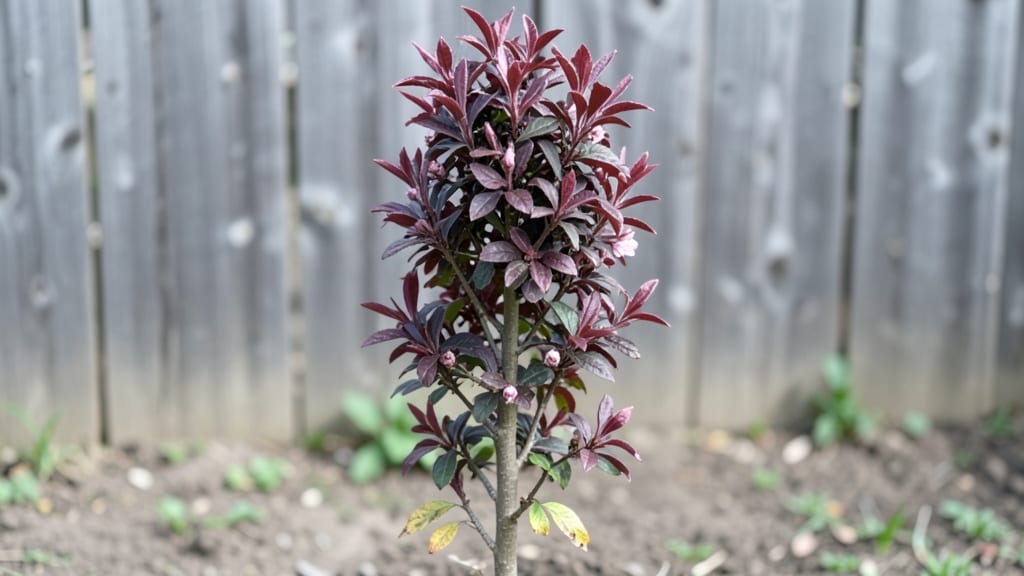
Growing a columnar plum tree in the Pacific Northwest means year-round fruit and foliage that turns heads. 🌿 I planted mine last spring, and the narrow, upright shape fits perfectly in tight spaces while producing more plums than I know what to do with.
The key isn't just planting—it's understanding how to shape it through the seasons so it stays productive and healthy.
These trees thrive in full sun and well-draining soil, but the real magic happens with pruning at the right times.
You'll need sharp pruners, a ladder for taller branches, and a clear plan for winter shaping—something I learned the hard way when my first pruning session left a messy, leggy mess. The good news?
Once you get the rhythm, it becomes second nature, and your tree will reward you with dense canopies of fruit every summer.
What you end up with is a tree that looks like a living sculpture year-round: glossy green leaves in spring, white blossoms in early summer, and plums ripening by late July.
The columnar shape means you can plant them closer together than standard plums, creating a living fence that produces fruit. Plus, the narrow form makes harvesting easier—no more wrestling with sprawling branches.
We'll cover everything from planting to seasonal pruning schedules, plus how to handle common pests like plum curculio without chemicals. Whether you're working with a brand-new sapling or an established tree that's gotten a little wild, this blueprint will help you keep it thriving for decades. Let's get started!
📚 In This Guide
- What you need
- Instructions
- Tips and common mistakes
- Wrapping up and next steps
What you need
- ● Pruning shears – Sharp, bypass type (for clean cuts on small branches). Quantity: 1 pair.
- ● Loppers – For thicker branches (1–2 inches in diameter). Quantity: 1 pair.
- ● Pruning saw – Heavy-duty, curved-tooth blade for thick branches (2+ inches). Quantity: 1.
- ● Gloves – Garden-grade, cut-resistant (e.g., leather or heavy-duty fabric). Quantity: 1 pair.
- ● Disinfectant – 70% isopropyl alcohol or rubbing alcohol to sterilize tools. Quantity: Small bottle.
- ● Rag or paper towels – For wiping tools between cuts. Quantity: 2–3.
- ● Ladder or step stool – Sturdy, non-slip (if tree exceeds 6 feet). Height: 6–10 feet.
- ● Trash bags or bucket – For collecting pruned branches. Size: 13-gallon or larger.
- ● Hand pruners with ratcheting mechanism – For stubborn cuts (e.g., Felco F-2).
- ● Tree wound dressing – Not required for plum trees (they seal cuts naturally), but useful for large wounds.
- ● Marking spray paint – Bright-colored (e.g., pink or yellow) to tag branches for removal.
- ● Safety glasses – Protects eyes from debris (especially when using a saw).
- ● Knee pads or stool – For comfort during extended pruning sessions.
Instructions for pruning your columnar plum tree in the Pacific Northwest
Here's the seasonal approach I've used for years to keep my columnar plum thriving in our rainy, mild climate.
✂️ Step 1: Winter Pruning for Structure (Late January-February)
Start by removing dead, diseased, or crossing branches with sharp pruning shears. I always sterilize my tools with rubbing alcohol first—this prevents spreading any fungal spores lurking from last season. Look for branches that rub against each other or grow inward; these create wounds that invite disease in our damp climate.
Next, cut back any suckers at the base—those vigorous shoots that pop up from the ground or trunk. Use clean cuts at a 45-degree angle just above an outward-facing bud. This encourages strong growth patterns and prevents water from pooling on the wound. I like to make these cuts on a dry day when the tree isn't actively stressed.
☀️ Step 2: Light Summer Pruning (June-July)
In summer, focus on shaping rather than heavy cutting. Remove any water sprouts—those fast-growing vertical shoots that appear along branches. These compete with fruit production and make the tree look leggy. I trim these back to just above a leaf node where side branches can develop.
Also watch for overcrowded fruit clusters. If you see more than 3-4 plums growing on one spur, thin them out. This ensures larger, higher-quality fruit and prevents branches from breaking under the weight. I do this in late June when the fruit is still small—easier to handle and less stressful for the tree.
🍂 Step 3: Post-Harvest Cleanup (Late August-September)
After harvest, remove any diseased fruit mummies still clinging to branches. These dried-up fruits harbor fungal spores that can overwinter and infect next year's crop. I also take out any weak growth that didn't produce well—this redirects the tree's energy toward stronger, more productive wood.
This is also when I do light thinning of dense foliage. Our Pacific Northwest summers can get humid, and thick canopies trap moisture, encouraging fungal diseases. I make small cuts to improve air circulation while maintaining the columnar shape. Never remove more than 20% of the foliage at once—this prevents shocking the tree.
🌱 Step 4: Dormant Season Maintenance (November-December)
In late fall, I do a final walkthrough to remove any remaining dead wood or branches that might have escaped winter pruning. This keeps the tree clean and ready for spring growth. I also apply a dormant oil spray (like horticultural oil) to smother any overwintering pests—especially important in our mild winters where some insects stay active.
Here's the thing—columnar plums need less aggressive pruning than standard trees. The goal is maintenance, not radical reshaping. I avoid heavy cuts in winter unless absolutely necessary, as our wet springs can stress fresh wounds. Instead, I focus on selective trimming that keeps the tree's distinctive vertical form while maximizing fruit production.
Tips & tricks for pruning columnar plum trees
These seasonal secrets will help your columnar plum thrive in our unique Pacific Northwest climate.
The Tool Factor: Always sterilize your pruning shears with rubbing alcohol between cuts—especially in our damp climate where fungal spores spread easily. I keep a small bottle of 70% isopropyl alcohol in my pruning kit and wipe down tools after each branch. This simple step prevents spreading diseases like silver leaf fungus that can devastate plum trees. For larger branches, I use loppers with a bypass blade—they make cleaner cuts that heal faster than the shearing action of anvil pruners.
Timing Secret: In Step 1 (Late January-February), wait for a dry day to prune—our rainy winters can cause fresh wounds to rot. I check the forecast for at least 24 hours of dry weather before making any cuts larger than a pencil diameter. The 45-degree angle cuts mentioned in Step 1 should face outward from the branch collar to promote proper healing. I mark these angles with a piece of masking tape before cutting to ensure consistency.
Fruit Quality Focus: When thinning overcrowded fruit clusters in Step 2 (June-July), look for plums that are uniformly shaped and spaced along the branch. I leave the largest, healthiest-looking fruit while removing smaller or misshapen ones. This not only improves size but also prevents branches from bending under the weight. In our humid summers, I also remove any fruit with brown spots—these often indicate early signs of brown rot that can spread quickly.
Seasonal Strategy: Our mild Pacific Northwest winters mean some pests stay active year-round. That's why I apply dormant oil spray in Step 4 (November-December)—it smothers overwintering insects without harming the tree. I use a horticultural oil labeled for dormant season application and spray in the late afternoon when temperatures are above 40°F but below 60°F. This timing prevents oil from volatilizing too quickly and ensures good coverage of hiding pests.
Pro Tips for Columnar Plum Tree
- These seasonal secrets will help your columnar plum thrive in our unique Pacific Northwest climate.
- The Tool Factor: Always sterilize your pruning shears with rubbing alcohol between cuts—especially in our damp climate where fungal spores spread easily.
- Timing Secret: In Step 1 (Late January-February), wait for a dry day to prune—our rainy winters can cause fresh wounds to rot.
Frequently asked questions
Got questions about keeping your columnar plum tree thriving in the Pacific Northwest? You’re not alone! Here are answers to the most common concerns—from pruning timing to troubleshooting issues—so you can enjoy a healthy, productive tree year-round.
When is the best time to prune a columnar plum tree in the PNW?
Prune your columnar plum tree late winter or early spring (February–March) before buds swell but before new growth starts. Avoid pruning in fall or winter when the tree is dormant, as this can invite disease. In the PNW’s mild climate, spring pruning ensures strong growth and minimizes fungal risks.
How much can I trim back a columnar plum tree without harming it?
Columnar plum trees are tolerant of light pruning—you can safely remove up to 20–30% of the tree’s height in a single session. Avoid heavy pruning (cutting back more than 1/3 of the canopy), as this stresses the tree. Focus on shaping, deadwood removal, and opening the center for airflow. Use sharp tools to make clean cuts just above outward-facing buds.
Why are my columnar plum tree’s leaves yellowing or dropping?
Yellowing leaves (chlorosis) or premature leaf drop often signal nutrient deficiencies, overwatering, or fungal issues. Check soil moisture—PNW’s damp climate can lead to root rot if soil stays soggy. Test soil pH (ideal: 6.0–7.0) and amend with compost or iron supplements if needed. Fungal diseases (like brown rot) may require fungicide treatment; prune infected branches immediately.
Can I grow a columnar plum tree in a container, or does it need to be planted in the ground?
While columnar plum trees thrive in the ground, they can grow in large containers (20+ gallons) for 2–3 years if given well-draining soil, full sun, and regular watering. Use a fast-draining potting mix and repot every 2–3 years. However, they’ll need more frequent pruning to control size and may produce fewer fruits long-term compared to in-ground planting.
What’s the best alternative if I want a low-maintenance, columnar fruit tree?
If columnar plum trees seem high-maintenance, consider these PNW-friendly alternatives:
- Columnar apple trees (e.g., ‘Urban Apple’): Disease-resistant and productive.
- Dwarf pear trees (e.g., ‘Centennial’): Compact and cold-hardy.
- Espaliered fruit trees: Trainable on walls/fences with similar space-saving benefits.
- Blueberry bushes: Hardy, low-maintenance, and edible (though not columnar).
Wrapping up and next steps
Your columnar plum tree in the Pacific Northwest is now primed for year-round success! 🌿 By mastering the art of seasonal pruning—from winter’s bold cuts to summer’s gentle shaping—you’ll ensure a thriving, productive tree that rewards you with stunning blooms and delicious fruit.
Remember, consistency is key, so schedule those check-ins and enjoy the process.
Ready to take the next step? Start small:
- Grab your pruners and revisit your tree in 6 months to refine your technique.
- Share your progress with fellow gardeners—join a local PNW horticulture group for tips and inspiration!