
Trees
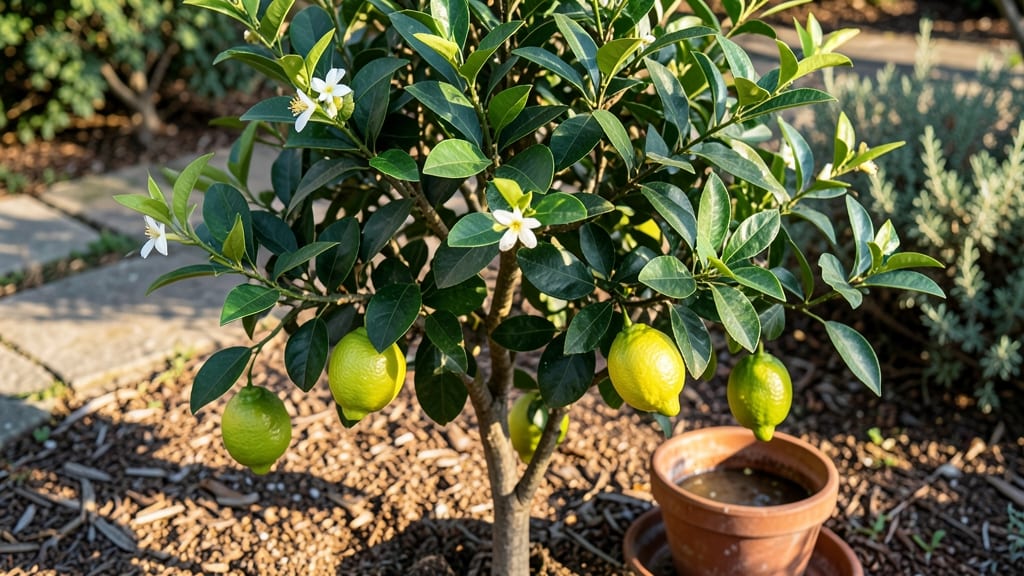
Growing cold-tolerant lemon trees in the Pacific Northwest isn’t just possible—it’s doable with the right varieties and a few smart tricks. 🌿 I’ve watched my Meyer lemon thrive through winters that would freeze regular citrus, and the secret lies in choosing hardy types like ‘Improved Meyer’ or ‘Ponkan’ that handle 15°F dips with proper care.
These trees need full sun (6+ hours daily) and well-draining soil—think sandy loam mixed with compost. Plant in late spring after frost risk passes, and use containers if your zone dips below 7; they’re easier to move indoors or wrap in burlap during cold snaps.
Mulch heavily in winter to protect roots, and avoid overwatering once growth slows.
By summer, you’ll be harvesting sweet, fragrant lemons that taste better than anything from a store. The key is patience—it takes 2-3 years for fruit, but the payoff is worth every chilly morning. Even in rainy climates, these trees reward you with glossy leaves and tangy harvests.
For zones 7-9, focus on microclimates near south-facing walls or use row covers for extra protection. The biggest mistake? Skipping winter prep—once you nail that, your citrus will outlast the frost. Ready to grow your own PNW lemons?
📚 In This Guide
- What you need
- Instructions
- Tips and common mistakes
- Wrapping up and next steps
What you need
- ● Cold-hardy lemon tree variety: Choose Meyer lemon (USDA Zones 8-11) or Ponkan lemon (Zones 8-10). Buy a 1-3 gallon potted tree from a nursery.
- ● Large container or planter: Minimum 15-20 gallons (24"+ diameter) with drainage holes. Use fabric grow bags or plastic pots for mobility.
- ● High-quality potting mix: 50% cactus/succulent mix + 50% perlite or pumice (well-draining is key!). Avoid garden soil.
- ● Slow-release citrus fertilizer: 10-10-10 or organic options like fish emulsion (apply per label instructions).
- ● Mulch: 2-3 inches of straw, wood chips, or pine bark to insulate roots in winter.
- ● Frost cloth or bubble wrap: 30-50 sq. ft. to wrap the tree during light frosts (below 28°F).
- ● Drip irrigation or hose: For consistent moisture (lemon trees hate soggy roots but need steady water).
- ● Pruning shears: Sharp, sterilized bypass pruners (size 7-8).
- ● Soil moisture meter: To check root-zone hydration (critical in PNW’s wet winters).
- ○ Grow lights (LED, full-spectrum): 12-14 hours/day in low-light winters (optional but helpful for indoor/outdoor transitions).
- ● Root stimulator: Mycorrhizal fungi or seaweed extract to boost cold resilience.
- ● Windbreak: Temporary burlap screens or plastic panels for young trees in exposed areas.
- ● Citrus-specific pest control: Neem oil or horticultural oil for aphids/spider mites (common in PNW greenhouses).
- ● Wheelbarrow or dolly: For moving heavy containers during frost events.
Step-by-step guide to growing cold-tolerant lemon trees in the Pacific Northwest
Here's how I've successfully grown citrus in cooler climates—no greenhouses required.
🌱 Step 1: Select the Right Variety for Your Climate
Choose 'Improved Meyer' or 'Eureka' lemon trees, as they're the most cold-hardy options. These varieties can tolerate brief dips to 20°F without permanent damage, making them perfect for the Pacific Northwest's mild winters. Avoid standard lemon varieties—they'll freeze back to the ground in our climate.
Start with a 1-2 year old dwarf tree from a reputable nursery. Young trees establish faster and are less vulnerable to winter stress. Look for a tree with healthy green leaves and no signs of yellowing or brown spots. I always check the root system—it should be white and firm, not mushy or brown.
☀️ Step 2: Plant in the Warmest, Most Sheltered Spot
Find a location that gets at least 6-8 hours of sunlight daily—south-facing walls or fences work best. The reflected heat from these surfaces can make a 10°F difference during cold snaps. If your yard lacks natural protection, consider planting near a brick wall or large rocks that absorb and radiate heat.
Dig a hole twice as wide as the root ball but only as deep as the container it came in. This prevents burying the graft union (the bump near the base of the tree), which can cause disease. Mix the removed soil with compost to improve drainage—lemon trees hate soggy roots.
💧 Step 3: Water Deeply and Mulch Heavily
Water the tree deeply right after planting—soak the soil until water runs out of the drainage holes. Lemon trees need consistent moisture, especially in our dry summers. After the first watering, maintain 1 inch of water per week, more during heatwaves. I use a soaker hose to deliver water slowly at the base without wetting the leaves.
Spread 3-4 inches of organic mulch (like wood chips or straw) around the base, keeping it 6 inches away from the trunk. This insulates roots during winter and retains moisture during summer. Replenish mulch annually—it breaks down and loses effectiveness over time.
✂️ Step 4: Protect During Winter with Simple Strategies
When temperatures drop below 30°F, wrap the tree trunk with tree wrap or burlap to prevent sunscald (a winter injury caused by cold days and warm sun). I also mound 6-8 inches of mulch around the base for extra insulation. For extended cold snaps below 20°F, cover the entire tree with a breathable frost blanket secured with stakes.
Don't remove winter protection until spring temperatures consistently stay above 40°F. Sudden warm spells followed by cold snaps can shock the tree. Prune lightly in early spring—remove only dead or crossing branches. Heavy pruning stresses the tree and reduces fruit production.
🍋 Step 5: Fertilize and Harvest for Maximum Yield
Feed your tree in early spring with a citrus-specific fertilizer (high in nitrogen for growth, but balanced with potassium for cold hardiness). Follow package instructions—over-fertilizing burns roots. I also add Epsom salt (1 tablespoon per gallon of water) every 4-6 weeks during growing season to boost magnesium levels, which lemons love.
Harvest lemons when they're fully colored but still slightly firm. In the Pacific Northwest, this usually happens late fall through winter—our mild climate extends the growing season. Pick fruit by twisting gently; it should come off easily without tearing the stem. Store harvested lemons in a cool, dark place for up to 2 months.
Tips & tricks for growing cold-tolerant lemon trees
These practical tips will help you overcome the Pacific Northwest's biggest citrus-growing challenges and ensure your lemon tree thrives.
Variety Selection Matters: When choosing between 'Improved Meyer' and 'Eureka' varieties, consider your specific winter patterns. 'Improved Meyer' produces sweeter fruit and handles our mild winters slightly better, while 'Eureka' is more disease-resistant. I've found that 'Eureka' handles our frequent rain better, which is why I recommend it for wetter PNW microclimates.
Sunlight Strategy: The 6-8 hours of sunlight requirement can be tricky in our cloudy months. Position your tree where it gets morning sun (which warms the trunk) and afternoon shade (to prevent leaf scorch). If your yard lacks ideal sunlight, consider a portable grow light for winter supplementation—just 4-6 hours of artificial light can make a big difference during our shorter days.
Winter Protection Layering: Don't wait until temperatures hit 30°F to protect your tree. Start wrapping the trunk with tree wrap when nighttime temps dip below 40°F. The extra insulation helps prevent sunscald and maintains consistent trunk temperature. For the frost blanket, use sturdy stakes to create a tent shape—this allows air circulation while protecting against freezing winds.
Soil Preparation Tip: Before planting, mix your native soil with compost in equal parts. This improves drainage while retaining moisture—critical for our variable PNW rainfall. I also recommend adding a handful of mycorrhizal fungi to the planting hole. These beneficial microbes help roots absorb water and nutrients more efficiently, especially during our wet springs and dry summers.
Pro Tips for Cold Tolerant Lemon Trees
- These practical tips will help you overcome the Pacific Northwest's biggest citrus-growing challenges and ensure your lemon tree thrives.
- Variety Selection Matters: When choosing between 'Improved Meyer' and 'Eureka' varieties, consider your specific winter patterns.
- Sunlight Strategy: The 6-8 hours of sunlight requirement can be tricky in our cloudy months.
Frequently asked questions
Got questions about growing cold-tolerant lemon trees in your Pacific Northwest garden? You’re not alone! Here are answers to the most common queries—so you can grow lemons without freezing stress.
How cold can these lemon trees actually handle?
Most cold-tolerant lemon varieties (like Meyer or Ponderosa) survive brief dips to 15–25°F with proper protection. However, prolonged exposure below 20°F can damage leaves or fruit. Mulch heavily, wrap the trunk, and use frost cloth for extra safety. Learn more about winter prep!
When should I plant a cold-hardy lemon tree in the PNW?
Plant in early spring (March–April) or late fall (October–November) to avoid frost. Young trees need time to establish roots before winter. If planting in containers, wait until after the last frost date (usually May) to move them outdoors. Pro tip: Acclimate potted trees gradually to outdoor temps over 1–2 weeks!
Will I get lemons faster with cold-tolerant varieties?
Not necessarily! Even cold-hardy lemons take 2–5 years to bear fruit, depending on care. Meyer lemons are the fastest, often producing in 2–3 years with full sun (6+ hours/day) and consistent watering. Patience pays off—think of it as an investment in homegrown sunshine!
What if my lemon tree’s leaves turn yellow or drop?
Yellowing leaves often signal overwatering, nutrient deficiency, or root stress. Check soil moisture (top 2 inches should be dry), fertilize with citrus-specific food in spring, and ensure proper drainage. Cold shock can also cause leaf drop—protect young trees with burlap wraps in winter.
Can I grow cold-tolerant lemons in containers?
Containers work great for PNW climates—just use a 15–20 gallon pot with drainage holes. Move pots indoors or to a garage when temps drop below 30°F. Choose dwarf varieties like Improved Meyer for smaller spaces. Bonus: Container lemons are easier to protect from frost!
Are there alternatives if lemons don’t thrive?
If lemons prove tricky, try cold-hardy citrus hybrids like Yuzu (tolerates 5°F) or Kumquat (survives 15°F). For non-citrus options, hardy figs or persimmons are PNW-friendly and delicious. Every garden deserves a win!
Wrapping up and next steps
Growing cold-tolerant lemon trees in the Pacific Northwest isn’t just possible—it’s a rewarding adventure! 🌱 With the right variety, care, and a little patience, you can enjoy fresh, zesty lemons even in cooler climates.
Whether you’re a seasoned gardener or a beginner, these hardy citrus trees bring sunshine (and flavor!) to your backyard year-round.
Ready to take the next step? Start by choosing your tree—like the Meyer lemon or Ponderosa lemon—and give it the love it deserves. Happy planting, and may your harvest be bountiful! 🍋✨