
Pruning
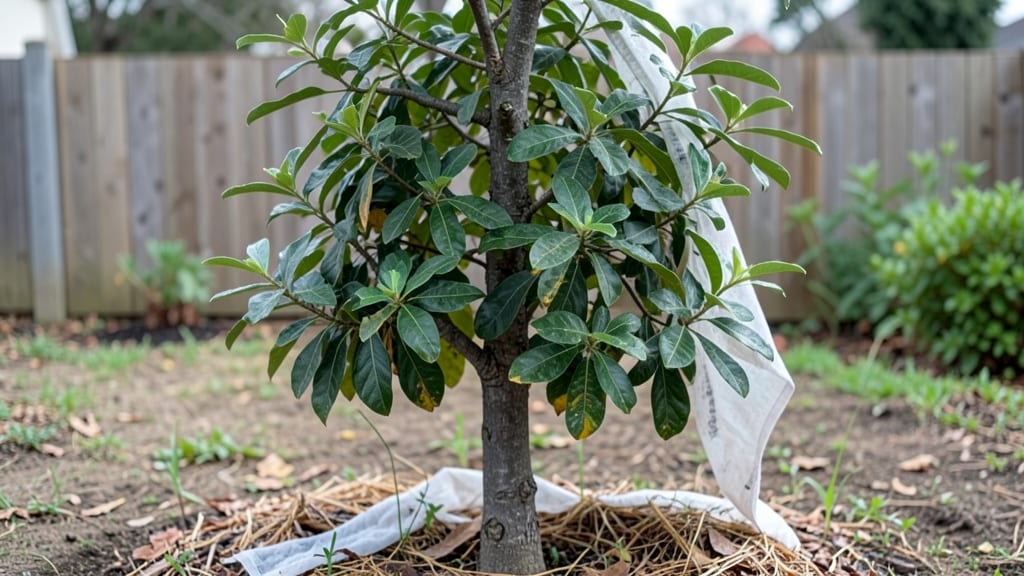
Growing a cold-resistant avocado tree in the Pacific Northwest isn’t just possible—it’s rewarding when you pick the right variety and prune like a pro. 🌱 I’ve watched my Hass trees survive winters with just a little extra care, and the harvest in summer makes every chilly morning worth it.
The secret starts with selecting cold-hardy types like 'Hass' or 'Gwen,' which can handle brief dips below 20°F with proper protection.
Your tree will need well-draining soil mixed with compost, a sunny spot with afternoon shade, and winter wraps like burlap or frost cloth when temperatures drop. Pruning in late winter removes dead wood and opens the canopy for better airflow—critical for preventing fungal issues.
I’ve found that shaping the tree into an open vase form lets sunlight reach all the fruit, even in our cloudy summers.
By summer, you’ll be rewarded with glossy green fruit ripening on the tree, ready to harvest when they yield slightly to gentle pressure. The trees thrive for decades with consistent care, and the buttery flavor of homegrown avocados? Unbeatable. Let’s get your tree growing strong through PNW winters and beyond.
This method works for other cool-climate zones too—just adjust your winter protection based on your local lows. Whether you’re in Seattle or Portland, these trees deliver tropical flavors without the tropical climate. Ready to grow your own?
📚 In This Guide
- What you need
- Instructions
- Tips and common mistakes
- Wrapping up and next steps
What you need
- ● Cold-hardy avocado sapling: Choose a variety like ‘Mexicola’ or ‘Hass’ (grafted for resilience). 1 plant (3-5 years old for best results).
- ● Well-draining soil mix: 50% native soil, 30% compost, and 20% perlite/sand (avocados hate soggy roots!).
- ○ Large container (optional but recommended): 15+ gallon pot with drainage holes if planting in-ground isn’t ideal.
- ● Mulch: 2-3 inches of wood chips or straw to insulate roots in winter.
- ● Slow-release fertilizer: Balanced 10-10-10 (apply 2-3 times/year, avoiding winter).
- ● Pruning shears: Bypass-style (sharp, clean cuts to prevent disease).
- ● Hand pruners: For smaller branches (1/4"–3/8" blades).
- ● Loppers: For thicker branches (up to 2" diameter).
- ● Disinfectant: 70% isopropyl alcohol or bleach solution (1:9) to sterilize tools between cuts.
- ○ Grafting tools (optional): If propagating from cuttings, use a sharp grafting knife and grafting tape.
- ● Burlap wraps or frost cloth: 1-2 layers to shield the trunk from freezing temps (below 20°F/-7°C).
- ○ Heat mat (optional): For potted trees in extreme cold (25W–50W, placed under the pot).
- ● Windbreak: Temporary plastic sheeting or lattice to block harsh PNW winds.
Step-by-Step Pacific Northwest pruning for cold resistant avocado trees
Here's how I keep my cold-hardy avocado thriving through PNW winters and loaded with fruit year-round.
✂️ Step 1: Prune for Winter Hardiness in Late Fall
Start pruning when daytime temperatures drop below 50°F—usually October to November in the Pacific Northwest. I focus on removing weak, crossing, or diseased branches first. These are the ones that won't survive winter frosts or compete with healthy growth for energy. Use clean, sharp pruners to make cuts at a 45-degree angle just above a leaf node or outward-facing bud.
Never remove more than one-third of the canopy at once—this stresses the tree and makes it vulnerable to cold damage. Look for branches that grow inward or rub against each other; these are prime candidates for removal. I also trim back any suckers (shoots growing from the base) to redirect energy to the main trunk. After pruning, rake up and dispose of all clippings to prevent fungal diseases from overwintering.
☀️ Step 2: Adjust Canopy for Sun Exposure in Early Spring
Once consistent daytime temperatures reach 55°F (typically March or April), it's time to shape the tree for optimal sunlight. Thin the canopy to allow at least 6 hours of direct sun to reach the inner branches—avocados need this for fruit production. Focus on removing branches that block light from the center of the tree, but leave some shade on the north and east sides to protect fruit from late-season frosts.
I make my cuts just above a leaf node where new growth can emerge. If a branch is too thick to cut by hand, use a pruning saw for clean cuts. After shaping, water deeply to help the tree recover from pruning stress. You'll notice new growth starting within 2-3 weeks—this is your signal that the tree is responding well.
🌱 Step 3: Summer Pruning for Airflow and Fruit Production
During June to August, prune to improve airflow and encourage fruit development. Remove any dead, broken, or diseased branches immediately, as these can harbor pests or diseases. Thin out overcrowded branches to reduce competition for nutrients, leaving 8-12 inches of space between branches. This spacing helps prevent fungal issues like anthracnose, which thrives in humid PNW summers.
I also trim back any water sprouts (fast-growing, vertical shoots) that appear after heavy pruning. These shoots divert energy away from fruit production. After pruning, apply a balanced fertilizer (like 10-10-10) to support new growth. Watch for new flower buds forming in late summer—these will develop into fruit next season.
⏰ Step 4: Light Winter Pruning to Remove Frost Damage
After hard frosts (typically December to February), inspect the tree for damaged or dead branches. These will appear brown, brittle, or mushy when touched. Use pruners to remove only the damaged portions, cutting back to healthy, green wood. Avoid heavy pruning now—the tree is already stressed from cold, and removing too much can delay spring recovery.
I also check for sucker growth at the base of the tree and trim these back to 6-8 inches to maintain a strong central leader. After pruning, apply a 2-3 inch layer of mulch around the base (but not touching the trunk) to insulate roots from temperature swings. This step ensures the tree enters dormancy strong and wakes up ready for spring growth.
Tips & tricks for perfect Pacific Northwest avocado pruning
A few key strategies will help you maintain a thriving cold-resistant avocado tree that produces fruit year-round in the PNW climate.
Timing is Everything: In Step 1, when daytime temperatures drop below 50°F—typically October to November—is the perfect window for winter hardiness pruning. I've learned the hard way that pruning too early can expose the tree to late-season frosts, while waiting too long risks stressing it before winter. Watch your local weather forecasts for the first hard frost date in your area and schedule your pruning 2-3 weeks before that. This timing gives the tree time to heal before winter sets in.
Cutting Technique Matters: When making your 45-degree angle cuts in Step 1, aim for just above a leaf node or outward-facing bud. I use a sharp pruning saw for thicker branches and always sterilize my tools with rubbing alcohol between cuts. This prevents disease transmission between branches. For the 6 hours of direct sun you need in Step 2, focus on removing branches that block light from the center while preserving some shade on the north and east sides—this protects fruit from late-season frosts that can still occur in the PNW.
Seasonal Adjustments: The summer pruning in Step 3 requires special attention to spacing—leave 8-12 inches between branches to prevent fungal issues like anthracose. I've found that after heavy pruning, applying a balanced 10-10-10 fertilizer helps support new growth. Watch for water sprouts that appear after pruning—these vertical shoots divert energy from fruit production, so trim them back promptly. In Step 4, when checking for frost damage, remember that brown, brittle branches are dead and must be removed completely, while slightly damaged branches can often recover if you cut back to healthy wood.
Pro Tips for Cold Resistant Avocado Tree
- A few key strategies will help you maintain a thriving cold-resistant avocado tree that produces fruit year-round in the PNW climate.
- Timing is Everything: In Step 1, when daytime temperatures drop below 50°F—typically October to November—is the perfect window for winter hardiness pruning.
- Cutting Technique Matters: When making your 45-degree angle cuts in Step 1, aim for just above a leaf node or outward-facing bud.
Frequently asked questions
Got questions about growing cold-resistant avocado trees in the Pacific Northwest? You’re not alone! Here are answers to the most common concerns—from pruning tips to winter survival strategies.
Can cold-resistant avocado trees survive freezing temperatures?
Yes! Varieties like Mexicola, Hass, or Wurtz can tolerate brief dips to 20°F (-7°C) with proper care. However, prolonged cold (<15°F/-9°C) may damage leaves or fruit. Protect young trees with mulch, windbreaks, or row covers during harsh winters.
When should I prune cold-resistant avocados in the PNW?
Prune late winter to early spring (Feb–March) before new growth starts. Avoid heavy pruning in fall—it reduces cold hardiness. Focus on removing dead wood, shaping the canopy, and thinning dense branches to improve airflow and sunlight exposure.
How do I protect my avocado tree from frost damage?
Use these 3-layer defenses:
- Mulch: Apply 4–6 inches of straw or wood chips around the base to insulate roots.
- Cover: Wrap the trunk with burlap or use a frost cloth over the canopy.
- Water: Deep-water the tree before frost to help roots withstand cold.
Can I grow avocados in containers in cold climates?
Dwarf varieties (like Mexicola) thrive in 15–20 gallon pots with drainage holes. Overwinter indoors near a sunny window or in a garage (keep temps above 40°F/4°C). Use a lightweight potting mix and fertilize lightly in winter.
Why are my avocado tree’s leaves turning yellow or black?
Yellow leaves often signal overwatering or nutrient deficiency (check for potassium/magnesium issues). Blackened leaves? Likely frost burn or fungal disease (e.g., root rot). Prune affected areas, improve drainage, and apply copper fungicide if needed. Prevention tip: Space trees 15–20 feet apart for airflow!
How long does it take for a cold-resistant avocado tree to bear fruit?
Patience is key! Dwarf varieties may produce fruit in 3–5 years, while standard trees take 5–7 years. Ensure full sun (6+ hours/day), consistent watering, and regular pruning to encourage flowering. Pro tip: Hand-pollinate flowers with a soft brush if bees are scarce!
Wrapping up and next steps
Growing a cold-resistant avocado tree in the Pacific Northwest is absolutely doable with the right pruning techniques! By mastering seasonal trimming, protecting your tree from frost, and nurturing its growth, you’ll enjoy year-round fruit—even in cooler climates. 🌱❄️
Ready to take the next step? Start by scheduling your first pruning session this fall and keep an eye on your tree’s health throughout the seasons. With patience and care, your avocado tree will thrive—and soon, you’ll be savoring homegrown avocados all year long!