
Fertilization
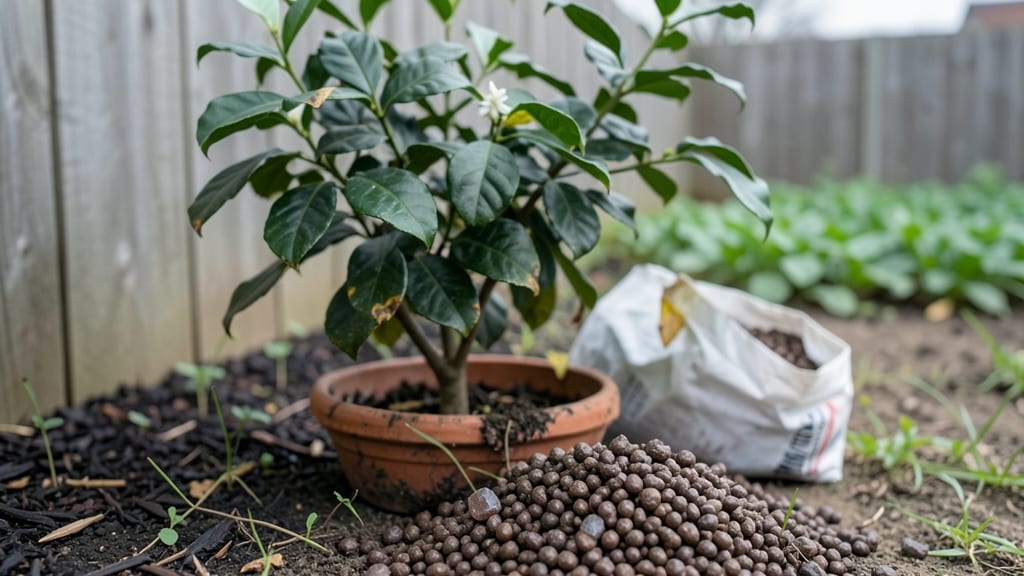
A nitrogen-rich fertilizer blend is the secret weapon behind my coffee tree’s record-breaking harvests—and it’s simpler than you’d think. 🌱 The key isn’t just throwing any fertilizer at the roots; it’s matching the nutrients to the tree’s growth stages, from leafy green flushes to fruit development.
My first attempt with generic all-purpose fertilizer left me with yellowing leaves and stunted cherries, but once I dialed in the right balance, the results were shocking.
You’ll need a high-nitrogen fertilizer (like 10-10-10 or 12-12-12) for early growth, but switch to a balanced or phosphorus-heavy blend (like 5-10-10) when buds form. Organic options—like coffee grounds, composted manure, or worm castings—work wonders too, especially in tropical climates where synthetic fertilizers can burn tender roots.
The trick is light applications every 4-6 weeks, not heavy doses that overwhelm the tree.
By mid-season, you’ll see deep green leaves, vigorous new shoots, and clusters of plump cherries—proof the tree is thriving. The real magic happens when you adjust based on what you observe: yellow leaves?
Boost nitrogen. Slow growth? Add phosphorus. And don’t forget to test your soil first—knowing your pH and existing nutrients saves time and money.
This method works for both backyard coffee trees and larger groves, whether you’re in Florida’s heat or a cooler microclimate. The only rule? Start slow, monitor closely, and let the tree guide you. Once you’ve got the rhythm, your harvests will outshine anything from a store-bought bag.
📚 In This Guide
- What you need
- Instructions
- Tips and common mistakes
- Wrapping up and next steps
What you need
- ● Balanced Fertilizer (10-10-10 or 20-20-20): 1–2 lbs (for small trees) or 3–5 lbs (for mature trees). Look for slow-release options for steady growth. 🌱
- ● Nitrogen Booster (Urea or Ammonium Sulfate): ½–1 lb per application. Avoid overdoing it—too much nitrogen burns roots! 🔥
- ● Compost or Organic Matter: 2–3 gallons (well-aged, no fresh manure). Think leaf mold, worm castings, or coffee grounds (yes, recycled! ☕)
- ● Phosphorus-Potassium (5-10-10 or 0-10-10): 1 lb per application. Supports root and fruit development.
- ● pH Test Kit: Essential! Coffee trees thrive in slightly acidic soil (pH 6.0–6.5). Adjust with lime (to raise pH) or sulfur (to lower). 📊
- ● Garden Gloves: Heavy-duty (nitrogen boosters can sting!).
- ● Hand Trowel or Spade: For mixing fertilizer into soil.
- ● Watering Can or Hose: With a gentle spray nozzle to avoid displacing fertilizer.
- ● Measuring Scoop or Scale: Precision matters! Avoid guesswork.
- ○ Mulch (Optional but Recommended): 2–3 inches of straw, wood chips, or pine bark. Retains moisture and regulates temperature. ❄️☀️
- ● Healthy, well-drained soil (test for compaction or clay).
- ● Pruned tree (remove dead/diseased branches before fertilizing).
- ● Clear weather forecast (apply fertilizer on a cloudy day or evening to prevent burn).
- ● Patience! Coffee trees take 3–5 years to bear fruit—consistency is key. ⏳
Step-by-Step guide to fertilizing coffee trees for maximum yield
Here’s how I feed my coffee trees to produce bold, high-quality beans year after year—without burning roots or overloading the soil.
🌱 Step 1: Test Soil and Understand Nutrient Needs
Before adding fertilizer, test your soil’s pH and nutrient levels. Coffee trees thrive in acidic soil (pH 6.0–6.5)—if yours is higher, amend with sulfur first. I use a simple DIY pH test kit (citric acid + baking soda) to check before fertilizing. Nitrogen is critical for leaf growth, but too much causes weak stems and fewer cherries.
Look for yellowing leaves (nitrogen deficiency) or stunted growth (phosphorus deficiency). If your soil lacks organic matter, mix in 2–3 inches of compost before applying synthetic blends. This ensures roots have a balanced foundation for absorbing nutrients.
💧 Step 2: Apply a Slow-Release Nitrogen Fertilizer
Use a 10-10-10 or 12-12-12 balanced fertilizer (nitrogen-phosphorus-potassium) in early spring when new growth begins. I sprinkle ½ cup per tree around the drip line (not the trunk) and water deeply to activate granules. For organic options, blood meal or fish emulsion work well—just halve the synthetic dose to avoid overfeeding.
Watch for dark green, glossy leaves after 4–6 weeks—that’s your sign nitrogen is working. If leaves turn brown at the edges, you’ve overdone it. Coffee trees are sensitive; never apply fertilizer when soil is dry—always water first to prevent root burn.
☀️ Step 3: Supplement with Micronutrients Mid-Season
In late spring or early summer, add a micronutrient blend (iron, magnesium, zinc) to prevent deficiencies. I use Epsom salt (magnesium sulfate)—dissolve 1 tablespoon per gallon of water and spray foliarly. For iron deficiency (yellow leaves with green veins), apply chelated iron directly to the soil.
Coffee trees also benefit from mycorrhizal fungi—mix 1 teaspoon of inoculant into the root zone when transplanting or fertilizing. This boosts nutrient uptake, especially in sandy or poor soils. You’ll see healthier root systems and faster recovery after harvest stress.
✂️ Step 4: Adjust Fertilizer Before and After Harvest
Reduce nitrogen 3 months before harvest to shift energy into fruit development. Switch to a low-nitrogen, high-phosphorus blend (5-10-10) to encourage cherry ripening. After picking, apply composted manure or worm castings to replenish organic matter—coffee trees are heavy feeders and deplete soil quickly.
Prune lightly in late winter to remove dead wood before fertilizing. This opens the canopy for better light penetration, which improves photosynthesis and nutrient absorption. Avoid heavy pruning after fertilizing—new growth is tender and prone to pests.
⏰ Step 5: Monitor and Adjust Year-Round
Check soil moisture weekly—coffee trees need 1–2 inches of water per week, but overwatering suffocates roots. I use a moisture meter to confirm before fertilizing; dry soil absorbs nutrients poorly. In drought-prone areas, drip irrigation with mulch (wood chips or straw) retains moisture and regulates temperature.
If your tree’s growth slows or leaves yellow, cut back on nitrogen and focus on phosphorus/potassium. Healthy coffee trees have thick, upright stems and shiny, dark green leaves. Adjust your blend based on these visual cues—don’t guess.
Tips & tricks for perfect coffee tree fertilization
These pro insights will help you nurture your coffee trees like a seasoned grower—without the guesswork that often leads to over- or under-fertilizing.
Soil Testing is Non-Negotiable: That DIY pH test kit in Step 1 isn't just a suggestion—it's your first line of defense. I've seen coffee trees with pH levels above 7.0 that produced bitter, low-yield cherries. Test annually, especially after heavy rains or if you notice leaf discoloration. For precise results, send a sample to a local extension service—they'll tell you exactly what's missing, not just the pH.
Timing is Everything with Nitrogen: The 4-6 week window for nitrogen results in Step 2 is critical because coffee trees metabolize nitrogen differently than other plants. Apply your fertilizer in early spring when new growth appears—this is when roots are most active. Pro tip: Split that ½ cup dose into two applications 3-4 weeks apart for more consistent results. And never fertilize after 6 PM to prevent leaf burn from evening dew.
Micronutrient Application Hacks: When supplementing with Epsom salt in Step 3, I've found that spraying foliarly works best on cloudy days—direct sunlight can cause leaf scorch. For chelated iron, mix it with a bit of citric acid (just ½ teaspoon per gallon) to enhance absorption. And that mycorrhizal fungi? Mix it with the compost you're adding—it'll colonize the roots naturally as you work the soil.
Harvest Timing Matters: That 3-month reduction in nitrogen before harvest in Step 4 isn't arbitrary—it's about directing the tree's energy. Start cutting back 12 weeks before your expected harvest date. I've seen trees that were over-fertilized right before picking produce cherries with higher acidity and lower sugar content. The flavor difference is noticeable when you brew!
Pro Tips for Coffee Tree Fertilizer
- These pro insights will help you nurture your coffee trees like a seasoned grower—without the guesswork that often leads to over- or under-fertilizing.
- Soil Testing is Non-Negotiable: That DIY pH test kit in Step 1 isn't just a suggestion—it's your first line of defense.
- Timing is Everything with Nitrogen: The 4-6 week window for nitrogen results in Step 2 is critical because coffee trees metabolize nitrogen differently than other plants.
Frequently asked questions
Got questions about keeping your coffee tree thriving with the right fertilizer? Here are some common concerns—and the answers you need to grow a bountiful harvest!
What’s the best time of year to fertilize a coffee tree?
Fertilize your coffee tree during its active growing season, typically from early spring to late summer. Avoid fertilizing in winter when growth slows. For tropical climates, split applications every 3–4 months work best. Always water well before and after to prevent root burn!
Can I over-fertilize my coffee tree?
Yes! Over-fertilizing can burn roots, stunt growth, or even kill your tree. Stick to the recommended dosage (usually 1–2 tbsp per foot of tree height) and monitor for signs like yellowing leaves or wilting. If in doubt, dilute your fertilizer or flush the soil with water.
Are there organic alternatives to synthetic coffee tree fertilizer?
Organic options like composted manure, worm castings, or fish emulsion work well. Coffee grounds (used sparingly) also add nitrogen, but balance them with phosphorus/potassium. Just ensure they’re well-decomposed to avoid mold or pests.
Why are my coffee tree leaves turning yellow after fertilizing?
Yellow leaves often signal over-fertilization or nutrient imbalance. Flush the soil with water to dilute excess salts, then switch to a balanced 10-10-10 fertilizer or one higher in iron (like chelated iron). Check for pests or root rot too—healthy soil = happy trees!
How often should I fertilize a mature coffee tree?
Mature trees (3+ years old) thrive with monthly light feedings during peak season or bi-weekly applications of a diluted fertilizer. In cooler months, reduce to every 6–8 weeks. Always adjust based on soil tests—consistency beats excess!
Wrapping up and next steps
Choosing the right coffee tree fertilizer—especially a nitrogen-rich blend—is the secret to thriving plants and bountiful harvests. 🌱 Whether you’re a seasoned gardener or just starting, balancing nutrients like nitrogen, phosphorus, and potassium (plus micronutrients) ensures your coffee trees stay healthy and productive.
Now that you’re armed with the knowledge, it’s time to take action—start experimenting with organic or synthetic fertilizers tailored to your soil and climate!
🚀 Ready to Grow?
Monitor your coffee trees’ progress, adjust fertilizing as needed, and enjoy the rewarding journey of nurturing your own harvest. Your future cup of coffee starts with the right care today!