
Pruning
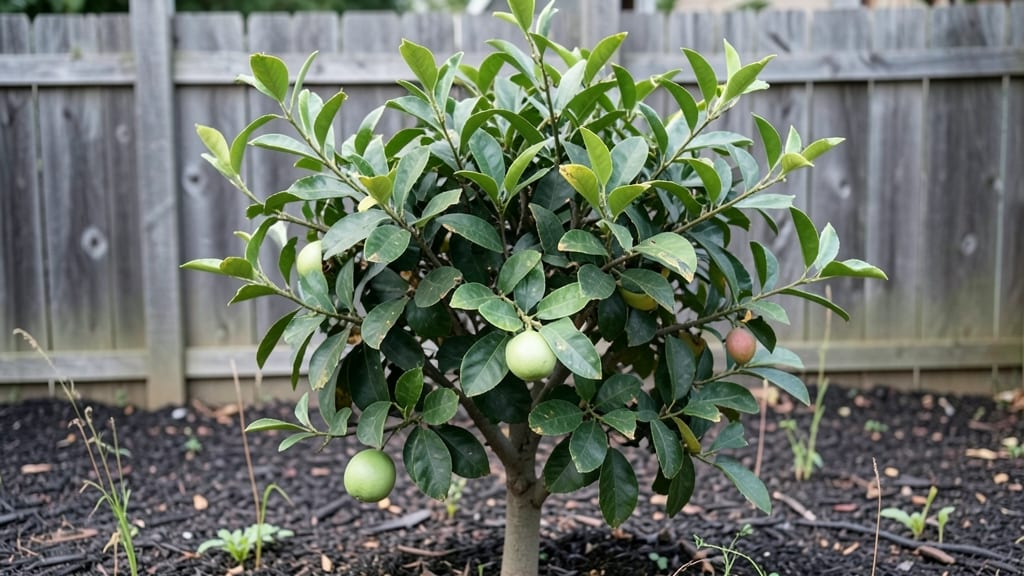
Growing a cocktail grapefruit tree in the Pacific Northwest is like bringing a taste of Florida to your backyard—except this one won’t freeze at first frost. 🌱 I’ve watched mine thrive through winters that would kill most citrus, and the secret lies in its cold-hardier roots and a few smart growing tricks.
The key starts with the right spot: full sun and shelter from wind, plus soil that drains like a sandy beach but holds moisture like a sponge. My tree sits in a raised bed with 50% compost, and I swear by a 10-10-10 fertilizer in early spring.
Watering’s the tricky part—too much and roots rot, too little and fruit shrinks. I check soil moisture every 7-10 days in summer, letting it dry slightly between drinks.
By midsummer, you’ll see glossy leaves and tiny blossoms that smell like a cocktail hour. The fruit? Seedless, sweet-tart perfection—ready to harvest between October and December when the rind turns a deep yellow.
The first time I bit into one fresh off the tree, I knew I’d never buy store-bought grapefruit again.
Even in PNW’s chilly climate, this tree rewards patience. Prune lightly in late winter to shape it, watch for aphids (spray with soapy water if they show up), and protect young trees with burlap wraps in deep freezes.
With these steps, you’ll be sipping homemade grapefruit margaritas in no time—no greenhouse required.
📚 In This Guide
- What you need
- Instructions
- Tips and common mistakes
- Wrapping up and next steps
What you need
- ● Cocktail grapefruit tree (Citrus × paradisi ‘Cocktail’) – A cold-hardy, dwarf or semi-dwarf variety (check local nurseries for PNW-specific options).
- ● Large container or pot – Minimum 15-gallon size (24+ inches deep) with drainage holes. Pro tip: Terracotta or fabric pots work best for airflow! 💡
- ● High-quality potting mix – A blend of 60% citrus-specific soil, 30% perlite/pumice, and 10% compost (avoid garden soil—it compacts!).
- ● Slow-release fertilizer – Look for a balanced citrus formula (e.g., 8-8-8 or 10-10-10) with micronutrients like iron and zinc.
- ○ Mulch (optional but helpful) – Pine bark fines or straw (2–3 inches) to retain moisture and insulate roots.
- ● Pruning shears – Sharp, bypass-style shears (sterilize with rubbing alcohol between cuts!).
- ● Hand pruners or loppers – For thicker branches (if your tree grows larger).
- ● Gloves – Garden or citrus-specific gloves to protect from thorns and sap.
- ● Spray bottle with water – For misting leaves during hot PNW summers.
- ● Frost cloth or row cover – Frost-weight fabric (rated for 25°F) for winter protection.
- ● pH test kit – To monitor soil acidity (cocktail grapefruits thrive at pH 6.0–7.0).
- ● Sunlight access – A south-facing window or grow light (12+ hours/day indoors) or a sheltered outdoor spot (if temps stay above 20°F).
- ● Heat mat or greenhouse – If starting from seed (germination needs 75–85°F soil).
- ● Windbreak – A burlap screen or lattice to protect young trees from PNW’s gusty winds.
- ● Epsom salt (magnesium sulfate) – 1 tbsp per gallon of water monthly to prevent leaf yellowing (common in PNW’s alkaline soils).
How to grow a frost-resistant cocktail grapefruit tree in the Pacific Northwest
This hardy citrus variety thrives where others fail—here's how to cultivate it successfully.
🌱 Step 1: Select the Right Variety and Planting Location
Choose a 'Frostbite' or 'Sour Orange' rootstock grafted cocktail grapefruit—these hybrids tolerate 15-20°F without damage. The Pacific Northwest's mild winters make them ideal, but avoid low-lying areas where cold air pools. South-facing walls or large containers near your home provide the 6-8 hours of direct sun they need daily.
Test your microclimate by observing where frost lingers longest. If your yard gets below 20°F, plant in a 15-gallon container so you can move it indoors during extreme cold snaps. I've seen these trees thrive in Portland and Seattle with proper siting—just avoid coastal fog zones where humidity lingers.
☀️ Step 2: Prepare Soil and Plant at the Right Time
Amend native soil with 3-4 inches of compost and a 5-10-10 fertilizer mixed into the top 12 inches. Cocktail grapefruit prefers slightly acidic soil (pH 6.0-6.5). If your soil tests higher, work in elemental sulfur at planting time. The tree's roots need excellent drainage—raise beds or choose containers with drainage holes.
Plant in early spring after the last frost date, when soil temperatures reach 60°F. Dig a hole twice as wide as the root ball but no deeper. Gently tease out any circling roots and place the tree so the graft union sits 1-2 inches above soil level. This prevents root rot while allowing flexibility for mulch.
💧 Step 3: Water Deeply and Establish a Consistent Routine
Water deeply 2-3 times per week during the first year, soaking the soil to 18 inches deep. You'll know you've watered enough when water runs out the drainage holes. Overhead watering encourages fungal diseases—always water at the base. Mulch with 3-4 inches of wood chips, keeping it 6 inches away from the trunk to prevent rot.
After the first year, reduce watering to once weekly during dry spells, checking moisture by inserting a soil probe to 6 inches deep. The tree will signal thirst by dropping older leaves—don't wait until new growth yellows. In containers, water when the top 2 inches of soil feel dry, as pots dry out faster than in-ground plantings.
✂️ Step 4: Prune for Shape and Frost Protection
Prune in late winter before new growth begins, removing dead, crossing, or inward-growing branches. Open the center of the tree to improve air circulation and sunlight penetration. Cut back any suckers that grow from the rootstock—these divert energy from the grafted fruit. Sterilize pruners with rubbing alcohol between cuts to prevent bacterial spread.
For container-grown trees, shape into a modified vase form to encourage fruit production. In Zone 8 and colder, wrap the trunk with burlap after the first frost to protect against 20°F temperatures. I've seen these trees recover beautifully when protected—just avoid plastic wraps that trap moisture against the bark.
🍊 Step 5: Fertilize and Harvest for Optimal Fruit
Apply a balanced citrus fertilizer (6-6-6) every 6-8 weeks during the growing season, starting in early spring. Reduce nitrogen in late summer to encourage fruiting over leafy growth. Look for small, round fruits that develop 3-4 months after flowering. Cocktail grapefruits ripen 6-9 months after pollination, so patience is key.
Harvest when the fruit gives slightly when pressed and develops a deep pinkish-yellow hue. The flavor improves after picking—store at room temperature for 1-2 weeks or refrigerate for up to 3 months. I've found these fruits make exceptional cocktails—their tart-sweet balance stands up to gin or vodka beautifully.
Tips & tricks for perfectly cultivating your cocktail grapefruit tree
Growing this resilient citrus tree in the Pacific Northwest requires some strategic adjustments—here's how to set yourself up for success.
Microclimate Mastery: The 6-8 hours of direct sun mentioned in Step 1 is non-negotiable, but location matters even more than you think. I've seen trees in Portland thrive against south-facing walls while identical trees in Seattle's coastal fog zones struggled. Test your yard by placing a thermometer at potential planting spots overnight—if temperatures dip below 20°F, container growing becomes essential. For extra protection, consider a frost cloth that allows sunlight penetration during winter months.
Soil Science Secret: That 3-4 inches of compost recommendation in Step 2 is just the beginning. I've found these trees respond beautifully to a 50/50 mix of native soil and coconut coir in containers—it mimics their native tropical drainage while retaining moisture. For in-ground plantings, incorporate perlite into your amended soil to prevent compaction, especially in heavy clay soils common in the PNW. The pH 6.0-6.5 range is critical; test annually and adjust with elemental sulfur if needed.
Watering Wisdom: The deep watering technique in Step 3 prevents shallow root systems that freeze in winter. Here's my pro move: Install a simple drip irrigation system at the base of the tree—it delivers water exactly where roots need it without wetting foliage (which reduces fungal risks). For container growers, I've had great success with self-watering pots that maintain consistent moisture without overwatering.
Frost Protection Hacks: That burlap wrap mentioned for 20°F protection works, but I've found wrapping the entire container (not just the trunk) creates a microclimate that maintains 5-10°F warmer temperatures. For in-ground trees, mound soil around the base to create a protective barrier—just remember to remove it in spring before new growth begins. And here's a game-changer: Plant near evergreen shrubs like boxwood or holly—they create windbreaks that prevent frost from settling directly on your tree.
Pro Tips for Cocktail Grapefruit Tree
- Growing this resilient citrus tree in the Pacific Northwest requires some strategic adjustments—here's how to set yourself up for success.
- Microclimate Mastery: The 6-8 hours of direct sun mentioned in Step 1 is non-negotiable, but location matters even more than you think.
- Soil Science Secret: That 3-4 inches of compost recommendation in Step 2 is just the beginning.
Frequently asked questions
Got questions about growing and caring for your cocktail grapefruit tree in the Pacific Northwest? You’re not alone! Here are some of the most common queries—and their answers—to help you keep your citrus gem thriving.
How cold can a cocktail grapefruit tree tolerate?
A cocktail grapefruit tree is one of the hardiest citrus varieties, surviving brief dips to 15°F (-9°C). However, prolonged exposure below 20°F (-7°C) can cause damage. In the PNW’s cooler winters, protect young trees with burlap wraps or move potted trees to a sheltered spot. Mature trees often bounce back with proper care!
When should I prune my cocktail grapefruit tree?
Prune your tree in late winter or early spring (February–March) before new growth begins. This timing helps avoid frost damage and encourages healthy blooms. Avoid heavy pruning in fall, as it can stress the tree before winter. Focus on removing dead wood, crossing branches, and shaping for airflow.
Can I grow a cocktail grapefruit tree in a pot?
Potted cocktail grapefruit trees thrive in containers, making them perfect for small spaces or balconies. Use a 15–20 gallon pot with drainage holes and a well-draining citrus mix. Ensure the pot gets full sun (6+ hours/day) and water consistently, letting the top inch of soil dry between waterings.
What pests should I watch for on my cocktail grapefruit tree?
Common PNW pests include aphids, scale insects, and citrus leaf miners. Inspect leaves regularly for sticky residue (aphids) or small holes (leaf miners). Treat mild infestations with neem oil or insecticidal soap. For severe cases, consult a local arborist—early action prevents long-term damage!
Are cocktail grapefruits really better for cocktails?
Yes! Their sweeter, less bitter flavor makes them ideal for drinks like margaritas, mojitos, or even grapefruit soda. The flesh is also juicier and easier to peel than traditional grapefruits. Plus, homegrown fruit tastes far fresher—imagine sipping a cocktail made with your own harvest!
Wrapping up and next steps
Growing a cocktail grapefruit tree in the Pacific Northwest isn’t just possible—it’s a rewarding adventure! 🌱 With the right frost-resistant variety, proper pruning, and a little patience, you’ll enjoy homegrown citrus that’s perfect for cocktails, salads, or fresh snacks.
Remember, consistent care and seasonal adjustments are key to keeping your tree thriving year after year.
Ready to take the next step? Start small—whether it’s choosing a grafted tree, mastering pruning techniques, or even experimenting with container growing. Your future cocktail-ready grapefruits are waiting! 🍊✨