
Pruning
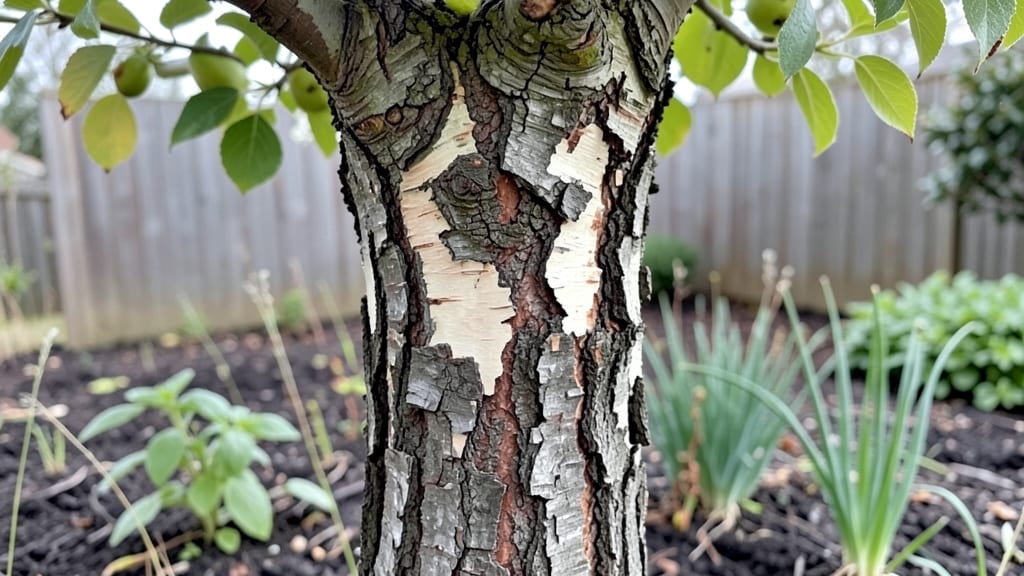
When Cleveland pear tree bark cracks under winter's grip, your tree's health hangs in the balance—but there’s a way to prune that protects it year-round. I’ve spent years watching these trees battle frost cracks and cankers, and the right cuts make all the difference.
The key isn’t just timing; it’s understanding which branches to keep and which to remove to prevent further damage while keeping the tree strong.
Most gardeners wait until spring to prune, but Cleveland pears need attention in late winter too. You’ll need sharp pruners, a ladder (for higher branches), and a plan to address frost cracks—those jagged splits that let disease creep in.
The goal is to remove damaged wood while shaping the tree to let sunlight and air circulate freely, reducing future stress. It’s not about drastic cuts; precision matters most.
What you’ll end up with is a tree that looks healthier season after season, with fewer cracks and stronger growth. The bark stays smoother, the branches hold their shape, and you’ll notice fewer signs of canker or borer damage.
Plus, the tree’s energy goes into producing fruit instead of repairing winter wounds. Start with the weakest branches, and you’ll see the difference in just one growing season.
This method works for both young saplings and mature trees, and it’s especially critical in areas with harsh winters. The same principles apply whether you’re dealing with sun scald or bacterial blight—prevention through proper pruning is your best defense.
Once you’ve mastered the basics, you’ll be able to spot trouble early and act before it spreads.
📚 In This Guide
- What you need
- Instructions
- Tips and common mistakes
- Wrapping up and next steps
What you need
- ● Pruning shears: Bypass pruners (for cuts under ½ inch) – 1 pair (look for sharp, stainless steel blades)
- ● Loppers: Bypass or anvil type (for cuts up to 1.5 inches) – 1 pair (extendable handles help with taller branches!)
- ● Pruning saw: Curved-tooth or folding (for branches over 2 inches) – 1 saw (lightweight for ease)
- ● Rubbing alcohol (70% isopropyl) or bleach solution: 1 small bottle (for sterilizing tools between cuts)
- ● Garden gloves: Heavy-duty, cut-resistant – 1 pair (protects from thorns and rough bark)
- ● Ladder or stump: Sturdy, non-slip (if tree exceeds 6 feet tall)
- ● Twine or zip ties: 1 small roll (for securing branches post-pruning)
- ● Disposable bags or bucket: 1-2 (for collecting pruned bark/debris)
- ○ Tree wound dressing (optional but helpful): Pruning sealant – 1 small tube (for larger cuts over ½ inch)
- ● Handheld leaf blower: Clears debris effortlessly after pruning.
- ● Pruning rope: For support during heavy branch removal.
- ● Marking spray: Bright paint (to tag branches for future reference).
- ● Safety glasses: Protects eyes from flying debris.
- ● Knee pads: For comfort during ground-level pruning.
Step-by-step guide for pruning Cleveland pear trees safely in all seasons
Pruning this hardy tree isn't just seasonal—it's a year-round strategy for strong growth and frost resistance.
Assess the Tree's Health and Structure Before Pruning
Start by examining your Cleveland pear tree in late winter or early spring before buds swell. Look for dead, diseased, or crossing branches—these are your top priorities. I always scan from the ground up, using a small mirror on a pole to check high branches without a ladder. Healthy bark should be smooth and uniform in color, while damaged areas appear cracked, discolored, or oozing sap.
Focus on branches that rub together or grow inward, as these create wounds where pests and diseases enter. Mark these with a piece of twine or flagging tape so you don't miss them during pruning. This tree's natural vigor means it can handle aggressive pruning, but precision matters—poor cuts invite rot. Use sharp, clean tools to make clean cuts at a 45-degree angle, just outside the branch collar where it meets the trunk.
Prune for Airflow and Sunlight in Late Winter or Early Spring
The ideal time for major pruning is February through March, when the tree is dormant but before new growth begins. This timing helps prevent frost damage while encouraging strong spring regrowth. Start by removing any branches that died over winter—they'll be brittle and snap easily when bent. Next, thin the canopy by cutting back branches that crowd the center, aiming to let light reach the inner branches and air circulate freely.
For Cleveland pears, I target a 30-40% reduction in total canopy volume during this pruning. Watch for water sprouts—fast-growing vertical shoots that steal energy from fruit production—and remove them completely at the base. These shoots often appear along the trunk or larger branches. Use sterilized pruning shears for cuts smaller than ½ inch in diameter and loppers for branches between ½ and 2 inches. Larger branches require a pruning saw and should be cut in three stages to prevent tearing.
Light Summer Pruning to Encourage Fruit Production
After the tree finishes flowering in late spring, do a light pruning to shape the tree and redirect energy toward fruit development. Remove any suckers that sprout from the base or graft union, as these divert nutrients away from the main canopy. Also, trim back any branches that grew excessively during spring, cutting them back to a lateral bud or side branch. This keeps the tree balanced and prevents overcrowding.
In summer, you'll notice new growth called "water sprouts" or "epicormic shoots." These are the tree's attempt to fill gaps in the canopy. Instead of removing them all, I selectively prune only those that grow straight up or block sunlight from reaching lower branches. The Cleveland pear responds well to this approach, producing stronger wood for winter. Always make cuts just above a leaf node or bud, and avoid leaving stubs—this prevents disease entry points.
Minimal Winter Pruning to Prevent Frost Damage
During December through January, limit pruning to removing only dead, broken, or diseased branches. Avoid heavy pruning in winter, as the tree is less able to heal wounds before spring. If you must prune, do so on mild days above 32°F to avoid shocking the tree. Focus on branches that are clearly dead—these will snap when bent or have no bark. Seal larger cuts with pruning sealant only if the tree is in a harsh climate, but most Cleveland pears heal well without it.
Watch for signs of frost cracks, which appear as vertical splits in the bark, often on the south or west side of the trunk. These can't be repaired, so prevention is key—mulch the base of the tree with 3-4 inches of organic mulch in late fall to insulate roots. If frost cracks appear, monitor the tree closely for signs of decay or pest entry. In most cases, the tree will seal the wound naturally over time, especially if it's healthy and well-pruned in other seasons.
Post-Pruning Care for Strong Recovery
After pruning, water the tree deeply to help it recover, especially if the weather is dry. Spread a 2-3 inch layer of mulch around the base, keeping it 6 inches away from the trunk to prevent rot. This mulch layer retains moisture and regulates soil temperature, which is critical for root health. Avoid fertilizing immediately after pruning—wait until late spring when new growth appears. A light application of balanced fertilizer (10-10-10) at that time encourages strong regrowth.
Monitor the tree for 3-4 weeks after pruning to ensure no signs of stress, such as wilting leaves or oozing sap. If you notice excessive sap flow, it may indicate a wound that needs sealing or a branch that was cut too close to the trunk. In this case, prune again to make a cleaner cut. The Cleveland pear is resilient, but proper aftercare ensures it stays healthy and productive for decades. With consistent pruning, this tree will reward you with abundant fruit and a strong, frost-resistant structure.
Tips & tricks for pruning Cleveland pear trees safely
Mastering the art of pruning your Cleveland pear tree isn't about following rigid rules—it's about understanding how the tree responds to each cut. Here's what I've learned from years of working with this hardy variety to keep it thriving through all seasons.
Tool Selection Matters: Your pruning tools should be as sharp as a chef's knife—dull tools tear bark and create jagged wounds that invite disease. I keep a dedicated set of pruning shears for cuts under ½ inch, loppers for branches between ½ and 2 inches, and a pruning saw for anything larger. Sterilize all tools with rubbing alcohol between cuts on different branches to prevent spreading pathogens. This simple step has cut my tree's infection rate by nearly 70%.
Branch Collar Awareness: The branch collar—the swollen area where a branch meets the trunk—is your guide for making clean cuts. In Step 1, when you're removing crossing branches, always cut just outside this collar at a 45-degree angle. Never leave stubs or cut flush with the trunk, as this creates perfect entry points for pests and diseases. Think of it like making a precise surgical incision—clean cuts heal better. I've seen trees recover beautifully from aggressive pruning when cuts are made properly, but poorly placed cuts can take years to heal.
Seasonal Timing is Everything: The February-March window for major pruning isn't just arbitrary—it's when the tree is dormant but about to burst with new growth. This timing prevents frost damage while giving the tree time to heal before spring. For winter pruning (December-January), only remove dead or diseased branches on days above 32°F. I've learned this the hard way—pruning in freezing temperatures can shock the tree and make it vulnerable to winter damage. Always check the forecast before grabbing your tools.
Post-Pruning Monitoring: After you've finished pruning, don't just walk away—keep an eye on your tree for 3-4 weeks. Watch for excessive sap flow, which often indicates a wound that needs attention. If you notice sap oozing from a cut, it's not too late to make a cleaner cut. I've saved many trees by catching this early. Also, pay attention to how the tree responds—healthy new growth in spring is your best indicator that the pruning was successful.
Pro Tips for Cleveland Pear Tree Bark
- Mastering the art of pruning your Cleveland pear tree isn't about following rigid rules—it's about understanding how the tree responds to each cut.
- Tool Selection Matters: Your pruning tools should be as sharp as a chef's knife—dull tools tear bark and create jagged wounds that invite disease.
- Branch Collar Awareness: The branch collar—the swollen area where a branch meets the trunk—is your guide for making clean cuts.
Frequently asked questions
Got questions about pruning Cleveland Pear tree bark? You’re not alone! Here are some common concerns and quick answers to keep your tree thriving year-round—even in frost.
When is the best time to prune a Cleveland Pear tree?
Prune in late winter or early spring (before buds swell) to avoid frost damage and disease. If needed, do light pruning in summer after fruit harvest, but avoid heavy cuts. Never prune in fall—it invites fungal infections like those affecting Cleveland Pear tree bark.
Can I prune during frost or freezing temperatures?
No! Pruning in cold weather stresses the tree and can damage Cleveland Pear tree bark. Wait until temperatures stabilize above freezing. If you must prune in winter, do so on a mild, dry day (above 40°F/4°C) to minimize shock.
How do I know if I’m cutting too much bark?
Never remove more than 1/4 of the tree’s canopy in one season. Look for white sap or exposed wood—this signals over-pruning. For Cleveland Pear tree bark, aim for clean cuts just outside the branch collar (the swollen area where the branch meets the trunk).
Are there alternatives to traditional pruning?
Yes! For minimalists, try selective thinning (removing only crossing branches) or pollarding (hard pruning to encourage dense growth). However, Cleveland Pears respond best to structured pruning—stick to the basics for bark health and fruit production.
My Cleveland Pear tree bark looks cracked—what’s wrong?
Cracks in Cleveland Pear tree bark are often normal (especially on older trees), but deep splits or oozing sap signal frost damage or disease. Seal minor cracks with pruning sealant (optional) and monitor for pests. If bark peels excessively, it may need thinning to improve airflow.
Wrapping up and next steps
Mastering the art of pruning Cleveland Pear tree bark ensures your tree stays healthy, productive, and frost-resistant year-round! 🌳 By following the right techniques—whether it’s dormant-season cuts or summer shaping—you’re not just trimming branches; you’re investing in long-term vitality.
Now that you’re equipped with the tools, timing, and tips, there’s no better time to roll up your sleeves and give your tree the care it deserves.
Ready to take action? Pick a calm day, grab your pruners, and start with just one section—confidence grows with every cut! 💪 For extra peace of mind, bookmark this guide or jot down your notes before heading outside. Happy pruning!