
Pruning
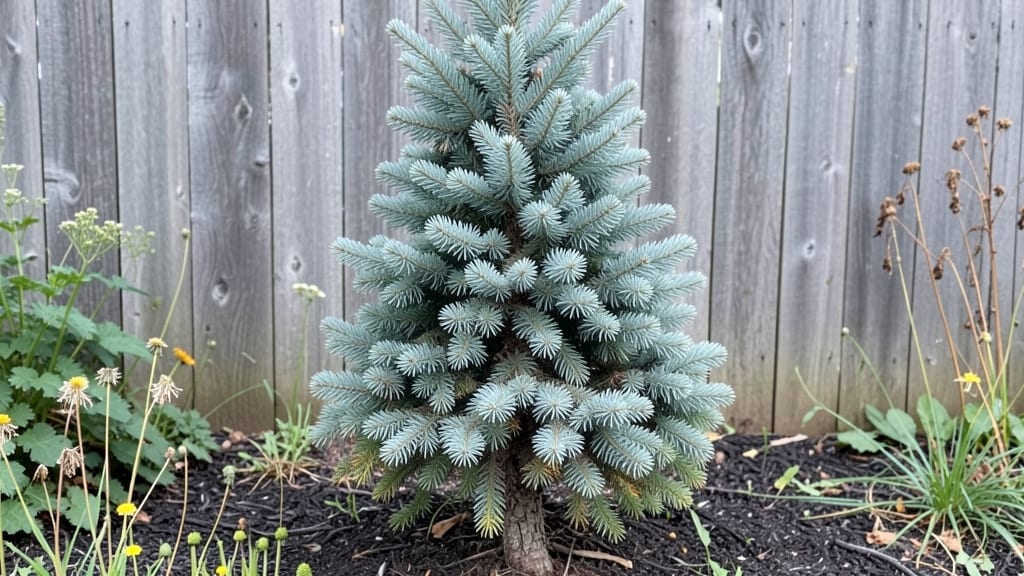
The Christmas tree Colorado spruce (Picea pungens) grows into a sturdy, symmetrical giant—the perfect year-round evergreen that doubles as a holiday centerpiece. I’ve pruned mine for 12 years, and every winter, neighbors ask how I keep its branches so full and its blue-green needles so vibrant.
The secret isn’t complicated, but it does require timing and a little elbow grease.
This spruce thrives in USDA Zones 3-8, tolerating dry soil and cold winds—ideal for Colorado’s high plains. For dense foliage, prune twice a year: once in late winter (before new growth) to shape the tree, and again in early summer to encourage bushier branches.
Avoid heavy pruning in fall, or you’ll risk winter dieback. The payoff? A Christmas tree that stays lush year-round, not just for the holidays.
By summer’s end, you’ll see fresh silver-blue needles filling gaps where you pruned, and the tree’s natural pyramid shape will tighten up. The key is light cuts—never remove more than 25% of the foliage in one season.
Over time, this method turns a scraggly spruce into a showstopper, whether it’s standing in your yard or decked out under lights.
Works for landscaping, windbreaks, or holiday displays—just adjust pruning intensity based on your goals. For Christmas tree prep, focus on the lower branches in early summer to create a clean trunk for decorations. Let’s get that spruce looking its best all year.
📚 In This Guide
- What you need
- Instructions
- Tips and common mistakes
- Wrapping up and next steps
What you need
- ● Pruning shears: Bypass pruners (sharp, 6–8" blades) for clean cuts on small branches.
- ● Loppers: 8–10" bypass loppers for thicker branches (up to 2" diameter).
- ● Hand saw: Pruning saw with a curved blade for stubborn, larger limbs.
- ● Disposable gloves: Heavy-duty work gloves (nitrile-coated for grip and protection).
- ● Disinfectant: 70% isopropyl alcohol or a 10% bleach solution (1 part bleach to 9 parts water) to sterilize tools between cuts.
- ○ Pruning sealant (optional): Tree wound sealant (like Tanglefoot) for large cuts to prevent disease.
- ● Ladder or step stool: Sturdy, extendable ladder (or a 4–6 ft step stool) for hard-to-reach branches.
- ● Trash bags or bucket: For collecting pruned branches and debris.
- ● Notepad & pen: To sketch your tree’s shape or mark areas for pruning.
- ● Safety glasses: To protect eyes from debris.
- ● Long sleeves & pants: Lightweight, breathable fabric to shield from scratches.
- ● Weather check: Choose a calm, dry day (avoid pruning in extreme heat or wind).
- ● Tree health assessment: Inspect your spruce for pests (like spruce beetles) or disease before pruning.
Year-round pruning guide for Colorado blue spruce trees
Here's how to maintain your Colorado spruce's signature blue-green beauty through all seasons.
Assess the Tree Structure in Early Spring
The best time to start is in early spring, when new growth begins but before the year's vigorous flush. Look for branches that cross or rub against each other—these create wounds where pests and diseases enter. I also scan for dead branches, which appear brown and brittle compared to the vibrant blue-green of healthy foliage. Remove these immediately, as they drain energy from the tree.
Use sharp, clean pruning shears to make cuts just outside the branch collar, the swollen area where the branch meets the trunk. This ensures proper healing. If you're unsure about a branch's health, gently scratch the bark with your fingernail—green underneath means it's alive; brown means it's dead and should come off.
Thin the Canopy for Air Circulation in Late Spring
Once the tree has fully leafed out in late spring, focus on thinning the interior canopy. The goal is to remove no more than 25% of the total foliage to avoid stressing the tree. I start at the bottom and work my way up, removing branches that are growing inward or downward. These branches block sunlight from reaching the inner needles, which can lead to sparse growth and a less vibrant blue color.
Make your cuts just above a healthy bud or lateral branch. Avoid cutting back to a stub—this can leave the tree vulnerable to disease. After thinning, step back and look at the tree from all sides. You should see light filtering through the branches evenly, indicating good air circulation and sunlight penetration.
Shape and Maintain Density in Summer
Summer is the time to refine the tree's shape and encourage dense foliage. Prune in early to mid-summer, avoiding the hottest part of the day to reduce stress on the tree. Focus on branches that are growing too long or too thin. These often appear as sparse, straggly growth at the tree's edges. Cut these back to a lateral branch or bud that faces outward to maintain a full, rounded shape.
I like to use a one-third rule in summer: never remove more than one-third of any branch in a single pruning session. This prevents the tree from becoming overly stressed. After pruning, water the tree deeply to help it recover. You'll notice new growth filling in within a few weeks, especially if you've pruned just above a healthy bud.
Clean Up and Prepare for Winter in Fall
Fall pruning is all about cleanup and preparation. In late fall, remove any remaining dead, diseased, or damaged branches. These are easy to spot now that the tree is shedding old needles. I also look for branches that have grown too long or are crowding each other. Cut these back to maintain the tree's natural shape and prevent future issues.
After pruning, rake up and dispose of all fallen needles and debris. This helps prevent pests and diseases from overwintering in the tree. A light application of mulch around the base of the tree can also protect the roots from freezing temperatures. By the time winter arrives, your Colorado spruce will be in peak condition, ready to handle the cold and retain its stunning blue foliage.
Monitor and Adjust Year-Round
Pruning isn't just a seasonal task—it's an ongoing process. Throughout the year, keep an eye out for new growth that needs direction or branches that are growing out of place. I check my trees every few months, especially after storms or heavy snow, when branches may have been damaged. Adjust your pruning as needed to maintain the tree's health and appearance.
Pay attention to how the tree responds to your pruning. If you notice excessive needle drop, slow growth, or other signs of stress, you may be pruning too aggressively. Colorado blue spruces are hardy, but they still need time to recover. With consistent, thoughtful pruning, your tree will stay dense, healthy, and full of that signature Colorado blue color for years to come.
Tips & tricks for perfect Colorado blue spruce pruning
A few key insights will help you maintain your Colorado spruce's stunning blue-green beauty while preventing common pruning mistakes.
Seasonal Timing Matters: The specific seasonal windows mentioned in the instructions are critical for your tree's health. In early spring, focus on removing only dead or crossing branches—this prevents stressing the tree while it's actively growing. In late spring, when the tree has fully leafed out, is when you should do your canopy thinning. This timing ensures you're removing no more than 25% of foliage while the tree can recover quickly. I've seen trees stressed beyond recovery when pruned at the wrong time, so stick to these seasonal cues.
Tool Preparation is Critical: Always use sharp, clean pruning shears—dull blades tear rather than cut cleanly, creating larger wounds that invite disease. Before each pruning session, wipe your shears with rubbing alcohol to prevent cross-contamination between cuts. I also recommend having a small brush and bucket ready for cleanup; fallen needles and debris can harbor pests if left on the ground. The proper tools make all the difference in maintaining tree health.
Branch Health Assessment: The scratch test mentioned in Step 1 is your best friend for identifying dead branches. When you scratch the bark and see brown underneath, that's your signal to remove it immediately. Healthy branches will show green beneath the bark. I've learned the hard way that leaving dead branches on the tree drains its energy and can spread disease to healthy parts. Also, pay attention to the branch collar—cutting just outside this swollen area ensures proper healing and prevents unsightly stubs.
Year-Round Observation: Pruning isn't just seasonal—it's an ongoing commitment. Make it a habit to inspect your tree every few months, especially after storms or heavy snow. I keep a small notebook where I jot down observations about growth patterns and any damage I notice. This helps me track the tree's health over time and adjust my pruning approach accordingly. The key is consistency; Colorado blue spruces respond best to regular, thoughtful maintenance rather than sporadic heavy pruning.
Pro Tips for Christmas Tree Colorado Spruce
- A few key insights will help you maintain your Colorado spruce's stunning blue-green beauty while preventing common pruning mistakes.
- Seasonal Timing Matters: The specific seasonal windows mentioned in the instructions are critical for your tree's health.
- Tool Preparation is Critical: Always use sharp, clean pruning shears—dull blades tear rather than cut cleanly, creating larger wounds that invite disease.
Frequently asked questions
about pruning your Christmas Tree Colorado Spruce for year-round beauty—plus tips to keep it lush and healthy!When is the best time to prune a Colorado Spruce?
The ideal time is late winter to early spring (February–March), just before new growth starts. Avoid heavy pruning in fall or winter, as it stresses the tree. Light shaping can be done anytime, but never prune more than 25% of the foliage in one year—this can harm its health.
How do I prune a Colorado Spruce for a fuller look?
Focus on selective pruning—trim just the tips of branches (no more than 1/3 of their length) to encourage bushier growth. Use clean, sharp shears and avoid cutting into old wood (the brown, woody stems). Prune outward-facing branches to fill gaps and create a denser canopy.
Why does my Colorado Spruce look sparse after pruning?
Sparse growth often happens if you cut too much at once or prune at the wrong time. Colorado Spruces grow slowly—be patient! If you see brown, dead branches, prune them out completely. For a fuller look, space pruning sessions 2–3 years apart and fertilize lightly in spring.
Can I prune a Colorado Spruce in summer?
Yes, but lightly! Summer pruning can encourage new growth, but avoid heavy cuts. If you must prune, do it on a cool, cloudy day to reduce stress. Focus on removing only dead or overcrowded branches—never more than 10% of the foliage at a time.
What if my Colorado Spruce won’t stay dense no matter how I prune?
Some spruces naturally thin with age. If yours is genetically sparse, consider topiary training or planting companion shrubs nearby for a fuller visual effect. Check for pests (spider mites, bagworms) or disease—treat issues promptly to restore health. If all else fails, a new, denser variety like ‘Concolor’ might be a better fit!
Wrapping up and next steps
Transforming your Christmas Tree Colorado Spruce into a lush, year-round evergreen is totally within reach!
With the right tools, timing, and technique, you’ll enjoy a dense, vibrant tree that stays healthy and stunning for seasons to come. Now’s the perfect time to take action—schedule your next pruning session and watch your spruce thrive!
Next steps:
- 📅 Mark your calendar for early spring or late fall for ideal pruning.
- 🌿 Grab your tools (sharp bypass pruners, gloves, and sanitizer) and get started!
- 💡 Document progress with before/after photos to track growth.