Trees
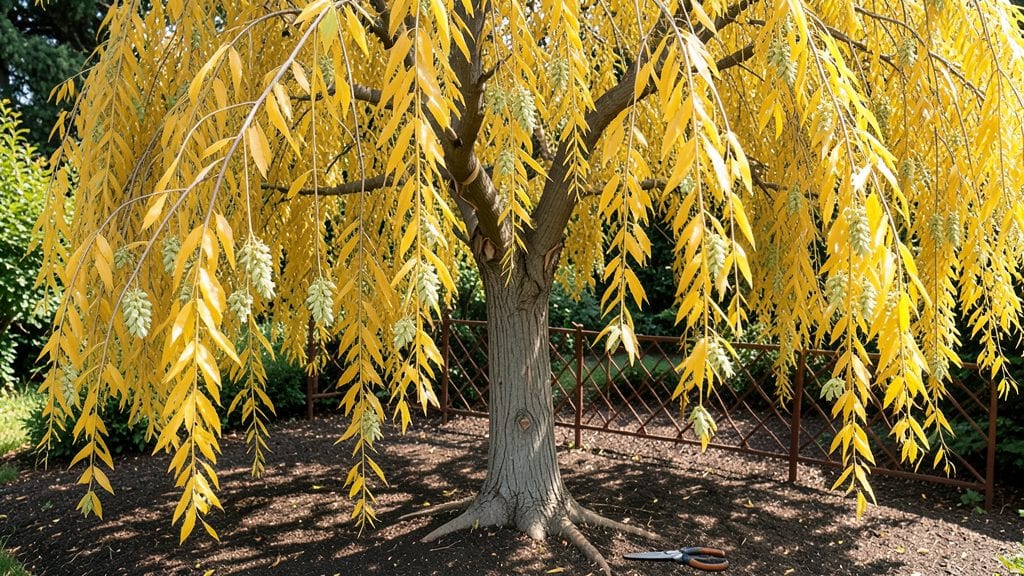
The weeping katsura tree (Cercidiphyllum japonicum) brings soft, cascading beauty to Pacific Northwest gardens where winter winds howl through bare branches. I planted mine in a sheltered corner last October, and its peeling bark and delicate foliage already make it the standout tree in my yard.
The secret lies in its adaptability—it handles frost like a champ while still thriving in summer's humidity.
This tree thrives in USDA zones 4-8, making it perfect for the PNW's chill winters and damp summers. It prefers partial shade but tolerates full sun if given consistent moisture, though its signature weeping habit develops best in dappled light.
The soil? Just don’t let it dry out—amend heavy clay with compost to keep roots happy, and watch as it grows 30-50 feet tall with a graceful, fountain-like spread.
What you’ll love most is its year-round interest—spring’s fresh green leaves, autumn’s golden foliage, and winter’s exfoliating bark all create texture. Prune lightly in late winter to encourage that weeping shape, and resist the urge to overwater once established.
Within five years, you’ll have a living sculpture that outshines any ornamental tree.
For PNW gardeners, this tree is a game-changer—drought-tolerant once rooted, deer-resistant, and pollution-hardy. The only challenge? Patience—its slow growth means waiting years for full impact. But trust me, the wait is worth it for a tree that stays stunning in every season.
📚 In This Guide
- What you need
- Instructions
- Tips and common mistakes
- Wrapping up and next steps
What you need
- ● Tree: 1 Cercidiphyllum japonicum (weeping katsura) sapling or bare-root tree (3–5 gallons or larger for mature plants).
- ● Choose a frost-hardy cultivar (e.g., 'Pendula' or 'Crimson Fan').
- ● Soil & Amendments: 50 lbs well-draining, slightly acidic soil (pH 5.5–6.5).
- ● 10 lbs compost or organic matter (for nutrient-rich soil).
- ○ Optional: Mycorrhizal fungi (1–2 lbs) to boost root health.
- ● Tools: Shovel or digging spade (for planting).
- ● Garden gloves (to protect your hands).
- ● Watering can or hose (with gentle spray nozzle).
- ● Mulch (3–4 inches of wood chips or pine straw).
- ● Tree stakes (2–3) + soft ties (for young saplings in windy areas).
- ● Slow-release fertilizer (balanced 10-10-10, 1–2 lbs).
- ● Soil moisture meter (to monitor watering needs).
- ● Pest deterrents (neem oil or beneficial nematodes for early prevention).
Planting and establishing a weeping katsura tree in the Pacific Northwest
This graceful tree thrives in our region's climate—here's how to give it the perfect start.
Select the Ideal Planting Location
Choose a site with partial shade to full sun, protecting the tree from harsh afternoon rays that can scorch its delicate foliage. The weeping katsura performs best in USDA Zones 5-8, making it perfectly suited for the Pacific Northwest's cool summers and cold winters. Look for areas with well-draining soil—this tree despises soggy roots, which can lead to root rot.
I always test the soil by digging a 12-inch deep hole in the proposed spot. If water pools after 30 minutes, amend the soil with 2-3 inches of compost to improve drainage. The tree's natural weeping habit means it will eventually spread 15-20 feet wide, so give it plenty of space to avoid future crowding with other plants or structures.
Prepare the Planting Hole and Amend Soil
Dig a hole that's twice as wide as the tree's root ball but no deeper. The weeping katsura's roots are shallow but extensive, so disturbing them too much can stress the plant. Loosen the soil at the bottom of the hole with a garden fork to encourage root penetration into the surrounding earth.
If your soil is heavy clay (common in the PNW), mix in 1 part sand or perlite with the native soil to improve aeration. This tree tolerates a range of soil types but grows most vigorously in slightly acidic to neutral soil with a pH between 5.0 and 7.0. You can test your soil's pH with a simple kit available at garden centers—amend with sulfur if needed to lower pH or lime to raise it.
Plant the Tree with Proper Spacing and Support
Gently remove the tree from its container and loosen any circling roots with your fingers. Position the tree in the hole so the top of the root ball sits 1-2 inches above ground level—this prevents water from pooling at the base. The weeping katsura's trunk will naturally arch, so you may want to install a 3-foot support stake temporarily to help it establish upright growth before it develops its characteristic weeping form.
Backfill the hole with the native soil mixture, tamping down gently in layers to eliminate air pockets. Water thoroughly after planting to settle the soil and encourage root contact. Avoid compacting the soil too firmly, as this can restrict root growth. The tree's mature height of 20-30 feet means it will eventually need pruning to maintain its graceful shape, but proper initial planting sets the foundation for years of beauty.
Water and Mulch for Optimal Establishment
Water the newly planted tree deeply every 3-4 days for the first month, then taper to once weekly during the first growing season. The weeping katsura's roots need consistent moisture to establish, but don't let the soil become waterlogged. You'll know the watering is right when the top 2 inches of soil feel moist but not soggy.
Apply a 3-inch layer of organic mulch around the base, extending it out to the tree's drip line. Use shredded bark or wood chips, keeping the mulch 6 inches away from the trunk to prevent rot. This mulch layer helps retain soil moisture, regulates temperature, and suppresses weeds—critical for the tree's first year as it establishes a robust root system. Replenish mulch annually to maintain its effectiveness.
Monitor Growth and Prune for Shape
In its first year, focus on watering and protecting the tree from extreme conditions. The weeping katsura's leaves change color beautifully in fall, transitioning from green to yellow and finally to a stunning shade of butterscotch before dropping. This color change is a sign of healthy growth—watch for any leaves that remain green past the first frost, which may indicate stress or poor drainage.
Begin light pruning in early spring to remove any dead, damaged, or crossing branches. The tree's natural weeping habit develops over time, but you can encourage it by selectively pruning upright growth. Use clean, sharp pruners to make cuts just above a bud or branch collar. Avoid heavy pruning in the first few years—this tree responds best to gradual shaping. By the third year, you'll see the iconic weeping form take shape, making all your efforts worthwhile.
Tips & tricks for perfectly establishing a weeping katsura tree
These essential insights will help you avoid common pitfalls and maximize your weeping katsura's potential in the Pacific Northwest's unique climate.
Soil Testing is Critical: The 30-minute water test in Step 1 is your best indicator of drainage quality. If water disappears within 15 minutes, your soil drains too quickly—add 1-2 inches of compost to retain moisture. If it still pools after 30 minutes, you'll need to amend with additional sand or perlite to prevent root rot, which this tree absolutely cannot tolerate. Consider installing a French drain if your site has persistent waterlogging issues.
Root Ball Preparation Matters: When loosening circling roots in Step 3, be gentle but thorough—these roots can become girdling as the tree matures, which restricts growth. I've seen weeping katsuras struggle for years because of this one step. Use your fingers to carefully separate the roots without tearing them, and consider soaking the root ball in water for 10-15 minutes before planting to reduce transplant shock in our region's often dry summers.
Mulching Strategy for PNW Conditions: The 3-inch mulch layer in Step 4 serves multiple purposes beyond moisture retention. In our cooler, wetter climate, it also protects roots from temperature fluctuations and suppresses weeds that compete for nutrients. For extra insurance against our region's winter rains, extend the mulch ring to the tree's drip line—this creates a microclimate that maintains more consistent soil temperatures throughout the year.
Pruning Philosophy: Early spring is ideal for pruning because the tree's sap is flowing but hasn't yet sent energy to new growth. When making cuts in Step 5, always aim for the branch collar—the raised area where the branch meets the trunk. This promotes faster healing and prevents unsightly wounds. Remember, this tree's weeping form develops naturally over time, so resist the urge to force it—gradual shaping yields the most beautiful results.
Pro Tips for Cercidiphyllum Weeping Katsura Tree
- These essential insights will help you avoid common pitfalls and maximize your weeping katsura's potential in the Pacific Northwest's unique climate.
- Soil Testing is Critical: The 30-minute water test in Step 1 is your best indicator of drainage quality.
- Root Ball Preparation Matters: When loosening circling roots in Step 3, be gentle but thorough—these roots can become girdling as the tree matures, which restricts growth.
Frequently asked questions
Got questions about the Cercidiphyllum weeping katsura tree? You’re not alone—this stunner is full of surprises! Here are the most common queries from gardeners and landscapers in the Pacific Northwest:
How cold can a weeping katsura tree handle?
The Cercidiphyllum japonicum variety thrives in USDA Zones 5-8, making it one of the hardiest frost-resistant trees in the PNW. It tolerates temperatures as low as -15°F (-26°C) without flinching. Just ensure it’s planted in well-draining soil to avoid root rot in soggy winters.
When is the best time to plant a weeping katsura?
For optimal root establishment, plant in early spring or fall—avoid extreme summer heat or winter freezes. If you’re transplanting a young tree, water deeply 2-3 times per week for the first month to help it adjust. Pro tip: Mulch heavily (3-4 inches) to retain moisture and protect roots.
Why aren’t my katsura leaves turning their signature purple?
If your tree’s foliage stays green or turns dull brown, it could signal nutrient deficiency (especially iron or nitrogen), poor drainage, or overwatering. Test your soil and amend with compost. Cercidiphyllum trees love slightly acidic to neutral soil (pH 6.0-7.0)—adjust with sulfur or lime if needed.
What are some low-maintenance alternatives to weeping katsura?
If you love the dramatic form but want easier care, consider:
- Japanese maple (Acer palmatum) – Cold-hardy with stunning fall color (but needs pruning).
- Amelanchier (serviceberry) – Edible fruit, white spring blooms, and Zone 4 hardiness.
- Dwarf Korean lilac (Syringa meyeri) – Fragrant, compact, and drought-tolerant once established.
Are weeping katsura trees prone to pests or diseases?
Generally pest-resistant, but watch for:
- Scale insects (sticky residue on leaves)—treat with horticultural oil.
- Powdery mildew in humid summers—improve airflow and avoid overhead watering.
- Canker diseases (rare)—prune infected branches 1/4 inch above the wound and sterilize tools.
Wrapping up and next steps
The Cercidiphyllum weeping katsura is a true gem for Pacific Northwest gardens—its frost-hardy resilience, stunning seasonal colors, and easy-care charm make it a must-have for any landscape.
Whether you’re drawn to its delicate foliage, fragrant blooms, or vibrant fall hues, this tree delivers year-round beauty with minimal fuss.
Ready to add this elegant evergreen to your outdoor space? Start by researching local nurseries or planning your planting spot—your future will thank you for the low-maintenance joy it brings! 🌿✨