Pruning
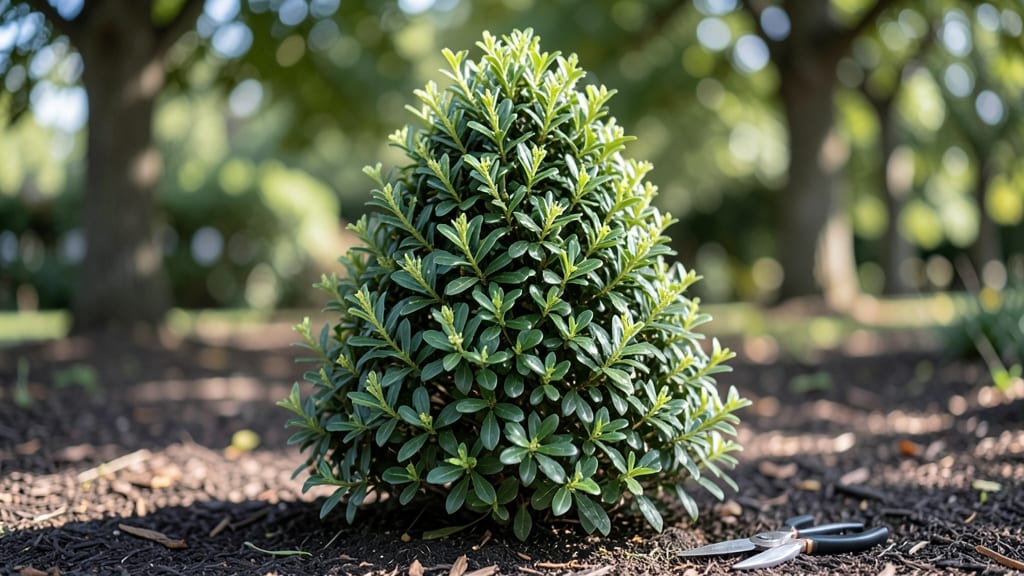
A boxwood spiral tree transforms any Pacific Northwest garden into a living sculpture—its frost-resistant foliage stays lush even when neighbors' plants turn brown. 🌿 I first saw one wrapped around a lamppost in a Seattle garden, and it became my obsession.
The key is choosing the right boxwood variety (like 'Green Velvet' or 'Winter Gem') that thrives in our damp, cool climate while maintaining that perfect spiral shape year-round.
The magic happens in the shaping—start with a sturdy post or trellis, then weave flexible young boxwood branches in a tight spiral, securing them with soft ties. Prune regularly to encourage dense growth and maintain the clean lines.
Most people assume this takes years, but with proper training, you can create a striking spiral in just 2-3 seasons—no green thumb required.
By summer, your spiral will be a velvety green focal point that draws eyes upward, while winter reveals its natural texture without losing structure. Pair it with evergreen shrubs like holly or hemlock to create a cohesive winter garden.
The best part? It needs minimal care—just consistent watering and annual pruning to keep it looking sharp.
Perfect for formal gardens, entryways, or even urban patios where space is limited. The spiral shape adds architectural interest without overwhelming small spaces. Once established, it becomes the garden's quiet star—elegant, durable, and effortlessly beautiful through every season.
📚 In This Guide
- What you need
- Instructions
- Tips and common mistakes
- Wrapping up and next steps
What you need
- ● Boxwood plants: 12–20 healthy, Buxus sempervirens or Buxus microphylla (dwarf varieties work best). Aim for 12–18" tall, 4–6" in diameter.
- ● Pruning shears: Sharp, bypass-style shears (10–12" blade) for clean cuts.
- ● Hand pruners: Small, bypass or anvil pruners for finer trimming.
- ● Stakes & twine: 6–8 wooden stakes (12–18" long) and jute twine to secure plants during shaping.
- ● Garden gloves: Heavy-duty, nitrile-coated gloves for protection.
- ○ Spray bottle: For misting plants during pruning (optional but helpful for dusty conditions).
- ○ Pruning sealant (optional): Tree wound pruning paste to protect cuts (especially for larger boxwoods).
- ● String or wire: For creating a spiral guide template (use a measuring tape to mark spacing).
- ● Knee pad or stool: For comfort during long pruning sessions.
- ● Disinfectant spray: 70% isopropyl alcohol to sterilize tools between cuts (prevents disease spread).
- ● Mulch: Organic mulch (pine bark or shredded leaves) to retain moisture and suppress weeds.
Step-by-Step guide to crafting a frost-resistant boxwood spiral tree
Here's how I create a stunning, year-round architectural statement that thrives in Pacific Northwest winters.
🪴 Step 1: Select and Prepare Your Boxwood Plants
Choose 4-6 healthy boxwood plants with straight, sturdy stems—each should be about 18-24 inches tall and 3-4 inches in diameter at the base. I always pick plants with dense, uniform foliage to ensure a polished look. Before planting, prune any damaged or crossing branches using clean, sharp pruners. This creates a clean canvas for your spiral design.
Soak the roots in lukewarm water for 20-30 minutes to revive them before transplanting. The goal is to handle the roots gently—boxwoods are tough but resent rough treatment. If you're working in cold weather, plant on a mild day (above 40°F) to reduce transplant shock. The Pacific Northwest's damp climate means you'll want to work quickly once roots are exposed.
✂️ Step 2: Design and Plant the Spiral Foundation
Mark your planting location with a garden hose or string to visualize the spiral pattern. The center plant should be slightly larger or more mature than the surrounding ones to anchor the design. Dig holes twice as wide as the root ball and 6 inches deeper to accommodate the roots comfortably.
Place the center plant first, then position the remaining plants in a gradual spiral outward, spacing them 12-18 inches apart depending on your desired density. The outer plants should lean slightly toward the center to create natural tension in the design. Backfill with native soil mixed with compost for better drainage, tamping gently to eliminate air pockets.
💧 Step 3: Water and Mulch for Winter Resilience
Water each plant deeply until water runs out of the bottom of the holes—this ensures roots make full contact with moist soil. In the Pacific Northwest, boxwoods need 1-1.5 inches of water weekly, but adjust for rain. After watering, apply 2-3 inches of mulch (wood chips or shredded bark work best) around each plant, keeping it 3 inches away from the trunk to prevent rot.
Mulch acts like a blanket, protecting roots from temperature swings that cause winter burn. I always mulch in late fall and again in early spring to maintain consistent moisture and insulation. Avoid piling mulch against the stems—this traps too much moisture and invites disease.
☀️ Step 4: Prune and Shape for Year-Round Structure
Wait until late spring (after last frost) to prune for the first time. Use a sharp pair of bypass pruners to trim back any overgrown branches by 1/3 of their length to encourage bushier growth. Shape the spiral by gently bending branches outward or inward as needed—boxwoods are flexible when young and will hold new shapes well.
I like to prune in three stages: first to establish the spiral shape, then again in mid-summer to refine growth, and finally in early fall to prepare for winter. Always prune just above a leaf node or bud to encourage new growth. In the Pacific Northwest, avoid heavy pruning in fall—it leaves plants vulnerable to winter dieback.
⏰ Step 5: Maintain Through Seasons for Long-Term Beauty
Fertilize in early spring with a slow-release, balanced fertilizer (10-10-10) to support new growth. Boxwoods in the Pacific Northwest often need less fertilizer than in warmer climates—overfeeding can lead to soft, tender growth that freezes in winter. Water deeply every 10-14 days during dry spells, checking soil moisture by sticking your finger 1-2 inches deep.
Watch for boxwood blight or spider mites, common in damp climates. Treat with neem oil or horticultural soap at the first sign of trouble. In winter (December-February), gently brush off accumulated snow to prevent branch breakage. Your spiral tree will reward you with dense, evergreen foliage year-round—the perfect focal point for any Pacific Northwest landscape.
Tips & tricks for perfect boxwood spiral tree planting
Creating a stunning boxwood spiral tree takes patience and precision—here are my game-changing tips to ensure your design thrives through Pacific Northwest winters.
The Plant Selection Secret: In Step 1, when choosing your 4-6 boxwood plants, look beyond just size—examine the foliage density from all angles. I've learned the hard way that plants with sparse growth in one direction will create uneven gaps in your spiral. Also, opt for plants with slightly upward-facing branches—they'll naturally create that elegant upward spiral when arranged properly. This small detail makes all the difference in achieving that professional, symmetrical look.
Root Revival Technique: That 20-30 minute root soaking in Step 1 isn't just about hydration—it's about reviving the root zone. Use lukewarm water (around 70°F) and add a root stimulator if available. I like to swirl the roots gently in the water to help them absorb oxygen. After soaking, handle the roots with extreme care—boxwoods have delicate root hairs that break easily, which can set back your plant's establishment by weeks.
Spiral Design Pro Tip: For Step 2's spiral planting, use a garden hose to trace your spiral pattern before digging. This gives you a visual guide to maintain consistent spacing between plants. I mark the center point first, then measure 12-18 inches outward in a gradual curve. Pro tip: Use a string tied between two stakes to create a gentle curve—this ensures your spiral has that natural, flowing shape rather than looking like a tight coil. The outer plants should lean slightly toward the center to create that beautiful tension in the design.
Winter Protection Hack: In Step 3, when applying mulch, consider adding a layer of straw or evergreen boughs over the mulch in late fall. This extra insulation can protect your spiral from temperature swings that cause winter burn. I've found that in particularly harsh Pacific Northwest winters, this additional layer helps maintain a more consistent soil temperature around the roots. Just remember to remove it in early spring before new growth begins.
Pro Tips for Boxwood Spiral Tree
- Creating a stunning boxwood spiral tree takes patience and precision—here are my game-changing tips to ensure your de...
- The Plant Selection Secret: In Step 1, when choosing your 4-6 boxwood plants, look beyond just size—examine the folia...
- Root Revival Technique: That 20-30 minute root soaking in Step 1 isn't just about hydration—it's about reviving the r...
Frequently asked questions
Got questions about cultivating or styling your boxwood spiral tree? Here are answers to the most common queries from gardeners in the Pacific Northwest—plus a few pro tips to keep your evergreen looking sharp year-round.
How cold can boxwood spiral trees handle?
Boxwoods are highly frost-resistant, thriving in USDA Zones 5–9. In the Pacific Northwest’s chilly winters (down to 10°F), they’ll stay lush if planted in well-draining soil and mulched. Just avoid soggy roots—waterlogging is their nemesis!
When’s the best time to prune a boxwood spiral?
Prune late winter to early spring (before new growth) for clean cuts. Light shaping can happen in summer, but avoid heavy trims—boxwoods heal slowly. Never prune in fall (new growth won’t harden off before frost). Pro tip: Use sharp bypass pruners to prevent jagged edges!
Can I grow a boxwood spiral from a cutting?
Yes! Take 4–6 inch cuttings in early summer, dip in rooting hormone, and plant in moist perlite/sand. Keep humid (use a plastic bag) and in partial shade. Roots form in 4–8 weeks. Warning: Mature spirals are grafted—cuttings may not retain the spiral shape!
What’s a good alternative if boxwoods are too high-maintenance?
Try Dwarf Japanese Garden Juniper (Juniperus procumbens ‘Nana’)—it’s frost-hardy, low-maintenance, and stays compact. For color, Heather ‘Spring Green’ offers year-round interest with less pruning. Both thrive in PNW’s acidic soils!
Why are my boxwood leaves turning yellow or brown?
Yellowing? Likely overwatering or poor drainage. Brown edges? Underwatering or salt buildup (from tap water). Check for pests like spider mites (tiny webs = bad news!). Solution: Adjust watering, amend soil with compost, and spray with neem oil if pests strike.
Still stumped? Drop your question below—we’re happy to help your boxwood spiral stay the star of your PNW garden!
Wrapping up and next steps
The boxwood spiral tree is a stunning, frost-resistant gem for Pacific Northwest gardens, offering year-round elegance with minimal upkeep. With the right tools, timing, and techniques, you can prune it into a breathtaking focal point—whether for topiary artistry or simple maintenance. 🌿
Ready to transform your outdoor space? Grab your pruners and start shaping your boxwood spiral tree today—your garden’s masterpiece awaits! For extra inspiration, explore pruning guides or join local gardening groups to share your progress.