Pruning
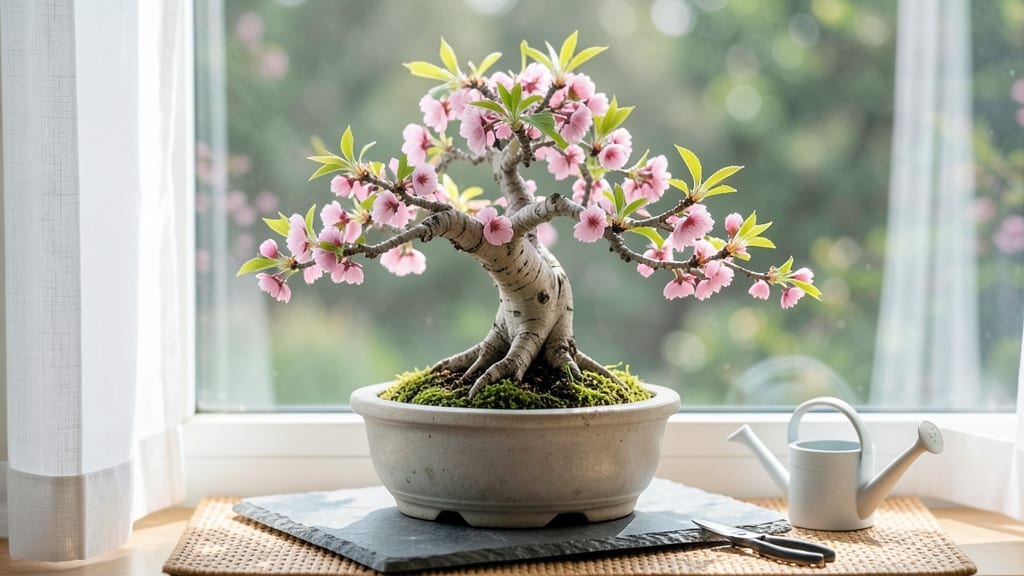
A bonsai cherry tree transforms your living space into a living work of art—each delicate branch a testament to patience and precision. 🌸 I’ve spent years refining my approach, and the key isn’t just pruning but understanding how these trees think: when to feed them, when to rest, and how to guide their growth without stunting their spirit.
The first year is the hardest—too much pruning kills them, too little leaves them leggy—but once you find that balance, the rewards are breathtaking.
You’ll need the right tools: sharp pruners for clean cuts, a well-draining soil mix (think 60% inorganic grit, 40% organic matter), and a sunny spot with filtered light—no harsh afternoon sun.
Watering’s tricky too: keep the soil moist but never soggy, and mist the leaves daily in winter when indoor air dries out. The payoff? A tree that stays compact year-round, with bursts of pink or white blossoms in spring and vibrant foliage through fall.
Precision pruning is where the magic happens—it’s not about hacking branches but sculpting the tree’s natural shape. In early spring, remove dead wood and overcrowded growth; in late summer, pinch back new shoots to encourage density. Mistakes?
I’ve drowned roots by overwatering and burned leaves with too much direct sun, but each failure taught me more than any guide ever could. The goal isn’t perfection—it’s harmony between your hands and the tree’s instincts.
This method works for any bonsai cherry variety, from the classic Prunus serrulata to dwarf types like Prunus sargentii. Whether you’re starting with a cutting or shaping a nursery-grown tree, the principles stay the same: respect the season, trust the process, and let the tree guide you.
Ready to begin?
📚 In This Guide
- What you need
- Instructions
- Tips and common mistakes
- Wrapping up and next steps
What you need
- ● Bonsai cherry tree (Prunus serrulata or related variety) – Choose a young tree (1-3 years old) with a sturdy trunk.
- ● Bonsai pot – Shallow, well-draining ceramic or plastic pot (6-12 inches wide, depending on tree size).
- ● Bonsai soil mix – High-quality, well-draining blend (e.g., 70% inorganic material like akadama, 30% organic like peat moss).
- ● Pruning shears – Sharp, precision bonsai shears (for fine cuts).
- ● Concave cutter – For shaping branches and creating natural curves.
- ● Wire (aluminum or copper) – 1-2mm thickness for branch positioning.
- ● Root hook – For gently loosening roots during repotting.
- ● Spray bottle – For misting leaves and maintaining humidity.
- ● Fertilizer (balanced or bonsai-specific) – Liquid or granular, diluted to half-strength.
- ● Bonsai wire cutters – To safely remove wire without damaging branches.
- ● Jiffy-7 or seedling plugs – For propagating new trees from cuttings.
- ● Humidity tray – Keeps the environment moist during dormancy.
- ● Grafting tools – If you plan to graft new varieties onto your tree.
- ● Bonsai display stand – Elevates your tree for better airflow and aesthetics.
Step-by-Step instructions for cultivating a bonsai cherry tree
Here’s how I transform a young cherry tree into a refined bonsai masterpiece—season by season.
🌱 Step 1: Select and Acquire Your Starting Tree
Choose a young cherry tree (Prunus serrulata or Prunus x yedoensis) with a sturdy trunk and strong branching structure. I prefer trees around 3-5 years old—they’re mature enough to handle shaping but still flexible. Look for a specimen with a natural taper and interesting bark texture, as these traits will define your bonsai’s character.
Purchase from a reputable nursery or bonsai specialist to ensure the tree is healthy and free of pests. Avoid trees with yellowing leaves or weak branches—these signs indicate stress or disease. Once home, quarantine the tree for 2-4 weeks in a shaded area to monitor its health before styling begins.
☀️ Step 2: Position for Optimal Light and Temperature
A bonsai cherry tree thrives in bright, indirect light with 4-6 hours of morning sun daily. Place your tree near an east-facing window or under a 4000-6000K grow light if natural light is insufficient. Avoid harsh afternoon sun, which can scorch delicate leaves and bark.
During the growing season (spring and summer), maintain temperatures between 65-75°F. In winter, the tree enters dormancy and can tolerate cooler conditions down to 30°F, but protect it from frost by moving it indoors or covering it with a breathable frost cloth. Watch for bud swell in early spring—this is your cue to resume watering and fertilizing.
💧 Step 3: Master Watering and Soil Maintenance
Water your bonsai cherry tree when the top inch of soil feels dry to the touch. I use the lift-and-check method: gently lift the pot to assess weight—if it feels light, it’s time to water. Water thoroughly until it drains from the bottom, then empty the saucer to prevent root rot. In summer, you may need to water daily, while winter care reduces this to once every 7-10 days during dormancy.
Use a well-draining akadama, pumice, and lava rock mix (ratio 50:30:20) to replicate the tree’s natural rocky habitat. Refresh the soil every 2-3 years or when it breaks down, as compacted soil stunts root growth. After repotting, reduce watering for 2 weeks to allow roots to establish without stress.
✂️ Step 4: Prune for Structure and Seasonal Balance
Prune your bonsai cherry tree twice yearly: once after flowering (late spring) to shape the canopy, and again in early summer to encourage dense foliage. Use sharp, clean bonsai shears to make cuts just above a leaf node or branch junction. Remove 1/3 of the new growth to maintain proportion and prevent legginess.
Wire branches into your desired shape during the active growing season (April-June), but remove wires within 3-4 months to avoid scarring the bark. Thin out crowded branches to improve airflow and light penetration. After pruning, apply a diluted seaweed fertilizer to promote recovery and vibrant foliage.
🪴 Step 5: Refine and Maintain Year-Round
Inspect your bonsai monthly for pests like spider mites or scale, treating infestations immediately with neem oil or insecticidal soap. Trim dead or yellowing leaves promptly to keep the tree looking its best. In late fall, reduce watering and fertilizing as the tree prepares for dormancy, but keep the soil slightly moist to prevent dehydration.
Every 2-4 years, repot your bonsai during early spring before new growth begins. Trim 1/3 of the roots during repotting to encourage branching and maintain health. After repotting, place the tree in a shaded, humid environment for 1 week to reduce stress. With patience and precision, your bonsai cherry tree will flourish as a living work of art for decades.
Tips & tricks for perfect bonsai cherry tree care
Transforming a cherry tree into a bonsai masterpiece takes patience, but these insider tips will help you avoid common pitfalls and create a stunning miniature tree.
Lighting Secret: That 4-6 hours of morning sun in Step 2 is crucial—it provides gentle warmth without scorching delicate leaves. If you notice leaves curling or turning yellow, move the tree slightly to adjust the light exposure. East-facing windows are ideal, but if using artificial light, position the grow light about 18-24 inches above the tree for even coverage. I've seen trees develop uneven growth when light isn't distributed properly.
Temperature Transition: The shift from 65-75°F in summer to 30°F in winter isn't just about numbers—it's about observing your tree's natural rhythm. Watch for bud swell in early spring as your cue to resume care, not just following a calendar. I keep a small thermometer near my bonsai to monitor temperature swings, especially during transitional seasons when frost warnings might come unexpectedly.
Pruning Precision: When you're removing 1/3 of new growth in Step 4, focus on maintaining the tree's natural shape rather than creating geometric patterns. Use sharp bonsai shears to make clean cuts just above leaf nodes—this encourages new growth while preserving the tree's character. I like to step back frequently during pruning to assess the overall silhouette, making adjustments as I go rather than committing to one approach.
Repotting Strategy: That 1-week shaded recovery period after repotting is essential for root establishment. I've found that placing the tree in a humid environment (like a bathroom with a humidifier) during this time helps reduce stress. Also, trim those roots in 1/3 increments—this might seem drastic, but it stimulates new root growth and prevents the tree from becoming root-bound.
Pro Tips for Bonsai Cherry Tree
- Transforming a cherry tree into a bonsai masterpiece takes patience, but these insider tips will help you avoid common pitfalls and create a stunning miniature tree.
- Lighting Secret: That 4-6 hours of morning sun in Step 2 is crucial—it provides gentle warmth without scorching delicate leaves.
- Temperature Transition: The shift from 65-75°F in summer to 30°F in winter isn't just about numbers—it's about observing your tree's natural rhythm.
Frequently asked questions
Got questions about nurturing your bonsai cherry tree? You’re not alone! Here are some of the most common queries—plus expert answers to keep your miniature masterpiece thriving year-round.
How often should I prune my bonsai cherry tree?
Prune your bonsai cherry tree twice a year: once in late winter (before buds swell) and again after flowering. Light trimming between seasons helps maintain shape. Avoid heavy pruning in summer—it stresses the tree. Pro tip: Use sharp, sterilized tools to prevent disease!
Can bonsai cherry trees survive winter outdoors?
Yes, but with care! Most varieties tolerate light frost, but protect them from harsh winds or sub-freezing temps. Wrap the pot in burlap and move to a sheltered spot. If temps drop below 10°F (-12°C), bring it indoors near a bright window. Warning: Sudden temperature swings can shock the tree.
What’s the best soil mix for a bonsai cherry tree?
Use a well-draining mix like 50% akadama, 30% pumice, and 20% organic matter (e.g., compost or peat). Avoid heavy clay soils—root rot is a silent killer! Repot every 2–3 years in spring to refresh nutrients. Pro tip: Add a layer of lava rock at the bottom for extra drainage.
How do I treat pests like spider mites or aphids?
Start with a neem oil spray (mix 1 tsp per quart of water) for mild infestations. For severe cases, use insecticidal soap. Isolate the tree to prevent spread. Prevention tip: Mist leaves regularly and avoid over-fertilizing—pests love stressed trees!
Why aren’t my bonsai cherry tree’s flowers blooming?
Blooms need chill hours (40–60°F/4–15°C for 600+ hours) and proper care. If your tree skips flowers, check:
- Light: 6+ hours of sunlight daily.
- Water: Keep soil moist but not soggy.
- Age: Young trees (under 5 years) may not bloom yet.
Wrapping up and next steps
Growing a bonsai cherry tree is a rewarding journey that blends artistry with patience—every trim, wire, and leaf tells a story of your dedication. 🌸 With the right tools, techniques, and seasonal care, you’ll nurture a living masterpiece that thrives year-round.
Remember, even the most experienced bonsai artists started with their first pruning; embrace the process, and your tree will flourish.
Ready to take the next step? Experiment with styles, refine your pruning skills, or even share your progress with the bonsai community for feedback. Your miniature cherry tree is waiting for its next chapter—happy growing! ✨