
Pruning
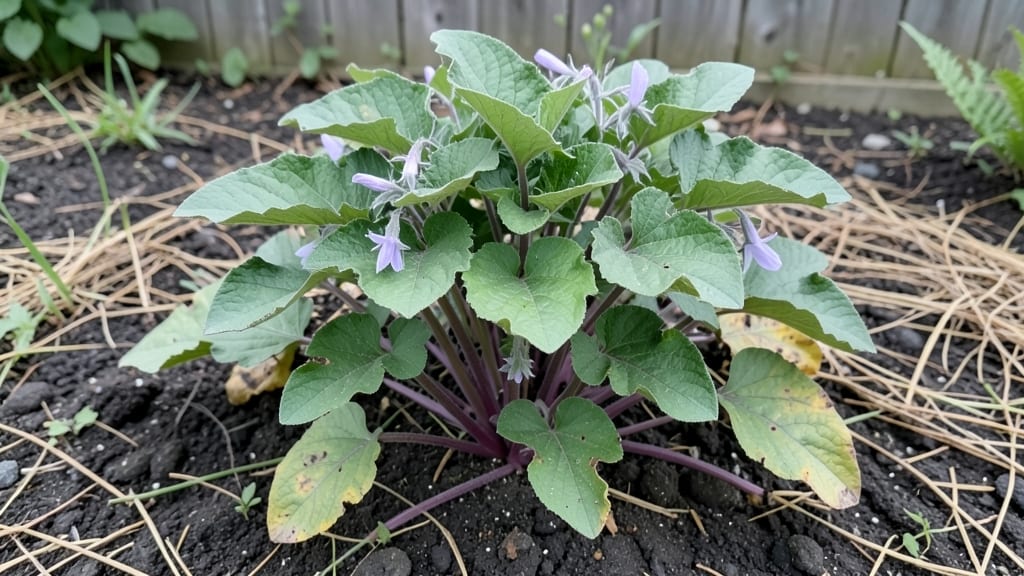
Your Pacific Northwest garden just got a showstopper—the blue potato bush tree (Solanum rantonnetii) thrives here like nowhere else, with its velvety blue foliage and starry white blooms. 🌿 I’ve pruned mine for years, and the secret isn’t just timing—it’s understanding how this plant grows against the norm, pushing new growth from old wood even in winter.
The trick starts with light pruning in late winter (February-March) to shape the tree while it’s still dormant, then minimal cuts in summer—just enough to keep it airy. This plant rewards patience: skip the heavy-handed approach, and you’ll get dense, bushy growth that stays vibrant through rain and shade.
Most gardeners over-prune, turning their trees into bare sticks by summer.
By following this year-round rhythm, your blue potato bush will burst with glossy blue leaves from spring to fall, then surprise you with winter blooms when everything else sleeps.
The key? Prune after blooms fade in late summer, and you’ll extend its season even longer. Ready to transform your yard into a lush, ever-interesting focal point?
Works equally well in containers or as a privacy screen, and handles PNW’s damp winters better than most tropicals. Let’s get those shears sharpened—your tree’s about to shine.
📚 In This Guide
- What you need
- Instructions
- Tips and common mistakes
- Wrapping up and next steps
What you need
- ● Pruning shears: Bypass pruners (for clean cuts on small branches) – 2 pairs (one for you, one backup!)
- ● Loppers: 8–10 inch loppers (for thicker branches up to 2 inches in diameter) – 1 pair
- ● Pruning saw: Curved-tooth saw (for branches over 2 inches thick) – 1
- ● Gloves: Heavy-duty gardening gloves (cut-resistant, long cuffs) – 1 pair
- ● Disinfectant: 70% isopropyl alcohol or pruning sealant (to prevent disease spread) – small bottle
- ○ Pruning paint/sealant: Optional but recommended for larger cuts (e.g., Tree Seal brand) – small tube
- ● Heavy-duty trash bags: For collecting pruned branches – 2–3 bags
- ● Ladder or step stool: Sturdy, extendable (8–12 ft height) – 1 (if your tree is tall!)
- ● Hand pruners: Compact, ergonomic pruners for precision trimming – 1 pair
- ● Safety glasses: To protect eyes from debris – 1 pair
- ● Work apron: With pockets for tools and small supplies – 1
- ● Notepad & pen: To jot down pruning notes or mark branches for future attention – 1
- ○ Compost bin: For repurposing small pruned branches as mulch – optional
Step-by-Step year-round pruning for blue potato bush trees
This is how I keep my blue potato bush trees (Solanum rantonnetii) thriving in the Pacific Northwest’s wet climate.
✂️ Step 1: Early Spring Pruning (March-April)
Wait until after the last frost when daytime temperatures consistently reach 50°F. This tree blooms on new wood, so aggressive pruning now encourages robust summer flowering. Start by removing any dead or crossing branches with clean cuts just above outward-facing buds. I use sterilized pruning shears to prevent fungal spread.
Thin the center to improve air circulation—blue potato bush trees hate crowded growth. Aim for an open vase shape that lets light penetrate to the core. You’ll see fresh green shoots emerge within 2-3 weeks as the tree responds to the fresh cuts. This is also the time to shape the tree’s natural habit, as growth will follow the cuts you make now.
☀️ Step 2: Summer Maintenance (June-August)
After flowering begins, I do light maintenance pruning to control size and shape. Remove spent flowers to encourage more blooms and prevent seed formation, which drains the plant’s energy. Cut back leggy growth by one-third to promote bushier growth—this is where the tree’s name comes from, as it develops dense, potato-like foliage.
Watch for powdery mildew in humid PNW summers. If you spot white residue on leaves, prune affected areas immediately and treat with neem oil. Water at the base rather than overhead to keep foliage dry. The tree’s vibrant blue-green leaves will stay healthy if you prune out any yellowing or spotted leaves promptly.
⏰ Step 3: Fall Cleanup (October-November)
When temperatures drop below 50°F at night, it’s time for a final pruning. Remove all dead or diseased branches first, then cut back any overgrown limbs by half to prepare for winter dormancy. The goal is to reduce the tree’s overall size while maintaining its structural integrity—this prevents wind damage during winter storms.
I leave a few flower stems if they’re still healthy, as they may produce a late-season burst of color. Mulch around the base with 2-3 inches of organic mulch to protect roots from freezing. The tree will go dormant, but the pruning you do now sets it up for strong spring regrowth.
❄️ Step 4: Winter Protection (December-February)
In the PNW’s mild winters, blue potato bush trees rarely need heavy protection, but I still check for any weak or damaged branches. If temperatures drop below 20°F, wrap the tree in burlap or use a frost cloth to shield it from cold winds. Avoid heavy pruning during winter—just remove any dead wood that appears after frost.
This is also when I plan next year’s shape. Look at where last year’s pruning cuts healed and where new growth emerged. Adjust your approach for spring based on what you see now. The tree’s natural resilience means it will bounce back quickly with minimal intervention.
Tips & tricks for perfect year-round pruning of blue potato bush trees
Mastering the seasonal rhythm of pruning transforms this Pacific Northwest native from a wild shrub into a showstopping ornamental. Here's what I've learned after years of trial and error with my own specimens.
Timing is Everything: In Step 1, that 50°F threshold isn't just arbitrary—it's when the tree's growth hormones activate. I check the local frost date forecast and set calendar reminders for when daytime temps consistently hit this mark. The 2-3 week window for new shoot emergence gives you time to make adjustments if your initial cuts were too aggressive or too conservative.
Tool Selection Matters: I've ruined three pruning sessions using regular shears that weren't sterilized properly. Invest in a pair of bypass pruners designed for small branches and clean them with rubbing alcohol between cuts. For larger branches in Step 3, I use loppers with a 3-inch cutting capacity—they make clean cuts through branches up to 1.5 inches thick without crushing the wood.
Visual Pruning Cues: When thinning the center in Step 1, look for branches that cross or rub against each other—these are prime candidates for removal. I use a simple "thirds rule": if a branch is in the outer third of the canopy, it's likely getting enough light and can stay. Anything in the inner third needs to go to improve airflow. The goal is to create a vase shape where light can reach the center without crowding.
Seasonal Adaptation: In Step 4, that 20°F threshold is your warning point for winter protection. I keep a roll of burlap and frost cloth on hand year-round because PNW winters can be unpredictable. For trees in exposed locations, I also add a layer of straw mulch around the base—this adds an extra 5°F of insulation to the root zone during cold snaps.
Pro Tips for Blue Potato Bush Tree
- Mastering the seasonal rhythm of pruning transforms this Pacific Northwest native from a wild shrub into a showstopping ornamental.
- Timing is Everything: In Step 1, that 50°F threshold isn't just arbitrary—it's when the tree's growth hormones activate.
- Tool Selection Matters: I've ruined three pruning sessions using regular shears that weren't sterilized properly.
Frequently asked questions
Got questions about pruning your Solanum rantonnetii (aka Blue Potato Bush Tree)?
Here are the answers to the most common ones—so you can keep this stunning PNW shrub thriving year-round!
When is the best time to prune my Blue Potato Bush Tree?
The ideal time is late winter or early spring (February–March), just before new growth begins. This encourages lush, vibrant foliage. Light pruning can also happen in summer after flowering to shape the plant—but avoid heavy cuts then, as it may reduce blooms next season.
How much can I trim back my Blue Potato Bush Tree?
You can safely prune up to one-third of the plant’s height without harming it. For young plants, focus on removing dead or leggy branches to encourage bushier growth. Mature trees tolerate renewal pruning (cutting back to 12–18 inches from the ground) every few years to rejuvenate vigor.
What should I do if my Blue Potato Bush Tree isn’t blooming?
Poor blooming often stems from over-pruning in late summer/fall or lack of sunlight. Ensure it gets at least 6 hours of sun daily and prune only in late winter/early spring. Fertilize lightly in spring with balanced 10-10-10 if soil is poor. Yellowing leaves may signal overwatering—let soil dry slightly between waterings.
Is the Blue Potato Bush Tree drought-tolerant?
Once established (after 1–2 years), it’s moderately drought-tolerant but thrives with regular watering (every 1–2 weeks in summer). Mulch around the base to retain moisture. In the PNW’s rainy climate, ensure well-draining soil to prevent root rot—amend heavy clay with compost or sand if needed.
Can I grow a Blue Potato Bush Tree in a container?
Yes! Choose a large pot (15+ gallons) with drainage holes and use well-draining potting mix. Prune more aggressively in spring to control size, and move containers indoors (or to a sheltered spot) if temps drop below 20°F. Containers dry out faster—water frequently in summer.
Wrapping up and next steps
The blue potato bush tree is a stunning, low-maintenance addition to your Pacific Northwest garden, offering year-round beauty with minimal effort. By mastering the art of seasonal pruning—whether to shape, encourage blooms, or control growth—you’ll keep this hardy plant thriving while minimizing pests and diseases.
Your garden will reward you with vibrant foliage, fragrant flowers, and even edible tubers!
Ready to transform your outdoor space? Grab your pruners and start with a small, confident trim—you’ve got this! For even more tips, explore our pruning calendar or join a local gardening group to share your progress. 🌿✨