
Trees
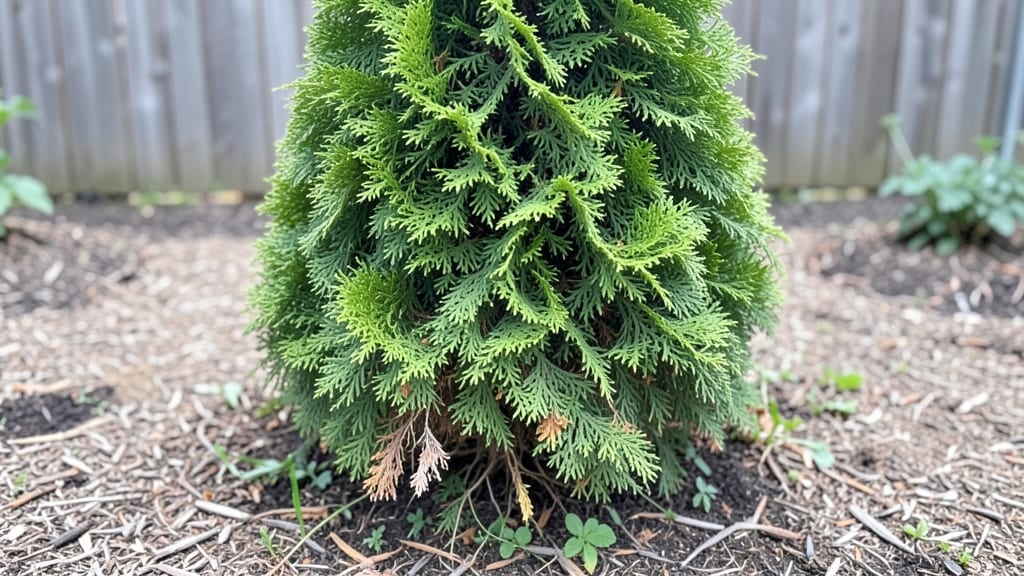
Emerald Green Arborvitae trees thrive in the Pacific Northwest's chill—my front yard's frost-resistant screen has blocked wind and eyes for 15+ years without a single winter browning.
The key isn't just their cold tolerance but how they hold their deep green needles even after snowstorms, unlike flimsy alternatives that yellow by February.
These evergreens demand well-draining soil (amend clay with compost) and morning sun—they tolerate afternoon shade but never full shade. Water deeply once a week the first year, then let the soil dry slightly between waterings.
Mulch keeps roots cool in summer and insulated in winter, cutting maintenance by half once established.
What you'll end up with is a tight, lush wall that smells like pine on windless days and never needs feeding. Prune only to shape (never to "thin out"—they hate aggressive cuts), and you'll have a screen that outlasts cheap fences while requiring less work than mowing.
The Pacific Northwest's rainy winters? No problem for these tough trees.
Perfect for property lines, driveways, or any spot needing year-round privacy without the upkeep of hedges. Even urban lots with rocky soil can support them—just avoid planting where kids play, as the needles are sharp when dry. Let's get yours growing strong.
📚 In This Guide
- What you need
- Instructions
- Tips and common mistakes
- Wrapping up and next steps
What you need
- ● Emerald Green Arborvitae Trees – Quantity depends on spacing: For a 6-foot-tall privacy screen: 1 tree per 2–3 feet (e.g., 12–18 trees for 24 feet of coverage).
- ● For windbreaks or hedges: Space 3–4 feet apart.
- ● High-quality planting soil – 1 cubic yard per 4–6 trees (amend with compost for drainage).
- ● Mulch (pine bark or shredded cedar) – 2–3 inches per tree (helps retain moisture and suppress weeds).
- ● Slow-release fertilizer (10-10-10 or balanced NPK) – 1 lb per tree (apply at planting and again in early spring).
- ○ Tree stakes (optional but recommended) – 2 per tree (if planting in windy areas).
- ● Shovel or spade – For digging holes 2–3 times wider than the root ball.
- ● Wheelbarrow – For mixing soil and transporting materials.
- ● Garden hose or watering can – Deep-watering capability (1–2 gallons per tree after planting).
- ● Pruning shears – To trim dead or damaged branches before planting.
- ● Measuring tape – For precise spacing (critical for uniform growth!).
- ● Gloves and knee pads – Because comfort matters! 😉
- ● Sunlight access – Emerald Green Arborvitae thrive in full sun to partial shade (6+ hours of sunlight daily for best growth).
- ● Well-draining soil – Avoid soggy areas; amend clay soil with sand or peat moss if needed.
- ● Local frost dates – Plant in early spring or fall (avoid extreme heat or frost).
- ● Permits (if applicable) – Check with your local municipality for large-scale planting rules.
How to plant and maintain Emerald Green arborvitae for a Pacific Northwest privacy screen
These evergreens thrive in your region’s climate—here’s how to plant them for maximum growth and resilience.
Choose the Perfect Planting Location
Emerald Green arborvitae thrive in partial shade to full sun, making them ideal for Pacific Northwest gardens where direct sunlight can be intense in summer. Look for spots with 4-6 hours of morning sun and afternoon shade—this prevents leaf scorch while encouraging dense growth. Avoid low-lying areas where cold air settles, as these trees are frost-resistant but not cold-hardy in prolonged freezes below 10°F.
Measure your desired screen height and spacing: mature trees reach 12-15 feet tall and 3-4 feet wide, so plant them 3-5 feet apart for a tight, unbroken barrier. I always sketch a rough layout first—this helps visualize the final privacy effect before digging. Test the soil pH in your chosen spot; Emerald Green arborvitae prefer slightly acidic to neutral soil (pH 6.0-7.5). If your soil tests higher, amend with sulfur or peat moss before planting.
Prepare the Planting Hole and Soil
Dig a hole twice as wide as the tree’s root ball but no deeper—this encourages roots to spread horizontally rather than settling too low. Loosen the soil at the hole’s edges with a shovel to reduce compaction. If your native soil is heavy clay (common in the PNW), mix in 2-3 inches of compost or organic matter to improve drainage. The goal is loose, well-aerated soil that won’t suffocate roots.
Remove the tree from its container and gently tease apart any circling roots—this prevents girdling as the tree matures. Place the arborvitae in the hole so the top of the root ball sits level with the surrounding soil (never bury the trunk). Backfill with native soil, tamping lightly every 6 inches to eliminate air pockets. Water deeply to settle the soil around roots, then add a 2-inch layer of mulch (avoid wood chips near the trunk to prevent rot).
Water and Stake for Stability
Water the newly planted arborvitae deeply for 10-15 minutes to ensure moisture reaches the entire root zone. In the Pacific Northwest’s damp climate, you’ll only need to water once a week during the first growing season unless there’s prolonged dry spell. Overwatering is just as harmful as underwatering—check soil moisture by inserting a finger 2 inches deep; water when it feels dry. A soaker hose or drip irrigation system makes this easier and reduces fungal risks.
Stake the tree only if it leans or in windy areas. Use two stakes placed 6 inches from the trunk and tie with soft fabric strips (never wire, which can cut into bark). Leave the ties loose enough to allow trunk movement—this helps the tree develop strength. Remove stakes after one growing season to avoid encouraging dependency. In the PNW’s mild winters, no additional protection is needed unless temperatures drop below 5°F for extended periods.
Prune and Fertilize for Dense Growth
Emerald Green arborvitae are naturally columnar, so minimal pruning is needed. If you notice brown tips or leggy growth, trim back overgrown branches in early spring before new growth begins. Use clean, sharp pruners to make cuts just above a healthy bud—never leave stubs. Avoid heavy pruning, as these trees respond poorly to aggressive trimming. Shear only to shape, not to encourage bushiness.
Fertilize lightly in early spring with a balanced, slow-release fertilizer (10-10-10) applied at half the recommended rate. Too much nitrogen can lead to rapid, weak growth susceptible to wind damage. In the PNW’s rich soils, most arborvitae don’t need annual feeding—just monitor for yellowing needles, which may signal nutrient deficiency. If needed, a foliar spray of iron chelate can correct chlorosis caused by overly alkaline soil.
Monitor for Pests and Diseases
Arborvitae are relatively pest-resistant, but spider mites and bagworms can be issues in dry summers. Inspect trees monthly for webbing, chewed leaves, or sawdust-like frass—early signs of infestation. Treat with neem oil or insecticidal soap if you spot damage, focusing on the undersides of branches where pests hide. Avoid broad-spectrum pesticides, which can harm beneficial insects and disrupt the PNW’s delicate ecosystem.
Watch for cankers or fungal spots on foliage, which may indicate root rot or Phytophthora—common in waterlogged soils. Improve drainage immediately by amending the soil with sand or perlite and avoid overhead watering. If a tree shows signs of decline, prune out affected branches and dispose of them in the trash (not compost). Emerald Green arborvitae are tough, but prevention is easier than treatment once problems arise.
Tips & tricks for perfect Emerald Green arborvitae planting
Planting arborvitae for a lush privacy screen in the Pacific Northwest takes some strategic thinking—here's how to ensure your trees thrive from day one.
Location and Spacing Strategy: When planning your layout, remember that mature Emerald Green arborvitae reach 12-15 feet tall and 3-4 feet wide. I recommend spacing them 4-5 feet apart for that tight privacy barrier, but if you're working with limited space, you can reduce to 3 feet—just be prepared for slightly more competition between trees. Mark your planting spots with stakes before digging to visualize the final screen effect, especially in curved or irregular areas.
Soil Preparation Secret: The PNW's heavy clay soil can be a real challenge for new plantings. After digging your hole twice as wide as the root ball, mix in 2-3 inches of compost or organic matter—not just at the bottom, but throughout the entire hole. This creates a nutrient-rich zone that encourages roots to spread horizontally as instructed. For particularly compacted soil, consider adding a handful of perlite to improve aeration around the roots.
Watering Wisdom: That 10-15 minute deep watering isn't just about quantity—it's about technique. Use a soaker hose placed at the outer edge of the root zone to encourage roots to spread outward rather than staying concentrated near the trunk. In the first growing season, I check soil moisture by inserting my finger 2 inches deep—if it feels dry at that depth, it's time to water. This method helps prevent both underwatering and the overwatering that can lead to root rot in our damp climate.
Pruning and Fertilizing Timeline: The early spring timing for both pruning and fertilizing is crucial because it coincides with the tree's natural growth cycle. When you notice those brown tips in Step 4, make your cuts just above a healthy bud using clean, sharp pruners—this encourages new growth from the right spot. For fertilizing, that half-rate application of 10-10-10 is perfect for our region's rich soils. I've found that arborvitae actually respond better to light applications more frequently than heavy doses all at once.
Pro Tips for Arborvitae Trees Emerald Green
- Planting arborvitae for a lush privacy screen in the Pacific Northwest takes some strategic thinking—here's how to ensure your trees thrive from day one.
- Location and Spacing Strategy: When planning your layout, remember that mature Emerald Green arborvitae reach 12-15 feet tall and 3-4 feet wide.
- Soil Preparation Secret: The PNW's heavy clay soil can be a real challenge for new plantings.
Frequently asked questions
Got questions about Emerald Green arborvitae trees? You’re not alone! These stunning evergreens are a PNW favorite, but planting and care can still raise a few curiosities. Here’s what we hear most often—and how to tackle them.
How fast do Emerald Green arborvitae grow, and when will I see a privacy screen?
Emerald Green arborvitae grow moderately fast—about 12 to 24 inches per year under ideal conditions. With proper spacing (3–4 feet apart), you’ll see a solid privacy screen in 5–7 years. For quicker results, opt for larger nursery-grown trees (5–6 feet tall) to jumpstart your hedge!
Are Emerald Green arborvitae truly frost-resistant? Can they handle PNW winters?
Absolutely!
These trees thrive in USDA Zones 5–8 and are highly cold-hardy, enduring temps down to -20°F (-29°C). Their dense foliage also resists windburn, making them perfect for stormy PNW winters. Just ensure they’re planted in well-draining soil to avoid root rot in soggy conditions.
Do Emerald Green arborvitae need pruning? How often and when?
Light pruning once a year (late winter or early spring) keeps them tidy and encourages bushier growth. Use sharp, clean shears to trim back overgrowth or shape the tree. Pro tip: Avoid heavy pruning in fall—it stresses the tree before winter. Focus on removing dead or crossing branches to maintain that lush emerald hue!
What pests or diseases should I watch for with Emerald Green arborvitae?
While resilient, these trees can attract spider mites, bagworms, or aphids—especially in dry summers. Watch for yellowing needles, webbing, or sticky residue. Treat infestations early with neem oil or insecticidal soap. Root rot is another risk in poorly drained soil, so plant in sandy or loamy soil with good airflow.
Can I plant Emerald Green arborvitae in full shade? What’s the ideal sunlight?
These trees prefer full sun (6+ hours daily) for the deepest green color and best growth, but they’ll tolerate partial shade (3–6 hours of sun). In deep shade, expect slower growth and less vibrant foliage. If planting near buildings or dense trees, choose a spot with at least morning sun to keep them healthy and lush.
What’s a good alternative if Emerald Green arborvitae are too expensive?
If budget’s tight, consider these affordable, frost-resistant evergreens:
- Thuja occidentalis ‘Smaragd’ (similar to Emerald Green but slightly cheaper)
- Leyland Cypress (fast-growing but needs more space)
- Canadian Hemlock (native to PNW, drought-tolerant)
For a budget-friendly hedge, also check local nursery sales or bare-root plants in early spring!
Wrapping up and next steps
Arborvitae trees, especially the stunning Emerald Green variety, are the perfect choice for adding year-round privacy and beauty to your Pacific Northwest landscape. Their frost-resistant nature, lush foliage, and low-maintenance care make them a standout pick for homeowners looking to elevate their outdoor spaces with ease. 🌲✨
Ready to transform your property? Start by selecting the right location, preparing the soil, and choosing healthy saplings from a trusted nursery. With a little patience and care, your Emerald Green arborvitae will thrive, offering both aesthetic appeal and functional benefits for years to come!
Next step: Grab your gardening tools and get planting—your dream privacy screen is just a few steps away! 🌱💚