
Pruning
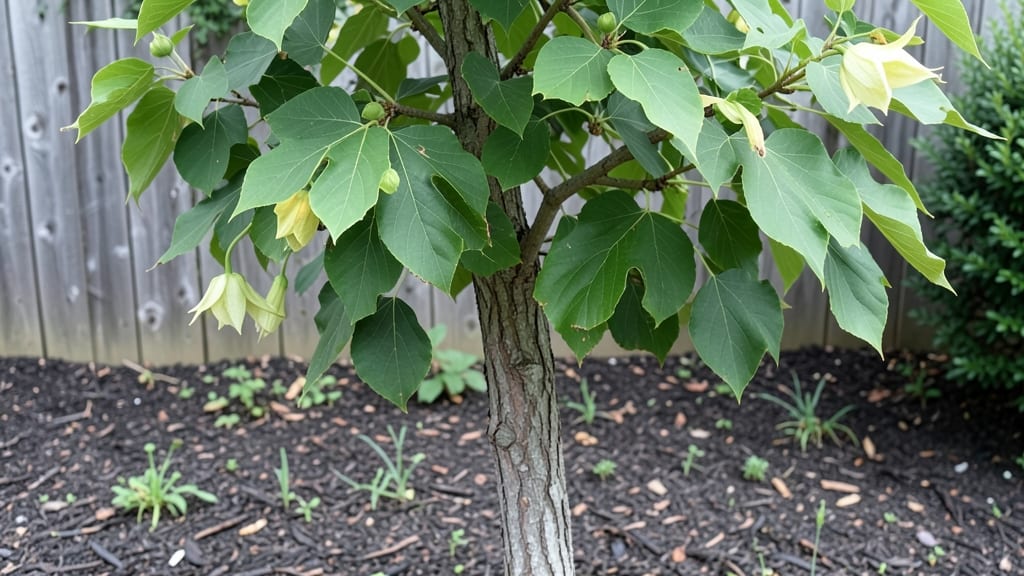
Planting poplar trees in South Carolina delivers fast-growing privacy that outpaces most evergreens—perfect for blocking highway views or shielding your yard from neighbors. The Eastern Cottonwood and Carolina Poplar thrive here, shooting up 6-8 feet per year while handling our humidity and sandy soils.
I learned the hard way that coastal areas need salt-tolerant varieties, while Piedmont gardens benefit from deeper soil drainage.
The secret to success starts with right-plant, right-place: space saplings 30-50 feet apart for full sun, and amend clay-heavy soils with compost to prevent root rot. Spring planting (March-May) gives roots time to establish before summer storms, while fall (September-October) works for container-grown trees.
My first attempt with poorly drained soil led to yellowing leaves—until I switched to raised beds with gravel underneath.
You’ll love how these trees transform your property within 3-5 years, offering year-round shade and windbreaks that native oaks can’t match. Just watch for powdery mildew in humid summers (neem oil helps) and prune suckers aggressively to maintain a clean trunk.
The trade-off? Their rapid growth makes them short-lived compared to oaks—plan for eventual replacement after 30-40 years.
For coastal SC, consider the Salix nigra (black willow) as a native alternative that handles salt spray better. Always check local regulations—some counties restrict poplars due to invasive root systems. The payoff? A lush, living screen that grows faster than you can say "hurricane season." Ready to plant?
📚 In This Guide
- What you need
- Instructions
- Tips and common mistakes
- Wrapping up and next steps
What you need
- ● Poplar tree saplings: 5–10 (depending on desired screen height; fast-growing varieties like Eastern Cottonwood or Carolina Poplar are ideal for SC’s climate).
- ● Shovel or trenching tool: 1 (for digging holes or trenches).
- ● Compost or organic mulch: 2–3 bags (for soil enrichment).
- ● Pruning shears: 1 pair (bypass pruners for clean cuts).
- ● Loppers: 1 (for thicker branches, 1.5"–2" diameter).
- ● Tree stakes & ties: 5–10 (to support young saplings).
- ● Watering can or hose: 1 (with a gentle spray nozzle).
- ○ Fungicide (optional but recommended): 1 bottle (e.g., copper-based to prevent poplar canker).
- ● Safety gloves & goggles: 1 pair each (poplar sap can irritate skin!).
- ● Extension pole saw: 1 (for high branches; 20–30 ft reach recommended).
- ● String trimmer or hedge trimmer: 1 (for shaping dense screens).
- ● Wheelbarrow: 1 (for transporting mulch or clippings).
- ● Well-draining soil: Test pH (ideal: 6.0–7.0; amend with lime if acidic).
- ● Full sun exposure: Minimum 6+ hours/day (poplars thrive in humidity but need light!).
- ● Moisture control: Poplars love water but hate soggy roots—ensure 6+ inches of drainage.
- ● Local regulations: Check HOA or county codes for tree planting restrictions.
How to plant and maintain poplar trees for fast privacy in South Carolina
Fast-growing poplars thrive in South Carolina’s humid climate—here’s how to plant them for maximum speed and privacy.
Select the Right Poplar Variety for Your Site
South Carolina’s heat and humidity favor fast-growing hybrid poplars like the Cottonwood or Eastern Cottonwood, which can reach 8–12 feet per year under ideal conditions. Avoid the Black Poplar—it’s slower-growing and less adaptable to the region’s wet summers. Check your soil type: poplars prefer moist, well-drained soil but tolerate clay if drainage improves.
If your yard has flood-prone areas, plant poplars near the lowest spots—they’ll outcompete weeds and stabilize soil. For drier sites, amend the soil with 2–3 inches of compost before planting to retain moisture. I always test soil pH first; poplars grow best in slightly acidic to neutral soil (pH 6.0–7.0). If yours is too alkaline, add sulfur or peat moss to adjust.
Plant at the Right Time and Depth
Spring is the best time to plant poplar trees in South Carolina—March through early April gives roots time to establish before summer heat. Dig a hole twice as wide as the root ball but no deeper; poplars hate sitting too low, which causes root rot. Loosen the soil at the bottom of the hole with your hands or a trowel to encourage root spread.
Place the tree so the top of the root ball sits 1–2 inches above ground level. This prevents soil from washing into the graft union (if using a nursery-grown tree) or smothering the trunk. Backfill with the native soil you removed, tamping gently in 3-inch layers to eliminate air pockets. Water deeply immediately after planting to settle the soil around roots.
Water Deeply and Mulch for Speed
Poplars need consistent moisture to grow fast, especially in South Carolina’s hot summers. Water deeply 2–3 times per week for the first year, soaking the soil to 18–24 inches deep. You’ll know you’ve watered enough when the soil feels damp at that depth—use a screwdriver to check. Overwatering is worse than underwatering; poplars hate soggy roots.
Apply 3–4 inches of mulch (wood chips or pine straw) in a 3-foot-wide ring around the base, keeping it 6 inches away from the trunk. Mulch slows moisture loss and suppresses weeds, which compete for nutrients. Replenish mulch annually—it breaks down quickly in our humid climate. Avoid thick mulch layers; they can suffocate roots and attract pests like termites.
Prune Strategically for Density and Health
Prune poplars only in late winter (February) to encourage fast, dense growth. Remove dead, diseased, or crossing branches first—these slow the tree’s energy output. Then, trim back overly leggy growth by one-third to promote bushier foliage. Poplars grow best with an open center, so avoid heavy topping, which stresses the tree and invites pests.
Watch for suckers—sprouts that grow from the base or roots. While they’re not harmful, they divert energy from your main privacy screen. Snip them off at the base with pruning shears as soon as they appear. If you’re planting a row of poplars for a screen, space them 15–20 feet apart for maximum density within 3–5 years.
Fertilize for Accelerated Growth
Poplars benefit from balanced fertilization in early spring and mid-summer. Use a 10-10-10 or 20-20-20 fertilizer (equal parts nitrogen, phosphorus, potassium) at half the recommended rate for young trees. Spread granules 6 inches from the trunk and water deeply to activate them. Over-fertilizing causes leaf burn and attracts pests like aphids.
In South Carolina’s clay-heavy soils, organic matter boosts growth. Mix 5–10 pounds of compost into the soil annually around the tree’s drip line (the edge of its canopy). This improves root zone aeration and moisture retention. Avoid fresh manure—it can burn roots and introduce pathogens. If your poplar shows yellowing leaves, it may need iron or manganese, common deficiencies in our acidic soils.
Tips & tricks for fast-growing poplar trees in South Carolina
Here's what I've learned from years of planting poplars in our humid climate—these tricks will help you achieve that fast privacy screen without the common pitfalls.
Variety Selection Matters: While Cottonwood and Eastern Cottonwood are your fastest options (8-12 feet per year), don't overlook the Carolina Poplar—it's specifically bred for our region's heat and humidity. I've seen it outperform others in South Carolina's wet summers. For urban areas, choose disease-resistant varieties like the Simon Poplar, which handles our clay soils better than standard types.
Soil Prep is Non-Negotiable: Before planting, I always dig down to 12 inches deep and mix in 3-4 inches of compost with the native soil. This improves drainage in our clay-heavy areas while retaining moisture. For alkaline soils (common in SC), add 1 cup of sulfur per hole and mix thoroughly—this adjustment can make the difference between thriving and struggling trees.
Watering Strategy for Speed: The key to those 8-12 feet of growth is consistent moisture to 18-24 inches deep. I use a soaker hose placed in a circle around the tree for the first year, running it for 20-30 minutes every other day during summer. This deep watering encourages deep root growth, which translates directly to faster height increases. Don't rely on surface watering—poplars need moisture where their roots are growing.
Pruning for Density: When pruning in February, focus on creating an open center structure—this allows sunlight to penetrate to lower branches, encouraging bushier growth. I always make cuts just outside the branch collar (the swollen area where the branch meets the trunk) to prevent damage. For privacy screens, trim the outer branches by one-third to encourage lateral growth, which will fill in faster than vertical growth alone.
Pro Tips for Poplar Tree South Carolina
- Here's what I've learned from years of planting poplars in our humid climate—these tricks will help you achieve that fast privacy screen without the common pitfalls.
- Variety Selection Matters: While Cottonwood and Eastern Cottonwood are your fastest options (8-12 feet per year), don't overlook the Carolina Poplar—it's specifically bred for our region's heat and humidity.
- Soil Prep is Non-Negotiable: Before planting, I always dig down to 12 inches deep and mix in 3-4 inches of compost with the native soil.
Frequently asked questions
Got questions about growing poplar trees in South Carolina?
Here are answers to the most common ones—whether you're planning a privacy screen, troubleshooting growth, or just curious about care.
Are poplar trees really fast-growing in South Carolina’s humid climate?
Yes! Poplars like the Eastern Cottonwood or Hybrid Poplar can grow 3–5 feet per year in ideal conditions. South Carolina’s warm, humid summers and well-drained soil make them thrive faster than many native species. Just ensure they get full sun and consistent moisture for best results.
Do poplar trees attract pests or diseases in SC?
Poplars are generally low-maintenance, but they can attract poplar borers or aphids if stressed. To prevent issues:
- Prune for airflow (remove dense branches).
- Water deeply but avoid soggy soil.
- Monitor for leaf spot—remove fallen leaves to reduce fungal risks.
How long until a poplar tree provides full privacy in SC?
For a 10–12-foot-tall privacy screen, plant 3–5-foot-tall poplar saplings (available at local nurseries). With ideal care, they’ll reach full height in 2–3 years. For faster results, consider Hybrid Poplar varieties, which grow even quicker.
What’s a good alternative if poplars don’t suit my yard?
If you want fast-growing, low-maintenance privacy screens for SC’s climate, try:
- Leyland Cypress (salt-tolerant, evergreen).
- Southern Magnolia (drought-resistant, fragrant).
- Green Giant Arborvitae (dense, pest-resistant).
When and how should I prune poplar trees in South Carolina?
Prune late winter or early spring (before new growth) to shape your poplar and encourage dense foliage. Use these tips:
- Remove dead, crossing, or weak branches first.
- Avoid "topping" (cutting the top flat)—it weakens the tree.
- Sanitize tools with rubbing alcohol between cuts to prevent disease.
Wrapping up and next steps
Poplar trees in South Carolina offer a fast-growing, lush privacy screen that thrives in the state’s humid climate—perfect for homeowners seeking both beauty and functionality. 🌳 Their rapid growth and adaptability make them an excellent choice, but proper pruning ensures they stay healthy and manageable.
Whether you're planting for shade, windbreaks, or aesthetics, these trees deliver big rewards with minimal effort.
Ready to transform your space? Start by selecting the right variety, gathering your tools, and diving into maintenance. Your dream privacy screen is just a few cuts away! 🌿