
Pruning
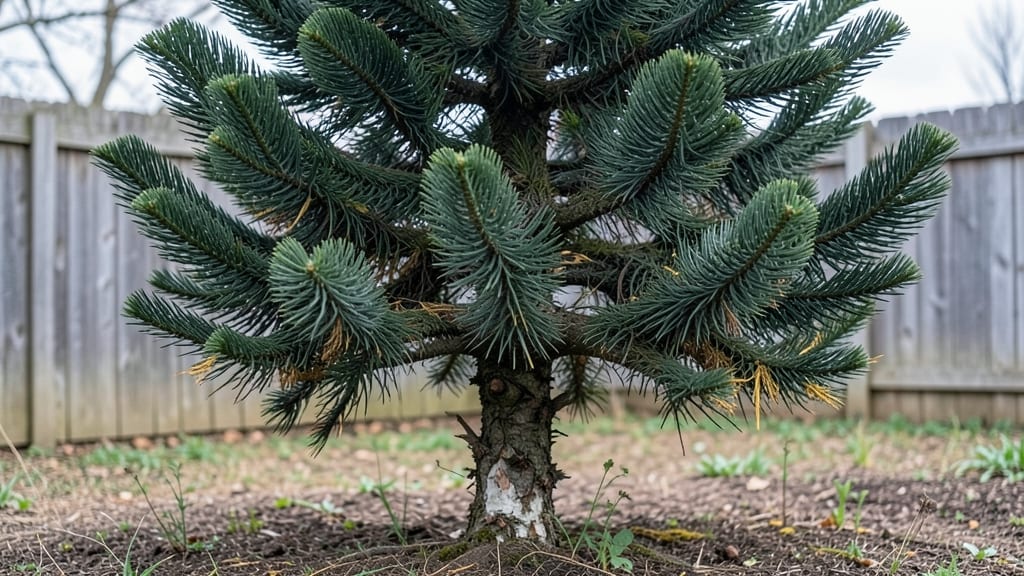
This araucaria heterophylla tree—or Norfolk Island pine—stands out in the Pacific Northwest with its striking, feather-like foliage that stays lush all year. 🌿 I’ve grown mine for five seasons, and the key to keeping it vibrant (without turning it into a tangled mess) is understanding when and how to prune.
Unlike many evergreens, this tree responds beautifully to light shaping, but timing matters—cut too late, and you risk stunting next year’s growth.
Pruning isn’t just about aesthetics; it’s about health. This tree thrives in partial shade to full sun and handles our region’s damp winters better than most tropical-looking evergreens. The best time to prune is late winter or early spring, just as new growth begins.
Use sharp, sterilized pruners to snip back any leggy branches or dead foliage—never more than one-third of the tree’s height at once. Over-pruning stresses the tree, and this one’s slow to recover.
What you’ll end up with is a tree that stays full and symmetrical, with bright green, fan-shaped fronds that catch the light year-round. The branches will thicken, creating a denser canopy, and you’ll avoid the "bare spots" that plague neglected Norfolk Island pines.
Even in our rainy climate, this tree stays resilient when pruned correctly—no yellowing needles or sparse growth.
For indoor versions (which do surprisingly well in bright living rooms), prune lightly in spring only—they’re more sensitive to over-trimming. Outdoor trees in the PNW can handle a little more aggressive shaping, but always step back and admire the natural shape first.
That’s how you know you’ve done it right.
📚 In This Guide
- What you need
- Instructions
- Tips and common mistakes
- Wrapping up and next steps
What you need
- ● Pruning shears – Sharp, bypass-style shears (for clean cuts on small branches). Quantity: 1 pair.
- ● Loppers – For thicker branches (up to 2 inches in diameter). Quantity: 1 pair.
- ● Hand pruners – For precision trimming of delicate foliage. Quantity: 1 pair.
- ● Disinfectant (70% isopropyl alcohol or pruning sealant) – To sterilize tools and prevent disease spread.
- ○ Heavy-duty gloves – Cut-resistant gloves for protection (optional but recommended!).
- ● Extension pole – For reaching high branches (6–10 feet tall).
- ● Tree climbing gear – Only if your araucaria heterophylla is mature and tall!
- ● Mulch (pine bark or wood chips) – To retain moisture and protect roots post-pruning.
- ● Fertilizer (balanced, slow-release) – For post-pruning recovery (e.g., 10-10-10 NPK ratio).
- ● Weather check – Prune on a dry, overcast day to reduce stress on the tree.
- ● Safety first! – Ensure no power lines or obstacles are nearby.
- ● Know your tree – Familiarize yourself with araucaria heterophylla’s growth habits (slow-growing, upright, and symmetrical).
Step-by-Step pruning guide for Araucaria heterophylla in the Pacific Northwest
This evergreen stands out year-round—here’s how to keep it thriving with precise cuts.
🌿 Step 1: Assess Growth and Identify Pruning Zones
Start by examining your Araucaria heterophylla for dead, crossing, or overcrowded branches. This species grows in distinct tiers, so focus on removing branches that disrupt that natural tiered structure. Use your fingers to gently trace each branch’s path—if it’s growing toward another branch, it’s a candidate for removal.
Look for brown or brittle tips, which indicate dead growth. These should be pruned back to healthy green tissue. In the Pacific Northwest’s damp climate, fungal issues can develop, so prioritize removing any branches with mushy or discolored bark. Never prune more than 25% of the canopy at once—this tree grows slowly and needs its foliage to photosynthesize.
✂️ Step 2: Sterilize Tools and Make Clean Cuts
Before making any cuts, sterilize your pruners with 70% isopropyl alcohol to prevent spreading disease. This tree’s dense foliage traps moisture, creating ideal conditions for fungal spores. Wipe down blades between cuts, especially if you’ve pruned other plants or trees in your garden.
Make cuts just outside the branch collar—the swollen area where the branch meets the trunk. Angle your cut slightly downward to prevent water from pooling and rotting the wound. For thicker branches over ½ inch in diameter, use loppers and cut in three stages: first undercut, then top-cut, and finally remove the stub. Avoid tearing the bark, which invites pests and disease.
☀️ Step 3: Shape for Airflow and Light Penetration
Step back and visualize the tree’s natural form. The Araucaria heterophylla thrives with an open, airy structure, so thin out interior branches to allow light to reach the lower tiers. Focus on removing branches that grow inward or downward—these create dense pockets where moisture lingers. Aim for a balanced silhouette where no single branch dominates the shape.
After pruning, inspect the tree’s canopy from all angles. You should see even light distribution through the branches. If one side looks too dense, remove a few more branches there. Avoid shearing the foliage—this tree’s unique texture comes from its whorled branches, and blunt cuts will disrupt that natural pattern. Prune in late winter or early spring when the tree is dormant but before new growth begins.
💧 Step 4: Post-Pruning Care and Monitoring
Water the base of the tree deeply after pruning to help it recover. The Pacific Northwest’s mild winters mean your tree stays active year-round, so it needs consistent moisture, especially after stress from pruning. Mulch around the root zone with 2-3 inches of organic mulch (like bark chips) to retain moisture and regulate soil temperature.
Monitor the pruning wounds for 3-4 weeks—they should seal over and appear calloused. If you notice oozing sap or dark, sunken areas, apply a tree wound sealant to protect the cut. Avoid over-fertilizing immediately after pruning; the tree’s energy should go toward healing, not new growth. Resist the urge to prune again for at least 6 months—this tree grows slowly, and frequent cuts weaken its structure.
Tips & tricks for pruning Araucaria heterophylla trees
Pruning this stunning evergreen requires precision—here’s how to elevate your technique and avoid common pitfalls that can stress your tree.
Branch Collar Precision: In Step 2, when making cuts just outside the branch collar, take your time to identify this swollen area clearly. The collar acts as the tree’s natural protective barrier, and cutting too close can expose the trunk to disease. If you’re unsure, trace the branch’s path with your finger—you’ll feel where it naturally separates from the trunk. This meticulous approach ensures faster healing and maintains the tree’s structural integrity.
Seasonal Timing Strategy: The instructions recommend late winter or early spring pruning, but here’s the deeper reasoning: This timing aligns with the tree’s natural dormancy period when it’s not actively growing. In the Pacific Northwest’s mild climate, this window (typically February through March) gives your tree time to recover before summer’s heat stress. If you must prune outside this window, choose a cooler, overcast day to minimize additional stress.
Canopy Density Assessment: When visualizing your tree’s natural form in Step 3, think of it like sculpting—you’re not just removing branches, you’re refining the tree’s architectural beauty. Use a small mirror or phone camera to inspect hard-to-see areas. Look for branches that create dense pockets where sunlight can’t penetrate; these are prime candidates for removal. The goal is to create an open, airy silhouette that allows light to reach all tiers—this prevents fungal issues and promotes even growth throughout the tree.
Post-Pruning Recovery Plan: After completing all cuts, implement this three-step recovery protocol: First, water deeply to help the tree rehydrate its roots. Second, apply a 2-3 inch layer of organic mulch to regulate soil temperature and retain moisture. Finally, monitor wounds weekly for the first 3-4 weeks—healthy wounds should appear calloused and dry. This proactive approach gives your Araucaria heterophylla the best chance to recover while maintaining its iconic tiered structure.
Pro Tips for Araucaria Heterophylla Tree
- Pruning this stunning evergreen requires precision—here’s how to elevate your technique and avoid common pitfalls that can stress your tree.
- Branch Collar Precision: In Step 2, when making cuts just outside the branch collar, take your time to identify this swollen area clearly.
- Seasonal Timing Strategy: The instructions recommend late winter or early spring pruning, but here’s the deeper reasoning: This timing aligns with the tree’s natural dormancy period when it’s not actively growing.
Frequently asked questions
Got questions about pruning your Araucaria heterophylla (Norfolk Island pine) for that lush, year-round Pacific Northwest look? We’ve got answers!
Whether you’re a pruning newbie or a seasoned gardener, these FAQs will help you keep your tree thriving—without stressing over the details.
When is the best time to prune my Araucaria heterophylla?
The ideal time to prune is late winter or early spring (February–March in the PNW). This timing encourages fresh growth before summer heat arrives. Avoid heavy pruning in fall—it can leave branches vulnerable to winter damage. Light trimming to shape or remove dead branches can happen anytime, but stick to the off-season for major work.
How much can I prune without harming the tree?
For healthy growth, limit pruning to no more than 25% of the tree’s foliage per year. Over-pruning can stress the tree, especially in its first few years. Focus on removing dead, diseased, or crossing branches first. If you’re shaping, prioritize thinning out dense areas to improve airflow and sunlight penetration—your tree will thank you with vibrant, year-round greenery!
Why are my branches turning brown after pruning?
Brown or yellowing branches after pruning are usually a sign of over-pruning, improper cuts, or fungal/bacterial infection. Ensure cuts are made just outside the branch collar (the swollen area where the branch meets the trunk) using clean, sharp tools. If browning persists, treat with a copper fungicide and avoid wetting the cuts during watering. Most healthy trees recover within a few months!
Does Araucaria heterophylla need special care after pruning in the PNW’s rainy climate?
Yes! While this tree loves humidity, pruning wounds take longer to heal in wet conditions. Seal larger cuts (over ½ inch) with pruning sealant to prevent rot. Space pruning sessions at least 2–3 weeks apart to avoid overstressing the tree. Also, avoid pruning during heavy rain—wait for dry weather to minimize disease risk.
Can I prune my Araucaria heterophylla indoors if it’s a houseplant?
Indoor Norfolk Island pines follow the same pruning rules as outdoor trees, but with smaller adjustments. Use sterilized scissors or small pruners for delicate trims. Focus on removing leggy growth or brown tips to encourage bushier growth. Just like outdoors, never remove more than 15–20% of the foliage at once—indoor trees are more sensitive to stress.
Pro Tip: Label your pruning tools!
If you’re tackling multiple trees (or have a busy garden), use color-coded tape on your tools to designate which are for Araucaria heterophylla vs. other plants. This keeps your cuts clean and prevents cross-contamination of diseases.
Wrapping up and next steps
The Araucaria heterophylla, or Norfolk Island pine, brings a touch of tropical charm to the Pacific Northwest’s landscapes—even through winter! With the right pruning techniques, you can keep its lush foliage vibrant and its growth healthy. Remember, timing, sharp tools, and patience are your best friends.
Now that you’re armed with knowledge, why not roll up your sleeves and give your tree some TLC? Start small—maybe just a few branches—and watch your Araucaria thrive year after year. Happy pruning! 🌿✂️