
Pruning
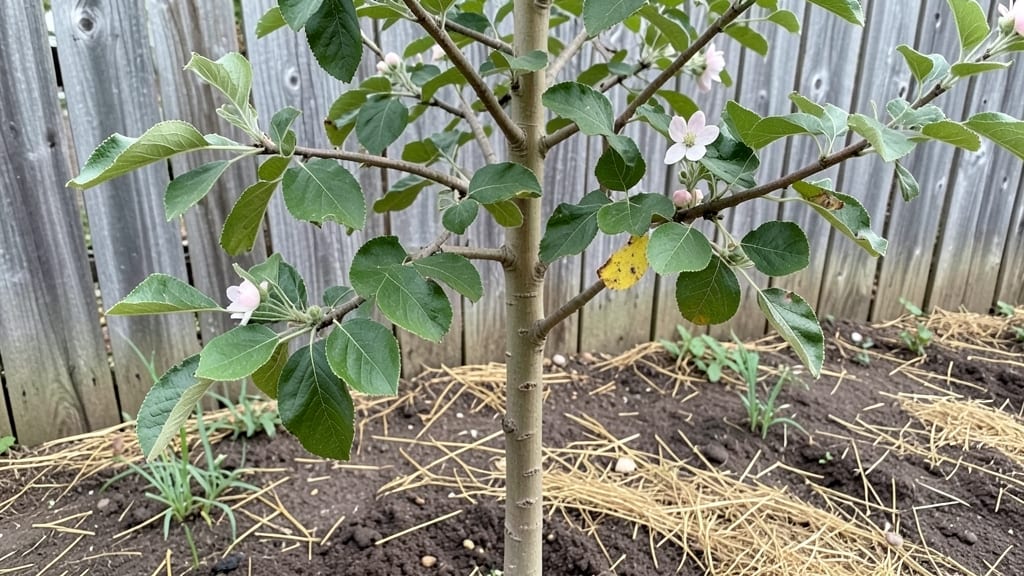
Growing apple trees from seeds unlocks a world of rustic charm and potential in your Pacific Northwest garden. 🌱 I’ve started more than a dozen from saved seeds—some thrived, others surprised me with unexpected flavors—but every attempt taught me how to coax life from those tiny brown specks.
The key isn’t just patience; it’s choosing the right seeds and understanding their quirks.
You’ll need cold stratification to break dormancy, a seedling tray for early growth, and a sunny spot with well-draining soil. Most seeds take 3-6 months to germinate, and saplings grow slowly at first—think 1-2 feet in their first year.
The trade-off? Trees grown from seed develop deep roots and resilience that grafted varieties sometimes lack, especially in our damp climate.
By year three, you’ll watch those first blossoms appear, though fruit may take 5-7 years to mature. The real reward? A tree uniquely yours, with flavors and hardiness tailored to your microclimate.
Just don’t expect perfect apples—genetic variability means some will be tart, others sweet, and a few might even surprise you with crabapple traits.
Perfect for homesteaders, experimenters, or anyone who loves the idea of growing something truly their own. Here’s how to turn those seeds into a thriving orchard starter—without the nursery price tag.
📚 In This Guide
- What you need
- Instructions
- Tips and common mistakes
- Wrapping up and next steps
What you need
- ● Apple seeds: 10–20 fresh, high-quality seeds from a cold-hardy variety (e.g., 'Granny Smith,' 'Honeycrisp,' or 'Fuji'). Avoid hybrid seeds—they may not grow true to type!
- ● Seed-starting mix: 1–2 gallons of sterile, well-draining potting soil (look for a mix labeled for seedlings or seed-starting).
- ● Small seed trays or pots: 2–4 biodegradable or plastic pots (3–4 inches deep) with drainage holes.
- ● Plastic wrap or humidity dome: To keep moisture in while seeds germinate.
- ● Spray bottle: For gentle watering (avoid over-saturating the soil!).
- ● Grow lights or sunny windowsill: A south-facing window or LED grow lights (12–16 hours/day) to provide warmth and light.
- ○ Misting bottle (optional): For maintaining humidity during germination.
- ● Pruning shears: Small, sharp scissors for trimming seedlings later (sterilize with rubbing alcohol).
- ○ Thermometer (optional): To monitor soil temperature (ideal germination range: 60–75°F).
- ● Garden gloves: For handling soil and seeds comfortably.
- ● Cold frame or greenhouse (for transplanting): If you plan to harden off seedlings before outdoor planting (Pacific Northwest winters demand resilience!).
- ● Patience & a notebook: Track seed progress, soil conditions, and growth milestones—seeds can take 3–6 weeks to sprout!
- ● A cold-hardy variety (Zone 5–7) to survive winter frosts.
- ● Acidic soil (pH 5.5–6.5)—amend with peat moss or sulfur if needed.
- ● Windbreaks (like a fence or shrubs) to protect young trees from coastal winds.
Step-by-Step guide to growing cold-hardy apple trees from seeds
Here's how I've successfully grown Pacific Northwest-adapted apple trees from seed—using proven cold-hardy varieties.
🌱 Step 1: Select and Prepare the Seeds
Choose seeds from cold-hardy apple varieties like 'Granny Smith', 'Honeycrisp', or 'Fuji'—these thrive in the Pacific Northwest's climate. I always harvest seeds from fully ripened apples, then clean them thoroughly by soaking in water for 3-5 days and changing the water daily. This removes any remaining fruit flesh and prevents mold.
After cleaning, place the seeds between damp paper towels in a sealed container. Store them in the refrigerator for 6-8 weeks to simulate winter stratification—a critical step for breaking dormancy. Check weekly to ensure the towels stay moist but not soggy. You'll know stratification worked when tiny roots (about ½ inch long) appear.
💧 Step 2: Plant the Stratified Seeds
Fill small pots (at least 6 inches deep) with a well-draining mix of 50% potting soil and 50% perlite. Plant each seed 1 inch deep, spacing them 2 inches apart in the pot. Gently firm the soil around the seeds to eliminate air pockets, then water lightly until the surface feels evenly moist.
Place the pots in a cool, bright location (around 50-60°F) for the first 2-3 weeks. Avoid direct sunlight during this phase—you're encouraging root development, not leaf growth. Watch for the first signs of sprouting, which typically appear as a small loop breaking through the soil surface.
☀️ Step 3: Transition to Outdoor Conditions
Once seedlings reach 4-6 inches tall and develop their first true leaves, they're ready for outdoor hardening. I gradually introduce them to outdoor conditions by placing the pots in a sheltered spot for 2-3 hours daily, increasing exposure by 1 hour each day until they can tolerate full sun.
After 2 weeks of hardening off, transplant the seedlings into the ground in a location with full sun exposure and well-draining soil. Space them 20-25 feet apart to allow for mature tree growth. Mulch around the base with 2-3 inches of organic mulch to retain moisture and regulate soil temperature.
✂️ Step 4: Prune and Maintain for Strong Growth
In the first year, focus on establishing a strong root system and central leader. Prune any branches that grow at sharp angles or cross over each other, as these are prone to breaking. I always make cuts just above a outward-facing bud to encourage healthy growth. Thin out any weak or diseased branches immediately to prevent the spread of issues.
Water deeply once a week during the first growing season, ensuring the soil remains consistently moist but not waterlogged. Fertilize lightly with a balanced organic fertilizer in early spring to support new growth. Monitor for pests like aphids or mites—early intervention with horticultural oil keeps them in check.
⏰ Step 5: Plan for Long-Term Care and Fruit Production
Apple trees grown from seed may take 5-7 years to bear fruit, but proper care ensures strong, cold-hardy trees. In the Pacific Northwest, winter protection is key—wrap young trees in burlap during harsh winters to shield them from drying winds. Prune annually in late winter to maintain an open canopy and improve air circulation.
Here's the thing—seed-grown apples won't match the exact flavor or consistency of grafted varieties, but they'll develop unique characteristics suited to your local climate. Cross-pollination is essential for fruit production, so plant at least two different varieties nearby to ensure successful pollination and a bountiful harvest.
Tips & tricks for perfect apple tree seedlings
Growing apple trees from seed is a rewarding long-term project, but these pro tips will help you avoid common pitfalls and maximize success with your Pacific Northwest varieties.
Stratification Success: In Step 1, when you're refrigerating seeds for the 6-8 weeks, place a small piece of cardboard between the seeds and the container lid to create a tiny air gap. This prevents condensation buildup that can cause mold—something I learned after losing a batch of seeds to fuzzy growth. Also, use a clear container so you can easily check moisture levels without opening it, which disrupts the cold stratification.
Root Development Check: During the cool, bright location phase in Step 2, gently press your finger into the soil around each seed after 2 weeks. If you feel resistance and see no visible sprouting, the seed may have failed. Successful seeds will show a small white root tip emerging from the bottom of the seed—this is your confirmation that stratification worked.
Hardening Off Strategy: When you begin the outdoor hardening process in Step 3, start with the sheltered spot that gets morning sun and afternoon shade. This gradual transition prevents sunburn on tender new leaves. I've found that increasing exposure by just 30 minutes every other day (instead of daily) gives seedlings time to adjust, especially during our unpredictable Pacific Northwest weather.
Long-Term Variety Planning: If you're planting multiple varieties for cross-pollination in Step 5, consider spacing them in a diagonal pattern rather than in rows. This creates better air circulation between trees and makes future pruning easier. I've also found that planting one tree slightly higher than others helps prevent frost pockets from collecting around the base during winter.
Pro Tips for Apple Tree Seeds
- Growing apple trees from seed is a rewarding long-term project, but these pro tips will help you avoid common pitfalls and maximize success with your Pacific Northwest varieties.
- Stratification Success: In Step 1, when you're refrigerating seeds for the 6-8 weeks, place a small piece of cardboard between the seeds and the container lid to create a tiny air gap.
- Root Development Check: During the cool, bright location phase in Step 2, gently press your finger into the soil around each seed after 2 weeks.
Frequently asked questions
Got questions about growing apple trees from seeds in the Pacific Northwest? You’re not alone! Here are some of the most common concerns—and straightforward answers—to help you get started with confidence.
Can I grow a true-to-type apple tree from seeds?
Unfortunately, no! Apple trees grown from seeds (like those from store-bought apples) rarely produce fruit identical to the parent tree. Seed-grown trees are also more prone to disease and may take years to bear fruit. For reliable, cold-hardy varieties, stick to grafted trees or rooted cuttings from trusted nurseries.
Which apple seeds are best for the Pacific Northwest’s cold climate?
While seed-grown apples may not match commercial varieties, some cold-hardy heirlooms like Granny Smith or McIntosh seeds can thrive in PNW zones (5–8). For guaranteed hardiness, choose grafted varieties like Liberty or Enterprise, bred to withstand frost and rain. If experimenting with seeds, collect them from local, disease-resistant apples.
How long does it take for apple seeds to sprout?
Apple seeds need stratification (cold treatment) to break dormancy. Plant them in moist soil or a damp paper towel in the fridge for 6–8 weeks before sowing. Once planted outdoors in spring, germination can take 2–4 weeks in warm soil. Patience is key—seedlings grow slowly at first!
Do I need to thin seedlings, and how?
Yes! Thin seedlings to 12–18 inches apart once they’re 4–6 inches tall to give roots room to grow. Use scissors to snip (don’t pull) to avoid disturbing nearby plants. Keep the strongest, healthiest stem—look for vigorous leaves and no signs of pests. Mulch around remaining seedlings to retain moisture.
Why aren’t my seed-grown apple trees fruiting?
Seed-grown trees often take 5–10+ years to fruit (if ever), and even then, the apples may be small, tart, or inedible. Cross-pollination is another hurdle—most apple trees need two compatible varieties nearby for fruit to set. If you’re serious about harvests, invest in grafted trees or consult a local orchardist for pollination tips.
Pro Tip:
Want to skip the seed gamble? Try layering or rooting cuttings from a healthy, disease-free apple tree in your area. It’s a more reliable way to propagate cold-hardy clones—just ask a neighbor with a great PNW variety!
Wrapping up and next steps
Growing apple trees from cold-hardy seeds is a rewarding way to add fruit-bearing beauty to your Pacific Northwest garden! 🌱 Whether you're drawn to the Liberty or Enterprise varieties for their resilience, or the Fuji for its sweet rewards, the key lies in selecting the right seeds, preparing them properly, and giving them the care they need.
Remember, patience is your ally—these trees take time to bear fruit, but the journey is just as delicious as the harvest.
Ready to take the next step? Start small—plant a few seeds or saplings this season and watch your garden transform! For extra guidance, explore local nurseries or gardening forums to connect with fellow PNW growers. Here’s to sweet success and a future full of homegrown apples! 🍏✨