
Pruning
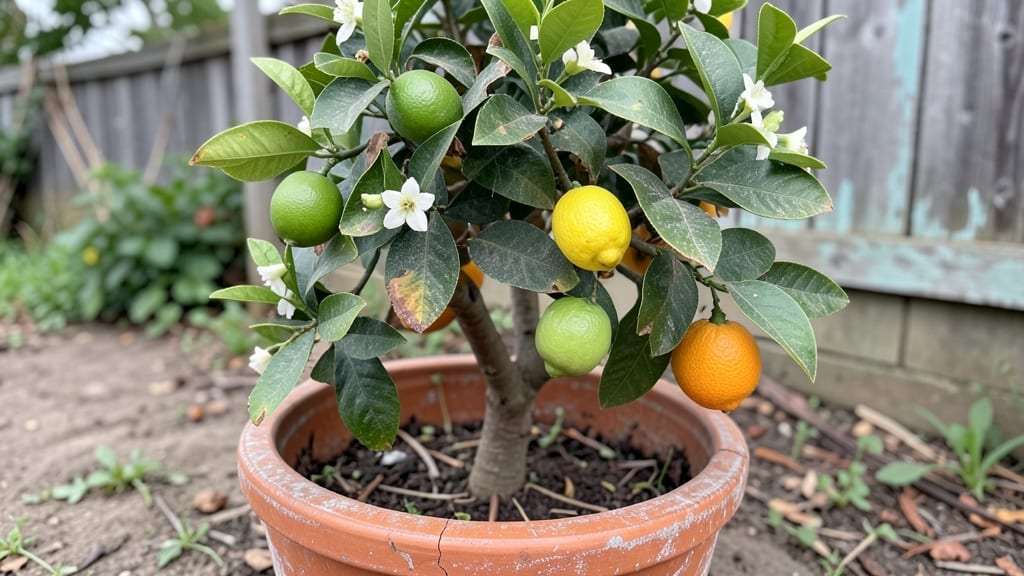
A 6-in-1 fruit cocktail tree packs six different fruits onto a single dwarf tree—peaches, plums, nectarines, cherries, apricots, and almonds—all in a space no bigger than a large patio. 🌿 I planted mine last spring, and by summer, it was already loaded with blossoms, proving that small spaces can deliver big harvests without the fuss of separate trees.
The secret lies in its dwarf rootstock and careful pruning—no orchard skills required. You’ll need well-draining soil, 6+ hours of sunlight, and a sturdy trellis or espalier system to support the branches as they fill with fruit.
Most varieties thrive in USDA Zones 5-9, but with the right winter protection, you can push it into colder climates too.
By mid-summer, you’ll be harvesting sweet, homegrown stone fruits that taste fresher than anything from the grocery store. The tree’s compact size means no ladder needed—just reach up and pick.
And because it flowers in stages, you’ll enjoy a staggered harvest from early summer through fall, with some varieties even producing a second flush.
Whether you’re in an urban backyard, a balcony planter, or a rural homestead, this tree adapts. The key is pruning for airflow and thinning fruit early to prevent overburdening branches. Ready to turn a small corner into a fruit bonanza? Let’s get growing.
📚 In This Guide
- What you need
- Instructions
- Tips and common mistakes
- Wrapping up and next steps
What you need
- ● 6-in-1 Fruit Cocktail Tree: 1 pre-grafted tree (e.g., apple, pear, peach, plum, cherry, and apricot on a dwarf rootstock like M9 or B9)
- ● OR 6 individual dwarf fruit trees (compatible for grafting)
- ● Grafting Supplies (if not pre-grafted): 6 scion wood (1-year-old branches from each fruit variety)
- ● 1 grafting knife (sharp, clean, and sterilized)
- ● 1 roll grafting tape or parafilm
- ○ 1 tube grafting wax (optional but helpful)
- ● Planting Essentials: 1 large container (15–20 gallons) or in-ground space (6x6 ft minimum)
- ● High-quality potting mix (well-draining, organic)
- ● Slow-release fertilizer (balanced 10-10-10 or fruit-specific)
- ● Mulch (wood chips or straw, 2–3 inches)
- ● Hand trowel (for planting)
- ● Watering can or hose with adjustable nozzle
- ● Pruning shears (sterilized)
- ● Gloves (gardening or work gloves)
- ● Spray bottle (for misting grafts)
- ○ Soil pH test kit (optional but recommended)
- ● Location: Full sun (6+ hours daily) and protection from strong winds.
- ● Climate: Chill hours (300–1,000, depending on fruit varieties). Check local hardiness zones!
- ● Pollination: Some varieties are self-pollinating, but cross-pollination may boost yields.
- ● Patience: Dwarf trees take 2–5 years to bear fruit, while grafts may take 1–2 years.
Step-by-step instructions for creating a 6-in-1 fruit cocktail tree
Here's how to build a compact, high-yield orchard in a single container—no greenhouse needed.
🪴 Step 1: Select and Prepare the Grafted Tree
Choose a dwarf rootstock with five compatible fruit varieties already grafted onto it (common combos include apple, pear, peach, plum, and cherry). Verify the graft union is 12-18 inches above the soil line—this ensures strong branching for all varieties. I always inspect the scions (the smaller branches) for healthy buds and no signs of disease before planting.
Soak the root ball for 2-3 hours before transplanting to revive any roots damaged during shipping. This prevents transplant shock and jumpstarts establishment. If your tree arrives in a bare-root state, pre-soak the roots in lukewarm water for 12 hours to soften them before planting. The goal is to handle the roots as little as possible—they're fragile after dormancy.
☀️ Step 2: Plant in a Large, Sunlit Container
Use a minimum 24-inch diameter pot with drainage holes to accommodate the tree's mature size. Fill the bottom 3 inches with gravel or perlite to prevent waterlogging. The 6-in-1 tree needs full sun (6+ hours daily) and well-draining soil—a mix of 60% potting soil, 20% compost, and 20% perlite works perfectly.
Dig a hole twice as wide as the root ball but only as deep as the root system. Position the tree so the graft union sits 2-3 inches above soil level—this prevents it from being buried, which can cause rot. Backfill with soil, pressing gently to remove air pockets, then water deeply until it drains from the bottom holes. This ensures the roots make immediate contact with moist soil.
💧 Step 3: Water and Fertilize for Establishment
Water the tree every 2-3 days until the top 2 inches of soil feel damp (not soggy). Overwatering in the first month is a common mistake—root rot will kill your tree before it bears fruit. I use a moisture meter to check, but you can also stick your finger in the soil: if it feels dry 1 inch down, it's time to water.
Wait 4-6 weeks before fertilizing to let the roots recover. Then, apply a balanced 10-10-10 fertilizer at half strength every 4 weeks during the growing season. This prevents nutrient burn while supporting steady growth. In fall, switch to a low-nitrogen, high-phosphorus fertilizer (like 5-10-10) to encourage root development over winter.
✂️ Step 4: Prune for Structure and Fruit Production
Prune new growth in late winter (before buds swell) to shape the tree and remove weak or crossing branches. I focus on keeping the strongest scaffold branches—these will bear the most fruit. Cut just above a bud facing outward to encourage an open canopy. Avoid heavy pruning in the first year; let the tree establish its structure first.
Thin fruit in early summer when clusters form. Leave one fruit per spur (the small branches where fruit develops) to ensure larger, higher-quality harvests. This also prevents branches from breaking under the weight of too many fruits. If birds or pests are an issue, cover the tree with fine netting as soon as flowers appear.
🌱 Step 5: Overwinter for Year-Round Productivity
Move the pot to a protected location (like a garage or shed) when temperatures drop below 20°F. Wrap the container in bubble wrap or frost blankets to insulate the roots. If you can't move it, mulch heavily with 4-6 inches of straw around the base to retain heat. The key is preventing root freeze-thaw cycles, which can kill the tree.
Resume watering every 3-4 weeks in winter if the soil feels dry. Avoid fertilizing during dormancy—this forces the tree to grow when it should rest. In early spring, uncover the tree and resume regular care. With proper overwintering, your 6-in-1 tree will produce fruit year after year, even in small spaces.
Tips & tricks for perfect 6-in-1 fruit cocktail tree
These game-changing tips will help your multi-fruit tree thrive and produce bountiful harvests year after year.
Root Revival Technique: When you're soaking that root ball for 2-3 hours (or 12 hours for bare-root trees), use lukewarm water—not cold tap water. Cold water can shock the roots even further, while lukewarm water mimics spring temperatures and helps revive dormant cells. I add a pinch of unrefined sea salt to the soaking water to prevent bacterial growth during this critical hydration phase.
Soil Mix Secret: The 60-20-20 soil mix (potting soil, compost, perlite) is perfect, but here's the pro move: add 1 cup of worm castings to the mix for every 5 gallons of soil. Worm castings boost microbial activity, which helps your tree's roots establish faster and absorb nutrients more efficiently. This is especially important for container-grown trees where root competition is fierce.
Graft Union Protection: That 2-3 inch graft union position above soil level is non-negotiable, but here's what I do to ensure it stays protected: after planting, I create a 1-inch high berm of soil around the base of the trunk to prevent water from pooling at the graft. This simple technique prevents rot while keeping the graft union exposed to air for proper healing. I also avoid using mulch near the trunk during the first year to prevent moisture buildup.
Winter Watering Strategy: When you're reducing watering to every 3-4 weeks in winter, here's my secret: I check moisture by lifting the pot—if it feels noticeably lighter than when it was fully watered, that's your cue. Container soil dries out faster than in-ground soil, and overwatering in winter is just as deadly as underwatering. I also place the pot on feet or bricks to improve drainage and prevent waterlogging during the dormant season.
Pro Tips for 6 In 1 Fruit Cocktail Tree
- These game-changing tips will help your multi-fruit tree thrive and produce bountiful harvests year after year.
- Root Revival Technique: When you're soaking that root ball for 2-3 hours (or 12 hours for bare-root trees), use lukewarm water—not cold tap water.
- Soil Mix Secret: The 60-20-20 soil mix (potting soil, compost, perlite) is perfect, but here's the pro move: add 1 cup of worm castings to the mix for every 5 gallons of soil.
Frequently asked questions
Got questions about your 6-in-1 fruit cocktail tree? You’re not alone!
Here are answers to the most common queries to help you grow with confidence—whether you’re a first-timer or a seasoned pruner.
How long does it take for a 6-in-1 fruit cocktail tree to bear fruit?
Most 6-in-1 trees (like the Citrus × Fortunella hybrids or dwarf fruit trees) take 2–4 years to produce fruit, depending on care, climate, and variety. Patience pays off—healthy trees with proper pruning and sunlight will reward you sooner! Learn how to speed up fruiting.
When is the best time to prune for maximum fruit production?
Prune your 6-in-1 tree in late winter or early spring (just before new growth starts) to encourage strong branches and fruit buds. Avoid heavy pruning after flowering—this can reduce your harvest. Pro tip: Use sharp shears to make clean cuts at a <45° angle.
Can I grow a 6-in-1 fruit cocktail tree indoors?
Yes! Many dwarf varieties thrive indoors with 6+ hours of sunlight daily (a south-facing window or grow light works). Keep temps between 60–80°F, and use a well-draining pot. However, outdoor trees yield more fruit due to better pollination and airflow.
What if my tree isn’t fruiting? Troubleshooting tips.
Check these common issues:
- Not enough sunlight: Move to a sunnier spot or supplement with grow lights.
- Over/under-watering: Keep soil consistently moist but not soggy.
- Lack of pollination: Hand-pollinate with a small brush if bees aren’t visiting.
- Young tree: Wait 1–2 more seasons—some varieties need time to mature.
Can I mix different fruit varieties into one 6-in-1 tree?
No—6-in-1 trees are grafted hybrids (e.g., citrus + berries) and cannot be mixed after purchase. Each tree is pre-engineered to produce its specific fruit combo. If you want variety, plant separate dwarf trees in the same pot or garden bed!
Wrapping up and next steps
Transforming your backyard—or even a small balcony—into a vibrant, year-round fruit oasis is easier than you think! The 6-in-1 fruit cocktail tree is your ticket to a compact, high-yield harvest with minimal fuss.
Whether you're a seasoned gardener or just starting out, this space-saving solution delivers delicious rewards with low maintenance and big flavor.
Ready to take the next step? Start small—plant your tree, prune with confidence, and watch your garden thrive! Share your progress with fellow gardeners or expand your setup by adding more varieties. Your future harvest awaits—go grab those pruners! 🌱✨