
Fertilization
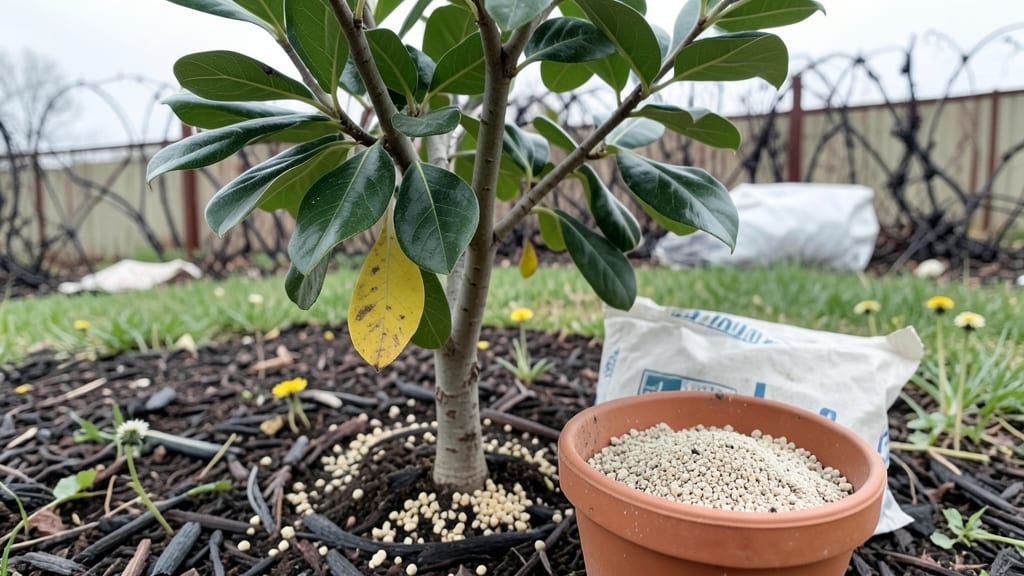
Transform your magnolia tree into a lush, blooming beauty with the perfect 10-10-10 fertilizer for magnolia tree—balanced nutrition for vibrant leaves and fragrant flowers. I’ve used this ratio for years to transform underperforming magnolias into showstopping centerpieces, and the key lies in timing, soil prep, and avoiding common overfeeding mistakes.
Too much nitrogen? You’ll get lush foliage but no flowers. Too little? Stunted growth and pale leaves. The solution is precision, not guesswork.
You’ll need one pound of 10-10-10 fertilizer per inch of trunk diameter, spread in a 3-foot-wide band around the drip line. Apply it twice a year—once in early spring as buds swell and again in late fall after leaf drop—to fuel both root development and next year’s blooms.
For best results, work the fertilizer into the top 2-3 inches of soil or use a slow-release version to prevent runoff. Magnolias thrive on consistency, not sudden nutrient spikes.
The payoff comes in 3-4 weeks with darker green leaves, firmer branches, and—if you’ve avoided overdoing it—more abundant blooms the following spring. You’ll notice fewer yellowing leaves and stronger resistance to stress, too.
The secret isn’t just the fertilizer; it’s pairing it with proper watering (deep but infrequent) and mulching to retain moisture and regulate soil temperature. This isn’t a quick fix—it’s a long-term investment in your tree’s health.
For organic alternatives, consider fish emulsion or composted manure (5-5-5 ratio) blended with kelp meal for micronutrients. If your magnolia’s soil tests acidic (pH below 5.5), pair the fertilizer with elemental sulfur to keep roots happy.
The goal is steady growth, not a nutrient high—so start small, monitor closely, and adjust next year based on what you see. Your tree will thank you with decades of drama-free blooms.
📚 In This Guide
- What you need
- Instructions
- Tips and common mistakes
- Wrapping up and next steps
What you need
- ● 10-10-10 Fertilizer Granules: 1–2 lbs (depending on tree size; small trees: 1 lb, mature trees: 2 lbs). Look for slow-release or organic options if possible.
- ● Garden Gloves: A pair to protect your hands from granules and soil.
- ● Watering Can or Hose: For even moisture distribution after application.
- ● Measuring Scoop or Scale: To ensure precise fertilizer amounts (avoid guesswork!).
- ○ Pruning Shears (Optional but Helpful): For trimming dead branches to improve nutrient absorption.
- ○ Mulch (Optional): 2–3 inches of organic mulch (e.g., pine straw or shredded bark) to retain moisture and regulate soil temperature.
- ● Soil Test: Check your soil’s pH (ideal for magnolias: 5.0–6.0). Adjust with lime or sulfur if needed before fertilizing.
- ● Water Access: Ensure your tree is well-hydrated 24–48 hours before applying fertilizer.
- ● Clear Workspace: Remove weeds or debris from the root zone (12–18 inches from the trunk).
Step-by-step guide to using 10-10-10 fertilizer for magnolia trees
Magnolias thrive with balanced nutrition, and 10-10-10 fertilizer delivers exactly that. Here's how to apply it for lush foliage and vibrant blooms.
Prepare the Soil and Test Current Nutrient Levels
Before applying fertilizer, conduct a soil test to determine existing nutrient levels—magnolias prefer slightly acidic soil with a pH between 5.0 and 6.5. If your soil is alkaline, amend it with sulfur or peat moss before fertilizing. I like to test in early spring, right after the last frost but before new growth begins.
Clear the area around the tree's drip line (the edge of the tree's canopy) of debris and weeds. Use a garden rake to loosen the top 2-3 inches of soil, ensuring it’s aerated for better root absorption. This step is critical—compacted soil blocks nutrients from reaching the roots efficiently.
Apply 10-10-10 Fertilizer in the Right Amount and Technique
For a mature magnolia tree, use 1 pound of 10-10-10 fertilizer per inch of trunk diameter. For example, a tree with a 6-inch trunk would need 6 pounds of fertilizer. Sprinkle the fertilizer evenly in a 6-inch-wide band around the drip line, avoiding direct contact with the trunk.
Gently scratch the fertilizer into the top layer of soil with a garden fork or rake. Water the area deeply right after application to dissolve the granules and encourage root uptake. Avoid overwatering—magnolias dislike soggy roots, so ensure the soil drains well. You’ll know it’s right when the top 1-2 inches of soil are moist but not waterlogged.
Schedule Fertilization and Monitor for Growth Response
Apply 10-10-10 fertilizer twice a year: once in early spring (just as buds begin to swell) and again in late summer (after blooming but before fall dormancy). This timing ensures the tree has nutrients when it needs them most—during active growth and recovery.
Watch for signs of improvement: within 4-6 weeks, you should see stronger new growth, deeper green foliage, and more abundant blooms the following year. If leaves yellow or brown at the edges, it may indicate over-fertilization—reduce the amount by half next time and water more frequently to flush excess salts from the soil.
Adjust Based on Tree Health and Soil Conditions
If your magnolia shows signs of stress like leaf drop or stunted growth, reassess your fertilization approach. Over time, soil nutrient levels change, so retest every 2-3 years. For trees planted in containers, use half the recommended dose and fertilize monthly during the growing season with a diluted solution of 10-10-10.
Real talk: magnolias are slow to respond to fertilizer changes, so consistency is key. Stick to the schedule, and you’ll see long-term benefits—healthy trees can live for decades with proper care. If you notice white, crusty deposits on the soil surface, it’s a sign of excess fertilizer; flush the area with water immediately.
Tips & tricks for perfect magnolia tree fertilization
A few key insights will help you maximize the benefits of 10-10-10 fertilizer for your magnolia tree.
Soil pH Preparation: Before applying fertilizer, I can't stress enough how important it is to confirm your soil's pH level. Magnolias thrive in slightly acidic soil (5.0-6.5), and if your test shows alkaline soil, amend it with sulfur or peat moss at least 2-3 months before fertilizing. This adjustment period gives the soil time to stabilize before introducing nutrients.
Precision Application Technique: When applying the 10-10-10 fertilizer in that 6-inch-wide band around the drip line, use a measuring scoop rather than eyeballing it. For a 6-inch trunk, you need exactly 6 pounds of fertilizer—any less and you're underfeeding, any more risks burning the roots. I like to divide the total amount into quarters and distribute them evenly around the tree.
Monitoring for Over-Fertilization: The 4-6 week window mentioned for observing growth response is your best indicator of proper fertilization. If you notice leaves yellowing or browning at the edges within this timeframe, it's a clear sign of over-fertilization. In this case, flush the soil with water immediately to remove excess salts, then reduce your next application by half. This adjustment period helps prevent long-term damage.
Container Tree Adaptation: For magnolias in containers, the instructions mention using half the recommended dose monthly. I've found that diluting the 10-10-10 fertilizer to half strength in water works exceptionally well. Apply this solution directly to the soil surface and water thoroughly to ensure even distribution throughout the root zone. This method prevents nutrient buildup while still providing consistent nourishment.
Pro Tips for 10-10-10 Fertilizer For Magnolia Tree
- A few key insights will help you maximize the benefits of 10-10-10 fertilizer for your magnolia tree.
- Soil pH Preparation: Before applying fertilizer, I can't stress enough how important it is to confirm your soil's pH level.
- Precision Application Technique: When applying the 10-10-10 fertilizer in that 6-inch-wide band around the drip line, use a measuring scoop rather than eyeballing it.
Frequently asked questions
Got questions about using 10-10-10 fertilizer for your magnolia tree?
Here are some of the most common ones—plus straightforward answers to keep your tree thriving!
When is the best time to apply 10-10-10 fertilizer to a magnolia tree?
Apply 10-10-10 fertilizer in early spring (just as new growth begins) and again in late summer or early fall. Avoid fertilizing in winter when the tree is dormant, or during extreme heat, as this can stress the roots. Pro tip: Water the tree thoroughly before and after applying to help nutrients absorb!
How often should I fertilize my magnolia tree with 10-10-10?
For established magnolia trees, 2-3 times per year (spring, summer, and/or fall) is ideal. Young or newly planted trees may only need 1 application in early spring. Over-fertilizing can harm roots—always follow the recommended rates on the fertilizer label and monitor your tree’s response.
Can I use 10-10-10 fertilizer on a newly planted magnolia tree?
Yes, but wait 6-8 weeks after planting to let the roots establish before applying. For the first year, use half the recommended dose to avoid burning tender roots. Focus on watering and mulching instead—new trees need time to adjust!
What are some alternatives to 10-10-10 fertilizer for magnolia trees?
If 10-10-10 isn’t available, try these balanced options:
- 6-6-6 or 8-8-8 fertilizer (gentler on roots)
- Organic options like compost, worm castings, or fish emulsion
- Slow-release granules (apply less frequently)
Why are my magnolia leaves yellowing after using 10-10-10 fertilizer?
Yellowing leaves can signal over-fertilization or nutrient burn. If this happens:
- Flush the soil with water to dilute excess salts
- Reduce fertilizer frequency or switch to a lower-strength formula
- Check for root damage—healthy roots should be white, not brown or mushy
Wrapping up and next steps
Using 10-10-10 fertilizer for your magnolia tree is a simple yet powerful way to boost its growth, health, and beauty—without the guesswork! 🌿 With the right balance of nitrogen, phosphorus, and potassium, you’ll see stronger roots, vibrant blooms, and lush foliage in no time. Start small, observe, and adjust as needed to keep your magnolia thriving.
Ready to take the next step? Test your soil first to confirm the pH and nutrient levels, then grab your 10-10-10 fertilizer and get growing! Your magnolia will thank you with stunning flowers and years of elegance.