
Pests
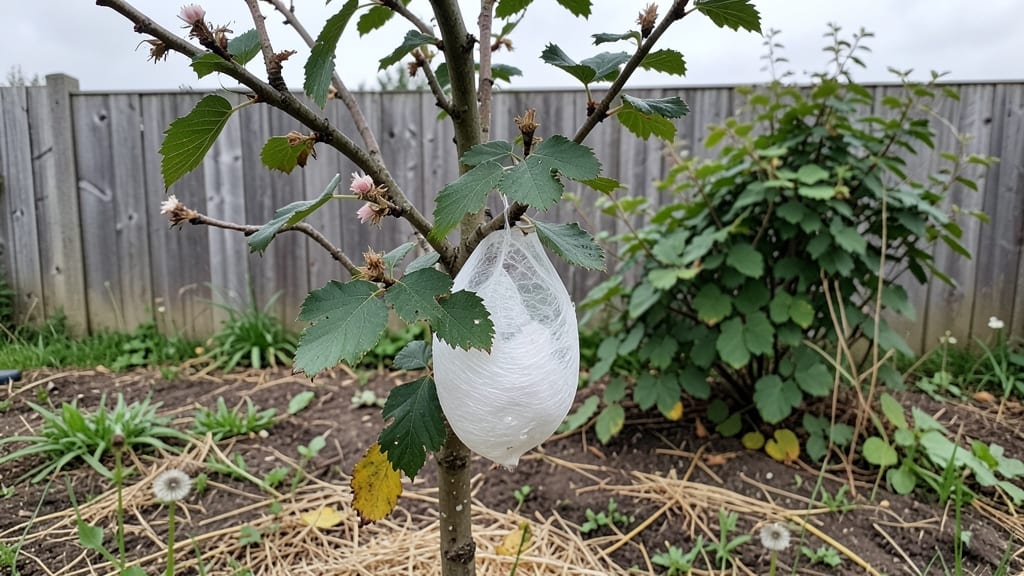
Finding white cocoons clinging to your tree branches? Those silvery, fuzzy sacs are likely bagworms—a sneaky pest that can strip a tree bare if left unchecked. I’ve wrestled with these critters on my oak, and the key is acting fast before they hatch into hungry caterpillars.
The good news? You don’t need harsh chemicals to handle them. A simple soapy water spray or neem oil treatment works wonders when applied at the right time (late summer or early fall).
Just be patient—it takes a few weeks to see those cocoons drop to the ground, but your tree will thank you for the intervention.
📚 In This Guide
- What you need
- Instructions
- Tips and common mistakes
- Wrapping up and next steps
What you need
- ● Safety gear: Nitrile or latex gloves (2 pairs—one for inspection, one for removal)
- ● Safety goggles (to protect against debris or pesticide splashes)
- ● Long-sleeved shirt and pants (preferably lightweight and breathable)
- ● Inspection tools: Hand lens or magnifying glass (10x magnification recommended)
- ● Flashlight (LED with adjustable brightness for close-up viewing)
- ● Notebook and pen (to record observations like cocoon size, location, or damage)
- ● Removal tools: Pruning shears or sharp scissors (for cutting cocoons or infested branches)
- ● Plastic bag or bucket (10+ gallon capacity, for disposal)
- ● Rake or long-handled brush (for dislodging cocoons from high branches)
- ○ Pest control (optional but helpful): Horticultural oil or insecticidal soap (1% concentration, 1–2 gallons)
- ● Neem oil spray (ready-to-use, 16 oz bottle)
- ● Labelled pesticide (if severe infestation; follow EPA guidelines)
- ● Disposable gloves (extra pair for handling pesticides)
- ● Spray bottle (for targeted application of oils or soaps)
- ● Camera or smartphone (to document the infestation before/after treatment)
- ● Tree pruning saw (if dealing with large, heavily infested branches)
- ● Compost bin or trash bin (for eco-friendly disposal of cocoons)
How to identify and remove white cocoons from trees
Spotting these fuzzy white cocoons on your tree branches? Here's how to tackle them safely and effectively.
Confirm the Pest is a Cocoon, Not a Flower or Fungus
First, examine the cocoon closely. Genuine pest cocoons—often from spider mites, scale insects, or bagworms—have a silky, webby texture and are usually attached to branches or leaves. They feel slightly fuzzy to the touch and don't fall off easily. If the white mass resembles a flower bud or fungal growth, it's not a pest cocoon and shouldn't be disturbed.
Look for tiny holes or movement inside the cocoon. Some pests, like bagworms, will wiggle slightly when disturbed. If you see caterpillars or larvae inside, you've confirmed it's a pest cocoon. This step ensures you don't waste time or risk harming beneficial insects or tree health.
Choose the Right Removal Method Based on Cocoon Type
For soft, webby cocoons (like those from spider mites), use a strong blast of water from a hose. Aim the nozzle directly at the cocoons and scrub gently with a soft brush to dislodge them. This works best in early spring before pests emerge. If the cocoons are hard and papery (like bagworm cases), handpick them carefully and drop them into a bucket of soapy water to kill the larvae inside.
Never use harsh chemicals unless absolutely necessary. Many cocoons are from beneficial insects, so targeting only the problematic ones is key. If you're unsure about the type of cocoon, take a photo and compare it to online resources before treating. This step protects your tree while ensuring you don't harm helpful garden visitors.
Prevent Future Infestations with Natural Barriers
After removing the cocoons, apply a layer of horticultural oil or neem oil to the tree branches. These natural oils smother pests and disrupt their life cycles without harming the tree. Spray in the early morning or late evening to avoid damaging beneficial insects that are active during the day. Reapply every 7-10 days during the growing season for best results.
Encourage natural predators like birds and ladybugs by planting nearby flowers that attract them. A healthy tree with diverse foliage is less appealing to pests. Prune any dead or diseased branches to reduce hiding spots for cocoons. This step creates a long-term defense against future infestations.
Monitor and Maintain Tree Health Year-Round
Check your tree regularly, especially in spring and fall, when pests are most active. Look for new cocoons, chewed leaves, or sticky residue (a sign of scale insects). Early detection makes removal easier and prevents widespread damage. Keep the area around the tree free of debris, as fallen leaves can harbor overwintering pests.
Water deeply but infrequently to promote strong root growth. Stress weakens trees, making them more susceptible to infestations. If you notice repeated issues, consult a local arborist for a tailored plan. Consistent care keeps your tree thriving and less vulnerable to pests.
Tips & tricks for identifying and removing tree cocoons
Here's what nobody tells you about tackling those fuzzy white cocoons without harming your tree or the helpful insects that live there.
Visual Confirmation: In Step 1, when you examine the cocoons, look for these key details: genuine pest cocoons will have a silky texture that sticks to branches, while flower buds or fungal growths will feel different to the touch. I learned this the hard way after trying to remove what I thought were cocoons—only to realize they were actually flower buds! The tiny holes or movement inside (like bagworms wiggling) are your clearest sign that you've found pests.
Timing is Everything: For Step 2, early spring is the absolute best time to tackle soft, webby cocoons with water pressure. That's when they're most vulnerable before pests emerge. If you're dealing with hard, papery cocoons like bagworm cases, handpicking works best when the larvae are still dormant inside. Between us, I've found that morning is the ideal time to work—pests are less active and you avoid disturbing beneficial insects that are daytime foragers.
Natural Oil Application: When you apply horticultural or neem oil in Step 3, focus on the undersides of leaves and branch crevices where pests hide. I've discovered that adding a drop of dish soap (just a teaspoon per quart of oil) helps the solution stick better. Spray in the early morning or late evening to protect daytime-active beneficial insects—this timing makes all the difference in maintaining your tree's natural defenses while smothering pests.
Seasonal Monitoring Strategy: For Step 4, create a simple seasonal checklist: spring for new cocoons, summer for chewed leaves, and fall for sticky residue. I mark my calendar with these checkpoints and always keep a small magnifying glass handy for close inspection. The key is consistency—trees under regular care are far less susceptible to infestations because you catch problems early when they're most manageable.
Pro Tips for White Cocoon On Tree
- Here's what nobody tells you about tackling those fuzzy white cocoons without harming your tree or the helpful insects that live there.
- I learned this the hard way after trying to remove what I thought were cocoons—only to realize they were actually flower buds!
- Timing is Everything: For Step 2, early spring is the absolute best time to tackle soft, webby cocoons with water pressure.
Frequently asked questions
Got questions about those mysterious white cocoons clinging to your trees? You’re not alone! Here are some of the most common concerns—and straightforward answers—to help you tackle the issue with confidence.
What kind of pest creates white cocoons on trees?
Those fuzzy white cocoons are most likely the work of spider mites, scale insects, or bagworms. Spider mites and scale leave sticky residue, while bagworms create silky, tent-like structures. Inspect the cocoons closely—if they’re small, round, and clustered, they’re probably mites or scale. If they’re larger, elongated, and wrapped in silk, bagworms are the culprit.
When is the best time to remove white cocoons from trees?
Timing matters! For bagworms, act late summer to early fall (before they pupate) or early spring (when they’re still small). Spider mites and scale thrive in warm, dry conditions, so treat them in spring or fall when they’re most vulnerable. Pro tip: Morning is ideal—pests are sluggish and easier to spot when dew is present.
What’s the safest way to remove them without harming the tree?
Start with physical removal: Use a shop vacuum (with a hose attachment) or pruners to pluck off cocoons. For stubborn infestations, mix 1 tsp dish soap + 1 quart water in a spray bottle and apply directly to cocoons (avoid healthy foliage). Repeat every 5–7 days for 2–3 weeks. Never use harsh chemicals like pesticides unless absolutely necessary.
Are there natural alternatives to chemical treatments?
Try these eco-friendly fixes:
- Neem oil spray: Mix 1 tbsp neem oil + 1 tsp mild soap in 1 quart water. Spray cocoons thoroughly—it disrupts their life cycle.
- Beneficial insects: Release ladybugs or parasitic wasps (available at garden centers) to prey on mites and scale.
- Horticultural oil: Apply in dormant season (winter) to smother eggs and cocoons.
What should I do if the cocoons keep coming back?
Persistent cocoons often mean a hidden infestation. Check the undersides of leaves, tree bark crevices, and root zones for eggs or larvae. If the problem persists, consider professional pest control—they can assess whether your tree has an underlying issue (like stress or disease) making it more vulnerable. Prevention tip: Keep trees healthy with proper watering and pruning!
Wrapping up and next steps
Spotting a white cocoon on a tree can be alarming, but with the right knowledge, you can tackle the issue safely and effectively. 🌳 Whether it’s a gypsy moth, bagworm, or another pest, early action—like pruning, manual removal, or natural predators—can protect your trees. Remember, patience and consistency are key!
Ready to take action? Start by inspecting your trees regularly and applying the removal methods that work best for your situation. Your greenery will thank you! 🌿