
Pruning
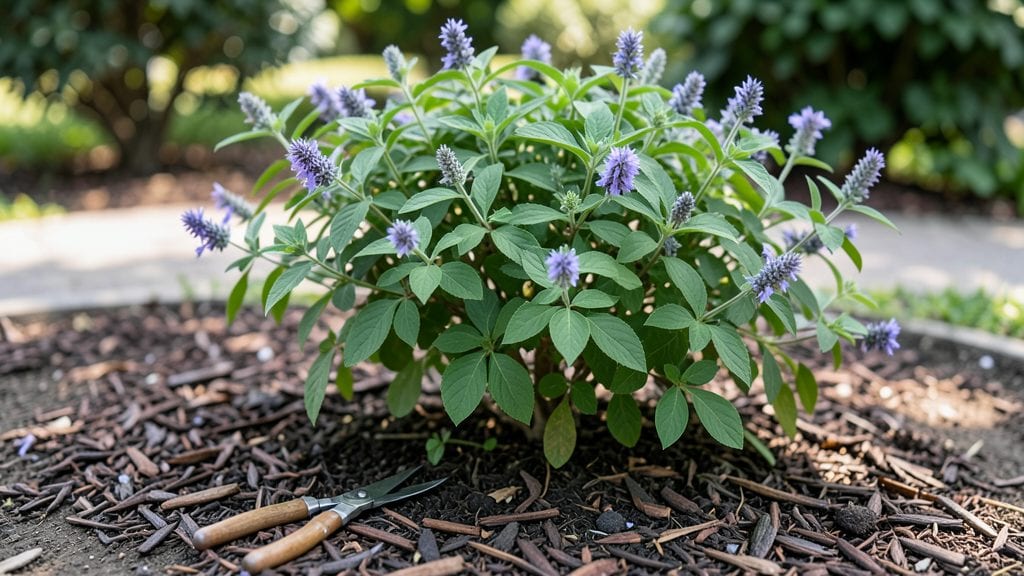
Late winter’s the perfect time to prune vitex—when the tree’s dormant but the sky hints at spring’s promise. ✨ I’ve watched my vitex go from a wild, leggy mess to a vibrant, bushy powerhouse just by following a few key cuts, and the difference in blooms is staggering.
The secret isn’t aggressive trimming; it’s strategic shaping that encourages dense growth and those signature purple flower spikes.
You’ll need sharp bypass pruners, a clean cutting surface, and about 30 minutes to assess the tree’s structure. Start by removing dead or crossing branches—these compete for energy and weaken the plant.
Then, cut back last year’s blooms to just above a leaf bud, and thin out overcrowded areas to improve airflow. My first attempt left the tree looking bare, but patience paid off with thicker foliage and twice as many flowers by summer.
What you’ll end up with is a vitex that blooms earlier, denser, and longer than before—think three-foot-tall spires of purple from June through fall. The tree’s natural shape returns, and you avoid the "haircut" look that makes it seem like it’s been sheared too hard.
This method works for both young trees and mature ones, though older vitex may need a more gradual reset over two seasons.
Fair warning: vitex grows fast, so annual pruning keeps it in check without sacrificing blooms. Skip the heavy cuts in summer—they stress the tree and reduce flowering.
Instead, focus on shaping in late winter, and you’ll have a long-lived, showstopping plant that’s the talk of the neighborhood. Ready to transform yours?
📚 In This Guide
- What you need
- Instructions
- Tips and common mistakes
- Wrapping up and next steps
What you need
- ● Pruning shears or loppers – Bypass pruners (for small branches, ¼"–¾" cuts) or loppers (for thicker branches, ¾"–2" cuts). Choose sharp, high-quality tools to avoid tearing bark.
- ● Pruning saw – A curved-tooth saw for branches thicker than 2" to prevent pinching.
- ● Gloves – Heavy-duty, cut-resistant gloves (e.g., leather or synthetic blend) to protect hands from thorns and rough bark.
- ● Ladder or step stool – Ensure it’s stable and tall enough to reach the tree’s highest branches safely.
- ● Disinfectant (rubbing alcohol or bleach solution) – 70% isopropyl alcohol or a 1:9 bleach-water mix to sterilize tools between cuts and prevent disease spread.
- ● Heavy-duty trash bags or bucket – For collecting pruned branches and debris.
- ○ Marking twine or spray paint – Optional but helpful for identifying branches to remove before cutting.
- ● Safety goggles – Protect your eyes from debris, especially when using a saw.
- ● Pole pruners – For high branches that are hard to reach with a ladder.
- ○ Tree wound dressing (optional) – Only use if the tree has large wounds; otherwise, let cuts heal naturally.
- ● Work gloves with grip – For extra comfort if you’re pruning for extended periods.
Step-by-Step instructions for pruning your vitex tree
Here’s how I prune my vitex to keep it healthy, blooming, and manageable year after year.
✂️ Step 1: Prune Immediately After Flowering
Vitex blooms on old wood, so timing is everything. Once the flowers fade in late summer or early fall, cut back one-third of the oldest stems to the ground. This encourages new growth while maintaining the tree’s structure. I use sharp, clean pruners to make cuts just above a leaf node or bud—never leave stubs.
Look for stems that are thinner or less vigorous than others. These are the ones that need removal. If you wait until winter, you risk cutting off next year’s blooms entirely. The goal here is to shape the tree while promoting fresh, flowering growth for spring.
✂️ Step 2: Thin Out Crowded Branches in Late Winter
In late winter or early spring, before new growth begins, focus on thinning. Remove any branches that cross, rub against each other, or grow inward. These create weak points and block airflow, increasing disease risk. I also cut back any dead, diseased, or weak stems all the way to the base.
Thinning opens up the center of the tree, allowing sunlight and air to reach all parts. Aim for an open, vase-like shape. If your vitex is leggy, you can also shorten some of the longest branches by one-third to encourage bushier growth. Just avoid heavy pruning—vitex responds better to gradual shaping.
☀️ Step 3: Lightly Shape in Early Spring
Once new growth appears in early spring, do a light shaping pass. Trim back any overly long or misplaced branches to maintain the tree’s natural form. I like to step back and visualize the tree from all sides—this helps me see where branches need adjustment.
Focus on removing suckers (shoots growing from the base) and water sprouts (fast-growing, weak stems). These drain energy from the main structure. A little shaping now prevents the need for drastic cuts later. If you’re unsure, err on the side of caution—vitex is forgiving, but over-pruning can stress the tree.
⏰ Step 4: Monitor and Maintain Throughout the Year
After the initial pruning, keep an eye on your vitex. Remove any dead or diseased branches as they appear, and trim back any new growth that looks weak or leggy. I also check for branches that are growing too close to power lines or structures—these need prompt attention.
Vitex is drought-tolerant once established, but proper pruning ensures it stays healthy. A well-maintained tree will reward you with vibrant blooms for decades. If you notice excessive leaf drop or poor flowering, it might be a sign of over-pruning or stress—adjust your approach next season.
Tips & tricks for perfect vitex tree pruning
Pruning vitex right can mean the difference between a lush, blooming tree and one that struggles to thrive. Here’s what I’ve learned after years of shaping my own—tricks that’ll keep your vitex healthy and vibrant for decades.
The Timing Secret: Late summer or early fall is non-negotiable for Step 1 because vitex blooms on old wood. If you prune too late, you risk cutting off next year’s flower buds entirely. Mark your calendar right after those purple blooms fade—don’t wait until winter! The goal is to remove one-third of the oldest stems while the tree still has energy to recover before dormancy.
Tool Technique: Sharp, clean pruners are your best friend—dull blades tear stems, creating wounds that invite disease. I sterilize mine with rubbing alcohol between cuts, especially when dealing with diseased branches in Step 2. For thicker branches, use loppers or a pruning saw, but always cut just above a leaf node or bud (never leave stubs). This ensures new growth emerges in the right place.
Visual Cues for Pruning: When thinning in late winter (Step 2), think of your tree’s shape like an open vase—sunlight should reach all parts. Look for branches that cross or rub against each other; these are the first to go. For leggy trees, shorten the longest branches by one-third, but avoid heavy cuts. The key is gradual shaping—vitex responds better to patience than drastic changes. Step back frequently to visualize the tree’s form from all angles.
Recovery Watch: After pruning, monitor your vitex closely. Excessive leaf drop or poor flowering in spring could signal over-pruning or stress. If you notice this, scale back next time—vitex is resilient, but it’s better to under-prune than overdo it. A well-maintained tree will reward you with vibrant blooms for decades, so trust the process and adjust as you go.
Pro Tips for Vitex Tree Pruning
- Pruning vitex right can mean the difference between a lush, blooming tree and one that struggles to thrive.
- The Timing Secret: Late summer or early fall is non-negotiable for Step 1 because vitex blooms on old wood.
- Tool Technique: Sharp, clean pruners are your best friend—dull blades tear stems, creating wounds that invite disease.
Frequently asked questions
Got questions about pruning your vitex tree? You’re not alone!
Here are answers to the most common queries—from timing tips to troubleshooting—so you can keep your vitex thriving with minimal stress.
When is the best time to prune a vitex tree?
The ideal time is late winter or early spring (before new growth spurs). This encourages vigorous blooms in summer and fall. Avoid heavy pruning in fall—it can stimulate tender new growth that won’t survive winter. Pro tip: Lightly shape the tree in late spring if needed, but avoid cutting back more than ⅓ of the foliage at once.
Can I prune vitex in summer to control its size?
Yes, but do it sparingly—summer pruning can reduce flowering. If you must trim, focus on dead or overcrowded branches and avoid heavy cuts. Water thoroughly after pruning to help the tree recover. For major size control, wait for late winter/early spring. Warning: Pruning too late in summer may stunt next year’s blooms!
How much can I trim back a vitex tree without harming it?
Vitex is tough and can handle up to ⅓ of its foliage removed in one session. For older trees, you can even renewal-prune by cutting back ⅓ of the oldest stems to the ground—just do this gradually over 2–3 years. Key rule: Never remove more than ⅓ in a single year, or you risk stressing the tree.
What should I do if my vitex tree looks sad after pruning?
If leaves yellow, wilt, or drop excessively, your tree might be over-pruned or stressed. Revive it by:
- Watering deeply (1–2 inches per week).
- Avoiding fertilizers for 4–6 weeks.
- Pruning only dead/diseased branches until it recovers.
Do I need to sterilize my pruners when trimming vitex?
Vitex can be susceptible to bacterial or fungal diseases (like canker or leaf spot). Sterilize your tools between cuts using:
- Rubbing alcohol (70% or higher).
- A 10% bleach solution (1 part bleach to 9 parts water).
- Disinfectant wipes.
Wrapping up and next steps
Pruning your vitex tree isn’t just about keeping it tidy—it’s the secret to longer, healthier blooms and a stronger plant for years to come! 🌿 By following seasonal best practices, removing dead growth, and shaping strategically, you’ll encourage vibrant foliage and abundant purple flowers.
Whether you’re a pruning pro or just starting, every trim brings your vitex one step closer to thriving.
Ready to take action? Grab your tools and schedule that first trim—your vitex will thank you with show-stopping blooms! For extra confidence, revisit our FAQs or snap a photo of your progress. Happy pruning!