
Pruning
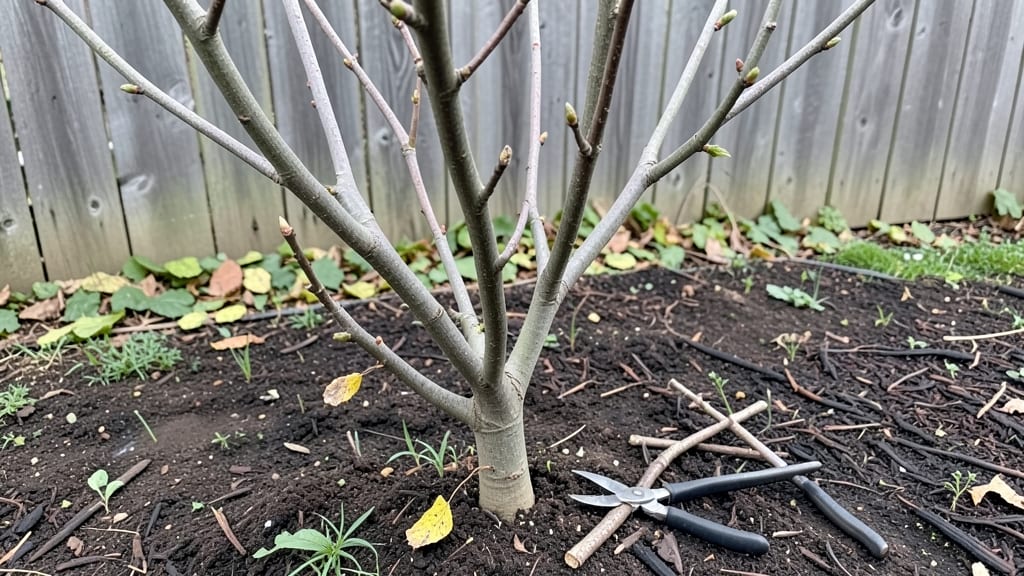
Trimming dogwood trees isn’t just about shaping them—it’s about keeping them alive and blooming for decades. I learned that the hard way when my first dogwood lost half its flowers after a winter prune.
The right cuts at the right time make all the difference between a healthy tree and one struggling to recover.
You’ll need sharp bypass pruners, a sturdy ladder, and a clear day to avoid spreading disease. Timing matters most: prune in late winter or early spring before buds swell, never during blooming season.
Dogwoods are sensitive, so every cut should remove no more than 25% of the canopy—any more stresses the tree and invites pests.
What you’ll end up with is a tree that bursts with vibrant spring blooms year after year, with fewer dead branches and better air circulation. The key is patience—dogwoods heal slowly, so clean cuts and proper tool sanitation prevent infections.
I’ve seen trees go from ragged to showstopping in just two seasons.
This works for all dogwood varieties, from the classic Cornus florida to smaller cultivars. Whether you’re fixing storm damage or just tidying up, the same principles apply. Let’s get those branches trimmed the right way.
📚 In This Guide
- What you need
- Instructions
- Tips and common mistakes
- Wrapping up and next steps
What you need
- ● Pruning shears: Bypass pruners (for cuts up to ½ inch thick) – 1 pair (look for sharp, stainless-steel blades).
- ● Loppers: Bypass or anvil type (for cuts up to 1.5 inches thick) – 1 pair (pivoting joints for leverage).
- ● Pruning saw: Curved or folding blade (for larger branches) – 1 saw (with a fine-tooth blade for clean cuts).
- ● Ladder: Aluminum or fiberglass (extendable for tall trees) – 1 ladder (ensure it’s rated for your height needs).
- ● Gloves: Heavy-duty, cut-resistant – 1 pair (to protect hands from thorns and sharp tools).
- ● Disinfectant: Rubbing alcohol (70%+) or bleach solution (1:9 ratio) – small bottle (to sterilize tools between cuts).
- ○ Tree wound sealant: Optional but recommended for larger cuts – small tube (helps prevent disease entry).
- ● Safety glasses: Protects eyes from debris.
- ● Work boots: Sturdy, non-slip soles for stability.
- ● Extension pole pruner: For high branches without a ladder.
- ● Tarp or drop cloth: To collect fallen branches and debris.
- ● Notepad & pen: For marking cuts or noting tree health observations.
Instructions for trimming dogwood trees
Here's how I keep my dogwoods thriving year-round with clean, healthy cuts.
Assess the Tree and Plan Your Cuts
Start by examining the tree for dead, diseased, or crossing branches—these take priority. I look for branches that rub against each other or grow inward, as these will eventually cause wounds. Use a small flagging tape to mark branches you plan to remove, so you don’t accidentally cut the wrong ones. Dogwoods have a natural shape, so aim to maintain that while removing only what’s necessary.
Check the tree’s overall structure. If the center is too dense, thin out some branches to improve airflow and sunlight penetration. This prevents fungal diseases and keeps the tree healthy. I always work from the bottom up, removing lower branches first so I can see the bigger picture as I go.
Use the Right Tools for Clean Cuts
Sharp, clean tools make all the difference. I use a pruning saw for thick branches over ½ inch in diameter and bypass pruners for smaller ones. Never use dull tools—they tear the bark and leave jagged edges that invite disease. Before you start, sterilize your tools with rubbing alcohol to prevent spreading any pathogens from one cut to another.
Make your cuts at a 45-degree angle, about ¼ inch above a bud or branch collar. This encourages faster healing and reduces the risk of water pooling on the wound. Avoid leaving stubs—these can rot and weaken the tree over time. For larger branches, make a second cut just outside the branch collar to avoid tearing the bark.
Remove Dead, Diseased, or Weak Branches First
Dead branches are easy to spot—they’re brittle, snap when bent, and often have no leaves. Cut these out completely at the base. If you see signs of disease, like blackened leaves, oozing sap, or fungal growth, remove the affected branches immediately and dispose of them in the trash—not the compost. Dogwoods are prone to anthracnose, a fungal disease, so early removal is key.
Weak or crossing branches should also go. These compete for nutrients and can create entry points for pests. When trimming, step back occasionally to check the tree’s balance. You want an open center with branches spaced evenly. Dogwoods naturally have a layered look, so avoid over-thinning—they rely on their structure for beauty.
Shape the Tree for Balance and Airflow
Now it’s time to refine the tree’s shape. Dogwoods respond well to light shaping, so focus on removing no more than 25% of the foliage in one season. Start with the outer branches, trimming just enough to maintain a natural, rounded form. Avoid heavy pruning in late summer or fall, as this can stimulate new growth that won’t harden off before winter.
Pay special attention to the tree’s scaffold branches—the main structural limbs. These should be spaced evenly along the trunk and angled outward. If a branch is growing straight up, it’s a candidate for removal to prevent future breakage. After each cut, step back and visualize the tree’s silhouette. A well-shaped dogwood should look full but not crowded.
Clean Up and Monitor for Recovery
Once all cuts are made, remove all debris from the ground beneath the tree. Leaving clippings can harbor pests and diseases. I also apply a layer of mulch around the base (but not touching the trunk) to retain moisture and suppress weeds. This helps the tree recover faster after pruning.
Keep an eye on the tree in the weeks following pruning. New growth should appear within 2-3 weeks, and the wounds should start sealing over within a season. If you notice any unusual wilting, discoloration, or signs of stress, it might be a sign of over-pruning or disease. Dogwoods are resilient, but they need time to heal—so resist the urge to trim again too soon.
Tips & tricks for perfect dogwood tree trimming
Here's how to make your dogwood trimming session even more effective and stress-free.
Timing is Everything: The best time to trim dogwoods is in late winter or early spring, just before new growth begins. This timing gives the tree plenty of time to recover before winter sets in again. Avoid trimming in late summer or fall, as new growth won't have time to harden off before cold weather arrives. If you must trim in summer, do it in early summer when the tree has had time to establish new growth.
Tool Maintenance Matters: Regularly sharpen and clean your pruning tools to ensure clean cuts every time. A dull saw or pruners can tear the bark and create jagged edges that invite disease. I keep a small file in my toolkit to sharpen blades between uses. Also, remember to sterilize your tools with rubbing alcohol between trees to prevent spreading any pathogens that might be present.
Visualize the Silhouette: Before making any cuts, step back and visualize the tree's silhouette. Dogwoods have a naturally elegant shape, so aim to maintain that while removing only what's necessary. Look for branches that disrupt the natural flow or create an unbalanced appearance. Removing just a few strategic branches can make a big difference in the tree's overall appearance and health.
Recovery Watch: After trimming, keep an eye on your dogwood for signs of stress. New growth should appear within 2-3 weeks, and wounds should start sealing over within a season. If you notice unusual wilting, discoloration, or other signs of distress, it might indicate over-pruning or disease. Dogwoods are resilient, but they need time to heal, so avoid the temptation to trim again too soon.
Pro Tips for Trimming Dogwood Trees
- Here's how to make your dogwood trimming session even more effective and stress-free.
- Timing is Everything: The best time to trim dogwoods is in late winter or early spring, just before new growth begins.
- Tool Maintenance Matters: Regularly sharpen and clean your pruning tools to ensure clean cuts every time.
Frequently asked questions
Got questions about trimming dogwood trees? You’re not alone! Here are some of the most common concerns—plus clear, actionable answers to keep your tree thriving.
When is the best time to trim a dogwood tree?
The ideal time is late winter or early spring (just before buds break), but you can also trim lightly after flowering to shape the tree. Avoid heavy pruning in fall—it can stress the tree and leave it vulnerable to disease. For newly planted dogwoods, wait 12 months before pruning to let roots establish.
How much can I trim off a dogwood tree without harming it?
Dogwoods are sensitive—never remove more than 25% of the canopy in one season. Over-pruning can lead to weak growth, disease, or even death. For shaping, focus on thinning out dense branches rather than shearing. If your tree looks leggy, prioritize cutting back older, thicker branches first to encourage new growth.
What should I do if my dogwood tree starts bleeding sap after truning?
Sap bleeding (or "weeping") is normal in dogwoods—it’s their way of sealing wounds. While it looks dramatic, it won’t harm the tree. To minimize it, prune on a cool, dry day (not in hot weather) and use clean, sharp tools. Seal larger cuts (>½ inch) with pruning sealant if you’re concerned, but smaller cuts will heal on their own.
Will trimming my dogwood tree reduce its flowers next year?
Not if done correctly! Dogwoods flower on last year’s growth, so avoid heavy pruning in late summer or fall. If you must prune after flowering, remove no more than 10-15% of the canopy and focus on dead or crossing branches. For maximum blooms, stick to light shaping in late winter and deadheading spent flowers in early summer.
Can I replace a heavily pruned dogwood tree with a smaller variety?
If your dogwood is struggling after aggressive pruning, consider swapping it for a dwarf or compact variety like ‘Cherokee Brave’ or ‘White Winter Halo’. These stay 6–10 feet tall, require less maintenance, and still deliver stunning blooms. Just ensure your new tree gets full sun to partial shade and well-draining soil for the best results.
How do I prevent disease after trimming my dogwood?
Dogwoods are prone to anthracnose and powdery mildew, so follow these steps:
- Sterilize tools with rubbing alcohol between cuts.
- Avoid wetting foliage when watering (use drip irrigation).
- Remove fallen leaves in autumn to reduce spores.
- Space trees properly (10–15 feet apart) for airflow.
Wrapping up and next steps
Trimming your dogwood trees isn’t just about keeping them looking sharp—it’s a year-round commitment to their health and beauty. 🌿 By following seasonal guidelines, using the right tools, and avoiding common mistakes, you’ll help your trees thrive for decades.
Now that you’re armed with the know-how, there’s no better time to grab those pruners and get started—your dogwoods will thank you with vibrant blooms and lush foliage!
Ready to take the next step? Mark your calendar for your first trim session, and don’t hesitate to consult local gardening experts or arborists if you’re unsure. Happy pruning!