
Pruning
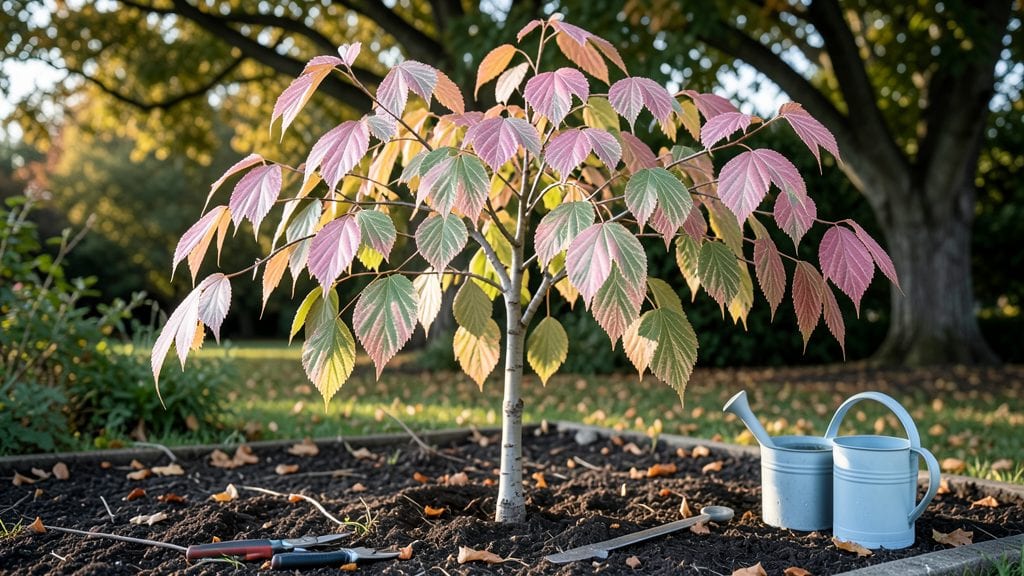
The tri-color willow tree's fiery foliage transforms any yard into a living masterpiece—if you prune it right. 🌿 I’ve watched mine go from scraggly to showstopping in just three seasons, and the secret isn’t complicated: timing, technique, and a little patience.
This isn’t about hacking branches blindly; it’s about shaping the tree to keep those crimson, gold, and cream leaves popping year-round.
Most people overlook the early spring pruning window, but that’s when you set the stage for vibrant growth. Grab your shears, a bucket of water, and a clear day—this isn’t a project for windy mornings.
The goal? Open the canopy to sunlight so the leaves stay bold, not muted. I’ve seen gardeners skip this step and end up with weak, leggy branches that fade by summer.
By summer’s end, you’ll have a tree that looks like it belongs in a botanical garden, not your backyard. The foliage stays rich and layered, the branches hold their shape, and you’ll spend more time admiring it than fussing over it.
The best part? Even if you miss a season, the tree forgives—it’s one of the hardiest choices for low-maintenance drama.
Works in zones 4-8, thrives in moist but well-drained soil, and handles partial shade—though full sun brings out the deepest colors. Let’s get those branches looking intentional.
📚 In This Guide
- What you need
- Instructions
- Tips and common mistakes
- Wrapping up and next steps
What you need
- ○ Pruning shears – Bypass pruners (for clean cuts on small branches, ¼"–½" thick). Optional: Loppers for thicker branches (up to 2" diameter).
- ● Pruning saw – For branches thicker than 2" (folding saw with a sharp, fine-toothed blade).
- ● Gloves – Heavy-duty gardening gloves (protect against thorns and sap).
- ● Disinfectant – Rubbing alcohol (70%+) or a pruning sealant (to prevent disease spread).
- ● Trash bags or bucket – For collecting pruned branches and debris.
- ● Ladder or step stool – If your tree is over 6 feet tall (prioritize safety!).
- ○ Notebook & pen – To sketch a quick map of branches to prune (optional but helpful!).
- ● Hand pruners with ratchet – For effortless cutting of medium branches.
- ● Pole pruner – If your tree is tall and you prefer not to climb.
- ● Tree wound dressing – Only use sparingly (modern research suggests minimal need).
- ● Garden hose or spray bottle – To clean tools between cuts and avoid cross-contamination.
- ● Safety glasses – Protects eyes from debris (especially when using a saw).
Instructions for pruning your tri-color willow tree
Here’s how I keep my tri-color willow’s stunning foliage vibrant all year—no fancy tools required.
✂️ Step 1: Prune in Late Winter for Fresh New Growth
Wait until just after your last frost date, when the tree is still dormant but new buds have started swelling. This is the best time because you’re shaping the tree before spring growth begins. I start by removing any dead, diseased, or crossing branches first—they’ll steal energy from the vibrant new foliage.
Use sharp pruning shears to make clean cuts at a 45-degree angle about ¼ inch above an outward-facing bud. This encourages growth outward rather than inward, keeping the tree’s signature weeping shape. Avoid cutting into old wood—you’ll know it’s too late if the cut area is hollow or lacks buds.
☀️ Step 2: Thin Out Crowded Branches for Airflow
Tri-color willows grow fast, and overcrowded branches can lead to weak, less colorful foliage. Step back and look for areas where branches are growing too close together. Remove about one-third of the oldest, thickest branches to improve airflow and sunlight penetration—this is what makes those gold, green, and purple leaves pop.
Focus on branches that are growing straight up or rubbing against others. These compete for nutrients and can damage the tree. I like to leave the younger, more flexible branches—they’re easier to shape and produce brighter colors. Never remove more than 25% of the tree’s canopy in one pruning session.
🌿 Step 3: Shape for Balance and Vibrancy
Now’s the time to refine the tree’s natural weeping form. Look for branches that are growing too upright or unevenly. Gently bend and tie down any that droop too low to the ground—this prevents them from breaking in wind or snow. For upward-growing branches, make a small cut just above a bud to encourage a more graceful arc.
Pay special attention to the tree’s center. If it’s too dense, the inner leaves won’t get enough light and will lose their tri-color vibrancy. Thin out the center by removing small branches at their base rather than cutting back larger ones. This keeps the tree’s signature cascading shape while ensuring every leaf gets sunlight.
⏰ Step 4: Light Maintenance Pruning Throughout the Year
After the initial pruning, your tri-color willow will need minimal upkeep to keep those colors bright. In early summer, remove any suckers or water sprouts that pop up at the base or along branches. These steal energy from the main tree and can dull the foliage’s vibrancy.
In fall, do a quick cleanup by removing any dead or yellowing leaves and branches. This prevents pests and diseases from hiding over winter. Avoid heavy pruning in fall—it stimulates new growth that won’t harden off before cold weather. Just a light tidy-up keeps the tree healthy and ready for next year’s stunning colors.
Tips & tricks for pruning your tri-color willow tree
Here's what I've learned after years of keeping my tri-color willow's foliage vibrant and healthy.
Timing is Everything: The late winter timing in Step 1 is crucial because it lets you shape the tree before spring growth begins. I've found that waiting until just after your last frost date—when new buds start swelling—gives you the perfect window. If you prune too early, you risk cutting into old wood that won't produce new growth. If you wait too late, you'll be cutting into new growth that's already started, which can weaken the tree.
Tool Tip: While sharp pruning shears are essential, I've discovered that having a small pair of hand pruners for those hard-to-reach branches makes all the difference. For larger branches, I use loppers with a bypass blade—they make cleaner cuts that heal faster. Always clean your tools with rubbing alcohol between cuts to prevent spreading disease.
Visual Cues for Pruning: When thinning crowded branches in Step 2, look for branches that are growing straight up or rubbing against others. These are the ones to remove first. I've learned to look for the "V" shape where branches meet—this is where they'll eventually rub and damage each other. Also, pay attention to the color of the inner bark: if it's green, that branch is still alive and worth keeping.
Seasonal Maintenance Strategy: The light maintenance in Step 4 is just as important as the initial pruning. I've created a simple seasonal checklist: early summer for suckers, late summer for any remaining water sprouts, and fall for cleanup. This keeps my tree healthy without overwhelming me with work. Remember that fall pruning should be minimal—just enough to keep the tree tidy for winter.
Pro Tips for Tri Color Willow Tree
- Here's what I've learned after years of keeping my tri-color willow's foliage vibrant and healthy.
- Timing is Everything: The late winter timing in Step 1 is crucial because it lets you shape the tree before spring growth begins.
- Tool Tip: While sharp pruning shears are essential, I've discovered that having a small pair of hand pruners for those hard-to-reach branches makes all the difference.
Frequently asked questions
Got questions about keeping your tri-color willow tree looking its best? You’re not alone! Here are some of the most common questions—and straightforward answers—to help you prune like a pro.
When is the best time to prune a tri-color willow tree for vibrant foliage?
The ideal time to prune is late winter or early spring (just before new growth begins). This ensures you don’t remove buds that could affect its stunning purple, pink, and green foliage. Avoid heavy pruning in fall, as it may stimulate tender growth that won’t survive winter. Light shaping in summer is fine, but keep it minimal to preserve color intensity.
How much can I trim without harming the tree?
For a healthy tri-color willow, never remove more than 25-30% of the canopy in one season. These trees are sensitive to over-pruning, which can stress them and reduce their signature tri-colored leaves. Focus on selective trimming—cutting back only dead, crossing, or overcrowded branches. If your tree is young, you can be slightly bolder, but always prioritize structure over aggressive cuts.
Why aren’t my tri-color willow leaves showing all three colors?
If your tree’s foliage is losing its vibrant purple and pink hues, it’s often due to too much shade, poor nutrition, or over-pruning. Ensure it gets at least 6 hours of sunlight daily and fertilize in early spring with a balanced, slow-release fertilizer. Avoid heavy nitrogen—it can dull the colors. Also, check for pests like spider mites, which can stress the tree.
Can I prune a tri-color willow tree in wet or rainy weather?
Avoid pruning during rain or high humidity—wet conditions can spread disease and make cuts heal poorly. Wait for a dry, overcast day if possible, or prune in the early morning when tools are less likely to slip. If you must prune after rain, let the tree dry out for 24-48 hours first. Always sterilize your tools with rubbing alcohol to prevent fungal infections.
Are there alternatives to tri-color willow trees for colorful foliage?
If you love the dramatic color palette but want a more low-maintenance option, consider these pruning-friendly alternatives:
- Japanese Maple (‘Bloodgood’) – Deep red foliage with minimal pruning needs.
- Smoke Tree (Cotinus) – Smoke-like purple foliage and drought-tolerant.
- Ninebark (Physocarpus) – Pink, purple, or gold leaves; handles pruning well.
- Weeping Cherry (Prunus) – Stunning spring blooms and graceful shape.
Wrapping up and next steps
Your tri-color willow tree is a stunning addition to any landscape, and with the right pruning techniques, it can thrive year-round! 🌿 By following our guide—whether you're shaping it for structure, encouraging vibrant foliage, or maintaining health—you’ll keep its show-stopping colors (purple, green, and yellow) at their best.
Now that you’re armed with the when, how, and why of pruning, it’s time to roll up your sleeves and give your tree the care it deserves.
Ready to take the next step? Schedule a pruning session this weekend and watch your tri-color willow tree flourish! For extra inspiration, join gardening communities to share your progress or seek advice from fellow enthusiasts. Happy pruning! ✂️🌟