
Pruning
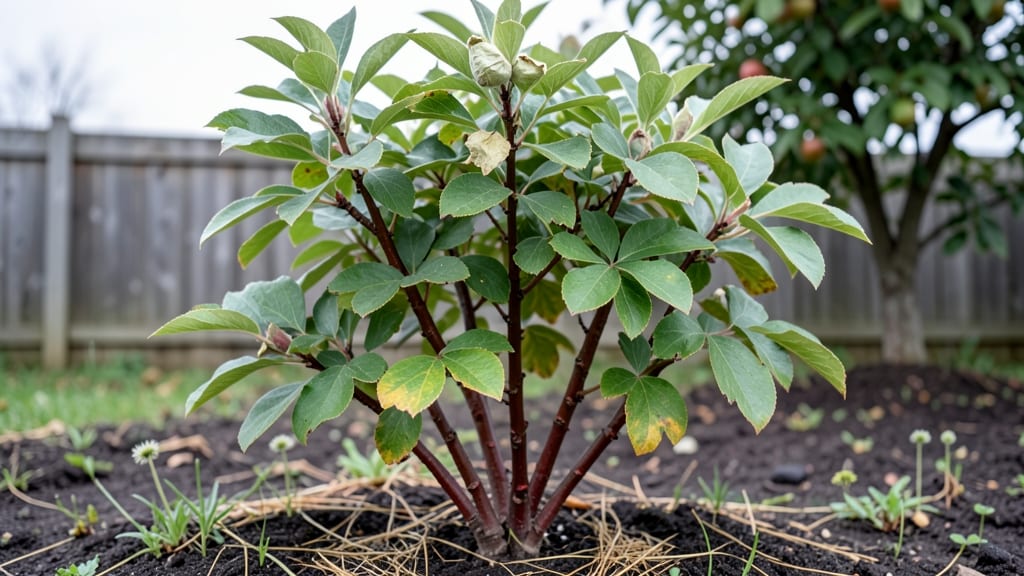
Tree peony shoots are your ticket to year-round blooms that outshine any spring display. 🌸 I’ve pruned these woody beauties for years, and the secret to their dramatic flowers lies in knowing exactly when and how to shape them—without sacrificing next year’s show.
Most gardeners over-prune or wait too long, but timing is everything for these slow growers.
The right approach starts with sharp tools and a clear plan: remove dead wood in late winter, thin crowded stems in early spring, and never cut back more than a third of the plant at once.
You’ll need gloves (those thorns are vicious), pruning shears, and a spray bottle for cleaning cuts—simple supplies that make all the difference. Within weeks, you’ll see fresh green shoots pushing through, signaling your plant’s gratitude for the careful trim.
What you’ll end up with is a tree peony that blooms earlier, lasts longer, and produces bigger flowers than unpruned plants. The foliage stays lush, the stems stay strong, and you’ll avoid the leggy, sparse growth that’s so common when people prune too aggressively.
Think of it as sculpting a living masterpiece—one that rewards patience with months of vibrant color instead of just a fleeting spring show.
This method works for both young plants and mature specimens, in full sun or partial shade, though southern exposures bring the most dramatic blooms. The key is consistency: a little attention each season keeps your tree peony thriving for decades. Ready to transform those bare branches into a floral spectacle?
📚 In This Guide
- What you need
- Instructions
- Tips and common mistakes
- Wrapping up and next steps
What you need
- ● Pruning shears: Bypass pruners (sharp, clean, and sterilized with rubbing alcohol or bleach to prevent disease). Size: 6–8 inches for precision.
- ● Loppers: For thicker stems (1–2 inches in diameter). Recommended: Bypass loppers with a 10–12-inch blade.
- ● Gloves: Heavy-duty, cut-resistant gloves (tree peony thorns are no joke!).
- ● Disinfectant: 1 part bleach to 9 parts water (for sterilizing tools between cuts).
- ○ Pruning sealant: Optional but helpful for large cuts (e.g., Tanglefoot Tree Wound Pruning Seal).
- ● Garden twine or tape: For labeling cuts if pruning in stages (e.g., ¼-inch wide twine).
- ● Trash bag or compost bin: For removing pruned shoots (tree peonies hate being composted if diseased).
- ● Hand saw: For stubborn, woody stems (8–10-inch pruning saw with a fine-tooth blade).
- ● Knee pads: Because pruning is not a back-breaking sport (unless you want it to be!).
- ● Notebook & pen: To sketch your tree’s structure before/after pruning (trust me, it’s a game-changer!).
- ● Fertilizer: Balanced 10-10-10 or slow-release granular fertilizer (apply post-pruning for a growth boost).
How to prune tree peony shoots for healthier plants
Pruning tree peonies might seem intimidating, but these steps will keep your plants thriving and blooming beautifully.
✂️ Step 1: Prune Dead or Weak Growth in Early Spring
Start by removing any dead, damaged, or weak stems with clean, sharp pruners. I always do this in early spring, just as new shoots begin to emerge. Look for brown, mushy stems or those that snap easily—these won’t recover and will only drain energy from your plant.
Cut back to a healthy bud or node, leaving about ½ inch above it. This ensures new growth starts from a strong point. Avoid cutting into the center of the plant, as this can create a crowded, weak center that struggles to support blooms.
✂️ Step 2: Thin Out Overcrowded Shoots After Blooming
Once your tree peonies finish blooming, typically in late spring or early summer, it’s time to thin out excess shoots. I focus on removing the thinnest, weakest stems first—these are the ones that won’t produce strong blooms or support themselves well.
Leave about 3-5 of the strongest, most vigorous shoots per plant, cutting the rest back to the base. This might seem drastic, but it encourages the remaining shoots to grow thicker and produce bigger, healthier blooms next season.
✂️ Step 3: Lightly Shape the Plant in Late Summer
In late summer, give your tree peony a light shaping to promote airflow and prevent disease. I avoid heavy pruning now, but I do trim any crossing or rubbing branches that could cause damage. These are the stems that grow too close together and create weak spots.
Use your pruners to make clean cuts just above a leaf node or bud, angling slightly away from the bud to prevent water from pooling. This small step keeps your plant looking neat and reduces the risk of fungal issues as winter approaches.
⏰ Step 4: Prepare for Winter with Minimal Pruning
In fall, before the first hard frost, I do a final light pruning to remove any remaining dead or diseased stems. This is more about cleanup than shaping. Avoid heavy pruning now, as it can stimulate new growth that won’t harden off before winter.
Once you’ve finished, give the base of the plant a light mulch to protect the roots from freezing temperatures. This is the time to step back and admire your work—your tree peony is now set up for a strong, blooming season next year.
Tips & tricks for pruning tree peony shoots
A few key tricks will help you prune like a pro and keep your tree peonies thriving for years to come.
Tool Tip: Always use clean, sharp pruners—dull blades can crush stems instead of making clean cuts. I sterilize my pruners with rubbing alcohol between plants to prevent spreading disease. For larger branches, I use loppers with a bypass blade, which gives me more control and cleaner cuts. Disposing of pruned material promptly also helps prevent fungal spores from lingering in the garden.
Visual Cue: In Step 1, when cutting back to a healthy bud, look for buds that face outward on the stem. These buds will grow into stronger shoots that won't crowd the center of the plant. I make a point to leave about ½ inch above the bud—this small detail makes a big difference in how well the new growth develops.
Seasonal Timing: The timing in Step 2 is crucial—wait until after blooming but before the plant puts too much energy into seed production. I usually prune around early July when blooms have faded but before the heat of summer sets in. This gives the plant time to recover and store energy for next year's flowers. If you prune too late in summer, you might stimulate new growth that won't have time to harden off before winter.
Winter Prep: For Step 4, don't skip the mulching step! I use about 2-3 inches of organic mulch like shredded leaves or straw. This protects the roots while allowing water to penetrate. The mulch also helps regulate soil temperature, which is especially important in areas with freeze-thaw cycles. Just be sure to pull mulch back slightly from the base of the stems to prevent rot.
Pro Tips for Tree Peony Shoots
- A few key tricks will help you prune like a pro and keep your tree peonies thriving for years to come.
- Tool Tip: Always use clean, sharp pruners—dull blades can crush stems instead of making clean cuts.
- Visual Cue: In Step 1, when cutting back to a healthy bud, look for buds that face outward on the stem.
Frequently asked questions
Got questions about nurturing your tree peony shoots? You're not alone—gardeners often wonder about timing, techniques, and troubleshooting. Here are some common queries to help you grow lush, vibrant blooms year after year!
When is the best time to prune tree peony shoots?
Prune tree peony shoots in late winter or early spring (just before new growth begins). Avoid pruning in fall or during dormancy—this can stress the plant. For dead or damaged branches, remove them anytime, but wait until spring for shaping. Pro tip: If you prune too early, you might accidentally cut off next year’s blooms!
How much should I cut back my tree peony?
Cut back tree peony shoots by one-third to one-half of their height to encourage bushier growth and more flowers. Avoid over-pruning—never remove more than 50%, or you risk weakening the plant. Focus on thinning out dense branches and removing dead wood first. Pro tip: Use clean, sharp pruners to make precise cuts just above a bud or branch collar.
What if my tree peony shoots aren’t growing after pruning?
If your tree peony shoots aren’t growing post-pruning, check for root rot, pests, or nutrient deficiencies. Ensure the plant gets full sun (6+ hours/day) and well-draining soil. Water deeply but avoid soggy conditions. If growth is still slow, fertilize lightly in early spring with a balanced, slow-release fertilizer. Pro tip: Yellowing leaves? Test your soil pH—tree peonies prefer slightly acidic to neutral (6.0–7.0).
Can I propagate tree peony shoots from cuttings?
Yes! Tree peony shoots can be propagated via hardwood cuttings in late fall or early winter. Take 6–12-inch cuttings from healthy, mature branches, dip them in rooting hormone, and plant them in a mix of sand and peat. Keep them moist and in partial shade until roots form (6–12 months). Pro tip: Patience is key—success rates improve with thicker, woody cuttings!
Will pruning my tree peony affect next year’s flowers?
Pruning correctly won’t harm next year’s blooms—in fact, it often enhances them! Tree peonies bloom on new wood, so pruning in late winter/early spring removes old growth while stimulating fresh, flower-bearing shoots. Just avoid cutting back too aggressively or into old, woody stems where buds may hide. Pro tip: Mark branches with floral buds (if visible) to guide your cuts!
Wrapping up and next steps
Growing tree peony shoots with vibrant blooms and robust health is totally within your reach—just follow these pruning tips! Remember, timing, technique, and patience are your best friends. Whether you’re trimming for shape, encouraging new growth, or managing pests, each step brings you closer to a stunning, thriving plant. 🌸
Ready to take your tree peony to the next level? Start small: pick one task—like removing dead branches or shaping your plant—and build from there. Before you know it, you’ll be a pruning pro with a garden full of showstopping blooms year after year!