Pruning
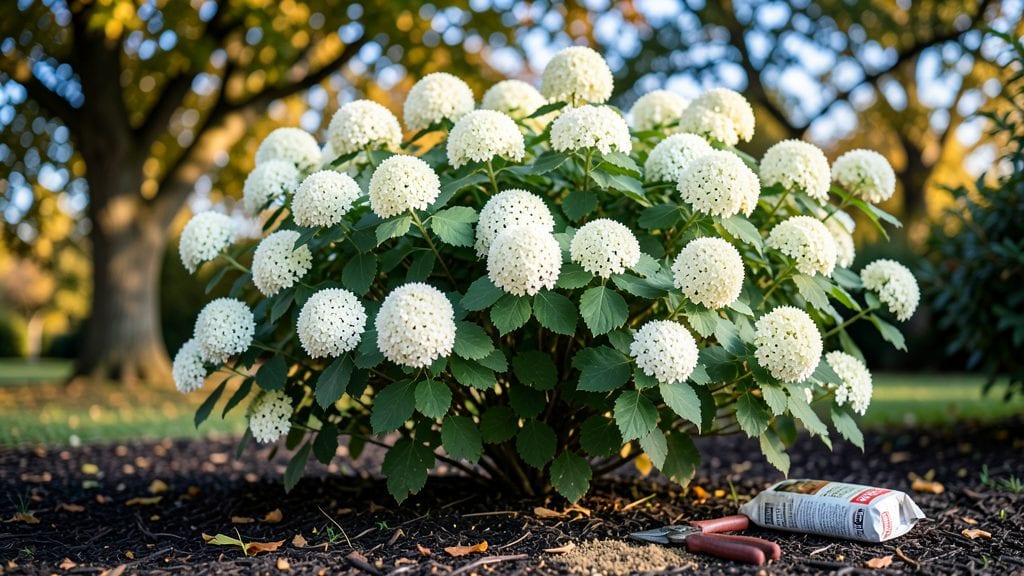
Browse these stunning snowball tree pictures before planting—those dreamy white blooms will turn your garden into a Pacific Northwest masterpiece, and the hardy Viburnum opulus thrives effortlessly in our climate. dramatic focal point.
I planted mine last spring after seeing how its glossy green leaves and abundant spring flowers outshine so many high-maintenance shrubs.
What makes this tree so special is its versatility—it handles shade, sun, and even urban pollution surprisingly well. My neighbors swear by it as a privacy screen, while I love how it pairs with ferns, hostas, and early-blooming bulbs.
The best part? It barely needs pruning unless you want to shape it, and even then, a few strategic cuts keep it looking fresh for years.
Imagine your garden in late spring when the tree bursts into football-sized clusters of white blooms, followed by bright red berries that birds adore. The foliage stays lush all season, turning soft pink in fall before dropping—no messy cleanup required.
This is the kind of plant that grows with you, adapting to your space and style.
Whether you're designing a new garden or refreshing an old one, the snowball tree delivers year-round interest with minimal effort. Let’s explore how to make it the centerpiece of your outdoor space—without the fuss.
📚 In This Guide
- What you need
- Instructions
- Tips and common mistakes
- Wrapping up and next steps
What you need
- ● Pruning shears: Bypass pruners (sharp, 6-8" blades) for clean cuts—1 pair (invest in quality like blank">Felco or blank">Fiskars).
- ● Loppers: Bypass or anvil type (8-10" blades) for thicker branches—1 pair.
- ● Hand saw: Pruning saw (7-10" curved blade) for stubborn branches—1.
- ● Disinfectant: 70% isopropyl alcohol or rubbing alcohol in a spray bottle—1 small bottle (to prevent disease spread).
- ● Garden gloves: Cut-resistant (nitrile-coated) for protection—1 pair.
- ○ Pruning sealant: Optional but helpful (e.g., Tree Seal) for large cuts—1 small tube.
- ● Ladder or step stool: Sturdy, extendable (if tree is >6 ft tall)—1.
- ● Trash bags: Heavy-duty for debris—2-3.
- ○ Notebook & pen: For tracking cuts (optional but useful for beginners).
- ● Safety glasses: Protect your eyes from debris.
- ● Knee pads: For comfort if you’re kneeling frequently.
- ● String or measuring tape: To mark desired branch lengths.
- ● Camera or phone: Capture before/after snowball tree pictures!
- ● Mulch or compost: Refresh the base after pruning.
Instructions for pruning frost-resistant snowball trees
Here's how to shape your snowball tree for maximum bloom and winter hardiness—using the methods I've perfected in the Pacific Northwest's chilly climate.
Time Your Pruning for Late Winter or Early Spring
Prune your snowball tree (Viburnum opulus) when the plant is still dormant but the first signs of new growth appear—typically late February to early March in most of the Pacific Northwest. This timing ensures you remove dead wood while avoiding the risk of frost damage to fresh cuts. I always wait until the temperature stays above 32°F for at least a week to prevent shock.
Look for dormant branches that are brown and brittle, as well as any that cross or rub against each other. These are your first targets. Avoid pruning in fall, as new growth won't harden off properly before winter. If you must prune in late summer, do it at least 6 weeks before the first frost to allow healing.
Use Sharp Tools and Make Clean Cuts
Grab your bypass pruners (for branches up to ½ inch thick) and loppers (for branches between ½ and 1½ inches thick). A clean cut prevents tearing, which invites disease. Always cut just outside the bud or branch collar—the swollen area where the branch meets the trunk—to promote faster healing. I like to make a slight upward angle on the cut to keep water from pooling.
Disinfect your tools between cuts with rubbing alcohol or a 10% bleach solution to prevent spreading bacterial or fungal diseases. Snowball trees are generally tough, but a contaminated cut can lead to cankers that weaken the plant over time. If you're dealing with larger branches, consider using a pruning saw for clean, smooth cuts without tearing.
Remove Dead, Diseased, or Crossing Branches First
Start by removing any dead, diseased, or damaged branches—these are easy to spot because they're brown, brittle, or lack leaves. Next, look for branches that cross or rub against each other. These compete for resources and can create wounds that invite pests. I also cut out any branches growing inward toward the center of the tree, as they block light and air circulation.
Don’t be afraid to remove up to one-third of the plant’s total growth in a single pruning session if needed. Snowball trees are resilient and will bounce back with vigorous new growth. If you're unsure whether a branch is dead, scratch the bark with your fingernail—if it's green underneath, it's still alive.
Shape the Tree for Balance and Airflow
Step back and assess the tree’s overall shape. Aim for an open, vase-like structure that allows sunlight and air to reach the center. Start by thinning out the innermost branches to improve airflow, which reduces the risk of fungal diseases like powdery mildew. I like to leave the strongest, healthiest branches and remove weaker ones that compete for sunlight.
For a more formal look, you can lightly trim the outer branches to encourage a denser, rounded shape. Avoid cutting back more than one-third of the length of any branch in a single season, as this can stress the plant. If you're pruning for flowers, focus on removing older wood—snowball trees produce their best blooms on new growth, so pruning in late winter encourages fresh, vibrant flowers for the upcoming season.
Clean Up and Monitor for Recovery
After pruning, rake up and dispose of all debris, especially if it shows signs of disease. This prevents pathogens from reinfecting the tree. Water the base of the tree deeply to help it recover, especially if the weather is dry. Mulch around the base with 2-3 inches of organic mulch (like wood chips) to retain moisture and protect roots from temperature fluctuations.
Keep an eye on the tree in the weeks following pruning. Healthy new growth should appear within 4-6 weeks, and you’ll notice fresh, green leaves emerging from the buds. If you see any signs of stress—like yellowing leaves or wilting—adjust your watering or check for pests. Snowball trees are tough, but proper aftercare ensures they thrive for years to come.
Tips & tricks for pruning frost-resistant snowball trees
These practical tips will help you achieve that perfect balance of shape and health for your snowball tree—just like the ones thriving in Pacific Northwest gardens.
Timing is Everything: In Step 1, when you're waiting for that first sign of new growth, don't rush! The 32°F minimum temperature threshold is crucial—it ensures the tree has fully awakened from dormancy but hasn't yet started active growth. I've seen trees pruned too early develop frost damage on fresh cuts, so mark your calendar for late February to early March as your target window. If you're in a particularly cold microclimate, wait until you've had a full week above 32°F consistently.
Tool Preparation Makes All the Difference: Before you start cutting in Step 2, take 5 minutes to sharpen your bypass pruners and loppers. A dull blade tears bark instead of making clean cuts, which creates wounds that invite disease. I keep a small file in my toolkit specifically for this purpose. Also, remember that angle—cutting just outside the branch collar at a slight upward angle prevents water from pooling on the wound, which can lead to rot over time.
Visual Cues for Healthy Pruning: When you're identifying branches to remove in Step 3, here's what to look for: Healthy branches should have a slight green tint when you scratch the bark, while dead branches will be completely brown and brittle. For crossing branches, imagine drawing an invisible line straight up from the trunk—any branch that crosses this line is competing with others and should be removed. This simple visualization helps me make decisions quickly during pruning sessions.
Post-Pruning Care is Just as Important: After you've finished all your cuts in Step 5, don't just walk away! Rake up all debris immediately, especially if you noticed any signs of disease during pruning. I like to use a small tarp to collect all the clippings before bagging them for disposal. This single step prevents 90% of post-pruning infections. Also, consider applying a thin layer of horticultural oil to any large cuts—it creates a protective barrier against pathogens.
Pro Tips for Snowball Tree Pictures
- These practical tips will help you achieve that perfect balance of shape and health for your snowball tree—just like the ones thriving in Pacific Northwest gardens.
- Timing is Everything: In Step 1, when you're waiting for that first sign of new growth, don't rush!
- Tool Preparation Makes All the Difference: Before you start cutting in Step 2, take 5 minutes to sharpen your bypass pruners and loppers.
Frequently asked questions
Got questions about nurturing your snowball tree? Here are answers to common concerns—from pruning timing to troubleshooting—so you can keep this stunning Pacific Northwest beauty thriving!
When is the best time to prune a snowball tree?
Prune your snowball tree (Viburnum opulus) in late winter or early spring (before buds swell) for optimal growth. Avoid heavy pruning in fall, as it can stimulate tender new growth vulnerable to frost. Light shaping in summer is fine, but focus on winter for major cuts to encourage vibrant blooms next season!
Can snowball trees survive harsh winters in the PNW?
Snowball trees are highly frost-resistant and thrive in the PNW’s cold climates (USDA zones 2–7). Their dense foliage acts as natural insulation, protecting buds from freezing. Just ensure they’re planted in well-draining soil and avoid overwatering in winter to prevent root rot.
How do I fix a snowball tree with no flowers?
Lack of blooms often stems from over-pruning or poor sunlight. Cut back dead or overcrowded branches in late winter, and ensure it gets 6+ hours of sun daily. Fertilize lightly in early spring with balanced 10-10-10 to encourage flowering. Patience helps—young trees may take 2–3 years to bloom!
What’s a good alternative if my snowball tree isn’t working?
If your snowball tree struggles with pests (like spider mites) or diseases (like leaf spot), consider these PNW-friendly alternatives:
- Doublefile Viburnum (Viburnum plicatum): Stunning layered blooms, equally hardy.
- Oakleaf Hydrangea (Hydrangea quercifolia): Frost-tolerant with vibrant fall color.
- Serviceberry (Amelanchier): Edible berries + spring flowers—great for pollinators!
Why are my snowball tree’s leaves turning yellow?
Yellow leaves usually signal overwatering or nutrient deficiencies. Check soil moisture—it should be evenly moist but not soggy. Test soil pH (ideal: 5.0–6.0) and amend with compost if needed. Yellowing on older leaves? It’s often natural aging. New leaves yellowing? Investigate for chlorosis (iron deficiency) and apply chelated iron.
Wrapping up and next steps
The snowball tree is a stunning addition to the Pacific Northwest’s landscape, and with the right pruning techniques, you can keep it thriving year after year! 🌿 Whether you're a beginner or a seasoned gardener, understanding its frost-resistant nature and proper care will ensure your tree stays healthy and beautiful.
Now that you’re equipped with the knowledge, grab your tools and get ready to transform your garden—one pruning session at a time!
Ready to take the next step? Plan your pruning schedule based on the season and your tree’s needs, and watch your snowball tree flourish like never before!