Pruning
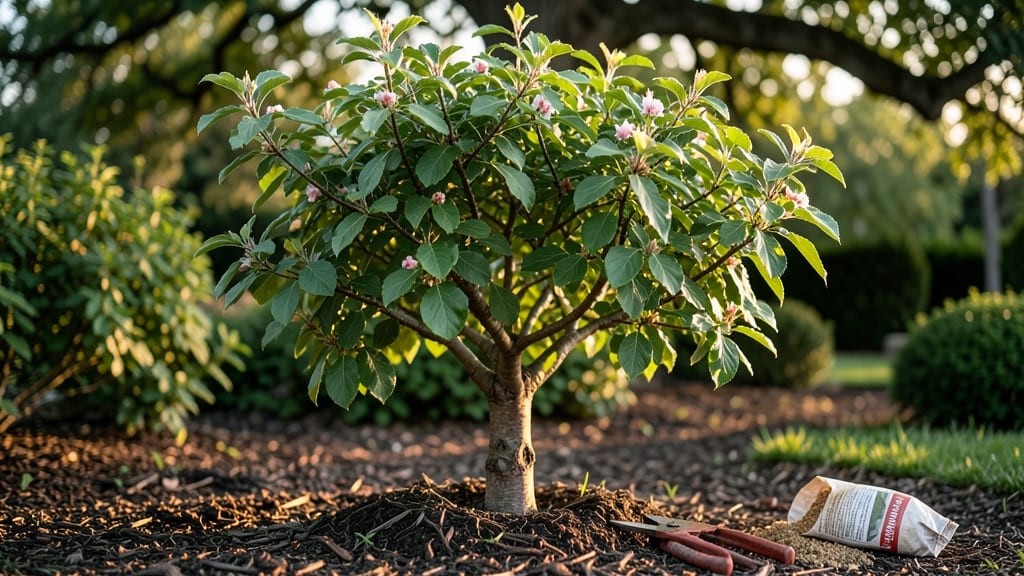
Growing plum trees in Vero Beach, Florida, means choosing varieties like Vero Beach's frost-resistant plums that thrive in Zone 10a/10b's heat and humidity. My first plum tree nearly died from overwatering—until I learned the secret to balancing Florida's dry spells with tropical moisture needs.
The right pruning transforms a struggling tree into a fruit-bearing powerhouse year-round.
You’ll need cold-hardy varieties like Santa Rosa or Flavor Grand, which handle brief dips below freezing. Plant in well-draining soil with a slightly acidic pH (6.0-6.5) and full sun, but protect young trees with shade cloth during summer’s brutal afternoons.
Water deeply twice weekly during dry spells, then taper off once established—overwatering is the silent killer of Florida plums.
By late winter, you’ll prune to shape the tree and encourage fruit production, focusing on open canopies for airflow. The payoff? Juicy plums ripening from June through September, with minimal pest issues if you monitor for scale or aphids.
Your neighbors will envy that lush, productive tree in your yard.
This method works for both backyard orchards and container growing. Start small with a single tree, then expand as you master Florida’s plum-growing quirks. The first harvest will taste like summer perfection—worth every pruning cut.
📚 In This Guide
- What you need
- Instructions
- Tips and common mistakes
- Wrapping up and next steps
What you need
- ● Pruning shears: Bypass pruners (sharp, 6–8" blades) for small branches.
- ● Loppers: 1 pair (8–12" cutting capacity) for thicker branches (½–1½" diameter).
- ● Pruning saw: 1 handheld saw (for branches >1½" thick).
- ● Disinfectant: 70% isopropyl alcohol or 10% bleach solution (1 part bleach to 9 parts water) to sterilize tools.
- ● Gloves: Heavy-duty work gloves (cut-resistant, long sleeves recommended).
- ○ Pruning sealant: Optional but helpful (e.g., tree wound paint) for large cuts.
- ● Ladder: Sturdy, extendable ladder (if tree is >6 ft tall).
- ● Safety glasses: 1 pair (to protect from debris).
- ● Work boots: Closed-toe, slip-resistant shoes.
- ● Trash bags: 2–3 heavy-duty bags (for pruned branches/debris).
- ● Notebook & pen: To sketch a pruning map (track cuts and growth patterns).
- ● Best time to prune: Late winter/early spring (February–March) before new growth starts.
- ● Weather check: Prune on a dry, calm day (avoid humidity/frost warnings).
- ● Tree health: Ensure the tree is not stressed (wilting, pest damage, or disease).
- ● Local frost data: Check Vero Beach’s NOAA frost calendar for late-winter timing.
- ● Tree growth regulator: Copper-based spray (to prevent fungal issues post-pruning).
- ● Soil tester kit: To check pH/nutrient levels (plums thrive in slightly acidic soil, pH 6.0–6.5).
- ● Mulch: 2–3 inches of organic mulch (e.g., pine straw) to protect roots.
- ● Drip irrigation: Temporary setup to keep the tree hydrated post-pruning.
Instructions for frost-resistant pruning of plum trees in Vero Beach
Vero Beach’s mild winters and warm summers demand a strategic pruning approach—here’s how to keep your plum tree productive year-round.
Assess Tree Health and Frost Damage
Begin by examining your plum tree in early spring, just as new growth starts to emerge. Look for dead or blackened branches—these are clear indicators of frost damage. Healthy wood should be firm and light brown, while damaged wood often feels brittle and may snap easily. In Vero Beach, where temperatures can dip into the 30s°F but rarely stay there long, most damage occurs on exposed branches.
Remove any branches that show signs of frostbite or disease, cutting back to the nearest healthy bud or branch collar. This ensures the tree directs energy to new growth rather than repairing damaged areas. I always use sharp, sterilized pruning shears to make clean cuts—ragged edges invite pests and disease. If you’re unsure whether a branch is dead, scratch the bark with your fingernail; if it’s green underneath, it’s still alive.
Thin the Canopy for Airflow and Sunlight
Plum trees thrive with good airflow and sunlight penetration, both of which are critical in Florida’s humid climate. Start by removing any branches that cross or rub against each other—these create wounds that can become entry points for fungal infections. Focus on thinning the canopy from the inside out, starting at the center of the tree and working your way outward. This opens up the tree to sunlight, which helps prevent moisture buildup and reduces the risk of fungal diseases like brown rot.
Remove about 20-30% of the tree’s total branches, prioritizing those that are weak, diseased, or growing inward. You’ll notice the tree’s structure become more open, allowing sunlight to reach the lower branches and fruit. In Vero Beach, where humidity can be high, this step is especially important for maintaining fruit quality and preventing rot. Avoid removing more than one-third of the canopy in a single season, as this can stress the tree.
Shape the Tree for Structural Integrity
Plum trees benefit from a balanced, open-center shape that allows sunlight and air to circulate freely. Start by identifying the tree’s central leader—the main upward-growing branch—and ensure it’s strong and dominant. If it’s weak or damaged, select a strong lateral branch to train as the new leader. Remove any competing branches that grow directly upward from the main trunk, as these can create a crowded, unstable structure.
Prune to create a natural, vase-like shape by shortening branches that grow too long or too close together. Cut back to a lateral bud or branch that grows outward and away from the center. This encourages the tree to fill out evenly and reduces the risk of storm damage, which is a concern in Florida’s occasional heavy winds. In Vero Beach, where trees can grow rapidly, I recommend pruning in late winter or early spring to shape the tree before the growing season begins.
Encourage Fruit Production with Strategic Cuts
To maximize fruit production, focus on pruning techniques that stimulate flowering and fruiting. Plum trees produce fruit on both old and new wood, so avoid over-pruning, which can reduce next year’s harvest. Start by thinning out clusters of fruit to 6-8 inches apart, as this allows the remaining fruit to grow larger and reduces the risk of disease. Remove any suckers or water sprouts—these are fast-growing, vertical shoots that drain energy from the tree and don’t contribute to fruit production.
If your plum tree has produced a heavy crop in previous years, prune lightly to avoid overburdening the tree. In Vero Beach, where summers are hot and dry, water stress can affect fruit set, so ensure the tree is well-watered after pruning. I also recommend applying a balanced fertilizer in early spring to support new growth and fruit development. Avoid heavy pruning in the fall, as this can stimulate new growth that may not harden off before winter.
Clean Up and Protect the Tree
After pruning, remove all debris from the ground around the tree, including fallen leaves, twigs, and clippings. This reduces the risk of disease and pest infestations, which can thrive in the moist conditions of Florida’s climate. Sterilize your pruning tools with rubbing alcohol or a bleach solution to prevent the spread of pathogens. In Vero Beach, where humidity is high year-round, keeping the area around the tree clean is essential for long-term health.
Apply a layer of mulch around the base of the tree, keeping it 2-3 inches deep and 6 inches away from the trunk to prevent rot. Mulch helps retain moisture, regulate soil temperature, and suppress weeds. In late winter, consider wrapping the trunk of young or newly planted plum trees with tree wrap to protect them from potential frost cracks. This is especially important in Vero Beach, where temperatures can fluctuate unpredictably. Finally, monitor the tree regularly for signs of stress, pests, or disease, and address any issues promptly to keep it thriving.
Tips & tricks for frost-resistant pruning of plum trees in Vero Beach
Pruning plum trees in Florida’s unique climate requires a few strategic adjustments to ensure year-round fruit production and frost resilience. Here are the key insights I’ve learned from years of working with Vero Beach’s plum trees.
Timing is Everything: While late winter or early spring is ideal for pruning, Vero Beach’s unpredictable frost patterns mean you should also be ready to act quickly after any unexpected cold snaps. I’ve found that pruning immediately after a frost event—when new growth begins—helps the tree recover faster. The goal is to remove damaged wood before it becomes a breeding ground for pests or disease, which thrive in Florida’s humidity. Always prune on dry days to prevent fungal infections from spreading through fresh cuts.
Tool Preparation Matters: Sterilizing your pruning tools between cuts is non-negotiable in Vero Beach’s climate. I keep a small bottle of rubbing alcohol in my tool bag and wipe down shears after every 3-5 cuts, especially when dealing with diseased branches. For larger branches, I use a sharp handsaw and follow up with pruning shears for precision cuts. Remember, clean cuts heal faster and are less likely to invite pests. I also recommend using bypass pruners rather than anvil pruners—they make cleaner cuts that seal better.
Visual Cues for Frost Damage: In Step 1, when assessing frost damage, look beyond just blackened branches. Healthy wood should have a slight green tint when scratched, while damaged wood will be brown and dry. Another trick I use is to gently bend small branches—healthy wood will flex slightly, while frost-damaged wood will snap. In Vero Beach, where frosts are brief but can be severe, these visual cues help me identify exactly which branches need removal. Don’t hesitate to make conservative cuts if you’re unsure; you can always prune more next season.
Post-Pruning Care for Florida Conditions: After completing your pruning, focus on Florida-specific aftercare. Apply a 2-3 inch layer of mulch around the base, keeping it 6 inches away from the trunk to prevent rot. In Vero Beach’s sandy soil, I often add compost to the mulch to improve moisture retention. Water deeply after pruning to help the tree recover, but avoid overwatering—Florida’s humidity can lead to fungal issues if the soil stays too wet. For young trees, consider wrapping the trunk with tree wrap in late winter to protect against potential frost cracks, which are more common in Vero Beach’s fluctuating temperatures.
Pro Tips for Plum Tree Vero Beach Florida
- Pruning plum trees in Florida’s unique climate requires a few strategic adjustments to ensure year-round fruit production and frost resilience.
- Timing is Everything: While late winter or early spring is ideal for pruning, Vero Beach’s unpredictable frost patterns mean you should also be ready to act quickly after any unexpected cold snaps.
- Tool Preparation Matters: Sterilizing your pruning tools between cuts is non-negotiable in Vero Beach’s climate.
Frequently asked questions
Got questions about growing a frost-resistant plum tree in Vero Beach, Florida?
Here are answers to the most common queries—from pruning tips to seasonal care—so you can keep your tree thriving year-round!
How cold can plum trees in Vero Beach handle before frost damage?
Most plum trees (like Prunus salicina varieties) tolerate brief dips to 25–28°F, but Vero Beach’s rare freezes (<20°F) can cause leaf burn or bud damage. Opt for frost-resistant cultivars (e.g., Santa Rosa) and protect young trees with frost cloth or mulch. Pro tip: Monitor NOAA forecasts and cover trees if temps drop below 30°F overnight.
When’s the best time to prune plum trees in Florida’s humid climate?
Prune immediately after harvest (late summer/early fall) to avoid silver leaf fungus, which thrives in Florida’s humidity. Never prune in winter—it stresses trees and invites disease. Focus on open-center shaping to improve airflow, and remove dead/diseased wood year-round. Key rule: Sterilize tools with rubbing alcohol to prevent bacterial spread.
Why aren’t my plum trees fruiting despite proper pruning?
Lack of fruit often stems from poor pollination (plums need cross-pollination), nutrient deficiencies (test soil pH; aim for 6.0–6.5), or over-fertilizing nitrogen (which boosts leaves, not fruit). Try planting a second variety nearby (e.g., Angeleno + Methley) and apply phosphorus-rich fertilizer (like 5-10-10) in early spring. Check for: Aphids or mites, which sap energy from fruit production.
Can I grow plum trees in Vero Beach’s sandy soil without amending it?
Yes! Plum trees adapt well to sandy soil, but mulch heavily (3–4 inches of pine bark) to retain moisture and improve drainage. For faster growth, mix in compost or aged manure at planting. Avoid heavy clay amendments—they compact soil and suffocate roots. Watering hack: Deep-water trees 2–3x/week during Florida’s dry season (Dec–Apr).
How do I fix brown, crinkled leaves on my plum tree?
This is likely silver leaf disease (a fungal infection) or aphid damage. Prune infected branches (sterilize tools!) and apply copper fungicide (like Copper Sulfate) every 2 weeks until new growth appears. For aphids, blast leaves with water or use neem oil. Prevent recurrence: Avoid overhead watering and prune for airflow.
Wrapping up and next steps
Growing a frost-resistant plum tree in Vero Beach, Florida is a rewarding way to enjoy fresh fruit year-round—even in the subtropics! With the right pruning techniques, you’ll ensure strong growth, abundant harvests, and a healthy tree that thrives in your climate. 🌳✨
Ready to take the next step? Start by observing your tree’s growth patterns and scheduling your first pruning session in late winter or early spring. Keep a journal to track progress, and don’t hesitate to consult local agricultural extensions for tailored advice. Your future plum harvests will thank you!