
Pruning
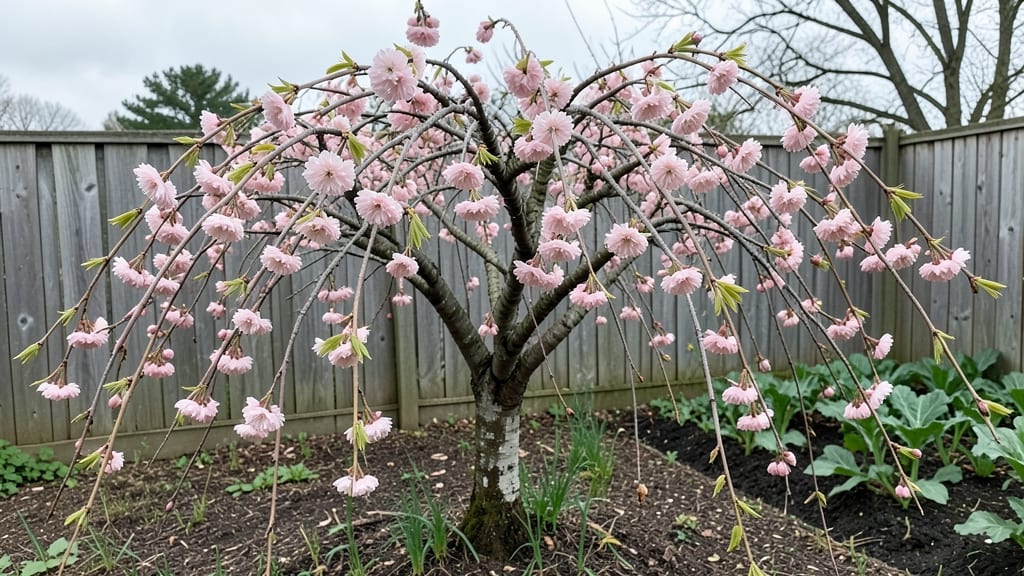
A pink cascade cherry tree isn’t just a tree—it’s a living waterfall of pink blooms that turns your yard into a hummingbird magnet. I planted mine last spring, and now it’s the star of my garden, spilling over a patio edge with cascading branches heavy with flowers.
The way sunlight catches the petals at dawn makes the whole neighborhood stop and stare.
This isn’t your average shrub—it’s a dramatic focal point that works as a standalone specimen or as a border along walkways. The weeping habit creates natural shade while keeping the air fragrant with blossoms from late spring through summer.
Pair it with lavender for contrast or let it soften a modern patio with its graceful, trailing form.
Hummingbirds can’t resist the nectar, and the tree’s dark green leaves provide lush backdrops for every season. In winter, the bare branches still hold charm, while spring’s fresh foliage feels like a fresh start.
It’s the kind of tree that makes neighbors ask, “What is that?”—and then beg for one of their own.
Best of all, it thrives in full sun with well-drained soil, making it perfect for sunny borders or containers on patios. The key? Prune lightly after blooming to encourage more flowers next year. Trust me, once you see it in person, you’ll understand why it’s worth every inch of space.
📚 In This Guide
- What you need
- Instructions
- Tips and common mistakes
- Wrapping up and next steps
What you need
- ● Pruning shears – Bypass-style (sharp, 6-8" blades) for clean cuts on small branches.
- ● Loppers – Bypass or anvil type (for branches ½"–2" thick).
- ● Pruning saw – Curved-tooth for thick branches (2"+ diameter).
- ● Ladder or step stool – Sturdy, extendable (12–16 ft tall, depending on tree height).
- ● Disposable gloves – Nitrile-coated (to protect from thorns and sap).
- ○ Pruning sealant – Optional but helpful (for sealing large cuts >½" to prevent disease).
- ● Disinfectant (rubbing alcohol or bleach solution) – To clean tools between cuts and avoid spreading disease.
- ● Trash bags or bucket – For collecting pruned branches.
- ● Sharpie or marker – To label branches if making strategic cuts.
- ● Extension pole pruners – For high branches without a ladder.
- ● Tree wound dressing – Controversial but some swear by it for extra protection.
- ● Camera or phone – To document your tree’s progress before/after pruning!
- ● First-aid kit – Just in case those thorns get feisty. 😅
Step-by-step guide to planting and caring for a Pink Cascade cherry tree
This stunning tree thrives with the right approach—here’s how to plant it for maximum beauty and bird-friendly blooms.
Select the Perfect Planting Site
Choose a location with full sun exposure—at least 6-8 hours of direct sunlight daily. The Pink Cascade thrives in open spaces where its cascading branches can spread freely. Avoid low-lying areas where cold air collects, as this tree is sensitive to late spring frosts that can damage blossoms.
Test the soil drainage by digging a 12-inch deep hole—if water pools after 30 minutes, amend the soil with 2-3 inches of organic compost to improve aeration. The tree prefers slightly acidic to neutral soil with a pH between 6.0 and 7.0. You’ll know the site is ideal when the soil feels loose, crumbly, and holds moisture without becoming soggy.
Plant at the Right Depth and Stake for Support
Dig a hole twice as wide as the root ball but no deeper—this prevents root suffocation. Gently remove the tree from its container and loosen any circling roots with your fingers. Place the tree in the hole so the top of the root ball sits level with the surrounding soil—burying too deep can cause stem rot.
Backfill with native soil mixed with 1-2 inches of compost, tamping lightly to eliminate air pockets. Install two sturdy stakes on opposite sides of the tree, securing them with soft tree ties (never wire, which can girdle the trunk). Water deeply to settle the soil, and you’ll see the ground firm up around the roots without creating a crater.
Water Deeply and Mulch for Moisture Retention
Water the tree immediately after planting with 10-15 gallons to encourage root expansion into the surrounding soil. Over the next 2-3 weeks, water 2-3 times per week (or daily in extreme heat) until new growth appears. The goal is to keep the root zone consistently moist but not waterlogged—you’ll know it’s right when the top 2 inches of soil feel damp to the touch.
Apply 2-3 inches of mulch (wood chips or bark) around the base, keeping it 6 inches away from the trunk to prevent rot. Replenish mulch annually in late winter to protect roots from temperature swings. Avoid over-mulching—too much can suffocate roots and attract pests.
Prune for Shape and Encourage Blooms
Prune in late winter or early spring before buds swell, removing dead, crossing, or weak branches first. For the Pink Cascade’s signature weeping form, selectively thin branches to open the canopy and allow light to reach inner growth. Never remove more than 25% of the foliage in one season—this tree blooms on both old and new wood, so aggressive pruning reduces flowers.
After flowering, trim any suckers or water sprouts that emerge from the base or along the trunk. These compete with the main structure for nutrients. You’ll see the tree’s natural shape emerge as you prune—patience here pays off with a fuller, more dramatic canopy over time.
Fertilize and Monitor for Pests
Apply a balanced, slow-release fertilizer (10-10-10) in early spring and again in mid-summer, following package rates. Avoid high-nitrogen fertilizers, which promote leafy growth at the expense of flowers. The Pink Cascade is generally pest-resistant, but watch for aphids or scale on new growth—blast them off with water or treat with neem oil if they persist.
Hummingbirds will visit as soon as flowers appear in early to mid-spring, but you can attract them sooner by placing a sugar-water feeder nearby. The tree’s pink, cascading blossoms create a stunning focal point—pair it with complementary perennials like columbine or clematis for a layered, pollinator-friendly display.
Tips & tricks for perfect Pink Cascade cherry tree planting
These practical tips will help you create the ideal conditions for your Pink Cascade cherry tree to thrive and reward you with stunning blooms and hummingbird visitors.
Sunlight Strategy: The 6-8 hours of full sun requirement is non-negotiable for this variety. If your location only gets partial sun, consider planting near a south-facing wall or fence that reflects sunlight. I've seen Pink Cascades planted in east-west oriented yards thrive beautifully by positioning them to catch morning and afternoon sun. The cascading branches will naturally seek out the light, creating that dramatic weeping form you're after.
Soil Test Tip: Before planting, grab a handful of your native soil and squeeze it tightly. If it holds its shape like a rock when dry or stays clumpy when wet, you'll definitely need to amend it with compost. The 2-3 inches of organic compost we recommend isn't just for drainage—it also introduces beneficial microbes that help the tree establish stronger roots. For the best results, mix in a handful of mycorrhizal fungi granules with your compost.
Staking Secrets: When installing those two sturdy stakes in Step 2, position them diagonally rather than directly opposite each other. This creates a more stable triangle support system that prevents the tree from swaying in strong winds. Use soft tree ties that you can loosen as the tree grows—wire ties will cut into the bark as the trunk thickens. I always check my stakes after heavy rain to ensure they're still secure.
Watering Wisdom: The 10-15 gallons of water immediately after planting might seem like a lot, but think of it as giving your tree a strong start. Use a garden hose with a slow setting to avoid eroding the soil around the root ball. For the 2-3 week watering schedule, I recommend using a soaker hose placed 6 inches from the trunk—this delivers water directly to the root zone without wetting the foliage, which helps prevent fungal diseases.
Pro Tips for Pink Cascade Cherry Tree
- These practical tips will help you create the ideal conditions for your Pink Cascade cherry tree to thrive and reward you with stunning blooms and hummingbird visitors.
- Sunlight Strategy: The 6-8 hours of full sun requirement is non-negotiable for this variety.
- Soil Test Tip: Before planting, grab a handful of your native soil and squeeze it tightly.
Frequently asked questions
Got questions about your Pink Cascade Cherry Tree? You’re not alone! Here are answers to the most common queries—from pruning tips to troubleshooting—so you can keep your hummingbird haven thriving.
When is the best time to prune a Pink Cascade Cherry Tree?
The ideal time to prune is late winter or early spring, just before new growth begins. This ensures you remove dead or weak branches without disrupting flowering. Avoid pruning in fall, as it can stimulate tender new growth vulnerable to cold. For shaping, do light pruning in summer after flowering to maintain the tree’s signature weeping form.
How much can I prune without harming the tree?
Never remove more than 25% of the tree’s canopy in a single year. Pink Cascade Cherries are forgiving but respond best to gradual shaping. Focus on dead, crossing, or overcrowded branches first. If you’re aggressive, the tree may struggle to produce flowers—or attract those hummingbirds!—the following season.
Why aren’t hummingbirds visiting my tree’s flowers?
Hummingbirds love bright pink blooms, but they also need accessible nectar. If flowers aren’t thriving, check for:
- Late frosts damaging buds (prune after frost danger passes).
- Pests like aphids or scale (spray with neem oil if needed).
- Poor sunlight (they need 6+ hours of sun daily).
Can I grow a Pink Cascade Cherry Tree in a container?
Yes, but it’s challenging long-term. These trees grow 15–25 feet tall and need deep roots. Use a large (20+ gallon) container with drainage holes and repot every 2–3 years. They’re better suited for ground planting, where their cascading branches can truly shine—and feed hummingbirds year-round!
My tree’s leaves are yellowing—what’s wrong?
Yellow leaves often signal overwatering, nutrient deficiency, or fungal issues. Check:
- Soil moisture: Water deeply but let topsoil dry between waterings.
- Fertilizer: Use a balanced 10-10-10 in early spring.
- Fungus: Prune affected leaves and treat with copper fungicide if needed.
Wrapping up and next steps
The Pink Cascade Cherry Tree isn’t just a stunning addition to your garden—it’s a year-round hummingbird magnet and a low-maintenance beauty that thrives with minimal effort.
By mastering the art of pruning (especially in late winter or early spring) and keeping an eye out for pests, you’ll ensure its dramatic cascading blooms and vibrant foliage shine for decades. Your next step? Grab those pruners, mark your calendar, and get ready to enjoy the sweet rewards of a well-loved tree! 🌸✨