
Pruning
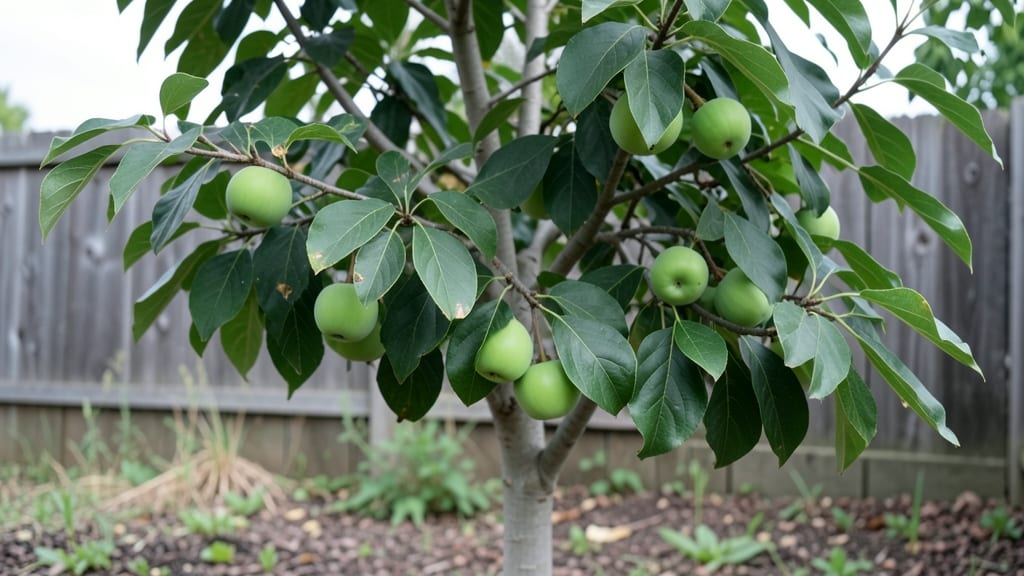
When persimmon fruits stay stubbornly green, it’s usually not a sign of failure—just a clue about what your tree needs. 🌿 I’ve watched my own persimmon tree hold onto green fruit for months, only to reveal sweet, orange-orange flesh once the conditions finally aligned.
The key isn’t forcing ripeness but understanding why it lingers and how pruning can shift that balance.
Most persimmons need full sun, consistent water, and patience—some varieties like Fuyu ripen while still green, while others (like Hachiya) turn deep orange only after frost. Pruning in late winter removes crowded branches that compete for energy, letting the tree focus on fruit development.
A sharp pair of shears and a clear day are all you need to start.
You’ll know your fruit is ready when it softens slightly under gentle pressure (for Hachiya types) or when the skin turns a solid, jewel-toned orange (for Fuyu). Proper pruning also improves airflow, reducing fungal risks and encouraging stronger fruit set next season.
The payoff? A tree that finally delivers the rich, honey-like flavor you’ve been waiting for.
Works for both Hachiya (astringent until ripe) and Fuyu (edible when firm-green) varieties. Let’s get those branches shaped for success!
📚 In This Guide
- What you need
- Instructions
- Tips and common mistakes
- Wrapping up and next steps
What you need
- ● Pruning shears: Bypass pruners (sharp, clean, and disinfected with rubbing alcohol). Size: 6-8 inches for small branches.
- ● Loppers: For thicker branches (up to 2 inches in diameter). Quantity: 1 pair.
- ○ Hand saw: Pruning saw with a fine-toothed blade for stubborn branches (3-4 inches thick). Optional: Replace with a folding saw for portability.
- ● Gloves: Heavy-duty, cut-resistant gloves (e.g., mechanics’ gloves) to protect hands.
- ● Disinfectant: 70% isopropyl alcohol or a 10% bleach solution (1 part bleach to 9 parts water) to sterilize tools between cuts.
- ○ Pruning sealant: Optional but helpful for large cuts (e.g., tree wound paint or pruning paste). Size: Small jar (4 oz).
- ● Ladder: Sturdy, extendable ladder (height depends on tree size; 8-12 feet is typical for mature persimmons). Safety tip: Use a stabilizer or have a spotter!
- ● Heavy-duty trash bags: For collecting pruned branches (2-3 bags, 30-gallon size).
- ● Timing: Prune during the dormant season (late winter/early spring, before buds swell) or lightly after harvest (avoid heavy pruning in summer).
- ● Weather: Choose a dry, calm day (no rain or wind for 24 hours before/after pruning).
- ○ Tree health check: Inspect for diseases (e.g., anthracnose) or pests (e.g., aphids). Treat with neem oil or copper fungicide if needed (optional).
- ○ Safety gear: Optional but recommended: Safety glasses
- ● Long sleeves/pants (to protect from thorns)
- ● Earplugs (if using a chainsaw for large branches)
Pruning guide for healthy persimmon trees
Here's how to prune your persimmon tree to boost fruit production and keep it thriving.
✂️ Step 1: Prune During Dormancy for Best Results
Timing matters most with persimmons. I always prune in late winter or early spring, right before buds swell but before new growth starts. This gives the tree time to heal before summer stress. Avoid pruning in fall—it invites disease and weakens the tree before winter.
Use clean, sharp pruning shears to make cuts just outside the branch collar (that swollen area where the branch meets the trunk). Smooth cuts prevent water from pooling and causing rot. If you're dealing with larger branches, use a pruning saw for clean cuts—never tear branches, which creates jagged wounds that heal poorly.
🌿 Step 2: Remove Dead, Diseased, or Crossing Branches
Start by scanning the tree for dead wood—branches that are brittle, have no leaves, or snap easily. Cut these out first. Next, look for branches with disease symptoms like cankers, oozing sap, or discolored bark. Remove these immediately to prevent spread.
Watch for branches that cross or rub against each other. These will eventually tear open wounds and invite pests. If two branches grow too close, remove the smaller one or the one growing upward. I like to step back every few cuts to visualize the tree’s shape—this helps me spot hidden issues.
☀️ Step 3: Thin Out Overcrowded Branches for Better Airflow
Persimmons need good airflow to prevent fungal diseases like anthracnose. Aim to remove 20-30% of the tree’s branches to open up the canopy. Focus on branches growing inward or downward—they block sunlight and trap moisture. You’ll know you’ve done enough when light filters through the center of the tree.
Don’t overdo it, though. Persimmons fruit on both old and new wood, so avoid heavy pruning that removes too many fruiting spurs. If you’re unsure, leave a branch—you can always prune more next year. I usually thin out one main branch per year to maintain balance.
⏰ Step 4: Shape the Tree for Optimal Fruit Production
Persimmons respond well to an open-center or modified central leader shape. This lets sunlight reach the center where most fruit develops. Start by selecting 3-5 strong scaffold branches spaced evenly around the trunk. These should be about 12-18 inches apart and angled outward.
Remove any competing branches that grow straight up from the trunk (called "water sprouts") or those growing too close together. Water sprouts steal energy from fruit production. After shaping, step back and check for balance—your tree should look like an upside-down cone with room for sunlight at the base.
💧 Step 5: Post-Pruning Care for Fast Recovery
After pruning, water the tree deeply to help it recover. A slow soak over 30-45 minutes ensures moisture reaches the roots. Avoid fertilizing right after pruning—wait until new growth appears in spring. Instead, focus on keeping the area around the tree free of debris to prevent pests.
Monitor the tree for new shoots emerging from the base or along branches. These are signs of vigorous growth. If you see excessive water sprouts, prune them out as they appear. Persimmons are resilient, but proper care after pruning sets the stage for a healthy harvest—that’s the whole point!
Tips & tricks for pruning healthy persimmon trees
Here's what I've learned from years of pruning persimmons—these tricks make all the difference between a mediocre harvest and a tree bursting with fruit.
The Timing Secret: Late winter or early spring is your golden window, but don't wait until buds swell—aim for just before they start showing. I've learned this the hard way: pruning too early leaves wounds vulnerable to winter cold, while pruning too late stresses the tree before summer growth kicks in. If you miss this window, wait until late summer after harvest, but avoid fall pruning completely—it's a recipe for disease.
Cutting Technique That Changed Everything: Always make your cuts just outside the branch collar—the swollen area where the branch meets the trunk. I used to cut flush with the trunk, which created ugly wounds that took forever to heal. Now I use a clean, sharp saw or shears to make angled cuts that prevent water from pooling. For larger branches, I make a second cut just outside the first to avoid tearing the bark.
Visual Pruning Guide: When thinning branches in Step 3, imagine sunlight filtering through your tree like a dappled forest floor. You want to remove branches that grow inward or downward—they're the ones blocking light from reaching the center where most fruit develops. Step back every few cuts to visualize this. I usually remove about one main branch per year to maintain that perfect open-center shape without overdoing it.
Post-Pruning Recovery Hack: That 30-45 minute deep watering isn't just about hydration—it's about helping the tree recover from stress. I've found that adding a thick layer of mulch around the base (but not touching the trunk) helps retain moisture and keeps roots cool. This simple step makes a huge difference in how quickly your tree bounces back and prepares for next year's harvest.
Pro Tips for Persimmon Tree Green Fruit
- Here's what I've learned from years of pruning persimmons—these tricks make all the difference between a mediocre harvest and a tree bursting with fruit.
- The Timing Secret: Late winter or early spring is your golden window, but don't wait until buds swell—aim for just before they start showing.
- Cutting Technique That Changed Everything: Always make your cuts just outside the branch collar—the swollen area where the branch meets the trunk.
Frequently asked questions
Got questions about pruning your persimmon tree when the fruit is still green? You’re not alone! Here are some common concerns—and straightforward answers—to help you keep your tree thriving.
Why are my persimmon fruits still green when others are ripe?
Persimmons turn green-to-orange when fully ripe, but environmental factors like cool temperatures or insufficient sunlight can delay color change. If your tree is young or stressed, fruit may stay green longer. Wait until fruits soften slightly (like a ripe tomato) before harvesting—even if they’re not orange!
How long after pruning can I expect green fruit to ripen?
Pruning stimulates new growth but won’t speed up ripening. Green persimmons typically need 4–8 weeks to mature after the main flowering season (spring). Focus on light pruning in late winter to avoid stressing the tree. If fruit stays hard after 2 months, check for pests or nutrient deficiencies.
Should I prune branches with green persimmons still attached?
Yes, but strategically! Remove only dead, diseased, or overcrowded branches—never more than 25% of the tree’s canopy at once. Prune in late winter/early spring (before buds swell) to avoid disrupting fruit development. If you must prune later, do it after harvest to let energy focus on next year’s fruit.
Can I eat green persimmons, or should I wait for them to ripen?
Green persimmons are inedible raw—they’re astringent and bitter! Wait until they’re fully soft and orange (or deep yellow for some varieties). If you’re impatient, try cooking them (like in jams or baked goods), but even then, unripe fruit lacks sweetness. Patience pays off—ripe persimmons are naturally sweet and velvety!
My persimmon tree has green fruit but no flowers next year—what’s wrong?
Over-pruning, nutrient imbalances (like too much nitrogen), or pest damage (e.g., aphids, scale) can reduce flowering. Fix it by:
- Balancing fertilizer (use a low-nitrogen, high-phosphorus blend in early spring).
- Inspecting for pests and treating with neem oil or horticultural oil if needed.
- Avoiding heavy pruning for 2–3 years to let the tree recover.
Wrapping up and next steps
Growing a thriving persimmon tree with luscious green fruit starts with the right pruning techniques—now you’ve got the know-how! 🌱 By mastering selective cutting, seasonal timing, and disease prevention, you’re well on your way to a bountiful harvest.
Remember, patience and consistency are key; your tree will thank you with vibrant, healthy growth and sweet rewards.
Ready to put your skills into action? Grab your tools and schedule your next pruning session—whether it’s shaping young branches or maintaining mature trees. Happy pruning, and here’s to your future harvest! 🍊✨