Pruning
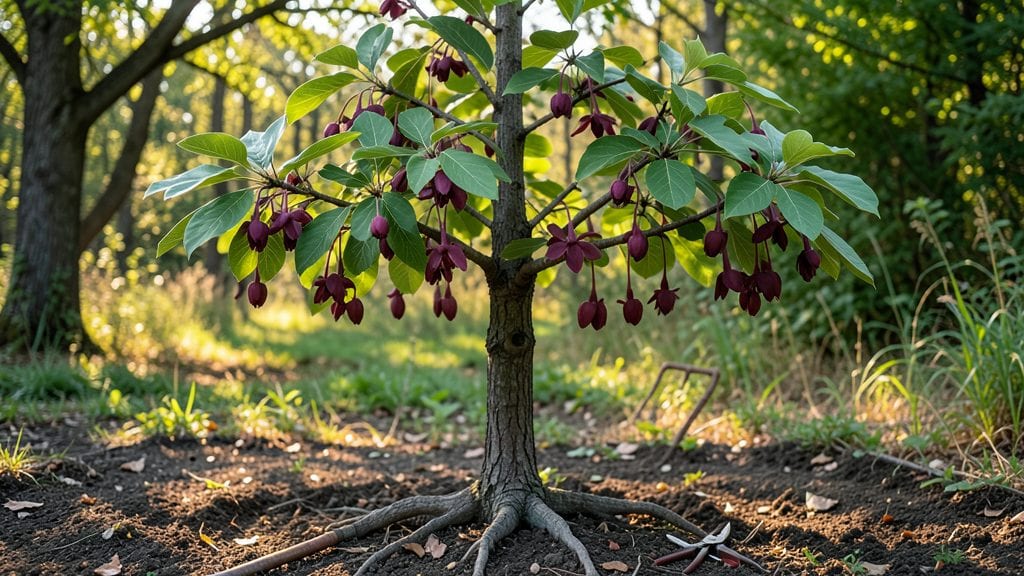
When pawpaw tree flowers fail to thrive, you’re missing out on those delicate, maroon-budded blooms that promise tropical-tasting fruit. 🌸 I’ve spent years watching these trees go from lackluster to showstopping after a few strategic cuts—it’s all about timing and technique.
The key is pruning in late winter or early spring, just as the buds swell but before new growth bursts forth.
Most gardeners overlook pawpaws because they assume they’re high-maintenance, but the truth is simpler: these trees respond beautifully to light pruning that opens the canopy for sunlight. You’ll need sharp pruners, a clear day, and about 30 minutes to work on a mature tree.
The goal? Remove dead wood, thin crowded branches, and shape the tree to encourage airflow—all of which directly boosts flower production.
What you’ll end up with is a tree blanketed in fragrant, cup-shaped flowers by late spring, followed by those custard-like pawpaws by summer. The flowers themselves are a sight—each one a tiny, velvety masterpiece that hums with pollinators. Once you see the transformation, you’ll never skip this step again.
This method works for both young trees and established ones, though older specimens may need more aggressive shaping. For those in cooler climates, prune slightly later to avoid frost damage to fresh cuts. Let’s get those blooms back in action!
📚 In This Guide
- What you need
- Instructions
- Tips and common mistakes
- Wrapping up and next steps
What you need
- ● Pruning shears – Sharp, bypass-style shears (for cuts under ½ inch in diameter). Quantity: 1 pair
- ● Loppers – For thicker branches (½ to 1½ inches). Quantity: 1 pair
- ● Pruning saw – Heavy-duty for branches over 1½ inches. Quantity: 1
- ● Rubbing alcohol (70% or higher) – To sterilize tools between cuts. Quantity: Small bottle
- ● Gloves – Heavy-duty work gloves (protection from thorns and sap). Quantity: 1 pair
- ○ Disposable pruning bags – For collecting debris (optional but handy). Quantity: 1-2
- ● Hand pruners with a bypass blade – For precision cuts on smaller branches.
- ● Ladder or step stool – If your tree is tall (safety first!).
- ● Tree wound dressing – Not recommended for pawpaws (they heal naturally), but useful for other trees.
- ● Notebook & pen – To sketch a quick map of cuts for reference.
- ● Choose a dry, sunny day (avoid wet or windy conditions).
- ● Gather a bucket of water (for cleaning tools mid-pruning).
- ● Wear long sleeves and pants (pawpaw sap can irritate skin).
- ● Check local pruning guidelines (some regions have specific timing rules for pawpaws).
Step-by-step instructions for pruning pawpaw tree flowers
Here's how to revive spring blooms through precise, season-appropriate cuts—no guesswork involved.
✂️ Step 1: Time Your Cuts for Optimal Bloom Revival
Prune pawpaw trees in late winter or early spring, just before buds swell but before new growth begins. This timing ensures you remove dead wood while preserving next season's flower buds, which form on one-year-old wood. I always check for swollen buds—they look like tiny green beads along the branches. If you prune too early, you risk removing flower buds before they've formed; too late, and you encourage rampant new growth that steals energy from blooming.
Use sharp pruning shears to make clean cuts at a 45-degree angle, about ¼ inch above a bud or branch collar. This angle prevents water from pooling on the cut, which can rot the branch. If you're unsure whether a branch is dead, scratch the bark with your fingernail—live wood is moist and green underneath, while dead wood is dry and brown.
🌿 Step 2: Remove Dead, Diseased, or Weak Wood First
Start by eliminating any branches that are dead, diseased, or crossing—these compete with healthy growth for nutrients. Dead wood is easy to spot: it's brittle, lacks bark, and often has a hollow center. Diseased branches may have blackened cankers, oozing sap, or fungal growth, like powdery mildew. Cut these back to the main trunk or a healthy lateral branch, ensuring your cut is just outside the branch collar to avoid damaging the tree's protective layer.
Next, remove weak or spindly branches that grow straight up or lack leaves. These rarely produce fruit and can become entry points for pests. I like to think of this as "thinning the canopy"—it improves airflow and sunlight penetration, which are critical for pawpaws. Aim to open the center of the tree so light reaches the inner branches, where many flower buds form.
☀️ Step 3: Shape the Tree for Maximum Sunlight and Airflow
Pawpaws thrive when they receive full sun to partial shade, but their dense canopies often block light from reaching the lower branches. Step back and visualize the tree's shape—you want a vase-like form with a wide base that narrows toward the top. Prune to remove suckers (shoots growing from the base or roots) and water sprouts (fast-growing vertical shoots). These steal energy from fruit production and blooms.
Focus on selective thinning rather than heavy cutting. Remove no more than 25% of the tree's foliage in one season—pawpaws are sensitive to aggressive pruning. Look for branches that rub against each other and prune one of the two to prevent bark damage. After shaping, step back again to ensure the tree's center remains open. You'll see a difference in next year's blooms if sunlight reaches the inner branches.
⏰ Step 4: Clean Up and Monitor for Recovery
After pruning, sterilize your tools with rubbing alcohol to prevent spreading disease between cuts. Collect and dispose of pruned branches—don't leave them on the ground, as they can harbor pests or fungi. I like to compost the healthy wood, but burn or trash anything that shows signs of disease.
Water the tree deeply after pruning to help it recover. Pawpaws have shallow but widespread roots, so aim for 1-2 inches of water per week, especially during dry spells. Watch for new growth within 2-4 weeks—this signals the tree is healing. If you see excessive leaf drop or wilting, you may have pruned too aggressively. Pawpaws are resilient, but they need time to adjust to major changes.
🌱 Step 5: Prepare for Next Year’s Blooms
Pawpaw flowers appear on one-year-old wood, so the cuts you make now directly impact next spring's blooms. Avoid heavy pruning in summer or fall, as this encourages new growth that won’t have time to harden off before winter. Instead, focus on light maintenance pruning in late summer to remove any suckers or water sprouts that appear.
Fertilize lightly in early spring with a balanced, slow-release fertilizer (10-10-10) to support new growth. Pawpaws don’t need much, but a little extra phosphorus encourages root and flower development. Mulch around the base with 2-3 inches of organic mulch, like shredded leaves or wood chips, to retain moisture and regulate soil temperature. This sets the stage for even more robust blooms next season.
Tips & tricks for perfect pawpaw tree flower pruning
These targeted tips will help you maximize next year's blooms while keeping your pawpaw tree healthy and thriving.
Timing is Everything: The late winter to early spring window is critical because pawpaw flowers develop on one-year-old wood. I mark my calendar for when buds first start to swell—this is your cue to prune. Waiting too long risks removing next season's flower buds before they've formed, while pruning too early can stress the tree. Look for those tiny green beads along the branches as your signal to begin.
The 25% Rule: Never remove more than 25% of the tree's foliage in one season—pawpaws are sensitive to aggressive pruning. I've learned this the hard way after seeing trees struggle to recover from heavy cuts. Focus on selective thinning to improve airflow and sunlight penetration, especially to those inner branches where most flower buds form. Think of it as sculpting rather than hacking.
Branch Collar Matters: Always make your cuts just outside the branch collar—the swollen area where the branch meets the trunk. This protective layer helps the tree heal properly and prevents disease from entering the wound. I use a sharp pruning saw or shears to make clean cuts at a 45-degree angle, about ¼ inch above the collar. This small detail makes a big difference in how quickly the tree recovers.
Seasonal Maintenance Plan: Create a simple pruning schedule: heavy pruning in late winter/early spring, light maintenance in late summer (removing suckers and water sprouts), and minimal work in summer/fall. This approach ensures you're not encouraging new growth that won't harden off before winter. I keep a small notebook by my tools to track when I pruned each year—it helps me stay consistent with the timing that works best for my climate.
Pro Tips for Pawpaw Tree Flower
- These targeted tips will help you maximize next year's blooms while keeping your pawpaw tree healthy and thriving.
- Timing is Everything: The late winter to early spring window is critical because pawpaw flowers develop on one-year-old wood.
- The 25% Rule: Never remove more than 25% of the tree's foliage in one season—pawpaws are sensitive to aggressive pruning.
Frequently asked questions
about pawpaw tree flowers and pruning—because even the most patient gardeners have questions! Here are answers to the most common ones to help you nurture those fragrant blooms.When is the best time to prune pawpaw trees for optimal flowering?
The ideal time to prune pawpaw trees is late winter or early spring, just before buds swell but before new growth starts. This timing ensures you remove dead or weak branches without disrupting the tree’s energy reserves for flowering. Avoid pruning in fall, as it can stimulate late-season growth vulnerable to frost damage.
How much can I trim back a pawpaw tree without harming it?
Pawpaw trees are resilient, but avoid over-pruning! Aim to remove no more than 20-30% of the tree’s canopy in a single session. Focus on dead, diseased, or crossing branches first, then thin out crowded areas to improve airflow and sunlight penetration. Heavy pruning can stress the tree and reduce fruit production.
Why aren’t my pawpaw tree flowers blooming this year?
Several factors could be at play: age (young trees <3 years old may not bloom), light (pawpaws need full sun), pruning timing (late pruning can delay flowers), or nutrient deficiencies (test soil pH and add compost if needed). If the tree is mature and healthy but still not flowering, check for pests like borers or scale insects that may stress the tree.
Can I prune pawpaw flowers to encourage bigger fruit later?
Yes! While pawpaw flowers are stunning, thinning clusters (especially on young trees) can redirect energy toward fewer, larger fruits. Remove weak or damaged flowers first, then thin to leave 1-2 flower clusters per branch. Avoid over-thinning—balance is key to maintaining the tree’s health and future blooms.
What should I do if my pawpaw tree flowers but no fruit forms?
Pawpaw trees are self-pollinating but not always efficient—hand-pollinate flowers with a soft brush to transfer pollen between blooms. Other culprits include late frosts (which can kill flowers), poor soil drainage (root stress affects fruiting), or immature trees (patience is key—mature trees, 5+ years old, produce the best fruit).
Can I use the same pruning tools on pawpaw trees as I do for other fruit trees?
Use sharp, sterilized tools (pruners, loppers, or a saw for thicker branches) to avoid spreading disease. Pawpaw wood is softer than many fruit trees, so avoid crushing branches. Clean tools with rubbing alcohol between cuts to prevent bacterial or fungal infections.
Wrapping up and next steps
Pruning your pawpaw tree’s flowers in spring isn’t just about aesthetics—it’s about revitalizing growth and ensuring a bountiful harvest of those delicious pawpaws! 🌿 By mastering the right techniques and timing, you’ll boost air circulation, reduce disease risks, and encourage stronger blooms.
Whether you’re a seasoned gardener or just starting out, every careful cut brings your tree one step closer to thriving.
Ready to give your pawpaw tree the care it deserves? Grab your pruners, mark your calendar for early spring, and take action! With patience and practice, you’ll soon be rewarded with a flourishing tree—and maybe even a few homegrown treats to enjoy. Happy pruning! 🌸