
Trees
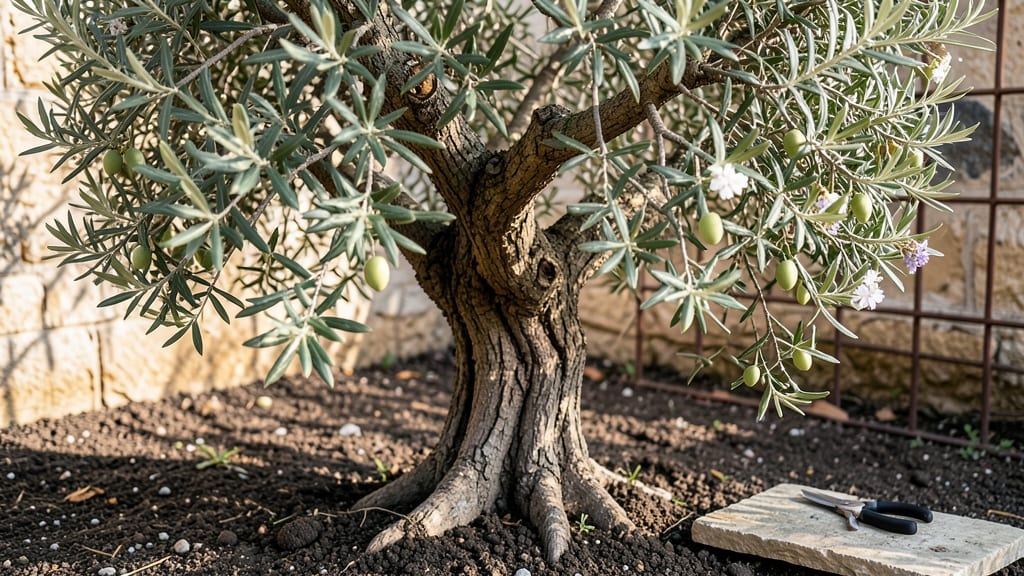
Olive trees with yellow sky and sun create a scene straight out of a Mediterranean postcard—silver-green foliage glowing against golden light. 🌿 I fell for this look after visiting a Tuscan garden where the olive trees stood like living sculptures against a sky that seemed to burnish everything in sight.
The contrast isn't just pretty; it's transformative, turning an ordinary afternoon into a golden-hour masterpiece.
Pairing olive trees with warm-toned gardens is easier than you'd think. Start with sun-loving perennials like lavender, rosemary, and salvia—their silvery blues and purples echo the olive's texture while adding depth. For pops of color, add yellow and orange annuals like marigolds or coreopsis near the base.
The key is balancing textures: let the olive's rough bark and silvery leaves stand out while softer blooms soften the edges.
What you end up with is a garden that feels like a warm embrace—sun-drenched and timeless. The olive's silvery-green leaves catch the light differently at every hour, turning ordinary days into golden memories.
Even in winter, when other plants fade, the olive's structure holds its own against a pale sky, creating a serene, ever-present focal point.
This look works in any sunny spot, from small patios to sprawling backyards. For containers, choose dwarf varieties like 'Arbequina' or 'Little Ollie'—they'll bring that Mediterranean magic to balconies too. The secret? Let the olive be the star while supporting players steal the show in complementary colors.
📚 In This Guide
- What you need
- Instructions
- Tips and common mistakes
- Wrapping up and next steps
What you need
- ● Olive trees: 3–5 mature trees (height: 10–20 ft) for depth and texture. Dwarf varieties (6–8 ft) work for smaller spaces.
- ● Golden backdrop: Natural: Open field, hillside, or vineyard with wildflowers (e.g., lavender, poppies).
- ● Artificial: Golden muslin fabric (10x15 ft) or a painted canvas (acrylic gold paint).
- ● Camera/art supplies: DSLR/mirrorless camera (or smartphone with manual settings) + wide-angle lens (16–35mm).
- ● Sketchbook/watercolors (if painting) + reference photos.
- ● Lighting: Softbox diffusers or reflectors to mimic golden-hour light.
- ● Props: Rustic wooden crates, terracotta pots, or a vintage olive press for authenticity.
- ● Weather: Sunny day (10 AM–4 PM) for warm, diffused light. Overcast? Use a gold gel filter.
- ● Location: Mediterranean climate (or a sunny, dry area). Olive trees thrive in USDA zones 8–10.
- ● Permissions: Landowner consent if photographing on private property.
- ● Patience: Olive trees take 5–10 years to mature—consider renting a potted tree for temporary setups!
How to plant olive trees for striking Mediterranean landscapes
Transform your outdoor space with olive trees that thrive under golden skies and bright sun.
🌱 Step 1: Select the Right Olive Tree Variety and Location
Choose a cold-hardy variety like Arbequina or Frantoio if you live in cooler climates, or Manzanillo for warmer regions. Olive trees need full sun exposure—at least 6-8 hours daily—so pick a spot with an unobstructed southern or western view. The golden backdrop you’re dreaming of will only enhance their silvery-green foliage and gnarled trunks.
Test the soil drainage by digging a hole and filling it with water. If it drains within 1-2 hours, your site is ideal. If not, amend the soil with 1/3 sand or gravel to prevent root rot. I always plant mine on a slight mound to ensure excess water runs away from the base.
🪴 Step 2: Prepare the Planting Hole and Soil
Dig a hole twice as wide as the root ball but only as deep—planting too deep suffocates the roots. Loosen the sides of the hole to encourage root spread. Mix the native soil with 20% compost and a handful of slow-release fertilizer (like 10-10-10) to give the tree a nutrient boost without overwhelming it.
Gently remove the tree from its container and tease the roots outward if they’re circling. Place it in the hole so the top of the root ball sits 1 inch above ground level. This prevents water from pooling around the trunk. Backfill with the amended soil, pressing lightly to eliminate air pockets.
☀️ Step 3: Water Deeply and Mulch for Retention
Water the tree deeply right after planting—about 2 gallons per inch of trunk diameter—to settle the soil and encourage root growth. Let the water soak in completely, then wait until the top 2-3 inches of soil feel dry before watering again. Overwatering at this stage is the fastest way to kill an olive tree.
Spread 2-3 inches of mulch (like wood chips or gravel) around the base, keeping it 6 inches away from the trunk to prevent rot. Mulch helps retain moisture and regulate soil temperature, which olive trees love. I always use a light-colored mulch to reflect heat and keep the roots cooler during peak summer days.
✂️ Step 4: Prune for Shape and Sun Exposure
Olive trees grow slowly, so minimal pruning is needed in the first year. Focus on removing any dead or crossing branches with clean, sharp pruners. Cut just above a leaf node or outward-facing bud to encourage healthy growth. Avoid heavy pruning—olive trees respond better to gradual shaping over time.
Shape the tree to open its canopy, allowing sunlight to reach the center. This creates that dramatic silhouette against golden skies you’re after. I prune mine in late winter or early spring, just before new growth begins. Never prune in fall—it invites disease and weakens the tree before winter dormancy.
🌿 Step 5: Maintain Through the Seasons
Fertilize lightly in early spring with a balanced, low-nitrogen fertilizer (like 8-8-8) to support root and foliage growth. Avoid high-nitrogen blends—they promote leafy growth at the expense of fruit and structural strength. Water deeply every 7-10 days during the first growing season, then taper off as the tree establishes itself.
Watch for signs of stress: yellowing leaves often mean overwatering, while crispy edges signal underwatering. Olive trees are drought-tolerant once established, but young trees need consistent moisture. By year three, yours will stand tall and proud, its silvery branches contrasting beautifully against any golden sky.
Tips & tricks for planting olive trees against golden backdrops
Creating that perfect Mediterranean scene with olive trees against golden skies takes a few strategic moves—here's what I've learned after watching dozens of these trees thrive (and a few that didn't make it).
Sunlight Strategy: The 6-8 hours of daily sun mentioned in Step 1 is non-negotiable, but here's the thing: olive trees actually perform best when they get that full sun exposure during the hottest part of the day. I've noticed the most dramatic silhouettes come from trees planted where they receive maximum afternoon sun—this enhances that silvery foliage contrast against golden skies. If your location gets intense afternoon heat, consider planting on the western side of structures for some natural shade during peak hours.
Drainage is Everything: That 1-2 hour drainage test in Step 1 is your best friend. I've seen too many olive trees fail because people assumed their soil was fine. Pro tip: If you're planting in clay soil, mix in 1/4 sand and 1/4 perlite to create better drainage channels. Also, that slight mound I mentioned? Make it a bit steeper than you think—water should run away from the trunk completely, not just pool nearby.
Mulch Selection Matters: While any mulch works, I've found that gravel mulch actually performs better than organic options for olive trees. It reflects heat (keeping roots cooler) and drains excess water perfectly. If you use organic mulch like wood chips, keep it 2 inches thick max—thicker layers can suffocate the roots. And remember that 6-inch clearance from the trunk? That's crucial to prevent rot.
Pruning for Drama: The minimal pruning in Step 4 is perfect for shaping, but here's how to maximize that golden backdrop effect: focus on creating an open center that lets sunlight stream through. I like to remove branches that grow inward, creating natural "windows" in the canopy. This not only enhances the silhouette but also improves air circulation, which olive trees love. Just remember—never prune more than 25% of the canopy in any single session.
Pro Tips for Olive Trees With Yellow Sky And Sun
- Creating that perfect Mediterranean scene with olive trees against golden skies takes a few strategic moves—here's what I've learned after watching dozens of these trees thrive (and a few that didn't make it).
- Sunlight Strategy: The 6-8 hours of daily sun mentioned in Step 1 is non-negotiable, but here's the thing: olive trees actually perform best when they get that full sun exposure during the hottest part of the day.
- Drainage is Everything: That 1-2 hour drainage test in Step 1 is your best friend.
Frequently asked questions
Got questions about capturing or cultivating olive trees against a stunning yellow sky and sun? Here are some answers to help you bring that Mediterranean magic to life!
What’s the best time of year to photograph olive trees with a golden sky?
The golden hour—just after sunrise or before sunset—is ideal for that dreamy yellow sky and sun backdrop. Aim for late summer to early autumn (August–October) when olive trees are lush and the Mediterranean light is warmest. Early mornings in spring can also work, but avoid midday when shadows are harsh.
How can I enhance the contrast between olive trees and a yellow sky in photos?
Use a polarizing filter to deepen the blue of the sky and make the golden tones pop. Shoot in RAW for better post-processing control, and underexpose slightly to retain detail in both the trees and sky. A wide-angle lens (16–35mm) captures the full grandeur, while a telephoto (70–200mm) isolates striking details.
Can I grow olive trees in a non-Mediterranean climate?
Olive trees thrive in USDA zones 8–10 but can adapt to cooler climates with proper care. Plant in well-draining soil, use a greenhouse in winter, and choose cold-hardy varieties like Arbequina or Frantoio. Containers work too—just move them indoors when temperatures drop below 20°F (-6°C).
What are some alternatives if I don’t have olive trees nearby?
No olive trees? No problem! Try these Mediterranean stand-ins:
- Cypress trees – Tall, slender, and dramatic against golden skies.
- Pine trees – Their texture adds depth to the scene.
- Lavender fields – Purple blooms contrast beautifully with yellow hues.
- Stone walls or terracotta pots – Add rustic charm to your composition.
Why are my olive tree leaves turning yellow, even with a sunny sky?
Yellow leaves aren’t always about the sky—check these common culprits:
- Overwatering – Olives hate soggy roots; let soil dry between waterings.
- Nutrient deficiency – Yellowing often signals iron or magnesium lack; use a citrus-specific fertilizer.
- Pests – Spider mites or aphids can stress trees; spray with neem oil if needed.
- Sunburn – Young trees may scorch in intense light; provide shade gradually.
If the issue persists, consult a local arborist!
Wrapping up and next steps
The golden glow of olive trees against a yellow sky and sun isn’t just a picturesque scene—it’s a testament to nature’s artistry and the timeless charm of the Mediterranean.
Whether you’re dreaming of planting your own or simply soaking in the beauty, this iconic pairing reminds us that even the simplest landscapes can feel magical. 🌿✨
Ready to bring a little Mediterranean magic into your life? Start by visiting a local nursery or researching olive tree varieties that thrive in your climate. Every golden leaf is a step toward creating your own sun-drenched masterpiece!