
Pruning
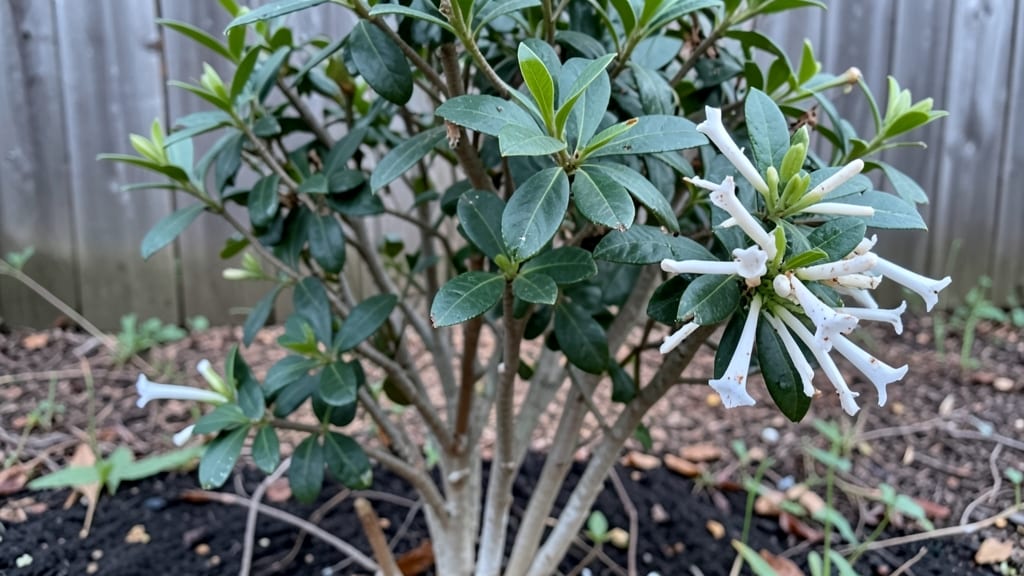
Night jasmine trees (Cestrum nocturnum) transform your garden into a moonlit perfume factory with their intoxicating nighttime blooms. ✨ I’ve pruned mine for years, and the secret to year-round flowers isn’t complicated—just three strategic cuts at the right times.
The first time I saw my tree covered in white blossoms at dusk, I knew I’d never prune the same way again.
Most gardeners overthink pruning, but night jasmine thrives on simple shaping and deadheading. You’ll need sharp pruning shears, a ladder (for taller trees), and about 20 minutes in early spring, midsummer, and late fall.
The key is cutting just above a leaf node to encourage bushier growth, and avoiding heavy pruning in winter when the tree is dormant.
After just one season of this method, you’ll have denser foliage and nonstop blooms from spring through frost. The fragrance alone—like sweet jasmine on a summer night—makes it worth the effort. Plus, the tree’s glossy leaves stay vibrant all year, adding texture to your landscape even when flowers fade.
Works in zones 9-11, but with winter protection (like wrapping the trunk), you can grow it in cooler climates too. Whether you’re shaping a small patio tree or training a tall specimen, these cuts keep it healthy and flowering. Let’s get started!
📚 In This Guide
- What you need
- Instructions
- Tips and common mistakes
- Wrapping up and next steps
What you need
- ● Pruning shears or secateurs: Sharp, bypass-style shears (2-3 pairs, depending on tree size). Look for bypass (not anvil) for cleaner cuts.
- ● Loppers: For thicker branches (1-2 pairs, 18-24" long). Choose ratcheting models for ease.
- ● Pruning saw: A folding pruning saw with a fine-tooth blade (1-2) for branches thicker than 2 inches.
- ● Gloves: Heavy-duty, cut-resistant gloves (1 pair) to protect against thorns and sap.
- ● Disinfectant: 70% isopropyl alcohol or a pruning sealant (small bottle) to prevent disease spread.
- ○ Extension pole: Optional but helpful for tall trees (1-2, 6-10 ft long).
- ● Bucket or bag: For collecting pruned branches (1-2 gallon-sized).
- ○ Marking twine or flags: (Optional but handy) to tag branches for removal.
- ● Safety glasses: To shield eyes from debris.
- ● Work boots: With ankle support for stability.
- ● Tree wound dressing: (Controversial but some swear by it!) For large cuts.
- ● Ladder: If your tree is over 10 ft tall (ensure it’s stable and rated for weight).
- ● Camera: To document your pruning progress (because night jasmine blooms are that stunning!).
Instructions: night jasmine tree pruning for continuous blooms
Here's the straightforward approach I use to keep my night jasmine blooming all season with just three focused cuts.
✂️ Step 1: Late Winter Cleanup Cut (Best Time: February)
Start by removing any dead, diseased, or crossing branches first—these compete with new growth and block airflow. I always work with clean, sharp pruners to make clean cuts just above a leaf node or outward-facing bud. This is your reset moment: you're shaping the tree's energy for the coming year.
Look for branches that grew in the wrong direction or rub against each other. These should go first. Night jasmine responds well to this aggressive early pruning because it naturally produces flowers on new wood. Don't worry about being too bold—this tree forgives mistakes better than most.
☀️ Step 2: Post-Bloom Light Pruning (Best Time: May-June)
After the spring flush of blooms fades, give your tree a second, lighter pruning to maintain shape and encourage more flowers. Focus on cutting back about one-third of the current season's growth from each branch. This stimulates fresh, flowering wood while keeping the tree compact.
I like to step back and look at the tree from all angles—this helps spot branches that grew too long or crowded the center. Night jasmine blooms best with good air circulation, so thin out any dense areas. The goal is to create an open, airy structure that lets sunlight reach all the branches.
✂️ Step 3: Summer Bloom Maintenance (Best Time: July-August)
This is your final pruning of the year, keeping the tree tidy and encouraging one last flush of blooms before fall. Remove any branches that grew leggy or produced sparse flowers. Cut back to just above a leaf node where you want new growth to emerge.
Pay special attention to branches that grew toward the center of the tree. These shade out lower branches and reduce overall flowering. Night jasmine produces flowers along the current year's growth, so these strategic cuts will give you blooms right up until frost if done properly.
🌿 Bonus: Year-Round Care Tips
Water deeply after each pruning session to help the tree recover. Night jasmine is drought-tolerant once established, but fresh cuts need moisture to heal properly. I always apply a balanced fertilizer after the late winter pruning to give the tree a nutrient boost for the growing season.
Here's the thing—night jasmine blooms on new wood, so don't hesitate to prune. The more you shape it, the more flowers you'll get. Just avoid heavy pruning after mid-summer, as this can reduce next year's blooms.
Tips & tricks for perfect night jasmine tree pruning
Keeping your night jasmine blooming all season comes down to timing and technique—here's how to make every cut count.
Tool Prep: Always use clean, sharp pruners before each pruning session. Dull blades tear branches instead of making clean cuts, which slows healing and invites disease. I keep a small bottle of rubbing alcohol handy to wipe down my tools between cuts—this prevents spreading any potential pathogens from one branch to another.
Visual Cues for Step 1: In February's cleanup, look for branches that grew inward or crossed others—these are your first targets. The ideal cut is just above a leaf node or outward-facing bud, creating a natural growth point for new blooming wood. Think of it like sculpting: you're shaping the tree's energy toward where you want it to grow.
Pruning Strategy: Night jasmine blooms on new wood, so don't be afraid to prune aggressively in Step 1. I often remove up to 30% of the tree's volume in February—this might seem drastic, but the tree rewards bold cuts with even more flowers. Just avoid cutting back into old wood where the blooms formed last season.
Seasonal Adjustments: In Step 2 (May-June), focus on thinning rather than cutting back. The goal is to create an open structure that lets sunlight reach all branches. I make a habit of stepping back every few cuts to check the overall shape—this prevents over-pruning and maintains that airy, flowering-friendly structure.
Pro Tips for Night Jasmine Tree
- Keeping your night jasmine blooming all season comes down to timing and technique—here's how to make every cut count.
- Tool Prep: Always use clean, sharp pruners before each pruning session.
- Visual Cues for Step 1: In February's cleanup, look for branches that grew inward or crossed others—these are your first targets.
Frequently asked questions
When is the best time to prune my night jasmine tree for maximum blooms?
The ideal time to prune is right after flowering (late spring to early summer). This encourages new growth and more blooms later in the season. Avoid heavy pruning in fall or winter, as the tree needs energy to recover before spring. Light shaping trims can happen anytime, but avoid cutting during frost or extreme heat.
Can I prune my night jasmine tree too much? What are the signs?
Yes! Over-pruning weakens the tree and reduces blooms. Watch for sparse foliage, fewer flowers, or leggy growth. If you’ve cut back more than 1/3 of the canopy in one session, you’ve likely gone too far. Night jasmine trees thrive with moderate, strategic cuts—focus on shaping and thinning, not aggressive trimming.
What should I do if my night jasmine tree isn’t blooming after pruning?
Check these first:
- Light: Ensure it gets full sun (6+ hours/day)—partial shade can reduce blooms.
- Water: Drought stress causes bud drop. Water deeply 1-2 times per week (adjust for climate).
- Fertilizer: A balanced, low-nitrogen fertilizer (like 10-10-10) in early spring boosts flowering.
- Age: Young trees (3-5 years) may need patience—blooms often peak at maturity.
Are there alternatives to night jasmine for fragrant evening blooms?
Try these low-maintenance, night-scented options:
Plant
Bloom Time
Care Level
Cestrum nocturnum (Night-Blooming Jasmine)
Summer–fall
Moderate (needs well-draining soil)
Gardenia (e.g., ‘Kleio’)
Spring–summer
Moderate (loves shade)
Ylang-Ylang Tree
Summer–fall
Moderate (tropical, frost-sensitive)
Sweet Osage Orange (Fraxinus)
Spring (highly fragrant)
Low (drought-tolerant)
How do I protect my night jasmine tree in winter?
Night jasmine (Cestrum nocturnum) is tender in cold climates (USDA zones 9-11). For winter prep:
- Mulch the base with 3–4 inches of organic mulch (straw or wood chips) to insulate roots.
- Wrap the trunk with burlap or frost cloth if temps drop below 25°F.
- Move potted trees indoors (garage or sunroom) or bury pots in the ground for insulation.
- Avoid pruning in late fall—wait until after the last frost to trim.
Wrapping up and next steps
The night jasmine tree rewards your care with stunning, fragrant blooms year-round—all with just three simple cuts! By mastering the art of pruning at the right time, you’ll encourage lush growth, better airflow, and a showstopping display of white, star-shaped flowers. 🌙✨
Ready to transform your garden? Grab your pruners and give it a try—your future blooms will thank you! For extra confidence, review the FAQs or sketch a quick pruning plan before you start.