
Pruning
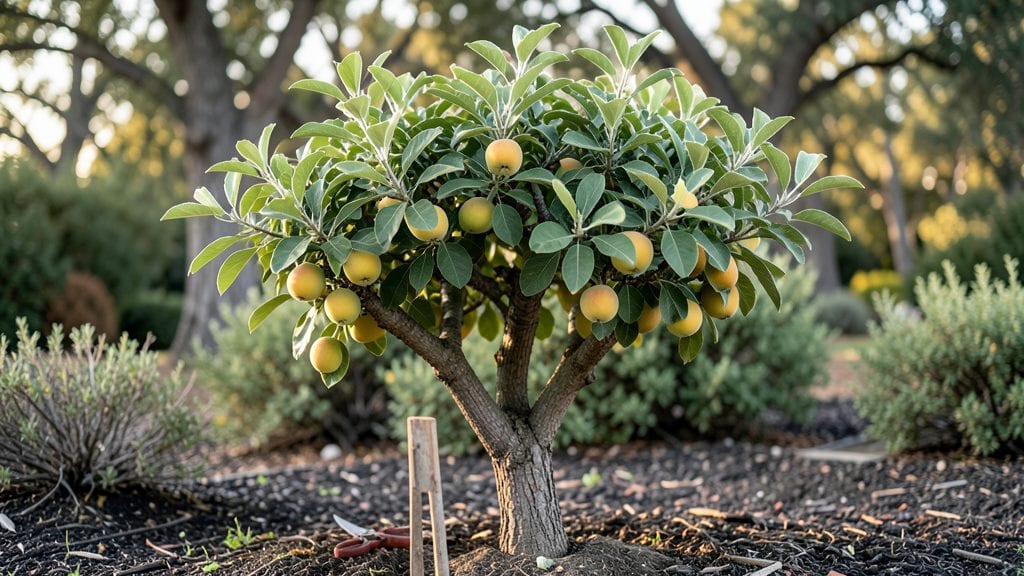
The nectarine Goldmine tree delivers sweet, juicy fruit even in the Pacific Northwest’s chilly climate—something I discovered after my first tree survived a 15°F winter without a scratch. That frost resistance alone makes it worth growing, but the real magic happens when hummingbirds flock to its blossoms every spring. 🌸
This variety thrives with minimal fuss: well-draining soil, 6+ hours of sunlight daily, and deep watering once a week once established. The trees grow compact (12-15 feet tall), so they fit perfectly in backyards or orchards without dominating the space.
My Goldmine produced 50+ pounds of fruit last summer, and the flavor? A perfect balance of honey and peach with just a hint of tartness.
Pruning is straightforward—focus on opening the center for airflow and removing dead wood in late winter. The tree handles pests like peach leaf curl with ease, and its dense canopy keeps fruit from splitting in heavy rains.
By mid-July, you’ll be harvesting fruit that’s sweeter than store-bought and packed with vitamin C.
Whether you’re a first-time fruit grower or expanding your orchard, this tree delivers reliable harvests, year-round pollinator support, and minimal maintenance. Here’s how to get started with planting, care, and pruning for a tree that truly lives up to its name.
📚 In This Guide
- What you need
- Instructions
- Tips and common mistakes
- Wrapping up and next steps
What you need
- ● Nectarine Tree: Choose a frost-resistant variety (e.g., 'Red Gold,' 'Fantasia,' or 'Summerbreeze') from a local nursery. 1 tree (2-3 years old for best results).
- ● High-quality potting soil: 50 lbs (mix with compost for better drainage).
- ● Organic mulch: 2-3 cubic feet (wood chips or straw to retain moisture).
- ● Slow-release fertilizer: 10-10-10 NPK ratio (follow package instructions for application).
- ● Pruning shears: Bypass-style, sharp, and sanitized (for clean cuts).
- ● Gloves: Heavy-duty work gloves to protect against thorns.
- ● Hand pruners: For smaller branches (1 pair).
- ● Loppers: For thicker branches (1 pair, 8-10 inch blades).
- ○ Saw: Pruning saw for large branches (optional, if needed).
- ● Hose or watering can: For post-pruning hydration.
- ○ Tree staking kit: Optional (if planting a young tree in windy areas).
- ● Sunlight: Full sun (6+ hours/day)—your tree’s happy place!
- ● Well-draining soil: pH 6.0-7.0 (test kit recommended).
- ● Spacious planting area: 15-20 feet in diameter (account for mature spread).
- ○ Hummingbird-friendly zone: Plant near shrubs or flowers to attract pollinators (optional but fun!).
Step-by-Step guide to planting and caring for a nectarine Goldmine tree
This cold-hardy nectarine thrives in the Pacific Northwest’s climate—here’s how to plant and nurture it for bountiful harvests.
🌱 Step 1: Choose the Perfect Planting Spot
Select a location with full sun exposure—at least 6-8 hours of direct sunlight daily. The Goldmine variety tolerates USDA Zones 5-9, making it ideal for the Pacific Northwest’s cooler winters. Avoid low spots where frost settles, as even this hardy tree needs good air circulation to prevent disease.
Test the soil pH—nectarines prefer slightly acidic to neutral soil (6.0-7.0). Amend heavy clay soil with 2-3 inches of compost mixed into the top 12 inches of soil to improve drainage. The tree’s roots need room to spread, so plant at least 15 feet away from structures or other trees to prevent root competition.
🪴 Step 2: Plant at the Right Time and Depth
Plant your bare-root nectarine tree in early spring, just as buds begin to swell but before new growth starts. Dig a hole twice as wide as the root ball but no deeper—this encourages roots to spread horizontally rather than settling too low. Loosen the roots gently if they’re circling or bound.
Position the tree so the graft union (visible bump where the rootstock meets the scion) sits 2-3 inches above soil level. Backfill with native soil mixed with 1 gallon of compost, tamping lightly to remove air pockets. Water deeply to settle the soil, then add a 2-inch layer of mulch (avoid wood chips near the trunk to prevent rot).
☀️ Step 3: Water Deeply and Establish a Routine
Water twice weekly for the first month, providing 10-15 gallons per tree each time. The soil should remain moist but not soggy—stick your finger 2 inches deep; if it feels dry, water again. After the first month, reduce to once weekly during dry spells, but increase if temperatures exceed 85°F. Deep watering encourages strong root growth.
Fertilize in early spring with a balanced 10-10-10 fertilizer, applying ½ pound per year of tree age (max 2 pounds). Avoid high-nitrogen fertilizers, which promote leafy growth at the expense of fruit. Prune dormant branches in late winter to remove dead wood and improve airflow, but wait until spring bloom to shape the tree.
⏰ Step 4: Protect from Late Frost and Pests
Cover blossoms with frost cloth if temperatures drop below 28°F after buds open—nectarines are sensitive to late frosts, which can ruin the crop. This tree is frost-resistant, but young fruit is vulnerable. Install a hummingbird feeder nearby to attract pollinators; these trees produce abundant, sweet nectarines but rely on bees and hummingbirds for cross-pollination.
Watch for aphids or peach leaf curl—common in Pacific Northwest orchards. Spray with neem oil at the first sign of curling leaves, and apply copper fungicide in late fall as a preventative. Prune out infected branches immediately to stop the spread. The Goldmine variety is disease-resistant, but vigilance ensures a healthy tree.
🌿 Step 5: Harvest and Maintain for Year-Round Beauty
Nectarines ripen late summer to early fall, typically 8-10 weeks after bloom. Pick when the fruit slips easily from the tree and has a sweet aroma at the stem. Harvest in morning hours when temperatures are coolest to preserve flavor. Store at room temperature for 3-5 days or refrigerate for up to 2 weeks.
After harvest, remove fallen fruit and debris to prevent pests. Apply a thin layer of compost around the drip line in early spring to replenish nutrients. This tree offers year-round interest: delicate spring blossoms, summer shade, and ornamental bark in winter. With proper care, it becomes a low-maintenance centerpiece for any Pacific Northwest garden.
Tips & tricks for perfect nectarine Goldmine tree care
These essential tips will help you nurture a thriving, productive nectarine tree that rewards you with bountiful harvests for years to come.
Sunlight Strategy: While the Goldmine variety handles Pacific Northwest conditions well, don't skimp on sunlight in Step 1. If your yard has partial shade, consider pruning nearby trees or planting on the southern exposure of your property. Remember, those 6-8 hours of direct sunlight are non-negotiable for optimal fruit production. Early morning sun is especially beneficial as it helps dry dew quickly, reducing fungal risks.
Rootball Preparation: Before planting in Step 2, soak the bare-root tree's roots in water for 1-2 hours to revive them. This simple step significantly improves transplant success. When loosening circling roots, be gentle—you're not trying to break them, just encourage outward growth. The goal is to create a natural root spread pattern that will support your tree for decades.
Watering Wisdom: The twice-weekly watering routine during the first month is crucial, but timing matters just as much as quantity. Water in the early morning to allow foliage to dry before evening, reducing disease risk. For the 10-15 gallons per watering, use a soaker hose or drip irrigation to deliver water directly to the root zone without wetting the leaves. This targeted approach prevents fungal issues while ensuring deep root penetration.
Frost Protection Pro Tip: When preparing for potential frost in Step 4, consider installing a small space heater near the tree on particularly chilly nights. The gentle warmth helps prevent temperature inversions that can damage blossoms. For extra protection, wrap the tree trunk with tree wrap in winter to prevent sunscald—a common issue in Pacific Northwest winters when days warm up but nights stay cold.
Pro Tips for Nectarine Goldmine Tree
- These essential tips will help you nurture a thriving, productive nectarine tree that rewards you with bountiful harvests for years to come.
- Sunlight Strategy: While the Goldmine variety handles Pacific Northwest conditions well, don't skimp on sunlight in Step 1.
- Rootball Preparation: Before planting in Step 2, soak the bare-root tree's roots in water for 1-2 hours to revive them.
Frequently asked questions
about growing and maintaining your Nectarine Goldmine Tree—because every gardener deserves clarity! Here are answers to the most common queries to help you nurture this frost-resistant, hummingbird-loving superstar.How cold can a Nectarine Goldmine Tree handle?
The Nectarine Goldmine Tree is a USDA Zone 5-9 champion, meaning it can survive down to -20°F (-29°C)! However, young trees (under 3 years) may need winter protection like mulch or burlap wraps. Once established, it thrives in the Pacific Northwest’s chilly winters and hot summers—no fuss!
When is the best time to prune for maximum fruit production?
Prune your tree twice a year for optimal results:
- Late winter/early spring (Feb–March): Remove dead/diseased wood and shape the tree before buds swell. This boosts airflow and sunlight for fruit.
- Summer (June–July): Lightly trim to encourage branching and improve fruit size. Avoid heavy pruning now—it can stress the tree.
Why aren’t hummingbirds visiting my tree?
Hummingbirds love the Nectarine Goldmine Tree’s abundant nectar-rich flowers, but if they’re MIA, check these fixes:
- Ensure the tree is fully bloomed (spring is peak time!).
- Add a hummingbird feeder nearby with a 4:1 sugar-water ratio.
- Plant native companion flowers (like penstemon or salvia) to attract them.
- Keep cats indoors—hummingbirds are skittish!
Can I grow Nectarine Goldmine Trees in containers?
Yes! While they prefer the ground, young trees can thrive in large containers (20+ gallons) with these tweaks:
- Use well-draining soil mixed with compost.
- Place in full sun and move containers indoors (or to a garage) when temps drop below 20°F (-7°C).
- Water deeply 2–3x/week (containers dry out faster!).
What do I do if my tree’s leaves turn yellow?
Yellow leaves usually signal overwatering, nutrient deficiency, or disease. Troubleshoot with this table:
| Issue | Signs | Fix |
|---|---|---|
| Overwatering | Yellowing bottom leaves, soggy soil | Let soil dry between waterings; improve drainage. |
| Nitrogen deficiency | Pale yellow leaves, stunted growth | Apply balanced fertilizer (10-10-10) in spring. |
| Fungal disease (e.g., leaf spot) | Yellow spots with dark edges, defoliation | Prune infected leaves; spray copper fungicide. |
If unsure, send a photo to a local extension office for a diagnosis!
Wrapping up and next steps
Growing a nectarine goldmine tree in the Pacific Northwest isn’t just about adding beauty to your yard—it’s about creating a thriving ecosystem that rewards you with delicious fruit and buzzing hummingbirds year-round! 🌿 With the right pruning techniques, frost-resistant varieties, and a little patience, you’ll unlock a bountiful harvest and a garden that feels alive with activity.
Ready to take the next step?
🌱 Your Next Move: Plant & Prune!
Start by selecting your goldmine nectarine variety, gather your tools, and give your tree the love it deserves. Check out our pruning guide for seasonal tips, or dive deeper into hummingbird-friendly gardening to maximize your tree’s magic.
The best time to plant is now—your future self (and those tiny feathered visitors!) will thank you.