
Pruning
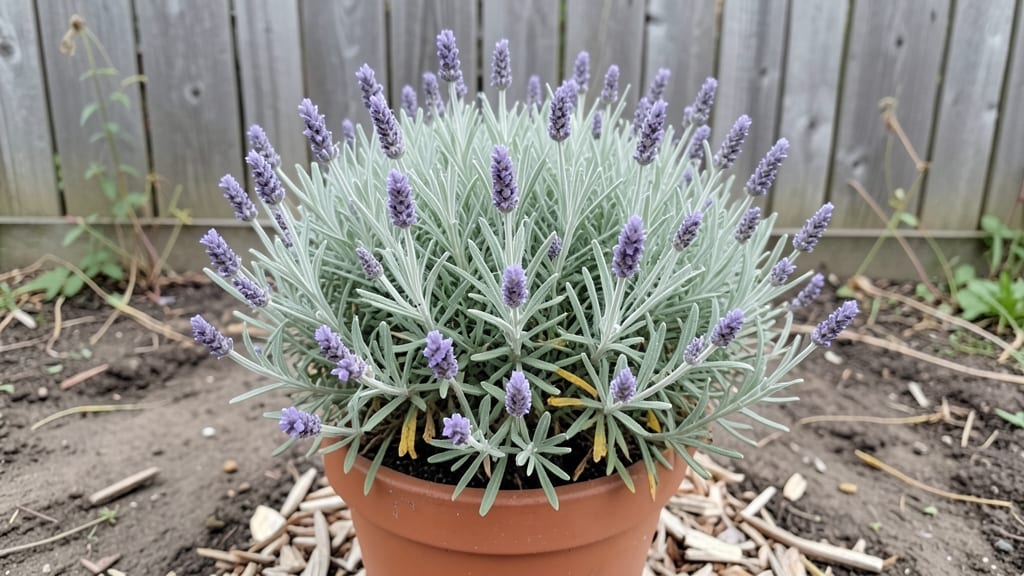
Growing a miniature lavender tree in the Pacific Northwest means year-round fragrance that smells like a Provençal summer—even when your neighbors' gardens are gray and damp. 🌿 The secret isn’t just choosing the right variety (like 'Little Lady' or 'Munstead') but learning when to prune to keep it compact, bushy, and thriving through our wet winters.
These tiny trees need full sun—at least 6 hours daily—and well-draining soil that mimics their Mediterranean roots. Too much moisture? Root rot sets in fast.
My first one nearly died in the rainy season until I swapped heavy garden soil for a mix of 50% sandy loam, 30% perlite, and 20% compost. Watering once a week, even in winter, keeps the roots happy without drowning them.
Pruning transforms a leggy mess into a neat, fragrant hedge. Cut back by one-third right after flowering (late spring) to encourage dense growth, and do a light trim in early fall to shape it before winter.
The result? A perfumed shrub that stays lush year-round, even when frost nips at the edges.
Bonus: These dwarf varieties fit containers as small as 12 inches wide, making them perfect for patios, windowsills, or even indoor growing with bright light.
Whether you’re using them for sachets, culinary lavender, or just breathing in that calming scent, they’re the PNW’s best-kept secret for fragrance without the fuss.
📚 In This Guide
- What you need
- Instructions
- Tips and common mistakes
- Wrapping up and next steps
What you need
- ● Miniature lavender plant: Dwarf varieties like Lavandula angustifolia 'Hidcote' or 'Munstead' (3–6 inches tall at maturity).
- ● Well-draining potting mix: 1 part cactus/succulent soil + 1 part perlite (1–2 gallons, depending on pot size).
- ● Containers: 1–2 terracotta or fabric pots (6–10 inches in diameter) with drainage holes.
- ● Pruning shears: Sharp, bypass-style shears (sterilized with rubbing alcohol).
- ● Gloves: Gardening gloves to protect against sap and thorns.
- ● Watering can: With a fine rose attachment (avoid overhead watering).
- ● Slow-release fertilizer: Balanced 10-10-10 or organic option (1 tbsp per plant, 2x/year).
- ● Pruning paste: To seal cuts and prevent disease (small jar).
- ● Grow lights: LED full-spectrum bulb (for indoor winter care).
- ● Mulch: Gravel or decorative stones (to retain moisture and deter weeds).
- ● Humidity tray: For indoor plants (if growing in dry PNW winters).
- ● Notebook: To track pruning dates and plant growth (for PNW-specific adjustments).
Step-by-Step guide to pruning your miniature lavender tree
Here's how I keep my lavender compact, fragrant, and thriving in the Pacific Northwest's damp climate.
✂️ Step 1: Time Your Pruning for Optimal Growth
Prune your miniature lavender tree immediately after flowering—typically in late spring—when the blooms have faded but before new growth hardens. This timing preserves next year's buds while shaping the plant. I avoid pruning in fall or winter, as lavender needs dormancy to recover, especially in our cooler climate where buds can struggle to set properly.
Look for spent flower spikes turning brown—this is your cue. If you prune too early, you risk sacrificing next season's blooms. Too late, and the plant directs energy toward seed production instead of maintaining its compact form. Use sharp, clean pruners to avoid crushing stems, which can invite fungal infections in our region's humid summers.
🌿 Step 2: Shape the Tree with Precision Cuts
Start by removing any dead or woody stems at the base, cutting just above a leaf node where new growth can emerge. For shaping, focus on the outer growth—never cut into the center, as lavender hates being sheared like a hedge. I trim back about one-third of the current season's growth, which encourages bushier, denser foliage while maintaining that classic tree silhouette.
Use your fingers to gently spread the branches outward, creating an open center that allows air circulation—a must in our damp climate. This prevents fungal issues and keeps the fragrance strong. For a more formal look, trim the top slightly to maintain height, but avoid reducing the canopy by more than 20% in a single session to prevent stress.
💧 Step 3: Post-Pruning Care for Pacific Northwest Conditions
After pruning, water deeply at the base—1-2 gallons per plant—to help the tree recover, especially if our region's dry summer heat follows. Avoid overhead watering, which can promote fungal diseases. I mulch lightly with 2-3 inches of gravel or coarse sand around the base to improve drainage, as lavender roots rot easily in soggy soil.
Monitor the plant closely for the first 2-3 weeks for signs of stress, like yellowing leaves or wilting. If you notice new growth slowing, apply a balanced, low-nitrogen fertilizer (like 10-10-10) to support recovery. In the PNW, where summers can be unpredictable, I often give my lavender a second, lighter pruning in early fall to tidy up any leggy growth before winter.
☀️ Step 4: Maintain Year-Round Fragrance with Strategic Trimming
Throughout the year, remove any stray shoots or branches that disrupt the tree's shape. In late summer, if your lavender develops soft, new growth that hasn't hardened off, trim it back to encourage woody, fragrant stems. I also pinch back the tips of new shoots in early summer to promote branching—this is key for keeping the tree dense and aromatic.
Watch for signs of over-pruning, like bare stems or stunted growth. If this happens, reduce your pruning intensity next season. In the PNW, where lavender can struggle with our cooler, wetter winters, I avoid heavy pruning in fall. Instead, I focus on removing only the most unsightly growth and protecting the plant with a light burlap wrap if frost is forecasted.
Tips & tricks for pruning your miniature lavender tree
These insider tips will help you maintain a thriving, fragrant lavender tree that thrives in our Pacific Northwest climate.
Timing is Everything: In Step 1, when you're pruning immediately after flowering, I recommend marking your calendar for late May to early June—this aligns perfectly with our region's usual bloom cycle. The key is to prune when those spent flower spikes turn brown but before the new growth hardens off. This timing ensures you're not sacrificing next year's buds while still maintaining that compact shape. If you miss this window, you'll either be pruning too early (sacrificing blooms) or too late (encouraging seed production).
Precision Cutting Technique: For Step 2's shaping, I've found that using a sharp, clean pair of pruners makes all the difference. Always cut just above a leaf node where new growth can emerge—this is where the plant's energy will focus. When trimming back one-third of the current season's growth, I like to work in sections, stepping back every few cuts to visualize the shape. This helps me avoid that "hedge" look lavender hates and maintain that natural, tree-like silhouette. Remember, the open center is crucial for air circulation in our damp climate.
Pacific Northwest-Specific Care: After your pruning in Step 3, the 1-2 gallons of water should be applied slowly at the base to avoid runoff. I've learned the hard way that overhead watering in our humid summers can lead to fungal issues. For the mulch, I prefer gravel or coarse sand—it improves drainage while keeping the roots cool. During those first 2-3 weeks of recovery, I keep a close eye out for yellowing leaves, which can signal stress from our unpredictable summers. A light application of 10-10-10 fertilizer during this time gives the plant a gentle boost without overstimulating new growth.
Year-Round Maintenance Strategy: Throughout the year, I've developed a simple routine: remove any stray shoots immediately when I notice them, and in early summer, I give the new shoots a quick pinch back to encourage branching. This early summer pinching is what keeps my lavender dense and aromatic year-round. In late summer, if I see soft new growth that hasn't hardened off, I trim it back to encourage those fragrant, woody stems we all love. And here's a pro tip for our PNW winters: I keep a few burlap wraps on hand to protect against unexpected frosts—it's saved my lavender more times than I can count.
Pro Tips for Miniature Lavender Tree
- These insider tips will help you maintain a thriving, fragrant lavender tree that thrives in our Pacific Northwest climate.
- Timing is Everything: In Step 1, when you're pruning immediately after flowering, I recommend marking your calendar for late May to early June—this aligns perfectly with our region's usual bloom cycle.
- Precision Cutting Technique: For Step 2's shaping, I've found that using a sharp, clean pair of pruners makes all the difference.
Frequently asked questions
Got questions about keeping your miniature lavender tree thriving in the Pacific Northwest? You’re not alone! Here are answers to the most common queries from gardeners just like you.
How often should I prune my miniature lavender tree?
Prune your miniature lavender tree once a year—ideally in late winter or early spring (February–March) before new growth begins. Avoid heavy pruning in fall, as it can stress the plant before winter. For PNW’s mild winters, a light trim in late summer (after flowering) can also encourage bushiness.
Can miniature lavender survive PNW winters?
Yes! Most miniature lavender varieties (like Lavandula angustifolia ‘Hidcote’) tolerate USDA Zones 5–9 when planted in well-draining soil and sheltered from harsh winds. In colder microclimates (e.g., Zone 5), mulch the base with gravel or bark to prevent rot. Avoid soggy soil—lavender hates wet feet!
What if my lavender turns brown or leggy?
Brown tips? Overwatering or underwatering are usually culprits. Let soil dry completely between waterings. Leggy growth? It’s thirsty for sunlight! Move it to a south-facing spot with 6+ hours of sun. If pruned too late in the season, new growth may struggle—stick to the early spring rule.
Can I grow lavender indoors for year-round fragrance?
Place your miniature lavender in a sunny windowsill (south or west exposure) and use a well-draining pot with cactus/succulent mix. Reduce watering in winter (when growth slows) and prune lightly to maintain shape. Just remember: No humidity-loving plants nearby—lavender despises damp air!
What’s a good alternative if lavender struggles in my yard?
If your soil is too acidic or heavy, try dwarf rosemary (fragrant, drought-tolerant) or Santolina (‘Lemon Pepper’). For a lavender-like look, hebe shrubs thrive in PNW’s climate and offer silvery foliage. All three love full sun and poor soil—just like lavender!
Wrapping up and next steps
Transforming your miniature lavender tree into a fragrant, year-round beauty is totally within reach with the right pruning techniques! By mastering the Pacific Northwest’s seasonal secrets—like light shaping in early spring and deadheading in late summer—you’ll keep your plant lush, healthy, and bursting with that iconic lavender scent. 🌿✨
Ready to take the next step? Grab your pruners, schedule a quick maintenance session, and watch your little lavender tree thrive. Your garden (and nose) will thank you!