
Pruning
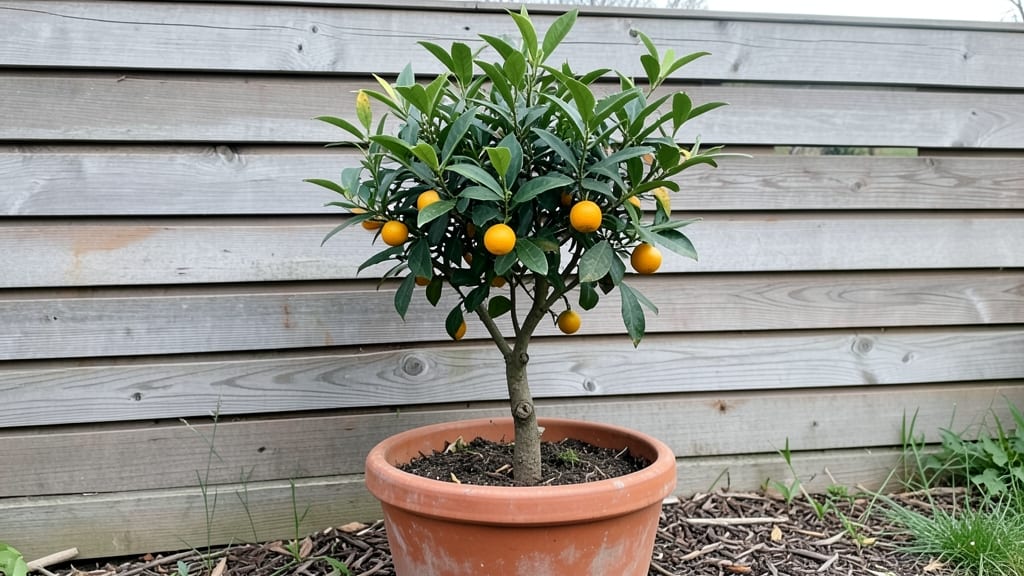
Growing a mini tangerine tree that thrives in the Pacific Northwest’s chilly winters is the citrus dream I never knew I needed—until I tried it. 🌱 These compact trees aren’t just cute; they produce sweet, juicy fruit even when temperatures dip below freezing.
The secret lies in choosing the right variety and giving it the cozy care it craves indoors during harsh months.
You’ll need a 4-6 gallon pot for young trees, well-draining soil with a mix of sand or perlite, and a sunny spot that gets at least 6 hours of light daily. Water when the top inch of soil feels dry, but avoid soggy roots—they’re the enemy of frost-resistant citrus.
Pruning in late winter keeps the tree compact and encourages better fruit set, while a grow light bridges the gap when winter sun fades.
By summer, you’ll be harvesting tiny, fragrant tangerines that burst with flavor—3-4 times a year if you keep the tree happy. The key is patience: it takes 2-3 years for a young tree to bear fruit, but once it does, the harvest keeps coming.
Even in Zone 7’s mild winters, a little extra care means you’ll enjoy homegrown citrus while others are stuck with store-bought lemons.
Whether you’re growing on a patio, balcony, or indoors near a sunny window, these trees adapt beautifully. The real magic happens when you combine proper pruning, seasonal adjustments, and a little frost protection—like wrapping the pot in bubble wrap for winter.
Ready to turn your space into a mini orchard?
📚 In This Guide
- What you need
- Instructions
- Tips and common mistakes
- Wrapping up and next steps
What you need
- ● Mini tangerine tree sapling: Dwarf variety (e.g., Citrus reticulata ‘Calamondin’ or ‘Improved Meyer’). Choose a 1-3 gallon container-grown plant for easier transplanting.
- ● Well-draining potting mix: 50% high-quality citrus soil blend + 50% perlite/pumice (e.g., Fox Farm Ocean Forest or Miracle-Gro Citrus Mix). Pro tip: 💡 Avoid garden soil—it compacts and suffocates roots!
- ○ Container: 15–25 gallon pot (minimum 18" diameter) with drainage holes. Optional: Self-watering planter for consistency.
- ● Frost protection: Burlap or frost cloth (10’ x 15’ sheet for wrapping).
- ● Grow lights (LED full-spectrum, 12–16 hours/day) for indoor overwintering.
- ○ Insulated grow tent (optional, for extreme cold snaps).
- ● Pruning shears: Bypass pruners (sharp, 5–6" blades) for clean cuts.
- ○ Grafting tools: (Optional) Grafting knife + grafting tape if propagating from cuttings.
- ● pH test kit: To monitor soil acidity (ideal: 6.0–7.0).
- ● Spray bottle: For misting leaves (humidity lover!).
- ● Gloves: Heavy-duty for handling thorns.
- ● Indoor space: Sunny window (south-facing) or grow light setup for winter.
- ● Watering system: Drip irrigation or self-watering pot to prevent root rot.
- ● Fertilizer: Slow-release citrus fertilizer (e.g., Espoma Citrus-Tone) or liquid feed (20-20-20, diluted).
- ● Patience: Mini trees take 2–3 years to bear fruit, but frost-resistant varieties like ‘Improved Meyer’ handle PNW winters better than standard tangerines!
Step-by-Step instructions for growing a mini tangerine tree indoors
Here's how to coax sweet fruit from your tiny citrus tree—even in chilly Pacific Northwest winters.
🌱 Step 1: Select and Prepare Your Tree
Choose a dwarf Meyer lemon or Calamondin variety—both handle indoor conditions better than true tangerines. I always pick a 1-2 gallon potted tree from a nursery with firm, green leaves and no visible pests. Remove the tree from its plastic pot and gently loosen the root ball with your fingers before repotting.
Inspect the roots for any brown or mushy sections—these indicate rot. If you find them, trim away the damaged parts with clean pruners. The goal is to keep a healthy root system while avoiding shock. Place the tree in its new 12-15 inch diameter pot with fresh well-draining citrus potting mix (never regular garden soil).
☀️ Step 2: Position for Maximum Light
Mini tangerine trees need 6-8 hours of bright, indirect light daily—a south-facing window is ideal. If your home lacks natural light, supplement with a full-spectrum LED grow light placed 6-12 inches above the tree for 12-14 hours per day. You'll know your tree is getting enough light when the leaves stay deep green and the stems grow upright.
Rotate the pot a quarter turn weekly so the tree grows evenly. Watch for leaves that turn yellow or drop—this usually means the light is too weak. In winter, when days shorten, extend light exposure to prevent leaf loss. A simple timer on your grow light keeps things consistent.
💧 Step 3: Water and Fertilize Properly
Water when the top 1-2 inches of soil feel dry to the touch. Stick your finger in the soil—if it's damp below your first knuckle, wait another day. Overwatering is the #1 killer of citrus trees, so always use a pot with drainage holes. I pour water until it runs freely from the bottom, then dump out any excess that collects in the saucer.
Feed your tree with a balanced citrus fertilizer (10-10-10 or 8-3-9) every 4-6 weeks during spring and summer. Cut back to once every 8-10 weeks in fall and winter. You'll see new growth and blooms as a sign the fertilizer is working. If leaves yellow between veins, that's a classic sign of over-fertilizing—flush the soil with water immediately.
✂️ Step 4: Prune for Shape and Fruit Production
Prune in late winter or early spring before new growth begins. Remove any dead, diseased, or crossing branches first—these compete with healthy growth. Then shape the tree by cutting back overly long branches to encourage bushier growth. I aim for a rounded shape with branches spaced 4-6 inches apart.
Never cut more than 1/3 of the tree's foliage at once. You'll see fresh, green shoots emerge within 2-3 weeks—this is your signal that pruning worked. If you notice small white flowers forming, that's great! Just don't remove them unless they're in awkward positions. Each flower has the potential to become a tiny, sweet tangerine.
⏰ Step 5: Protect from Cold and Encourage Fruit
Keep your mini tangerine tree away from drafts, heaters, and cold windows—temperature swings stress the plant. Ideal indoor temps are 65-75°F during the day and 55-60°F at night. If your home gets below 50°F, move the tree to a warmer spot or use a space heater on low to maintain consistent warmth.
To encourage fruit, hand-pollinate flowers with a small paintbrush. Gently brush the stamens of one flower onto the pistil of another. You'll know pollination worked when the flowers drop and tiny green fruit begin forming. Harvest when the fruit turns deep orange and feels slightly soft to the touch—usually 3-5 months after flowering.
Tips & tricks for perfect mini tangerine tree growth
A few simple tricks will help your dwarf tangerine tree thrive—especially in our Pacific Northwest climate.
Lighting Strategy: In Step 2, when positioning your tree, remember that 6-8 hours of bright light is non-negotiable. If you notice leaves stretching toward the light or turning pale yellow, you're not getting enough. I've found that placing my grow light just 6 inches above the tree's tallest point gives perfect coverage—closer than the 12-inch recommendation if your space is tight.
Root Health Check: During Step 1, when inspecting roots, look for white, firm roots with small hair-like extensions. These are healthy! Brown or black roots mean rot—trim those immediately with clean scissors. A quick soak in room-temperature water for 10 minutes before repotting can help revive slightly damaged roots.
Fertilizer Timing: The 4-6 week feeding schedule in Step 3 works because citrus trees grow actively during warm months. I've learned the hard way that fertilizing in winter (when the tree is dormant) causes leaf burn. Always check the soil—if it smells musty or feels soggy, flush with water before adding fertilizer.
Pruning Precision: When shaping your tree in Step 4, focus on creating an open center that allows light to reach all branches. I use my fingers to gently bend branches into position rather than cutting—this encourages natural growth. For stubborn branches, make cuts just above a leaf node (the bump where leaves attach) to promote new growth.
Pro Tips for Mini Tangerine Tree
- A few simple tricks will help your dwarf tangerine tree thrive—especially in our Pacific Northwest climate.
- Lighting Strategy: In Step 2, when positioning your tree, remember that 6-8 hours of bright light is non-negotiable.
- Root Health Check: During Step 1, when inspecting roots, look for white, firm roots with small hair-like extensions.
Frequently asked questions
Got questions about growing your own mini tangerine tree? You're not alone!
Here are answers to the most common queries—from frost-tolerant care to harvest timing—to help you cultivate a thriving citrus tree in the Pacific Northwest.
Can a mini tangerine tree survive PNW winters?
Yes! These compact varieties (like 'Calamondin' or 'Improved Meyer') are bred for resilience. With proper care—potted plants moved indoors when temps drop below 25°F or mulching outdoor trees—you can protect them from frost. Pro tip: Group containers together for extra warmth!
How long does it take for a mini tangerine tree to bear fruit?
Patience is key! Most dwarf varieties produce first fruit 2–3 years after planting when given full sun (6+ hours daily) and consistent watering. Bonus: Prune regularly to encourage branching and fruit set.
What’s the best way to harvest mini tangerines?
Harvest when fruit is fully colored but still slightly firm—usually late fall to early winter. Gently twist or snip stems (use clean pruners) to avoid damaging the tree. Storage tip: Keep at room temp for 1–2 weeks or refrigerate for longer shelf life.
Can I grow a mini tangerine tree indoors year-round?
Place near a south-facing window or supplement with grow lights (12–14 hours/day). Ensure good airflow to prevent pests, and fertilize monthly in spring/summer. Watch out: Overwatering is the #1 killer—let soil dry slightly between waterings.
What if my mini tangerine tree’s leaves turn yellow?
Yellow leaves often signal overwatering, nutrient deficiency, or pests. Check soil moisture (top inch should be dry) and inspect undersides for spider mites. Fix it: Adjust watering, repot with fresh citrus soil, or spray with neem oil if pests are present.
Still stumped? Drop your question below—we’re happy to help your mini tangerine tree thrive!
Wrapping up and next steps
Growing a mini tangerine tree in your Pacific Northwest garden isn’t just rewarding—it’s a burst of sunshine year-round! 🌞 With the right frost-resistant variety, proper pruning, and a little care, you’ll enjoy sweet, homegrown fruit even in cooler climates.
Whether you’re a seasoned gardener or a beginner, this citrus adventure is well within reach.
Ready to take the next step? Start by selecting your tree, gathering supplies, and planning your pruning schedule. Before you know it, your kitchen counter will be adorned with your own vibrant tangerines—proof that great things grow with patience and passion! 🍊✨