
Trees
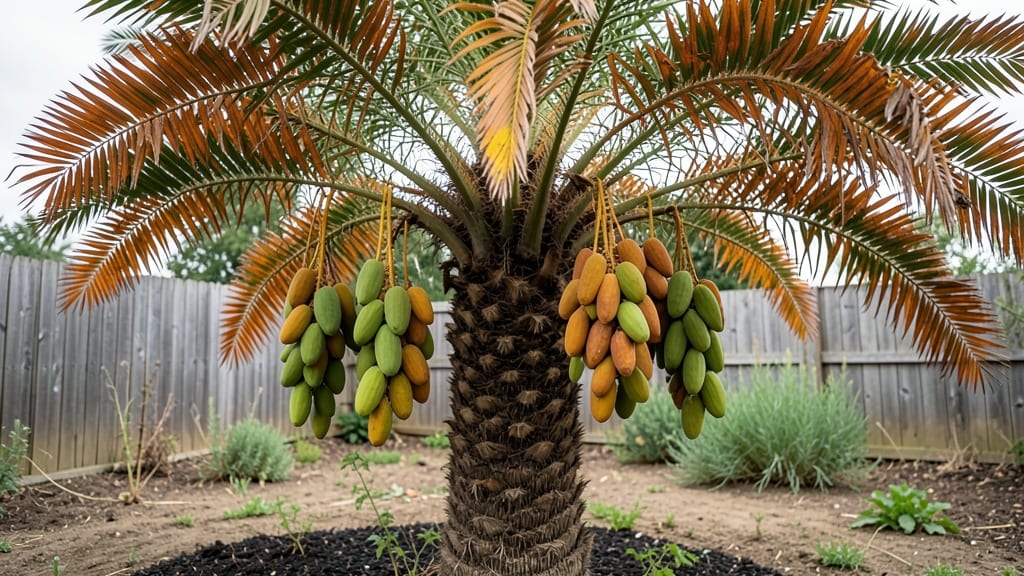
Growing Medjool palm trees from seed to fruit-bearing height is a patient gardener’s dream—but the reward is worth every year. These aren’t your average palms; their sweet, honey-like dates make the wait exciting.
I planted mine in a warm microclimate, and after five years, I finally tasted the first ripe fruit. The key? Mimicking their North African desert roots while adapting to your local conditions.
You’ll need well-draining soil, full sun exposure (at least 6-8 hours daily), and protection from frost—Medjools thrive in USDA zones 9-11 but can be grown in containers in cooler climates.
Start with a young palm (not seed) for faster results, and choose a spot where it can grow 20-30 feet tall without obstructions. Water deeply but infrequently once established; overwatering is their biggest enemy.
By year three, you’ll see dramatic growth—leathery fronds unfurling like nature’s own fan—and by year five, those first golden dates will appear. Prune dead fronds in late winter, watch for spider mites (their nemesis), and fertilize lightly in spring.
The payoff? A palm that’s as ornamental as it is productive, turning your yard into a taste of the Sahara.
Container growers can keep them smaller with regular pruning, while in-ground palms reward you with generous harvests once mature. Whether you’re in a warm climate or a sunny patio, this guide makes it possible. Let’s get those sweet rewards growing!
📚 In This Guide
- What you need
- Instructions
- Tips and common mistakes
- Wrapping up and next steps
What you need
- ● Medjool palm seeds or saplings: 1–3 (purchased from a reputable nursery or online supplier). Pro tip: 🌡️ Germination rates improve with fresh seeds—opt for seeds less than 6 months old!
- ○ Large containers or pots: 2–3 (15–20 gallons each, with drainage holes). Optional: Fabric grow bags for better root aeration.
- ● High-quality potting mix: 1–2 bags (well-draining, palm-specific mix or a blend of peat moss, perlite, and sand).
- ● Slow-release fertilizer: 1 (balanced, 10-10-10 or palm-specific formula).
- ● Watering can or hose with a gentle spray nozzle: 1 (for consistent moisture control).
- ● Grow lights or sunny outdoor space: 1 (if indoors, a full-spectrum LED grow light is ideal).
- ● Pruning shears: 1 (for trimming dead fronds or overgrowth).
- ● Thermometer/hygrometer: 1 (to monitor temperature and humidity, especially in early stages).
- ● Seed germination kit: 1 (includes heat mat and humidity dome for faster sprouting).
- ● Mulch (pine bark or coconut coir): 1 bag (to retain moisture and regulate soil temperature).
- ● Epsom salt (magnesium sulfate): Small bottle (for occasional foliar sprays to boost growth).
- ● Automatic drip irrigation system: 1 (for larger setups or outdoor planting).
- ● Support stakes or trellis: 1–2 (as the palm grows taller, it may need light support).
- ● Outdoor planting area: 1 (if transitioning from pots to ground, ensure full sun and well-draining soil).
How to grow Medjool palm trees from seed to fruit-bearing plant
Here's the long-term strategy I've used to grow Medjool palms successfully in warm climates.
Select and Prepare the Seed
Medjool palm seeds are large and contain a hard outer shell that requires scarification to encourage germination. Start by soaking the seed in warm water for 24 hours—this softens the outer coating and kickstarts the internal germination process. After soaking, use a sharp knife to carefully score the seed's hard shell in two to three places without piercing the inner seed. This creates small openings that allow moisture to penetrate.
Place the scarified seed in a seed germination tray filled with sterile potting mix (not garden soil) mixed with 50% perlite for drainage. The mix should be moist but not soggy—think of a wrung-out sponge. Plant the seed 1 inch deep, with the scored side facing downward. This orientation helps water reach the seed's vulnerable areas during germination.
Create Ideal Germination Conditions
Medjool palm seeds thrive in warm, humid conditions—aim for a consistent 80-85°F environment. A seedling heat mat placed under the tray ensures stable warmth without temperature fluctuations. Cover the tray with a clear plastic dome to retain humidity, but prop it slightly open to prevent mold. Check the soil daily—it should remain evenly moist but never waterlogged.
Germination can take 3-6 months, so patience is key. You'll know it's working when a small sprout emerges from the soil. Once the seedling reaches 3-4 inches tall, remove the dome gradually over 5-7 days to acclimate it to normal humidity. This slow transition prevents shock and encourages strong root development.
Transplant to a Larger Container
When the seedling develops 4-5 true leaves (not just the initial cotyledons), it's ready for its first transplant. Choose a 10-inch diameter pot with drainage holes and fill it with a mix of 60% potting soil, 20% perlite, and 20% compost. This blend provides the airy, well-draining environment Medjool palms need to thrive.
Gently remove the seedling from its germination tray, taking care not to damage the delicate roots. Place it in the center of the new pot and fill around it with soil, pressing lightly to secure it. Water thoroughly until water drains from the bottom, then allow the top inch of soil to dry before watering again. Place the pot in bright, indirect light—direct sun at this stage can scorch young leaves.
Gradually Acclimate to Outdoor Conditions
After 6-8 weeks in the larger container, your Medjool palm is ready for outdoor exposure. Start by placing it in a sheltered, shaded spot for 2-3 hours daily, gradually increasing its time outside over 2-3 weeks. This process, called hardening off, prepares the plant for full sun and wind.
Once the seedling tolerates full sun for 6+ hours daily, it can stay outside permanently. Choose a location with well-draining soil and protection from strong winds, as young palms are fragile. Water deeply once a week during dry spells, ensuring the soil remains moist but not waterlogged. Fertilize lightly with a balanced palm fertilizer every 2 months to support steady growth.
Maintain for Fruit Production
Medjool palms typically take 5-7 years to bear fruit, but consistent care accelerates maturity. As the plant grows, repot it every 2-3 years into a container 2-3 inches larger than the previous one. Use the same soil mix to maintain drainage and fertility. Prune only to remove dead or yellowing fronds—never trim healthy leaves, as they fuel the plant's growth.
In colder climates, bring potted Medjool palms indoors before temperatures drop below 40°F. Place them near a south-facing window or under grow lights to maintain 12+ hours of light daily. Reduce watering in winter, allowing the top 2 inches of soil to dry between waterings. With patience and proper care, your palm will eventually reward you with sweet, golden Medjool dates.
Tips & tricks for growing Medjool palm trees
Growing Medjool palms from seed is a rewarding but delicate process—these insider tips will help you avoid common pitfalls and maximize your chances of success.
Seed Preparation Precision: When scoring the seed's hard shell in Step 1, aim for two to three shallow cuts that don't penetrate the inner seed. I've found using a sharp utility knife works best—deeper cuts risk damaging the embryo inside. After scoring, rinse the seed gently to remove any debris from the cuts before planting. This careful preparation ensures proper moisture penetration without compromising the seed's integrity.
Germination Environment Secrets: The 80-85°F temperature range in Step 2 is critical, but consistency matters more than exact degrees. I recommend using a digital thermometer to monitor the heat mat's temperature—fluctuations can stall germination. For humidity, mist the dome occasionally if condensation isn't visible on the inside. Too much moisture creates mold; too little slows growth. The gradual dome removal over 5-7 days prevents transplant shock by letting the seedling adjust to normal humidity levels.
Transplant Timing Insight: Waiting for 4-5 true leaves before transplanting in Step 3 ensures the seedling has developed a strong enough root system to handle the move. I've noticed that seedlings with fewer leaves often struggle to establish in their new pot. When repotting, gently squeeze the sides of the old container to encourage the root ball to release—this minimizes root damage during the transfer. The 10-inch pot provides enough space for initial growth without being so large that the soil stays too moist.
Hardening Off Strategy: The 2-3 hour daily outdoor exposure in Step 4 should start in morning sunlight when temperatures are mildest. I gradually increase exposure by 30 minutes every 2-3 days rather than the suggested weekly increments—this faster acclimation works well in stable climates. Watch for leaf curling or browning as signs the seedling isn't ready for more sun. The goal is to build resilience without causing stress that could set back growth.
Pro Tips for Medjool Palm Trees
- Growing Medjool palms from seed is a rewarding but delicate process—these insider tips will help you avoid common pitfalls and maximize your chances of success.
- Seed Preparation Precision: When scoring the seed's hard shell in Step 1, aim for two to three shallow cuts that don't penetrate the inner seed.
- Germination Environment Secrets: The 80-85°F temperature range in Step 2 is critical, but consistency matters more than exact degrees.
Frequently asked questions
Got questions about growing Medjool palm trees? You’re not alone—these sweet, exotic fruits take patience and care! Here are answers to the most common queries to help you grow a thriving palm and enjoy that first harvest.
How long does it take for a Medjool palm tree to bear fruit?
A Medjool palm tree typically takes 5–10 years to produce fruit from seed, but grafted trees can bear fruit in as little as 3–5 years. Patience is key—consistent care (like proper sunlight, water, and soil) speeds up the process!
What’s the best climate for growing Medjool palm trees?
Medjool palms thrive in USDA Zones 9–11 with warm, frost-free climates. They tolerate heat well but cannot handle freezing temps (below 20°F). In cooler zones, grow them in containers and bring them indoors during winter.
How much does a Medjool palm tree cost, and where can I buy one?
Prices vary: Seedlings cost $20–$50, while mature grafted trees (3–5 years old) range from $150–$500+. Buy from reputable nurseries like Palm & Cycad Specialties or local tropical plant shops. Avoid cheap online deals—quality matters for fruit production!
Why isn’t my Medjool palm tree growing? Troubleshooting tips.
Slow growth often stems from poor drainage, overwatering, or nutrient deficiencies. Check for:
- Yellowing fronds = Overwatering or root rot
- Stunted growth = Lack of sunlight or nutrients (use palm fertilizer)
- Pests (spider mites, scale) = Spray with neem oil
Can I grow a Medjool palm tree from seed, or should I buy a grafted tree?
Growing from seed is cheaper but slower (5–10+ years for fruit). Grafted trees (like those from nurseries) produce fruit faster (3–5 years) and have more consistent quality. If you’re impatient for sweet dates, grafted is the way to go!
Wrapping up and next steps
Growing Medjool palm trees is a rewarding journey that combines patience, care, and a touch of tropical magic. 🌱 With the right soil, climate, and dedication, you can enjoy sweet, golden dates in just five years—imagine the satisfaction of harvesting your own fruit!
Whether you're a seasoned gardener or a curious beginner, this guide gives you all the tools to succeed.
Ready to take the next step? Start by selecting your Medjool palm sapling and preparing your growing space. Before you know it, you’ll be savoring the fruits of your labor—literally! 🍈✨