Companion Plants
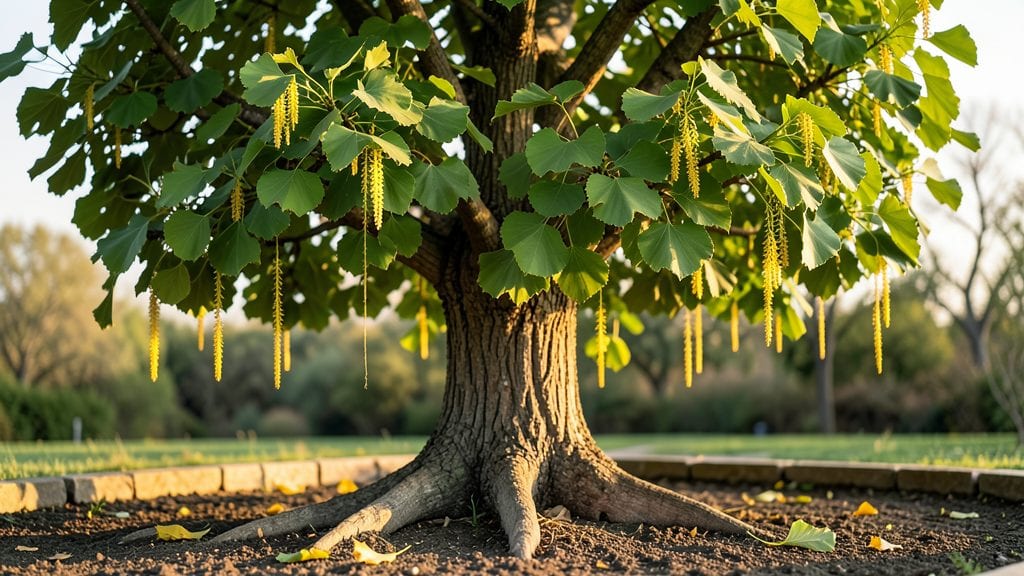
Discover how these stunning maidenhair tree flowering plants turn any Pacific Northwest yard into a living masterpiece with their delicate fern-like blooms. 🌿 I’ve watched mine develop that signature feathery foliage—each spring brings a fresh wave of bright green, almost translucent leaves that shimmer in the dappled sunlight.
The real magic happens when you create the right conditions, because these trees reward patience with stunning seasonal displays.
Here’s the secret: maidenhair trees thrive in well-draining, slightly acidic soil mixed with organic matter, and they love morning sun with afternoon shade—perfect for the PNW’s mild, wet climate. Pruning is minimal, but removing dead branches in late winter keeps the structure clean and encourages new growth.
The key to those prized blooms (when they appear) is consistency in watering—deep but infrequent, just enough to keep the soil moist but never soggy.
What you’ll end up with is a tree that stays lush and vibrant year-round, with golden foliage in fall that’s pure PNW magic. Even if flowering is rare in cultivation, the sheer elegance of the foliage makes it worth the effort.
The best part? These trees grow slowly but steadily, so they’re perfect for small spaces or as a striking focal point in larger gardens.
Between you and me, the hardest part isn’t the growing—it’s resisting the urge to touch those delicate fronds. Once you’ve got one established, it’s low-maintenance luxury. Let’s get yours thriving!
📚 In This Guide
- What you need
- Instructions
- Tips and common mistakes
- Wrapping up and next steps
What you need
- ● Maidenhair tree seedlings or saplings: 1–3 plants (choose Ginkgo biloba with a provenance suited to Zone 5–8 climates).
- ● Well-draining soil: 50 lbs of a mix of loamy soil, compost, and sand (ratio: 60% soil, 30% compost, 10% sand).
- ● Organic mulch: 2–3 inches of wood chips or pine needles to retain moisture and suppress weeds.
- ● Garden gloves: 1 pair (nitrile-coated for durability).
- ● Hand trowel or spade: 1 (5–7 inch blade for digging).
- ● Watering can or hose with adjustable nozzle: 1 (for gentle hydration).
- ● pH testing kit: 1 (to ensure soil pH is slightly acidic to neutral (6.1–7.5)).
- ● Fertilizer: 1 bag of balanced organic fertilizer (e.g., 10-10-10 or fish emulsion).
- ● Erosion control fabric: 1 roll (for slopes or windy areas).
- ● Drip irrigation system: 1 (to automate watering in dry spells).
- ● Pruning shears: 1 pair (for shaping mature trees).
- ● Soil aerator: 1 (if planting in dense clay soil).
- ● Companion plants: 1–2 Pacific Northwest natives like Rhododendron or Heuchera (to complement the maidenhair tree’s delicate foliage).
Step-by-Step guide to cultivating maidenhair tree flowering plants
Transform your Pacific Northwest landscape with these ethereal, year-round beauties—here's how to nurture their delicate fern-like blooms.
🌱 Step 1: Select the Perfect Planting Site
The maidenhair tree (Ginkgo biloba) thrives in partial shade to full sun, but in the Pacific Northwest's cooler climate, I always choose a spot with morning sun and afternoon shade. This prevents leaf scorch while still providing enough light for those iconic fern-like blooms to develop. Look for areas with well-draining soil—ginkgos hate soggy roots, and the Pacific Northwest's damp winters can be tricky.
Test your soil by digging a 6-inch hole—if water pools after 30 minutes, amend with 2-3 inches of compost or plant on a slight mound. The maidenhair tree's roots spread wide, so ensure at least 20 feet of clearance from sidewalks or structures. In urban settings, I often plant them near patios where their height (up to 40 feet) creates a stunning canopy.
☀️ Step 2: Plant at the Right Time and Depth
Fall is the ideal time to plant maidenhair trees in the Pacific Northwest—October to November—when soil is still warm but air temperatures have cooled. Dig a hole twice as wide as the root ball but only as deep—planting too deep can suffocate the roots. Gently loosen the root ball if it's circling and place the tree so the top of the root ball sits 1-2 inches above ground level. This prevents water from pooling around the trunk.
Backfill with native soil (no amendments needed if you prepped the site correctly) and water deeply until moisture reaches 12 inches down. The first year is critical—mulch with 3 inches of wood chips (keeping mulch 6 inches away from the trunk) to retain moisture and suppress weeds. Avoid heavy mulch piles, which can smother roots and attract pests.
💧 Step 3: Water Deeply and Establish a Routine
Young maidenhair trees need consistent moisture but hate soggy conditions. Water once a week during the first growing season, delivering 10-15 gallons per tree to encourage deep root growth. Check soil moisture by inserting your finger 3 inches down—if it feels dry, water again. In the Pacific Northwest's mild summers, you might only need watering every 10-14 days once established.
Here's the thing—maidenhair trees are drought-tolerant once mature, but their fern-like blooms (technically catkins) develop best with steady moisture. If you notice leaves curling or turning yellow, it’s often a sign of underwatering or poor drainage. Adjust your schedule based on rainfall: skip watering if you’ve had 1 inch of rain in the past week.
✂️ Step 4: Prune for Shape and Health
Pruning maidenhair trees is minimal but strategic. Remove dead, diseased, or crossing branches in late winter (February) before new growth begins. Use clean, sharp pruners to make cuts just outside the branch collar—never leave stubs. For shaping, I focus on opening the canopy to improve airflow and sunlight penetration, which enhances those delicate blooms.
Never prune more than 25% of the canopy in one year. Maidenhair trees respond poorly to heavy pruning and may produce fewer catkins. If you're growing a tree for its ornamental value, I recommend light structural pruning every 2-3 years to maintain balance. In the Pacific Northwest, where storms can be fierce, prune to remove weak or storm-damaged branches as needed.
🌿 Step 5: Fertilize for Vibrant Blooms
Maidenhair trees are light feeders, but a balanced fertilizer in early spring (March) promotes lush foliage and abundant catkins. Use a 10-10-10 or 20-20-20 formula at half the recommended rate—over-fertilizing leads to weak growth and fewer blooms. Scatter the granules 6 inches away from the trunk and water deeply to activate them.
For established trees, I skip fertilizer entirely unless leaves show signs of nutrient deficiency (yellowing between veins). In the Pacific Northwest's rich soils, maidenhair trees often thrive without extra nutrients. If you do fertilize, stop by mid-summer to avoid encouraging late-season growth that won’t harden off before winter.
Tips & tricks for perfect maidenhair tree flowering plants
These game-changing insights will help you coax those stunning fern-like blooms from your maidenhair tree—no matter how tricky the Pacific Northwest climate gets!
Soil Test Secret: That 30-minute water test in Step 1 is your best friend for avoiding soggy roots. If water still pools after 30 minutes, you're dealing with heavy clay soil common in the Pacific Northwest. I've found that mixing in 2-3 inches of compost or creating a slight mound actually improves drainage while keeping moisture where the roots need it most. The key is creating that perfect balance—too much water leads to root rot, but too little stresses the tree during our damp winters.
Planting Depth Trick: The 1-2 inch elevation above ground level in Step 2 might seem subtle, but it's absolutely critical. Maidenhair trees have shallow roots that spread wide, and that slight elevation prevents water from pooling around the trunk during our heavy winter rains. I've seen too many trees planted too deep where the roots suffocate and the trunk rots. Think of it like creating a natural drainage system right from planting day.
Watering Wisdom: Those 10-15 gallons per tree in Step 3 might sound like a lot, but it's essential for establishing deep roots. The Pacific Northwest's mild summers can fool you into thinking your tree doesn't need much water, but maidenhair trees actually thrive with consistent moisture—especially during bloom development. Here's what I do: water deeply in the morning so any excess evaporates by evening, and always check that 3-inch soil moisture level. If it's dry, water again—don't wait until the leaves start curling!
Pruning Precision: When you're pruning in late winter (Step 4), focus on creating an open canopy rather than just removing dead branches. Maidenhair trees develop their iconic fern-like blooms along the branches, so maintaining good airflow prevents fungal issues while allowing sunlight to reach all parts of the tree. I always make my cuts just outside the branch collar—this little detail makes all the difference in how quickly the tree heals and regrows. And remember, never remove more than 25% of the canopy in one year, or you'll sacrifice next year's blooms.
Pro Tips for Maidenhair Tree Flowering Plants
- These game-changing insights will help you coax those stunning fern-like blooms from your maidenhair tree—no matter how tricky the Pacific Northwest climate gets!
- Soil Test Secret: That 30-minute water test in Step 1 is your best friend for avoiding soggy roots.
- Planting Depth Trick: The 1-2 inch elevation above ground level in Step 2 might seem subtle, but it's absolutely critical.
Frequently asked questions
Got questions about growing or caring for maidenhair trees (Ginkgo biloba) with their stunning fern-like foliage? Here are some of the most common inquiries—plus practical answers to help you nurture this iconic Pacific Northwest beauty!
Do maidenhair trees actually produce flowers?
The Ginkgo biloba is often called a "living fossil" and produces small, fern-like flowers that appear in spring before the leaves. Male trees bear pollen cones, while female trees develop tiny, yellowish seed structures (though these can be messy!). For pure ornamental value, male cultivars like 'Autumn Gold' are preferred—they skip the seed mess entirely.
How long does it take for a maidenhair tree to flower?
Young maidenhair trees typically take 10–15 years to mature enough for flowering. Patience pays off—once established, they bloom reliably each spring! Pro tip: Plant bare-root saplings in early spring for faster growth. If your tree isn’t flowering yet, check its age or consider a grafted cultivar for accelerated blooms.
Are maidenhair trees drought-tolerant?
Once mature, Ginkgo biloba thrives in dry conditions and is drought-resistant. However, young trees need consistent moisture for the first 2–3 years to establish deep roots. Mulch heavily (3–4 inches) to retain soil moisture and protect roots from summer heat.
What’s a good alternative if I want fern-like foliage but no messy seeds?
If you love the fern-like aesthetic but want to avoid female tree seeds, try these low-maintenance alternatives:
- Japanese snowbell (Styrax japonica) – Delicate white flowers + glossy leaves.
- Southern magnolia (Magnolia grandiflora) – Evergreen with fragrant blooms.
- Japanese maple (Acer palmatum) – Lace-like foliage + vibrant fall color.
Why are my maidenhair tree leaves turning yellow?
Yellowing leaves (chlorosis) often signal nutrient deficiencies or pH issues. Maidenhair trees prefer slightly acidic soil (pH 6.0–7.5). Test your soil and amend with iron sulfate or chelated iron if needed. Overwatering or poor drainage can also cause stress—ensure well-draining soil and avoid soggy roots.
Wrapping up and next steps
The maidenhair tree (Ginkgo biloba) is a stunning, low-maintenance gem that brings year-round elegance to your Pacific Northwest garden with its fern-like foliage and delicate blooms.
Whether you're drawn to its historical charm, resilience, or ornamental beauty, this tree is a fantastic addition for any outdoor space. 🌿✨
Now that you’re equipped with the know-how, why not take the next step? Plant one today and enjoy its graceful presence for decades—your future self (and your garden!) will thank you.